
Embracing the Bungle-House: A Renovation Renaissance
As I stand in the middle of the Horse Garage at our storefront, sledgehammer in hand, I can’t help but feel a mixture of excitement and trepidation. What started as a mild demolition has now blossomed into a full-fledged construction project, one that will require all my skills, time, and resources. But you know what they say – once you grab a sledgehammer, it’s hard to put it down.
This renovation endeavor is not just about creating a practical space for my workshop machines; it’s about restoring the historical essence of this 1906 structure, bringing it back to its former glory. And let me tell you, it’s not an easy feat. We’re talking about navigating the complexities of an historical overlay district, coordinating with the local authorities, and ensuring every detail aligns with the architectural heritage of the area.
But you know what they say – where there’s a will, there’s a way. And boy, do I have the will. I’m optimistic, not just because of the “huge carrot” dangling in front of me (a beautiful, machine-friendly room), but because of the incredible community that’s rallying behind this project.
Immigrant Artisans: The Unsung Heroes
One of the most remarkable aspects of this renovation journey has been the unwavering support and hard work of the local Latin American community. These individuals, hailing from various backgrounds and speaking a multitude of languages, have become the backbone of this endeavor. From Manuel and Hugo to a host of other strong-backed individuals, they’ve been right there with me, lifting concrete blocks, weatherproofing the building, and tackling every challenge that comes our way.
I have to admit, I’m in awe of their work ethic and craftsmanship. These are the unsung heroes who are elevating the art of renovation, pushing me to take on more and manage it all with a smile and a laugh. It’s a humbling experience to work alongside such dedicated individuals, and it’s a stark reminder of the invaluable contributions that immigrants have made to the very foundations of our society.
As I’ve mentioned before, my great-grandparents on the Schwarz side were German immigrants who arrived in the Dakotas in the early 20th century, toiling away at brick-making before eventually settling in St. Louis. It’s a full-circle moment, a testament to the enduring spirit of those who seek a better life and are willing to put in the hard work to achieve it.
Embracing the Artistry of Renovation
But this renovation project is not just about the physical labor; it’s also about the artistry that goes into it. As I’ve been exploring the design elements and historical context of this building, I’ve come across some fascinating tidbits that have truly captured my imagination.
For instance, did you know that the term “bunglehouse” has a charming history? Apparently, it’s a derivation of the word “bungalow,” and it originates from the Roycroft settlement in East Aurora, New York – a late-19th-century hotbed of Arts & Crafts design. The original “bunglehouse,” a converted chicken coop-turned-blacksmith shop, now serves as a museum and was named by the artist Alexis Fournier, who said it “didn’t deserve to be called a bungalow.”
I absolutely love the idea of the “bunglehouse” – it’s a delightful blend of imperfection and charm, and it perfectly captures the essence of what we’re trying to achieve with this renovation. After all, the true beauty of these historical structures lies not in their flawlessness, but in their character, their stories, and the artful way in which they’ve been shaped by the hands of those who came before us.
The Design Dilemma: Honoring History, Embracing the Future
As I delve deeper into the design aspects of this project, I find myself navigating a fascinating balance between honoring the past and embracing the future. The aesthetic of the building, with its pressed-steel elements and the potential for a gooseneck barn pendant light over each door, is a captivating blend of old and new.
But the real challenge lies in ensuring that the design choices we make truly respect the historical integrity of the structure. Will the city require us to install a driveway and curb cuts, or will they allow us to maintain the existing parking? These are the kinds of questions that keep me up at night, as I strive to find the perfect equilibrium between functionality and preservation.
And let’s not forget the practical considerations of the project – will the Horse Garage serve as a car garage, or will it double as a workspace for my workshop machines? These are the kinds of decisions that will shape the final outcome, and I’m determined to get them right.
The Reward of Perseverance
As I look around the Horse Garage, sledgehammer in hand, I can’t help but feel a sense of excitement and anticipation. This project may be a challenge, but it’s also a labor of love – a chance to breathe new life into a piece of history and to create something truly remarkable.
And let’s not forget the reward that awaits us at the end of this journey. Not only will I have a dedicated space for my workshop machines, but the butt-end of our property will look a lot more like it did back in 1906, when the original garage was first constructed. It’s a circular irony that I find both humbling and inspiring.
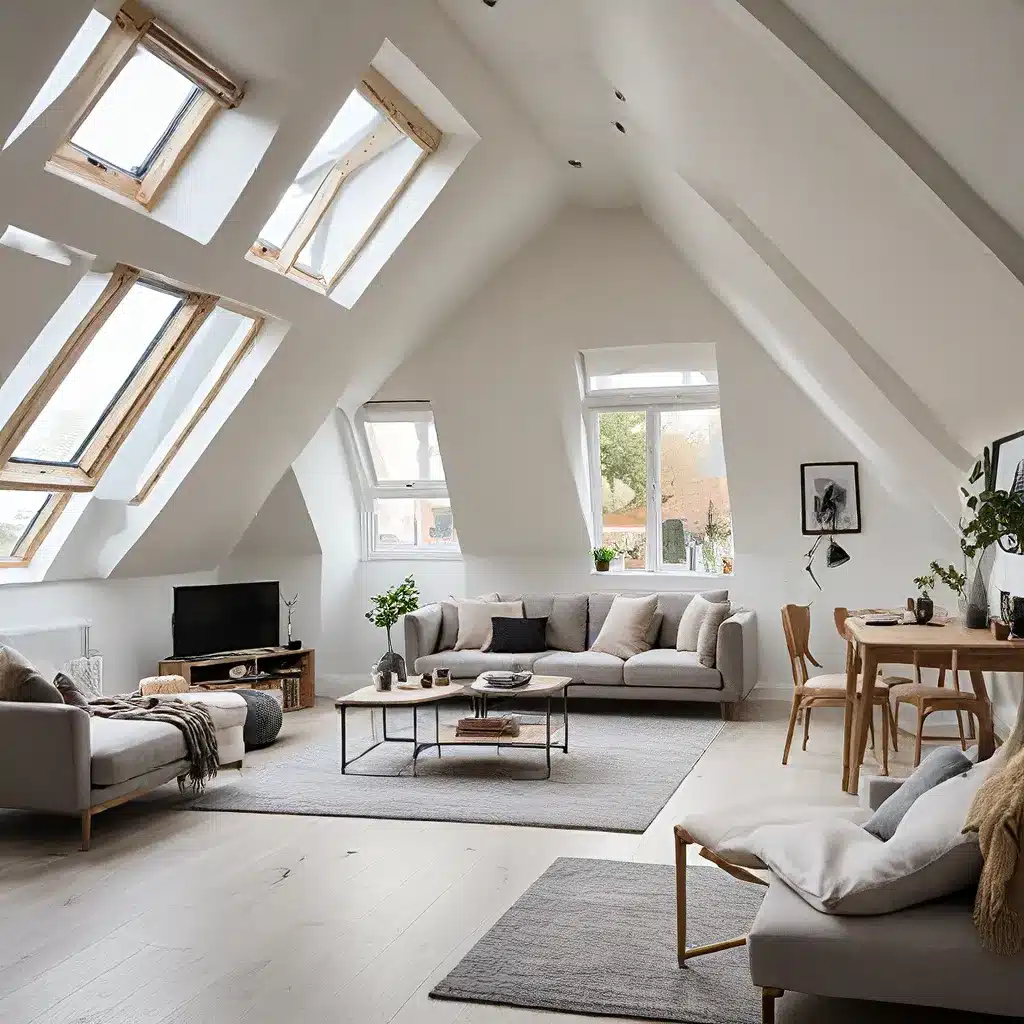
So, as I continue to tackle this renovation, I know that the journey will be long and the obstacles will be many. But with the unwavering support of my immigrant artisan friends, the guidance of the local authorities, and my own unwavering determination, I’m confident that we’ll create something truly special – a loft conversion that elevates the art of renovation and celebrates the enduring spirit of our community.


