
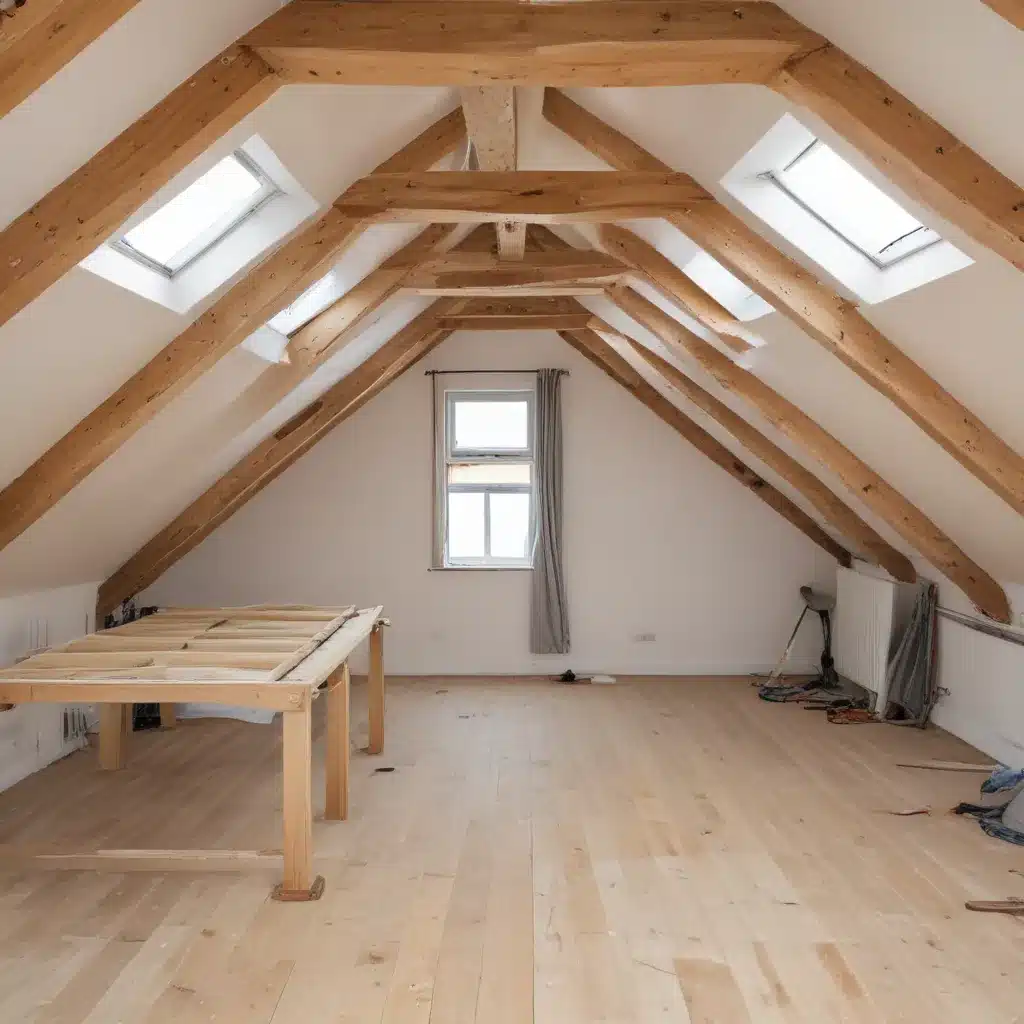
As a homeowner in Aberdeen, UK, the prospect of transforming your loft into a stunning new living space is both exciting and daunting. The endless possibilities of creating a cozy bedroom, a serene home office, or a spacious playroom can really get the creative juices flowing. However, before you start envisioning your dream loft conversion, it’s crucial to understand the building regulations that you must adhere to.
The Importance of Building Regulations
Building regulations are put in place to ensure the safety, health, and welfare of people in and around new buildings or renovations. These regulations prioritize everything from fire safety to energy efficiency, making them an essential part of any construction project, including loft conversions.
Now, I know what you’re thinking – “Regulations? That’s just going to complicate things and slow down my project!” But hear me out. These building regulations are there to protect you and your loved ones. They’re not just some bureaucratic hoop you have to jump through; they’re there to make sure your loft conversion is structurally sound, fire-resistant, and energy-efficient.
Navigating the Building Regulations Maze
As I delved deeper into the world of loft conversion building regulations, I’ll be honest, it felt a bit like navigating a maze. There were so many different elements to consider, from floor joist sizing to fire safety requirements. But I’m here to simplify it all for you and make sure you’re armed with the knowledge you need to tackle this project head-on.
Floor Joists: The Backbone of Your Loft
Let’s start with one of the most critical aspects of a loft conversion – the floor joists. These weight-bearing components are the foundation of your new living space, and they need to be just right. According to the building regulations, the size and spacing of your floor joists are crucial for ensuring the safety and stability of your loft.
As one industry professional shared, the traditional approach was to use 125/150mm joists, plus a plywood floor deck, with the existing ceiling either underdrawen or insulated from above. But recently, some local authorities have been getting more stringent, requiring a minimum joist depth of 195mm to comply with British Gypsum’s guidelines.
Now, I know what you’re thinking – “195mm? That’s a lot of space taken up!” And you’re absolutely right. That’s why it’s so important to work with a structural engineer who can help you navigate these regulations and find the most efficient solution for your loft conversion. They’ll be able to assess the weight-bearing requirements and recommend the right joist size and spacing to keep your new space safe and secure.
Fire Safety: Your Top Priority
Of course, no loft conversion discussion would be complete without talking about fire safety. This is an area where building regulations are particularly strict, and for good reason. After all, we want to make sure you and your family can escape safely in the event of a fire, right?
One of the key fire safety requirements is the installation of fire doors. That’s right, no more flimsy wooden doors in your loft. Building regulations state that all doors in your loft conversion must be fire-resistant for at least 20 minutes. And that’s not all – you’ll also need to ensure your escape routes are clear and that you have interconnected smoke alarms to alert you in case of an emergency.
As the team at GreenMatch explains, the “corridor of escape,” which in a loft conversion is the loft stairs, must be fire-resistant for at least 30 minutes. And the walls, floors, and beams in your loft should be coated with fire-proof materials to provide at least 30 minutes of protection.
Now, I know what you’re thinking – “30 minutes? That’s a long time!” But trust me, in the event of a fire, those 30 minutes could make all the difference in getting you and your loved ones to safety. It’s a small price to pay for peace of mind.
Staircase Regulations: Navigating the Steps
Another crucial aspect of your loft conversion is the staircase. After all, you’ll need a safe and accessible way to get up and down from your new living space. Building regulations have specific requirements when it comes to the design and construction of your loft stairs.
For starters, your staircase must have a minimum width of 750mm, though it can be as narrow as 600mm if space is really tight. And the steps themselves? Well, they need to be consistent in height and length, with no more than 16 risers (that’s the vertical part of the step) and a minimum headroom of 2 meters.
As the experts at Resi explain, there’s even a specific term for the length and height of each step – the ‘going’ and the ‘rise,’ respectively. It’s all part of the intricate dance of creating a safe and functional staircase for your loft conversion.
But fear not, my friend. With the right team of professionals by your side, navigating these staircase regulations will be a breeze. Just remember, safety first, and your new loft stairs will be the envy of the neighborhood.
Insulation: Keeping the Heat (and Noise) at Bay
Now, let’s talk about something a little less glamorous but equally important – insulation. As you may know, a significant amount of heat can be lost through an uninsulated roof, which is why building regulations have specific requirements when it comes to loft insulation.
According to the regulations, your loft conversion must have a minimum of 270mm of insulation to meet the required U-value (a measure of heat transfer) of 0.16W/m2K. And it’s not just about keeping the heat in; insulation also plays a crucial role in reducing sound pollution, ensuring your new loft space is a peaceful oasis.
As the team at Resi points out, you’ll also need to have 100mm of insulation between the floor joists to really optimize the thermal and acoustic performance of your loft conversion.
Now, I know what you’re thinking – “270mm of insulation? That’s a lot of space!” But trust me, when you’re snuggled up in your cozy new loft, sipping a hot cup of tea and basking in the warmth, you’ll be grateful for that extra insulation. It’s an investment in your comfort and energy efficiency that’s well worth it.
Additional Considerations
Of course, the building regulations for loft conversions don’t end there. There are a whole host of other factors to consider, from the placement of windows and doors to the proper drainage and electrical work.
For example, as Resi explains, your loft windows must meet specific energy efficiency standards, with a U-value of 1.4W/m2K or better. And if you’re planning on adding a bathroom to your loft conversion, you’ll need to ensure your drainage system is up to par with the building regulations.
And let’s not forget about the electrical work. As the experts at Resi highlight, you’ll need to work with a registered electrician to make sure your new loft space is properly wired and meets all the necessary safety standards.
The Approval Process: Navigating the Red Tape
Now, I know what you’re thinking – “With all these regulations, how on earth do I get my loft conversion approved?” Well, my friend, that’s where the approval process comes into play.
Depending on where you live in the UK, you’ll either need to submit your plans to your local building control authority or hire a private approved inspector. In Havering, for example, you’ll need to submit a “Full Plan Application,” which involves providing detailed drawings and specifications for your loft conversion.
On the other hand, in Woking, you have the option of going with a “Building Notice Application,” which requires a bit less upfront information.
Now, I know what you’re thinking – “8 weeks for approval? That’s forever!” But fear not, my friend. As the team at Resi explains, you can always opt for a private approved inspector, who can typically turn around your application in a week or two.
Embrace the Regulations, Embrace the Dream
I know, I know – building regulations can seem like a never-ending maze of rules and red tape. But trust me, they’re there for a reason. By embracing these regulations and working with the right team of professionals, you can turn your loft conversion dreams into a reality that’s safe, energy-efficient, and built to last.
So, don’t let the building regulations scare you off. Instead, see them as an opportunity to create a truly exceptional living space that not only meets the highest standards but also gives you the peace of mind you deserve. After all, your home is your castle, and with a little bit of know-how and some professional help, you can transform your loft into a truly regal retreat.
ABC Home is here to guide you every step of the way, from navigating the building regulations to bringing your loft conversion vision to life. So, what are you waiting for? Let’s get started on creating the loft of your dreams!


