
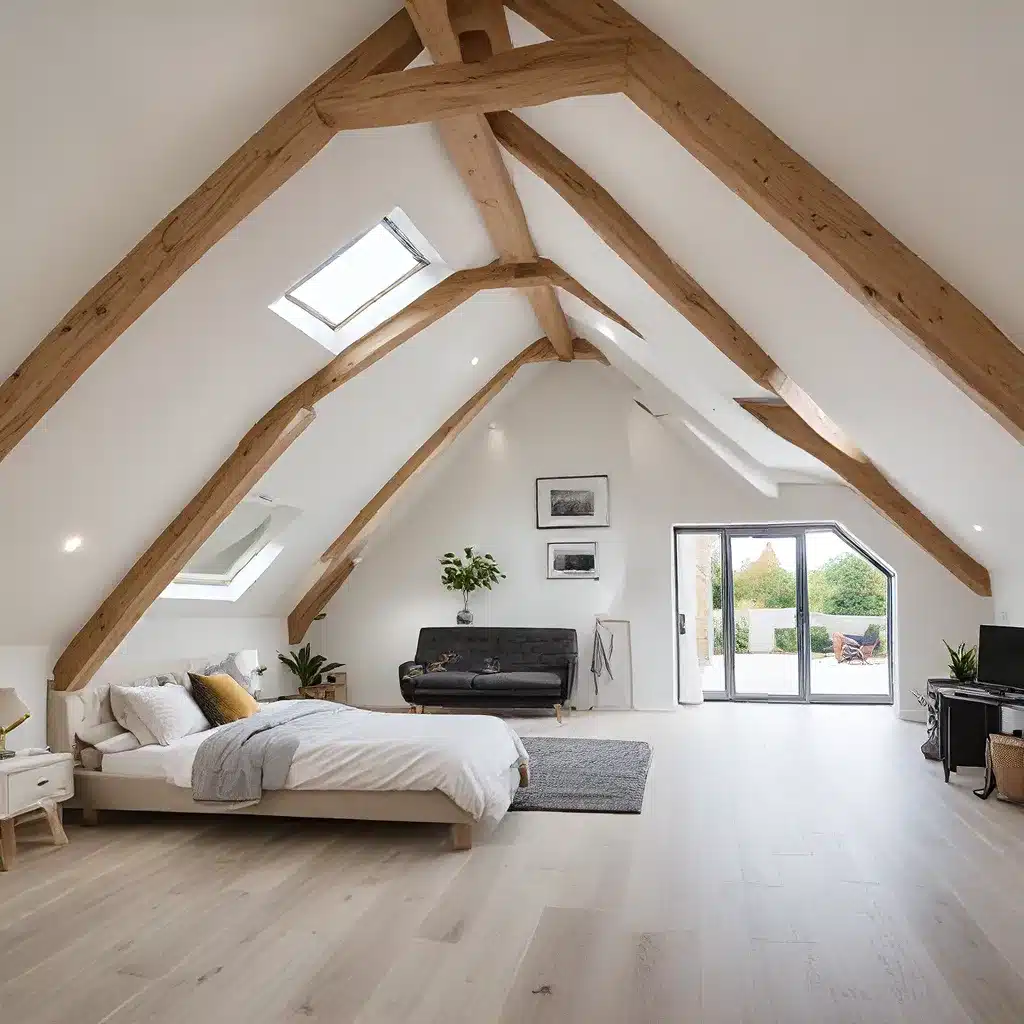
Understanding Loft Conversions in the UK
Loft conversions have become increasingly popular in the United Kingdom as homeowners seek to maximize their living space without expanding their property’s footprint. This building practice involves transforming an unused attic or loft area into a functional living space, such as a bedroom, home office, or additional living area.
In the UK, where land is often at a premium and housing costs continue to rise, loft conversions offer a practical solution for homeowners looking to increase their living space without the need to relocate. This approach not only provides additional square footage but can also significantly enhance the value of a property.
The process of converting a loft involves careful planning, adherence to building regulations, and consideration of various design options to create a space that is both functional and aesthetically pleasing. Homeowners must consider factors such as structural integrity, insulation, lighting, and access when undertaking a loft conversion project.
Types of Loft Conversions
There are several types of loft conversions available to UK homeowners, each with its own set of advantages and considerations. The choice of conversion type often depends on the existing roof structure, budget, and desired outcome.
Dormer Loft Conversions
Dormer loft conversions are among the most common types in the UK. This conversion involves extending the existing roof to create additional headroom and floor space. Dormer windows are added to provide natural light and ventilation.
Dormer conversions can be designed in various styles, including:
- Flat-roof dormers
- Gabled dormers
- Hipped dormers
These conversions are particularly suitable for properties with sloping roofs, as they create vertical walls and flat ceilings, maximizing the usable space within the loft.
Hip-to-Gable Conversions
Hip-to-gable conversions are ideal for semi-detached or detached properties with a hipped roof. This type of conversion extends the sloping side of the roof (the hip) outwards to create a vertical gable end wall. This process significantly increases the internal volume of the loft space.
Hip-to-gable conversions can be combined with a rear dormer to further maximize the available space, creating a large, open area suitable for various uses.
Mansard Loft Conversions
Mansard loft conversions involve altering the slope of the roof to create a nearly vertical wall with a flat roof on top. This type of conversion typically runs along the entire length of the property and can provide substantial additional space.
Mansard conversions often require planning permission due to their significant alteration of the roof’s appearance. However, they offer the most spacious solution among loft conversion types.
Planning and Regulations
Before undertaking a loft conversion project, it is essential to understand the planning requirements and building regulations in the UK. While many loft conversions fall under permitted development rights, meaning they do not require planning permission, there are exceptions to this rule.
Permitted Development Rights
Under permitted development rights, homeowners can carry out certain types of loft conversions without obtaining planning permission. However, these rights are subject to specific conditions and limitations, including:
- The total volume added must not exceed 40 cubic metres for terraced houses or 50 cubic metres for detached and semi-detached houses.
- No extension should be higher than the existing roof.
- Materials used should be similar in appearance to the existing house.
- No verandas, balconies, or raised platforms are allowed without planning permission.
- Side-facing windows must be obscure-glazed and non-opening unless the opening parts are more than 1.7 metres above the floor.
It is important to note that permitted development rights may be restricted or removed in certain areas, such as conservation areas or Areas of Outstanding Natural Beauty. Always check with your local planning authority before proceeding with a loft conversion project.
Building Regulations
Regardless of whether planning permission is required, all loft conversions must comply with UK building regulations. These regulations ensure that the conversion meets safety and energy efficiency standards. Key areas covered by building regulations include:
- Structural stability
- Fire safety
- Insulation and energy efficiency
- Ventilation
- Staircase design and access
- Sound insulation
To ensure compliance with building regulations, it is advisable to work with a qualified architect or building professional who can guide you through the process and submit the necessary applications to your local building control department.
Structural Considerations
When planning a loft conversion, it is crucial to assess the structural integrity of the existing building and make necessary modifications to support the additional load. This often involves reinforcing the floor joists and installing new support beams.
Load-Bearing Walls
Identifying and properly supporting load-bearing walls is essential for the safety and stability of the loft conversion. A structural engineer should be consulted to determine which walls are load-bearing and how best to distribute the additional weight of the conversion.
Roof Structure
The existing roof structure may need to be modified or reinforced to accommodate the loft conversion. This could involve:
- Installing new rafters
- Adding collar ties
- Strengthening the ridge beam
The type of roof structure (e.g., traditional framed roof or trussed roof) will influence the approach taken and the extent of modifications required.
Floor Joists
Existing floor joists may need to be reinforced or replaced to support the additional weight of the loft conversion. The spacing and size of joists should be carefully calculated to ensure they meet building regulations and can safely bear the load of the new living space.
Design and Layout Considerations
Creating a functional and aesthetically pleasing loft conversion requires careful consideration of design and layout. The goal is to maximize the available space while ensuring comfort and practicality.
Headroom and Floor Space
One of the primary challenges in loft conversions is maximizing headroom and usable floor space. This often involves:
- Raising the roof ridge height (subject to planning permission)
- Lowering the ceiling of the floor below (if feasible)
- Using dormers or other roof extensions to create additional headroom
The minimum headroom required by building regulations is 2.2 meters over at least 50% of the usable floor area.
Natural Light and Ventilation
Incorporating adequate natural light and ventilation is crucial for creating a comfortable living space. Options include:
- Dormer windows
- Skylights or roof windows
- Gable-end windows
The placement and size of windows should be carefully considered to maximize light and views while maintaining privacy.
Storage Solutions
Efficient storage solutions are essential in loft conversions, where space may be at a premium. Consider:
- Built-in wardrobes
- Under-eaves storage
- Custom-made furniture to fit sloping ceilings
Clever storage design can help maximize the usable space and keep the loft conversion tidy and organized.
Access and Staircase Design
Designing a safe and compliant staircase is a critical aspect of loft conversion projects. The staircase must meet building regulations while also integrating seamlessly with the existing home layout.
Staircase Regulations
UK building regulations specify requirements for staircases in loft conversions, including:
- Minimum width of 800mm
- Maximum rise of 220mm and minimum going of 220mm
- Minimum headroom of 2m at the pitch line and centre of the tread
- A maximum of 16 risers in a straight flight
- Handrails required on at least one side if the staircase is less than 1m wide, and on both sides if wider
Staircase Types
Several staircase designs can be suitable for loft conversions, depending on the available space and layout:
-
Straight Staircases: These are the most straightforward option but require the most floor space.
-
L-Shaped Staircases: These turn 90 degrees, often with a small landing, and can be a good space-saving option.
-
Winder Staircases: These turn 90 or 180 degrees, using triangular treads to save space.
-
Spiral Staircases: While space-efficient, these may not always comply with building regulations for loft conversions and can be less practical for everyday use.
Staircase Placement
The placement of the staircase is crucial for both practicality and compliance with building regulations. Factors to consider include:
- Minimizing the impact on the floor below
- Ensuring adequate headroom throughout the staircase
- Providing a clear and safe means of escape in case of fire
Working with a professional designer or architect can help ensure that the staircase placement optimizes space usage while meeting all necessary regulations.
Insulation and Energy Efficiency
Proper insulation is essential in loft conversions to ensure comfort and energy efficiency. UK building regulations set specific requirements for insulation in converted loft spaces.
Roof Insulation
Effective roof insulation is crucial for maintaining a comfortable temperature in the loft space and reducing energy costs. Options include:
- Between and Over Rafters: Insulation is fitted between the rafters and an additional layer is added over the top.
- Over and Under Rafters: Insulation is placed over the rafters with a layer of plasterboard beneath.
- Warm Roof System: Insulation is placed above the rafters, maintaining the shape of the roof internally.
The choice of insulation method depends on factors such as the desired internal finish and the existing roof structure.
Wall Insulation
For dormer walls and gable ends, adequate insulation must be installed to meet building regulations. This typically involves using insulated plasterboard or a combination of insulation and standard plasterboard.
Floor Insulation
Insulating the floor of the loft conversion helps to reduce heat loss to the rooms below and improve sound insulation. This can be achieved by installing insulation between the floor joists.
Windows and Doors
Energy-efficient windows and doors are essential for maintaining thermal comfort in the loft space. Double or triple-glazed units with low-emissivity glass are recommended to minimize heat loss and reduce noise.
Ventilation Strategies
Proper ventilation is crucial in loft conversions to maintain air quality, prevent condensation, and ensure a comfortable living environment. UK building regulations require adequate ventilation in all habitable rooms.
Natural Ventilation
Natural ventilation can be achieved through:
- Openable windows
- Trickle vents in window frames
- Roof vents
The total openable area should be at least 1/20th of the floor area of the room.
Mechanical Ventilation
In some cases, mechanical ventilation may be necessary, particularly for bathrooms or areas where natural ventilation is limited. Options include:
- Extractor fans
- Whole-house ventilation systems
- Positive input ventilation (PIV) systems
Condensation Control
Preventing condensation is essential to avoid damp and mould issues. Strategies include:
- Using vapour barriers in the roof and wall construction
- Ensuring adequate air circulation
- Installing dehumidifiers if necessary
Proper ventilation design should be considered from the early stages of the loft conversion project to ensure compliance with building regulations and create a healthy living space.
Fire Safety Measures
Fire safety is a critical consideration in loft conversions, with specific requirements outlined in UK building regulations. Implementing proper fire safety measures is essential to protect occupants and comply with legal standards.
Escape Routes
Loft conversions must have a safe means of escape in case of fire. This typically involves:
- Providing a protected escape route from the loft to the final exit door
- Installing fire doors on all rooms leading to the escape route
- Ensuring that windows meet escape window requirements if they are relied upon as a secondary means of escape
Fire Detection and Alarm Systems
Interlinked smoke alarms must be installed throughout the property, including:
- In the loft conversion itself
- On each storey of the house
- In circulation spaces such as hallways and landings
Carbon monoxide alarms should also be installed if there are any fuel-burning appliances in the property.
Fire Resistance
Building elements must provide adequate fire resistance to allow time for escape. This includes:
- 30-minute fire resistance for floors and walls separating the loft from the rest of the house
- Fire-resistant materials for the structure and internal surfaces
- Intumescent strips and smoke seals on fire doors
Compartmentation
In some cases, particularly for larger loft conversions or those in taller buildings, fire compartmentation may be required. This involves dividing the space into separate fire-resistant compartments to limit the spread of fire and smoke.
Cost Considerations and Budgeting
Understanding the costs associated with loft conversions is crucial for effective project planning and budgeting. The total cost can vary significantly depending on factors such as the type of conversion, property location, and specification level.
Average Costs
As of September 2024, approximate costs for different types of loft conversions in the UK are:
| Conversion Type | Estimated Cost Range (GBP) |
|---|---|
| Roof Light | £25,000 – £35,000 |
| Dormer | £35,000 – £55,000 |
| Hip-to-Gable | £45,000 – £65,000 |
| Mansard | £55,000 – £75,000 |
These figures are indicative and can vary based on location, with London and the South East typically seeing higher costs.
Cost Breakdown
A typical cost breakdown for a loft conversion project might include:
- Structural work and roofing: 25-35%
- Windows and doors: 10-15%
- Insulation and plastering: 10-15%
- Electrics and plumbing: 10-15%
- Staircase: 5-10%
- Flooring and decoration: 5-10%
- Professional fees (architect, structural engineer, etc.): 10-15%
Additional Costs to Consider
When budgeting for a loft conversion, it’s important to factor in potential additional costs such as:
- Planning permission fees (if required)
- Building control fees
- Party wall agreements (for semi-detached or terraced houses)
- Furniture and fixtures for the new space
- Contingency fund (typically 10-15% of the total budget)
Financing Options
Homeowners may consider various financing options for loft conversion projects, including:
- Remortgaging
- Home improvement loans
- Personal loans
- Savings
It’s advisable to consult with a financial advisor to determine the most suitable financing option based on individual circumstances.
Project Timeline and Management
Effective project management is crucial for the successful completion of a loft conversion. Understanding the typical timeline and key stages can help homeowners plan and manage their projects more efficiently.
Typical Project Timeline
A standard loft conversion project in the UK typically takes between 6 to 12 weeks to complete, depending on the complexity and scale of the work. Here’s a general breakdown of the timeline:
- Planning and design: 2-4 weeks
- Obtaining necessary approvals: 4-8 weeks
- Structural work: 2-3 weeks
- Roof alterations: 1-2 weeks
- Internal construction: 2-3 weeks
- Insulation and plastering: 1-2 weeks
- Electrics and plumbing: 1-2 weeks
- Finishing and decoration: 1-2 weeks
Key Project Stages
1. Initial Consultation and Survey
- Meet with architects or loft conversion specialists
- Conduct a thorough survey of the existing loft space
- Discuss design ideas and requirements
2. Design and Planning
- Develop detailed plans and drawings
- Submit planning applications if required
- Obtain necessary approvals from building control
3. Preparation
- Clear the loft space
- Set up scaffolding and safety measures
- Deliver materials and equipment to the site
4. Structural Work
- Reinforce floor joists
- Install steel beams if required
- Create openings for windows and dormers
5. Roof Alterations
- Modify roof structure as per the design
- Install dormers or other roof extensions
- Ensure proper weatherproofing
6. Internal Construction
- Build internal walls and partitions
- Install new floor
- Create openings for staircase
7. Insulation and Plastering
- Install insulation in walls, floor, and roof
- Plasterboard walls and ceilings
- Apply plaster finish
8. Electrics and Plumbing
- Install electrical wiring and fixtures
- Set up plumbing for bathrooms or kitchenettes if included
- Ensure compliance with building regulations
9. Finishing and Decoration
- Install windows and doors
- Fit staircase
- Complete flooring, painting, and decorating
Project Management Tips
- Communication: Maintain open communication with your contractors and suppliers throughout the project.
- Regular Inspections: Conduct regular site visits to monitor progress and address any issues promptly.
- Documentation: Keep detailed records of all decisions, changes, and expenses.
- Flexibility: Be prepared for unexpected challenges and be flexible with timelines if necessary.
- Quality Control: Ensure all work meets the required standards and building regulations.
By understanding the project timeline and key stages, homeowners can better prepare for the loft conversion process and work effectively with their chosen professionals to achieve a successful outcome.
Choosing the Right Professionals
Selecting the right professionals for your loft conversion project is crucial for ensuring quality workmanship, compliance with regulations, and a smooth project execution. Here’s a guide to help you choose the right team for your loft conversion:
Architects and Designers
An architect or designer can help you maximize the potential of your loft space and create a design that meets your needs and complies with regulations.
When choosing an architect or designer:
- Look for professionals with specific experience in loft conversions
- Check their qualifications and registrations (e.g., RIBA for architects)
- Review their portfolio of past loft conversion projects
- Ask for references from previous clients
Structural Engineers
A structural engineer is essential for assessing the structural integrity of your property and designing any necessary modifications.
When selecting a structural engineer:
- Ensure they are registered with the Institution of Structural Engineers (IStructE)
- Look for experience in residential loft conversions
- Ask about their familiarity with local building regulations
Building Contractors
The building contractor will be responsible for executing the loft conversion project. Choosing a reputable and experienced contractor is crucial.
Tips for selecting a building contractor:
- Obtain multiple quotes from different contractors
- Check for membership in professional bodies (e.g., Federation of Master Builders)
- Ask for detailed breakdowns of quotes to ensure all aspects are covered
- Request and follow up on references from previous clients
- Verify insurance coverage, including public liability insurance
Specialist Loft Conversion Companies
Some companies specialize in loft conversions, offering end-to-end services from design to completion.
When considering a specialist loft conversion company:
- Research their reputation and track record
- Check for accreditations and memberships in relevant trade associations
- Review case studies of their previous loft conversion projects
- Ensure they offer comprehensive services, including handling planning permissions and building regulations approval
Building Control Officers
While not hired directly, building control officers play a crucial role in ensuring your loft conversion complies with building regulations.
Working with building control:
- Choose between local authority building control or approved inspectors
- Ensure all necessary inspections are scheduled and carried out
- Keep records of all building control approvals and certificates
Additional Specialists
Depending on the complexity of your project, you may need to engage other specialists:
- Party Wall Surveyors (for semi-detached or terraced houses)
- Electricians (for electrical installations)
- Plumbers (if adding bathrooms or kitchenettes)
- Interior Designers (for final finishing and decoration)
When selecting any professional for your loft conversion project, it’s important to:
- Verify their qualifications and experience
- Check for proper insurance coverage
- Get everything in writing, including quotes, timelines, and scope of work
- Trust your instincts – choose professionals you feel comfortable working with
By carefully selecting the right team of professionals, you can ensure that your loft conversion project is executed to the highest standards, complies with all necessary regulations, and meets your expectations in terms of design and functionality.
For more information on home extensions and conversions, visit ABC Home Extensions and Conversions.
Maximizing the Value of Your Loft Conversion
A well-executed loft conversion can significantly increase the value of your property. To maximize this potential, consider the following strategies:
Quality of Finish
Investing in high-quality materials and finishes can greatly enhance the appeal and value of your loft conversion. Consider:
- Premium flooring options such as hardwood or high-quality carpet
- Bespoke fitted storage solutions
- High-end bathroom fixtures if including an en-suite
- Energy-efficient lighting and electrical fittings
Energy Efficiency
Enhancing the energy efficiency of your loft conversion not only reduces running costs but also increases the property’s value. Focus on:
- Exceeding minimum insulation requirements
- Installing energy-efficient windows and doors
- Considering renewable energy options such as solar panels
- Implementing smart home technology for efficient heating and lighting control
Multi-Functionality
Creating a versatile space that can adapt to changing needs can increase the appeal to potential buyers. Consider:
- Flexible room layouts that can serve multiple purposes
- Built-in features that can be easily repurposed
- Adequate power points and data connections for various uses
Natural Light
Maximizing natural light can make the loft space feel larger and more inviting. Options include:
- Strategically placed roof windows or skylights
- Light tubes for areas that can’t accommodate traditional windows
- Glass balustrades for staircases to allow light to flow through
Outdoor Space
If possible, incorporating some form of outdoor space can significantly boost the value of your loft conversion. Consider:
- Juliet balconies for bedrooms
- Roof terraces (subject to planning permission)
- Large windows or glass doors to create a connection with the outdoors
Professional Certifications
Ensure all work is properly certified and compliant with building regulations. Keep records of:
- Building control certificates
- Electrical and plumbing certifications
- Energy performance certificates
Future-Proofing
Consider future needs and trends when designing your loft conversion:
- Incorporate technology infrastructure for smart home systems
- Design with accessibility in mind for potential future needs
- Choose timeless design elements that won’t quickly become outdated
By focusing on these aspects, you can create a loft conversion that not only meets your current needs but also maximizes the potential increase in your property’s value.
Conclusion
Loft conversions represent a significant opportunity for homeowners in the UK to expand their living space and increase property value. By carefully considering design options, adhering to building regulations, and working with qualified professionals, it’s possible to transform an underutilized loft into a beautiful and functional living area.
The key to a successful loft conversion lies in thorough planning, attention to detail, and a focus on quality. From the initial concept through to the final touches, each stage of the process requires careful consideration and expert execution.
As the housing market continues to evolve, loft conversions offer a practical solution for homeowners looking to adapt their properties to changing needs without the disruption and expense of moving. With the potential to add significant value to a property, a well-designed and executed loft conversion can be a wise investment for the future.
Whether you’re looking to create an extra bedroom, a home office, or a multi-functional living space, a loft conversion can unlock the hidden potential of your home. By following the guidance outlined in this article and working with experienced professionals, you can navigate the complexities of the conversion process and create a space that enhances both your lifestyle and your property’s value.
Remember, each loft conversion project is unique, and it’s important to tailor your approach to the specific characteristics of your property and your personal requirements. With careful planning, quality execution, and attention to detail, your loft conversion can become a valuable and cherished addition to your home.


