
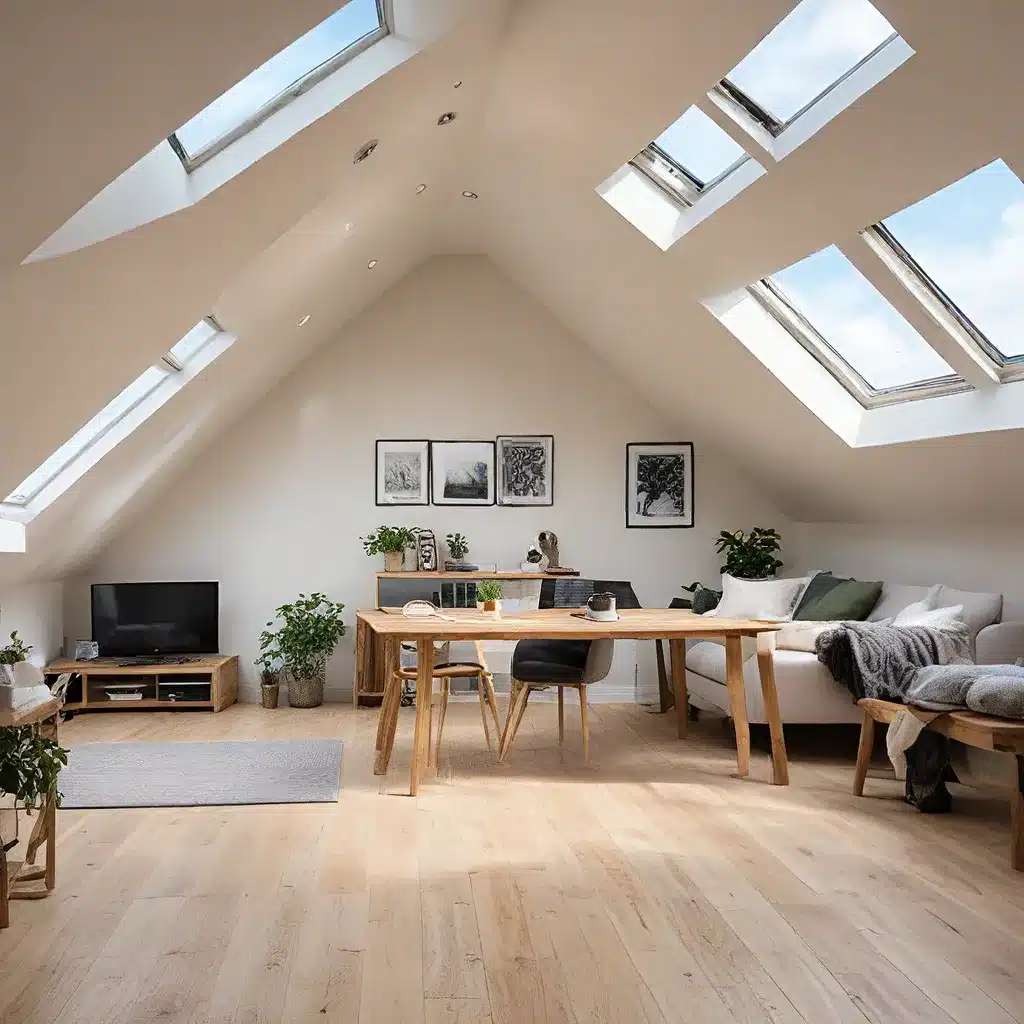
Understanding the Potential of Loft Conversions
Loft conversions have become increasingly popular in the UK as homeowners seek to maximise their living space without the need for relocation. This approach to home improvement offers a practical solution for expanding usable floor area while potentially increasing property value. By transforming underutilised attic space into functional rooms, homeowners can create additional bedrooms, home offices, or recreational areas that cater to their evolving needs.
The process of converting a loft involves careful planning, adherence to building regulations, and consideration of structural implications. Homeowners must assess the feasibility of their project based on factors such as roof pitch, available headroom, and the presence of obstacles like water tanks or chimney stacks. Professional surveyors and architects play a crucial role in evaluating these aspects and determining the most suitable conversion type for each property.
It’s worth noting that different styles of loft conversions exist, each with its own set of advantages and considerations. Common types include dormer conversions, which extend the existing roof to create additional floor space and headroom; hip-to-gable conversions, which alter the roof shape to maximise internal volume; and mansard conversions, which involve changing the angle of the roof slope to create a more box-like appearance. The choice of conversion style depends on various factors, including the property’s existing architecture, local planning restrictions, and the homeowner’s specific requirements.
Regulatory Compliance and Planning Permission
Before embarking on a loft conversion project, it’s essential to understand the regulatory landscape in the UK. While many loft conversions fall under permitted development rights, meaning they don’t require formal planning permission, there are specific criteria that must be met. These criteria include limitations on the volume of additional space created, restrictions on alterations to the roof plane facing the highway, and requirements for materials to be similar in appearance to the existing house.
However, certain circumstances may necessitate a planning application. These include properties in conservation areas, listed buildings, or homes that have already exhausted their permitted development rights through previous extensions. It’s advisable to consult with the local planning authority or a planning professional to determine the specific requirements for your property.
Building regulations approval is mandatory for all loft conversions, regardless of whether planning permission is required. These regulations ensure that the conversion meets standards for structural stability, fire safety, energy efficiency, and sound insulation. Key areas of focus include:
- Structural integrity: Ensuring the existing structure can support the additional load.
- Fire safety: Installing appropriate fire-resistant materials and escape routes.
- Staircase design: Meeting regulations for safe access to the new living space.
- Thermal insulation: Achieving required U-values for energy efficiency.
- Sound insulation: Minimising noise transmission between floors.
Compliance with these regulations is not only a legal requirement but also crucial for the safety and comfort of occupants. Engaging a professional who is well-versed in current building regulations can help navigate this complex aspect of the project.
Cost Considerations and Budgeting
The financial aspect of a loft conversion project requires careful consideration and planning. Costs can vary significantly based on factors such as the size and complexity of the conversion, the quality of materials used, and the level of finish required. As of September 2024, typical costs for loft conversions in the UK range from £30,000 to £60,000 for a basic conversion, with more complex projects potentially exceeding £80,000.
To provide a clearer picture of potential costs, consider the following breakdown:
| Conversion Type | Estimated Cost Range (GBP) |
|---|---|
| Velux Conversion | £25,000 – £35,000 |
| Dormer Conversion | £35,000 – £50,000 |
| Hip-to-Gable Conversion | £40,000 – £60,000 |
| Mansard Conversion | £45,000 – £70,000 |
These figures are indicative and can vary based on location, with properties in urban areas typically incurring higher costs due to increased labour and material expenses. It’s important to factor in additional costs such as professional fees for architects, structural engineers, and building control inspections, which can add 10-15% to the overall budget.
When budgeting for a loft conversion, it’s prudent to include a contingency fund of approximately 10-20% of the total budget to account for unforeseen expenses or changes in project scope. This buffer can help manage financial stress and ensure the project’s completion even if unexpected issues arise during the construction phase.
Financing options for loft conversions include savings, home improvement loans, or remortgaging. Each option has its own implications for long-term financial planning, and homeowners should carefully assess their financial situation and seek professional advice before committing to a particular funding method.
Design Considerations for Optimal Space Utilisation
Effective design is paramount in maximising the potential of a loft conversion. The unique characteristics of attic spaces, such as sloping ceilings and irregular floor plans, present both challenges and opportunities for creative solutions. Successful loft conversion designs strike a balance between functionality, aesthetics, and compliance with building regulations.
Key design considerations include:
-
Natural light: Incorporating roof windows, dormers, or skylights to flood the space with daylight and create an airy atmosphere.
-
Storage solutions: Utilising eaves and awkward corners for built-in storage to maximise usable floor space.
-
Headroom: Carefully planning the layout to ensure adequate headroom in key areas, particularly around staircases and primary living zones.
-
Thermal comfort: Implementing effective insulation and ventilation strategies to maintain a comfortable temperature year-round.
-
Soundproofing: Incorporating acoustic treatments to minimise noise transmission between the loft and lower floors.
-
Structural elements: Integrating exposed beams or trusses as design features where appropriate, adding character to the space.
When designing a loft conversion, it’s crucial to consider the intended use of the space. A bedroom conversion may prioritise quiet areas and privacy, while a home office might focus on creating a productive work environment with ample natural light and built-in desk spaces. Recreational rooms, such as home cinemas or games rooms, may require specific considerations for lighting control and acoustics.
Collaborating with a skilled architect or interior designer can help homeowners navigate these design challenges and create a space that not only meets functional requirements but also enhances the overall aesthetic of the home. Professional input can be particularly valuable in addressing complex spatial issues and ensuring that the conversion integrates seamlessly with the existing property.
Structural Considerations and Engineering Challenges
Loft conversions present unique structural challenges that require careful assessment and expert engineering solutions. The existing roof structure, typically designed to support its own weight and environmental loads, must be adapted to accommodate additional live loads from the new habitable space. This often involves strengthening floor joists, installing steel beams, and potentially modifying load-bearing walls.
Key structural considerations include:
-
Load transfer: Ensuring that new loads are effectively transferred to the foundations without compromising the integrity of the existing structure.
-
Roof alterations: Modifying the roof structure to create additional headroom or accommodate dormers while maintaining stability.
-
Floor reinforcement: Strengthening the existing ceiling joists or installing a new floor structure to support the increased load.
-
Wall supports: Assessing and potentially reinforcing existing walls to handle additional lateral loads.
-
Staircase integration: Designing and installing a staircase that meets building regulations while minimising impact on the floors below.
Engaging a qualified structural engineer is essential to address these challenges effectively. They will conduct a thorough assessment of the existing structure, perform necessary calculations, and provide detailed specifications for the required structural modifications. This expertise is crucial not only for ensuring the safety and longevity of the conversion but also for obtaining building control approval.
In some cases, innovative engineering solutions may be required to overcome specific structural limitations. For example, properties with trussed roofs may require more extensive structural alterations compared to those with traditional rafter and purlin systems. The engineer may recommend solutions such as steel moment frames or composite beam systems to create the desired open spaces while maintaining structural integrity.
It’s important to note that structural modifications can have implications for the entire property. For instance, altering load-bearing walls or chimney breasts may affect the stability of adjacent rooms or even neighbouring properties in the case of semi-detached or terraced houses. A comprehensive structural survey and analysis are therefore essential to identify and address any potential risks.
Energy Efficiency and Sustainability in Loft Conversions
Incorporating energy-efficient design and sustainable materials into loft conversions has become increasingly important in the UK, driven by both regulatory requirements and growing environmental awareness. As of September 2024, building regulations mandate specific standards for thermal performance and energy conservation in residential extensions, including loft conversions.
Key areas of focus for energy efficiency include:
-
Insulation: Achieving or exceeding the required U-values for roof, walls, and floors to minimise heat loss.
-
Windows and glazing: Installing high-performance double or triple-glazed units to reduce thermal bridging and improve overall energy performance.
-
Heating systems: Integrating energy-efficient heating solutions, such as underfloor heating or extending existing systems with appropriate controls.
-
Ventilation: Implementing effective ventilation strategies to maintain indoor air quality while minimising heat loss.
-
Lighting: Utilising LED lighting and intelligent control systems to reduce electricity consumption.
The table below outlines the current minimum U-values required for different elements of a loft conversion in the UK:
| Building Element | Minimum U-value (W/m²K) |
|---|---|
| Pitched roof (insulated at rafter level) | 0.18 |
| Flat roof | 0.18 |
| Walls | 0.28 |
| Floor | 0.22 |
| Windows and rooflights | 1.6 |
Achieving these standards often involves using high-performance insulation materials such as polyurethane foam, mineral wool, or natural alternatives like sheep’s wool or recycled denim. The choice of insulation material should balance thermal performance with other factors such as moisture control, fire resistance, and environmental impact.
Sustainability considerations extend beyond energy efficiency to encompass material selection and construction practices. Homeowners and builders are increasingly opting for sustainably sourced timber, recycled materials, and low-VOC (Volatile Organic Compound) finishes to reduce the environmental footprint of their projects. Additionally, incorporating features such as solar panels or rainwater harvesting systems can further enhance the sustainability credentials of a loft conversion.
It’s worth noting that while meeting minimum regulatory standards is mandatory, many homeowners choose to exceed these requirements to future-proof their homes and reduce long-term energy costs. Engaging an energy assessor or sustainability consultant can help identify cost-effective strategies to optimise the energy performance of the loft conversion and the property as a whole.
Project Management and Construction Process
Effective project management is crucial for the successful execution of a loft conversion. The construction process typically spans several weeks to months, depending on the scale and complexity of the project. A well-planned approach can minimise disruption to daily life and ensure that the project is completed on time and within budget.
The typical stages of a loft conversion project include:
- Initial consultation and feasibility study
- Design development and planning submissions (if required)
- Building regulations approval
- Structural calculations and engineering design
- Tendering and contractor selection
- Site preparation and scaffolding erection
- Structural alterations and roof modifications
- Installation of floor structure and staircase
- Window and dormer installation
- Insulation and internal fit-out
- Electrical and plumbing installations
- Plastering and decorating
- Final inspections and sign-off
Appointing a experienced project manager or main contractor to oversee the construction process can be beneficial, particularly for more complex conversions. They can coordinate the various trades, manage the supply chain, and ensure compliance with building regulations throughout the project.
Communication is key throughout the construction phase. Regular site meetings and progress updates help keep all stakeholders informed and allow for timely decision-making when unforeseen issues arise. It’s also important to maintain open lines of communication with neighbours, particularly in terraced or semi-detached properties where the works may impact adjoining buildings.
Quality control should be a priority throughout the construction process. This includes regular inspections by the building control officer, as well as internal quality checks by the project manager or main contractor. Addressing any issues promptly can prevent costly remedial work later in the project.
Health and safety considerations are paramount during construction. The project should adhere to the Construction (Design and Management) Regulations 2015, which outline responsibilities for health and safety management in construction projects. This includes conducting risk assessments, providing appropriate personal protective equipment, and ensuring safe working practices on site.
As the project nears completion, it’s important to schedule final inspections and obtain the necessary certifications. This includes a building control completion certificate, which confirms that the work complies with building regulations, and any relevant electrical or gas safety certificates. These documents are not only important for compliance but also for future property transactions.
Enhancing Property Value through Loft Conversions
Loft conversions are often viewed as a sound investment in the UK property market, potentially adding significant value to a home. While the exact increase in value can vary depending on factors such as location, property type, and quality of the conversion, estimates suggest that a well-executed loft conversion can add between 10% to 20% to a property’s market value.
Key factors that influence the value added by a loft conversion include:
-
Additional usable floor space: The creation of extra living area is generally viewed positively by potential buyers.
-
Improved layout and functionality: A thoughtfully designed conversion that enhances the overall flow of the home can be particularly attractive.
-
Energy efficiency improvements: Upgrades to insulation and heating systems can reduce running costs and appeal to environmentally conscious buyers.
-
Quality of finish: High-standard workmanship and premium materials can significantly impact perceived value.
-
Compliance with regulations: Proper certification and adherence to building standards provide assurance to future buyers.
It’s important to note that the potential return on investment can vary significantly based on local market conditions. In areas where property prices are already high, the percentage increase may be lower, but the absolute value added could be substantial. Conversely, in regions with more modest property values, the percentage increase might be higher, but the total value added may be less.
When considering a loft conversion as an investment, homeowners should research local property trends and consult with estate agents to gain insight into how similar conversions have impacted property values in the area. This information can help inform decisions about the scale and style of the conversion to maximise potential returns.
While financial considerations are important, it’s equally crucial to balance them with personal needs and lifestyle benefits. A loft conversion that significantly improves quality of life and meets the household’s evolving needs can offer value beyond mere financial returns.
For those considering selling their property in the near future, it’s worth noting that a recently completed loft conversion can be a strong selling point. It demonstrates to potential buyers that the property has been well-maintained and upgraded, potentially setting it apart in a competitive market.
However, it’s important to approach loft conversions with a long-term perspective. Over-capitalising on improvements that are out of step with the local market or failing to maintain a balance with the rest of the property can limit the potential for value appreciation. Seeking professional advice from both building experts and property valuation specialists can help ensure that the investment in a loft conversion is both personally rewarding and financially sound.
Innovative Design Trends in Loft Conversions
As homeowners seek to create unique and personalised spaces, innovative design trends are continually emerging in the field of loft conversions. These trends often reflect broader shifts in lifestyle preferences, technological advancements, and evolving aesthetic sensibilities. Incorporating cutting-edge design elements can not only enhance the functionality and appeal of a loft conversion but also potentially increase its value proposition.
Some notable design trends in loft conversions include:
-
Open-plan layouts: Removing internal walls to create spacious, multi-functional areas that maximise natural light and flow.
-
Mezzanine levels: Introducing split-level designs to make the most of high ceiling spaces and create distinct zones within the loft.
-
Eco-friendly materials: Utilising sustainable and recycled materials, such as reclaimed wood or recycled glass, to reduce environmental impact and add character.
-
Smart home integration: Incorporating intelligent lighting, heating, and security systems for enhanced comfort and energy efficiency.
-
Biophilic design: Bringing elements of nature into the space through living walls, indoor plants, and natural materials to promote well-being.
-
Minimalist aesthetics: Embracing clean lines, hidden storage solutions, and uncluttered spaces to create a sense of calm and spaciousness.
-
Industrial chic: Exposing structural elements like beams and brickwork to add raw, urban appeal to the conversion.
-
Multifunctional furniture: Integrating adaptable furnishings that can serve multiple purposes, such as fold-down desks or convertible guest beds.
-
Statement staircases: Designing bespoke staircases that serve as architectural focal points while optimising space utilisation.
-
Skylights and roof lanterns: Installing large glazed areas to flood the space with natural light and create a connection with the outdoors.
When incorporating these trends, it’s important to balance innovation with practicality and long-term appeal. While some design elements may be fashionable in the short term, ensuring that the core functionality and quality of the space remain paramount will help maintain its value over time.
It’s also crucial to consider how these design choices interact with the existing architecture of the property. A successful loft conversion should feel like a natural extension of the home rather than an incongruous addition. This may involve blending contemporary elements with traditional features or finding creative ways to reference the property’s original character within the new space.
Technological advancements are playing an increasingly significant role in loft conversion design. For example, 3D visualisation tools allow homeowners to explore different layout options and finishes before committing to a final design. Additionally, advancements in materials science have led to the development of high-performance insulation and glazing products that can significantly enhance the thermal and acoustic properties of the conversion.
Accessibility is another important consideration in contemporary loft conversion design. With an ageing population and increased awareness of inclusive design principles, many homeowners are opting for features such as wider doorways, level thresholds, and provision for future installation of mobility aids. These considerations can enhance the long-term usability of the space and appeal to a broader range of potential buyers in the future.
Ultimately, the most successful loft conversion designs are those that strike a balance between innovation, functionality, and timeless appeal. By carefully considering current trends alongside personal needs and the property’s unique characteristics, homeowners can create truly exceptional spaces that add value and enjoyment to their homes for years to come.
Conclusion: Maximising the Potential of Your Loft Conversion
Loft conversions represent a significant opportunity for homeowners to expand their living space, increase property value, and adapt their homes to changing needs. By carefully considering aspects such as regulatory compliance, structural integrity, energy efficiency, and innovative design, it’s possible to create exceptional spaces that enhance both the functionality and appeal of a property.
The success of a loft conversion project hinges on thorough planning, expert execution, and attention to detail. Engaging with experienced professionals, from architects and structural engineers to skilled contractors, is essential in navigating the complexities of the process and achieving optimal results.
As the housing market continues to evolve, loft conversions are likely to remain a popular choice for homeowners seeking to maximise their property’s potential. By staying informed about current regulations, market trends, and design innovations, homeowners can make informed decisions that balance personal needs with long-term value considerations.
Ultimately, a well-executed loft conversion has the potential to transform not just the physical space of a home, but also the quality of life for its occupants. Whether creating a tranquil master suite, a productive home office, or a versatile family area, the possibilities offered by loft conversions are limited only by imagination and careful planning.
For those considering embarking on a loft conversion project, it’s advisable to start with a comprehensive assessment of your property’s potential and your specific requirements. Consulting with experienced professionals can provide valuable insights into the feasibility, costs, and potential benefits of different conversion options, helping you make informed decisions that align with your goals and budget.
By approaching loft conversions with a combination of creativity, practicality, and attention to detail, homeowners can unlock the full potential of their properties, creating spaces that are not only beautiful and functional but also add lasting value to their homes.


