
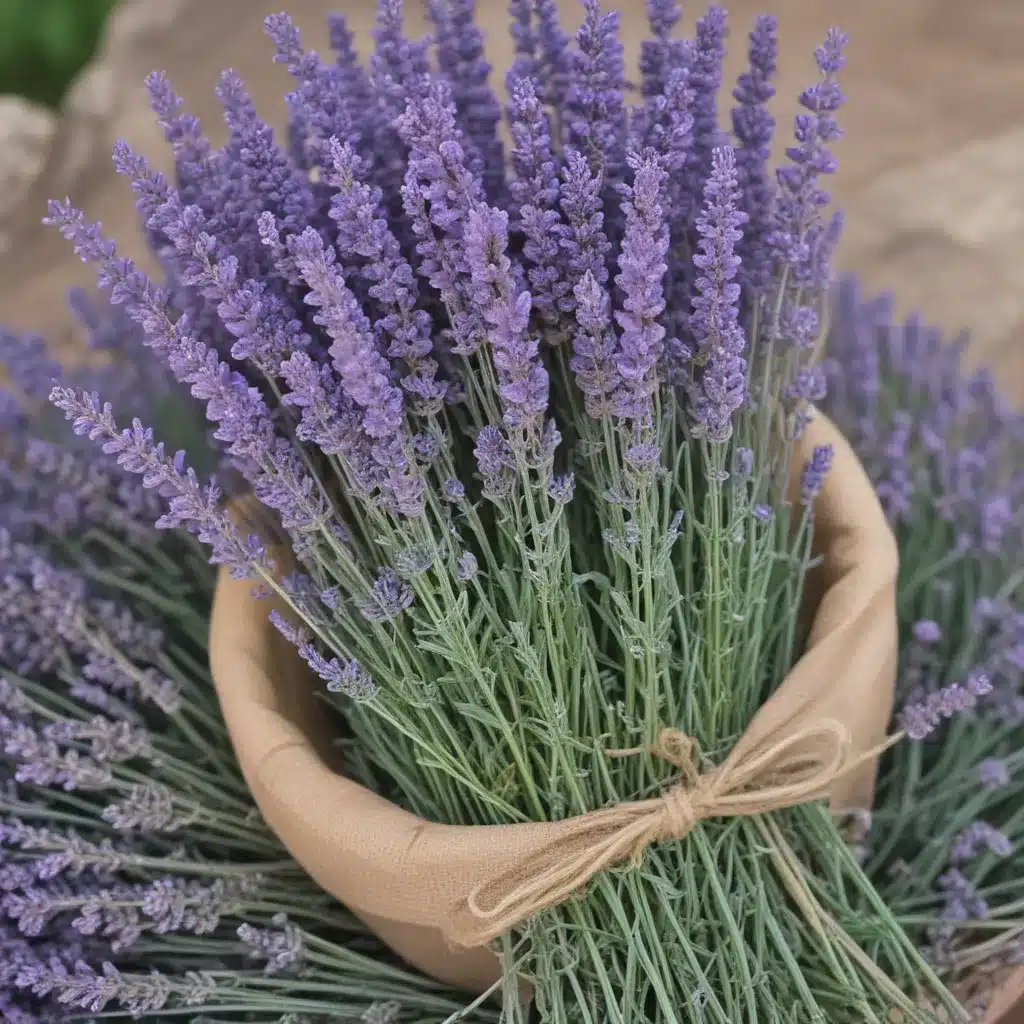
The Enchanting Aroma of Lavender
Ah, the captivating scent of lavender – is there anything quite like it? As I step into my garden, the gentle breeze carries the fragrant notes, instantly lifting my mood and transporting me to a serene, tranquil place. This beloved herb has long been a staple in homes and gardens, and for good reason. Its versatility knows no bounds, from its calming effects to its practical applications.
But have you ever wondered about the ins and outs of caring for your own lavender plants? Or the myriad of ways you can incorporate this aromatic delight into your daily life? Well, gather round, my friends, for I’m about to take you on a journey through the wonderful world of lavender.
Choosing the Right Lavender for Your Space
Not all lavender varieties are created equal, and the type you select can make a big difference in how it performs in your garden. Are you looking for a sprawling, cascading variety to spill over the edges of a raised bed? Or perhaps a more compact, tidy option to line walkways?
One of my personal favorites is the classic English lavender (Lavandula angustifolia). This variety boasts vibrant purple blooms and a delightfully intense aroma. It’s also relatively hardy, able to withstand cooler temperatures and a bit of neglect. Another option worth considering is the French lavender (Lavandula dentata), which sports distinctive, serrated leaves and a slightly sweeter scent.
For those with limited outdoor space, don’t fret – there are plenty of dwarf and even potted lavender varieties that can thrive in containers on your patio or balcony. The Lavandula ‘Hidcote’ and Lavandula ‘Munstead’ cultivars are two excellent compact choices that will add a touch of purple whimsy to any small-space garden.
No matter which variety you choose, be sure to select a site with well-drained soil and ample sunlight. Lavender simply adores a sunny spot, and it won’t tolerate soggy roots. With the right location and a bit of TLC, your lavender plants will reward you with abundant blooms and an intoxicating aroma year after year.
Caring for Your Lavender Plants
Now that you’ve got the perfect lavender variety picked out, it’s time to dive into the nitty-gritty of caring for these delightful plants. While lavender is generally quite low-maintenance, there are a few key things to keep in mind to ensure their health and longevity.
Firstly, let’s talk about watering. Lavender is a Mediterranean plant, so it’s naturally adapted to thrive in dry, arid conditions. In fact, overwatering is one of the biggest threats to its well-being. I like to follow the “soak and dry” method – give your lavender a deep watering every week or two, then allow the soil to dry out completely before watering again. Stick your finger in the soil and if it’s still damp, hold off on the H2O.
Pruning is another essential task for keeping your lavender looking its best. After the initial bloom, be sure to give the plant a good trim, snipping off the spent flower stalks. This not only encourages more blooms but also helps maintain the plant’s compact, tidy shape. I find it’s best to prune in the spring or early summer, before the heat of the season sets in.
Speaking of heat, lavender is quite sensitive to extreme temperatures. If you live in a region with scorching summers, consider providing a bit of afternoon shade to prevent the leaves from scorching. On the flip side, make sure your lavender is planted in a spot that’s sheltered from harsh winter winds, which can cause the delicate stems to break.
With just a little bit of diligent care, your lavender plants will thrive and reward you with countless fragrant blooms. And trust me, there’s nothing quite like strolling through a lavender-filled garden on a warm summer day. It’s enough to make even the most seasoned green thumb swoon.
Harvesting and Preserving Your Lavender
Ah, the moment we’ve all been waiting for – harvesting the fruits (or should I say, flowers?) of our labor. Lavender’s peak blooming season typically runs from mid-summer to early fall, so keep your eyes peeled for those vibrant purple spikes.
When it comes to harvesting, the best time to snip those fragrant stems is in the morning, after any dew has dried but before the midday heat sets in. Use clean, sharp scissors or pruners to carefully cut the flower stalks, leaving a few inches of stem attached. This not only ensures a tidy, uniform look but also helps the plant recover more quickly.
Once you’ve gathered your lavender bounty, it’s time to start preserving that lovely aroma. One of the most popular methods is air-drying. Simply tie the stems together in small bunches and hang them upside down in a cool, dark spot with good air circulation. Within a week or two, the flowers will be perfectly dried and ready for all sorts of crafty projects.
If you’re short on hanging space, you can also try oven-drying or microwave-drying your lavender. Just be sure to keep a close eye on the flowers, as it’s easy to over-dry them and lose that precious essential oil content. Once dried, the lavender can be stored in airtight containers or sachets to enjoy for months to come.
But the fun doesn’t stop there – you can also use fresh lavender in a variety of culinary and beauty applications. I love adding the delicate purple buds to homemade breads, cookies, and even cocktails for a floral, aromatic twist. And let’s not forget the soothing, skin-nourishing properties of lavender when used in homemade lotions, bath salts, and more.
The possibilities are truly endless when it comes to this versatile herb. So, go forth and harvest, my friends – your lavender-filled future awaits!
Harnessing the Power of Lavender
Now that we’ve covered the ins and outs of lavender cultivation, let’s dive into the myriad of ways you can incorporate this aromatic wonder into your daily life. After all, the benefits of lavender extend far beyond its mesmerizing floral display.
For starters, let’s talk about the renowned calming and relaxation properties of lavender. Studies have shown that the scent of lavender can help reduce anxiety, improve sleep quality, and even lower blood pressure. I like to keep a few drops of lavender essential oil on my bedside table, diffusing it in the evenings to create a soothing, spa-like atmosphere.
But the magic of lavender doesn’t stop there. This herb is also a powerhouse when it comes to skincare and natural beauty. The antibacterial and anti-inflammatory compounds in lavender make it an excellent addition to homemade face masks, body scrubs, and even shampoos. I’ve even been known to add a few drops of lavender oil to my daily moisturizer for an extra boost of nourishment and radiance.
And let’s not forget the culinary applications of this versatile plant. Lavender’s floral, slightly sweet flavor pairs beautifully with a wide range of ingredients, from savory to sweet. I love to sprinkle dried lavender buds over roasted vegetables, infuse simple syrups for cocktails, or even bake them into shortbread cookies for a truly unique treat.
The list of lavender’s uses goes on and on – it’s no wonder this herb has been revered for centuries. Whether you’re looking to cultivate a lush, fragrant garden or simply want to harness the power of lavender in your daily life, the possibilities are truly endless.
So, what are you waiting for? It’s time to let the enchanting aroma of lavender work its magic. Who knows – you might just find that this unassuming herb becomes your new best friend.
Oh, and one more thing before I go – if you’re in the Aberdeen area and in need of some home renovation or building services, be sure to check out ABC Home. Their team of experts can help bring your lavender-inspired dreams to life, whether it’s a charming garden shed, a cozy sunroom, or a lavender-filled oasis. Happy gardening, my friends!


