
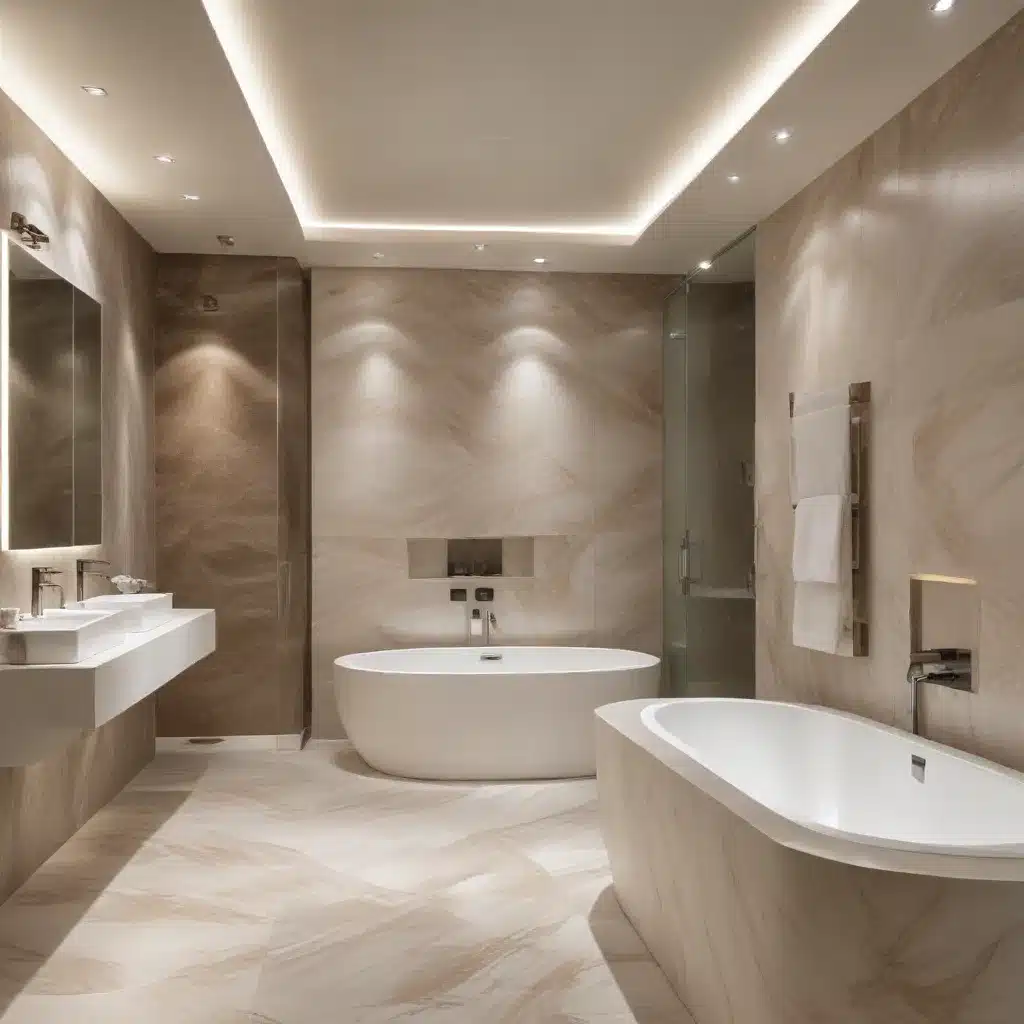
The Importance of Acoustic Design in Modern Bathrooms
As a seasoned home construction specialist, I’ve witnessed firsthand the evolution of bathroom design over the years. One aspect that’s gained significant traction recently is acoustic management. Why? Well, let’s face it – nobody wants their private moments broadcast to the entire household!
Acoustic design in bathrooms isn’t just about privacy; it’s about creating a serene, spa-like atmosphere where you can truly relax. I’ve worked on countless bathroom renovations where clients specifically requested sound management solutions. It’s become clear that this is no longer a luxury, but an essential consideration in modern bathroom design.
The challenges of bathroom acoustics are unique. Hard surfaces like tiles, glass, and porcelain are fantastic for hygiene and durability, but they’re also excellent sound reflectors. This creates a perfect environment for echoes and sound amplification – not ideal when you’re trying to keep things quiet!
Understanding Sound Transmission in Bathrooms
Before we delve into solutions, it’s crucial to understand how sound travels in a bathroom setting. There are two primary types of sound transmission we need to address:
-
Airborne sound: This is what we typically think of when we talk about noise – sound that travels through the air, like voices or music.
-
Structure-borne sound: This is vibration that travels through solid materials, like footsteps on a floor or the hum of a ventilation fan.
In my experience, effective acoustic management requires addressing both types of sound transmission. It’s not enough to simply block airborne sound; we need to dampen vibrations as well.
One project I worked on involved a master bathroom situated directly above the home’s living room. The clients were mortified by how clearly bathroom sounds could be heard downstairs. We had to implement a comprehensive approach to tackle both airborne and structure-borne sound transmission.
Innovative Solutions for Bathroom Sound Management
Over the years, I’ve experimented with various techniques and products to enhance bathroom acoustics. Here are some of the most effective solutions I’ve encountered:
1. Advanced Cavity Sliders
One of the most innovative products I’ve used in recent years is the acoustic cavity slider. These sliding door systems are designed with sound control in mind, offering impressive acoustic ratings.
For instance, I recently installed a cavity slider with an STC (Sound Transmission Class) rating of 42 in a client’s en-suite bathroom. The difference was remarkable – it effectively blocked out almost all sound transmission between the bathroom and bedroom.
These sliders come with specialized acoustic door panels and brush seals at the bottom and back edge. What I love about them is that they don’t compromise on aesthetics – there are no visible guides in the opening or on the door.
2. Sound-Absorbing Panels
Acoustic panels are a go-to solution for managing sound in bathrooms. However, it’s essential to choose panels that can withstand the humid bathroom environment.
I’ve had great success with polyester felt panels. They’re moisture-resistant, easy to clean, and come in a variety of colours and designs. In one project, we covered an entire wall with these panels, creating a striking feature wall that doubled as an effective sound absorber.
It’s worth noting that the placement of these panels is crucial. I typically recommend installing them on the wall opposite the main sound sources (like the shower or toilet) for maximum effectiveness.
3. Underlayment for Floor Soundproofing
For bathrooms on upper floors, underlayment is a critical component of sound management. It helps reduce impact noise from footsteps and falling objects.
I’ve found rubber underlayment to be particularly effective. In a recent project, we used a 6mm thick rubber underlayment under the tile flooring. The homeowners were amazed at how much quieter their bathroom became, both inside and in the rooms below.
The key is to ensure the underlayment covers the entire floor and is properly installed. Any gaps or improper installation can significantly reduce its effectiveness.
4. Acoustic Caulk and Sealants
One often overlooked aspect of bathroom acoustics is the role of proper sealing. Traditional caulk can shrink and crack over time, creating pathways for sound to travel.
I always recommend using specialized acoustic caulk around pipes, vents, and where walls meet floors and ceilings. This type of caulk remains flexible, ensuring a long-lasting seal that blocks sound transmission.
In one particularly challenging project, we used acoustic caulk extensively, sealing every potential sound leak. The result was a noticeably quieter bathroom, much to the client’s delight.
Best Practices for Implementing Acoustic Solutions
While the products and techniques I’ve mentioned are crucial, their effectiveness largely depends on proper implementation. Here are some best practices I’ve developed over the years:
-
Comprehensive approach: Don’t rely on a single solution. Combine different techniques for the best results.
-
Address all surfaces: Walls, floors, ceilings, and doors all play a role in sound transmission. Treat each surface appropriately.
-
Don’t neglect ventilation: Fans and vents can be significant sources of noise. Opt for quiet models and ensure proper installation.
-
Consider the room’s layout: The placement of fixtures can impact sound transmission. Where possible, avoid placing noisy elements (like toilets) against shared walls.
-
Balance aesthetics and function: Acoustic solutions don’t have to be unsightly. Choose products that complement your bathroom’s design.
-
Future-proof your design: Consider potential future needs when implementing acoustic solutions. It’s much easier to add extra insulation during the initial build than to retrofit later.
The Role of Professional Expertise in Acoustic Design
While there are many DIY acoustic solutions available, I can’t stress enough the value of professional expertise in this area. Acoustic design is a complex field, and what works in one bathroom may not be suitable for another.
In my practice, I always start with a thorough assessment of the space. This includes measuring the room’s dimensions, identifying potential sound transmission paths, and understanding the client’s specific concerns and requirements.
For example, I once worked on a bathroom renovation where the client was particularly sensitive to high-frequency sounds. We had to tailor our approach, focusing on solutions that specifically targeted these frequencies.
Professional input can also help you avoid common pitfalls. I’ve seen many well-intentioned DIY attempts that actually made the acoustic situation worse! For instance, using the wrong type of insulation can create air gaps that amplify sound rather than reduce it.
The Future of Bathroom Acoustics
As we look to the future, I’m excited about the innovations emerging in the field of bathroom acoustics. We’re seeing the development of smart materials that can adapt their sound-absorbing properties based on the ambient noise level.
There’s also a growing trend towards integrating acoustic solutions with other bathroom technologies. For instance, I recently installed a sound-masking system that works in tandem with the bathroom’s lighting and ventilation controls.
I believe we’ll also see more emphasis on sustainable acoustic solutions. Many of the products I use now are made from recycled materials, and I expect this trend to continue and expand.
Conclusion: The Quiet Revolution in Bathroom Design
As we’ve explored in this article, acoustic management is no longer an afterthought in bathroom design – it’s an essential consideration that can significantly impact the functionality and enjoyment of the space.
From advanced cavity sliders to innovative underlayments, there are now more options than ever for creating a quiet, peaceful bathroom environment. However, the key to success lies in a thoughtful, comprehensive approach that considers all aspects of sound transmission.
As a professional in this field, I’m continually amazed by the difference these solutions can make. A well-designed acoustic strategy can transform a noisy, echoing bathroom into a tranquil retreat.
If you’re planning a bathroom renovation or new build, I urge you to give serious thought to acoustic design. Your future self (and your household members) will thank you for it!
For more information on bathroom fitting and renovation, including acoustic solutions, you might find the resources at ABC Home’s bathroom fitting page helpful. They offer a wealth of information on modern bathroom design and installation techniques.
Remember, creating a quiet, peaceful bathroom isn’t just about luxury – it’s about enhancing your daily life and creating a space where you can truly relax and rejuvenate. Here’s to quieter, more serene bathrooms for all!


