
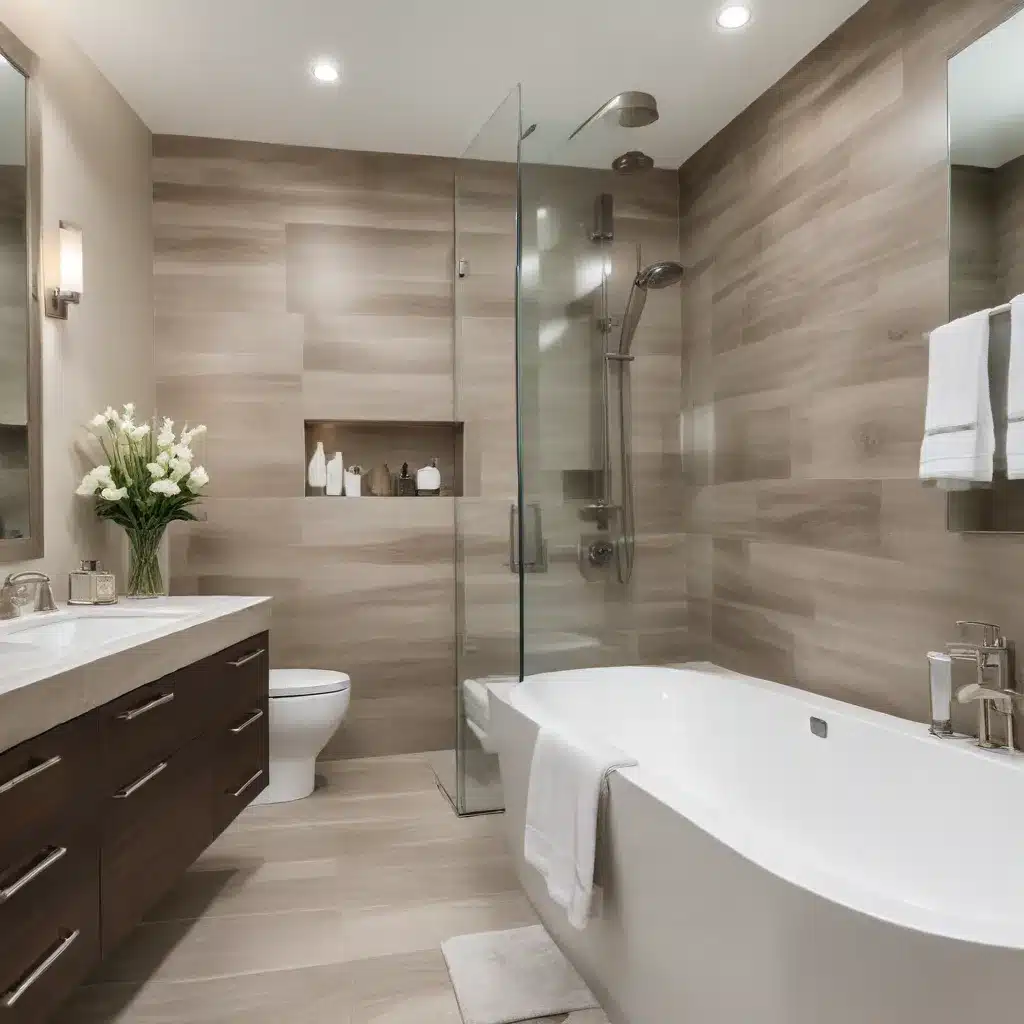
Understanding the UK Building Regulations for Bathroom Renovations
When considering a bathroom renovation in the UK, it’s crucial to understand the relevant building regulations and standards that must be adhered to. These regulations, set by the Ministry of Housing, Communities and Local Government, are designed to ensure the safety, accessibility, and energy efficiency of all building work, including bathroom upgrades.
One of the primary regulations to be aware of is the Building Regulations 2010, which covers a wide range of requirements for new construction, extensions, and renovations. Within this overarching framework, Approved Document G specifically addresses the standards for sanitation, hot water safety, and water efficiency. This document outlines the essential guidelines for plumbing, ventilation, and the installation of fixtures and fittings in bathrooms.
Additionally, the Water Supply (Water Fittings) Regulations 1999 and the Electrical Safety Standards in the Private Rented Sector (England) Regulations 2020 are crucial considerations for bathroom upgrades. These regulations dictate the acceptable practices and materials for water supply, drainage, and electrical work to maintain the safety and functionality of the bathroom.
Compliance with these regulations is not only a legal requirement but also ensures the long-term durability, efficiency, and safety of your bathroom renovation. Homeowners and contractors who disregard these standards may face hefty fines or even the need to rectify non-compliant work, significantly increasing the overall cost of the project.
Budgeting for a Bathroom Renovation in the UK
One of the primary concerns when planning a bathroom upgrade is the cost. The total expenditure can vary significantly depending on the scope of work, the choice of materials, and the level of finishes. However, it’s important to note that the average cost of a full bathroom renovation in the UK is around £7,500 to £15,000 for a standard-sized bathroom, according to recent industry data.
This range can be further broken down as follows:
| Cost Component | Estimated Range (GBP) |
|---|---|
| Plumbing and Electrical Work | £2,000 – £5,000 |
| Tiling and Flooring | £1,500 – £3,000 |
| Fixtures and Fittings (Sink, Toilet, Bathtub, etc.) | £2,000 – £5,000 |
| Decorative Elements (Lighting, Mirrors, Accessories) | £1,000 – £2,000 |
It’s worth noting that these estimates are based on national averages and may vary depending on the specific location, the complexity of the renovation, and the quality of materials selected. For example, bathroom renovations in the Aberdeen area may be slightly higher due to the region’s higher cost of living.
To manage the budget effectively, it’s essential to prioritize your renovation goals and focus on the most critical elements first. This may involve a phased approach, where you address the essential plumbing and electrical work, followed by the installation of fixtures and fittings, and then the decorative elements. By adopting a strategic and incremental approach, you can achieve a luxurious bathroom without breaking the bank.
Sustainable and Energy-Efficient Bathroom Upgrades
As environmental awareness and the need for energy-efficient solutions continue to grow, it’s crucial to consider sustainable options when planning your bathroom renovation. Not only do these choices help reduce your carbon footprint, but they can also lead to long-term cost savings on utility bills.
One of the key areas to focus on is water efficiency. The UK government’s Water Supply (Water Fittings) Regulations 1999 set standards for water-using appliances and fittings, ensuring they meet minimum water consumption requirements. By selecting water-efficient toilets, showerheads, and taps, you can significantly reduce your water usage and lower your utility costs.
Another important factor is the energy efficiency of your bathroom lighting and heating systems. The Building Regulations 2010 include specific guidelines for the installation of energy-efficient lighting and the use of thermostatic controls for heating. These measures not only contribute to a more sustainable home but also provide financial benefits through reduced energy bills.
When researching sustainable bathroom products, look for items that carry the Water Efficiency Label or the Energy Saving Trust Recommended designation. These certifications indicate that the products meet or exceed the industry’s performance standards for water and energy efficiency.
By incorporating these sustainable elements into your bathroom renovation, you can enjoy the benefits of a luxurious and modern space while also minimizing your environmental impact and long-term operating costs.
Navigating the Bathroom Renovation Process
Embarking on a bathroom renovation can be a daunting task, but with the right planning and execution, the process can be smooth and efficient. Here’s a step-by-step guide to ensure your bathroom upgrade is a success:
-
Assess Your Needs: Begin by evaluating your current bathroom, its functionality, and any pain points you’d like to address. Consider factors such as space, lighting, storage, and accessibility to determine your renovation priorities.
-
Research and Plan: Thoroughly research the latest design trends, materials, and technologies available in the UK market. Develop a detailed plan that aligns with your budget and the specific building regulations relevant to your project.
-
Obtain Necessary Permits: Before commencing any work, ensure you have the required permits from your local authority. This may include obtaining approval for structural changes, electrical work, or plumbing modifications.
-
Hire Qualified Professionals: Engage with reputable contractors, plumbers, and electricians who are well-versed in UK building regulations and sustainable construction practices. Verify their credentials and ask for references to ensure a high-quality outcome.
-
Manage the Renovation Timeline: Carefully coordinate the various trades involved in the renovation process to minimize disruptions and ensure timely completion. Maintain open communication with your contractor to address any unexpected challenges that may arise.
-
Prioritize Safety and Compliance: Throughout the renovation, keep a close eye on the work being done to ensure it adheres to the relevant building regulations. Regularly inspect the progress and address any non-compliant elements promptly.
-
Inspect and Approve the Final Work: Once the renovation is complete, thoroughly inspect the bathroom to verify that all aspects, from plumbing to electrical work, meet the required standards. Only upon your satisfaction should you approve the final work and make the final payment.
By following this comprehensive approach, you can navigate the bathroom renovation process with confidence, ensuring a successful outcome that is both compliant and cost-effective.
Achieving Luxury on a Budget: Cost-Saving Strategies
Contrary to popular belief, you don’t need to break the bank to create a luxurious bathroom. With a bit of creativity and strategic planning, you can achieve a high-end look without compromising on quality or regulatory compliance. Here are some cost-saving strategies to consider:
-
Prioritize High-Impact Elements: Focus your budget on the most visible and functional elements, such as the vanity, shower, and flooring. These areas will have the greatest impact on the overall aesthetic and can set the tone for the entire bathroom.
-
Embrace Mid-Range Fixtures: While high-end, designer fixtures can be tempting, opting for well-made, mid-range options can still provide a luxurious look without the premium price tag. Carefully research and select reputable brands that offer quality and style within your budget.
-
Upcycle and Repurpose: Explore creative ways to breathe new life into existing bathroom elements. For example, you could refinish an old vanity, transform a vintage mirror, or reuse decorative items from other parts of your home.
-
Leverage DIY Opportunities: Certain tasks, such as painting, tiling, or installing light fixtures, can be undertaken as DIY projects, provided you have the necessary skills and adhere to the relevant building regulations. This can help you save on labor costs.
-
Explore Alternative Flooring Options: While high-end tiles or natural stone can be costly, there are many affordable and stylish alternatives, such as luxury vinyl plank (LVP) flooring or laminate, that can deliver a similar aesthetic at a fraction of the price.
-
Invest in Energy-Efficient Solutions: Although the initial cost of water-efficient toilets, showerheads, and LED lighting may be slightly higher, the long-term savings on utility bills can more than offset the upfront investment.
-
Take a Phased Approach: If your budget is limited, consider completing the renovation in stages. Start with the essentials, such as plumbing and electrical work, and then gradually add the decorative elements as your budget allows.
By incorporating these cost-saving strategies, you can create a beautiful and functional bathroom that meets the UK’s building regulations without compromising on the luxurious aesthetic you desire.
Conclusion
Upgrading your bathroom can be a transformative experience, but it’s essential to navigate the process with a keen eye on compliance, cost management, and sustainability. By understanding the relevant UK building regulations, creating a thoughtful renovation plan, and exploring creative cost-saving strategies, you can achieve the luxurious bathroom of your dreams without breaking the bank.
Remember, the key to a successful and compliant bathroom renovation lies in thorough research, strategic planning, and the engagement of qualified professionals who can guide you through the process. By following the steps outlined in this article, you can ensure that your bathroom upgrade not only enhances the beauty and functionality of your home but also aligns with the UK’s rigorous building standards.
To learn more about home improvement projects and regulatory compliance in the UK, we invite you to visit https://abc-home.co.uk/, where you’ll find a wealth of resources and expert advice to help you navigate the world of building and renovation.


