
The Evolution of Bathroom Fixtures
As a home construction specialist with years of experience, I’ve witnessed firsthand the remarkable transformation of bathroom fixtures. Gone are the days when a simple bar of soap sufficed for our cleaning needs. Today’s homeowners are increasingly gravitating towards more sophisticated solutions, and built-in soap dispensers have emerged as a popular choice for those seeking both functionality and elegance in their bathrooms.
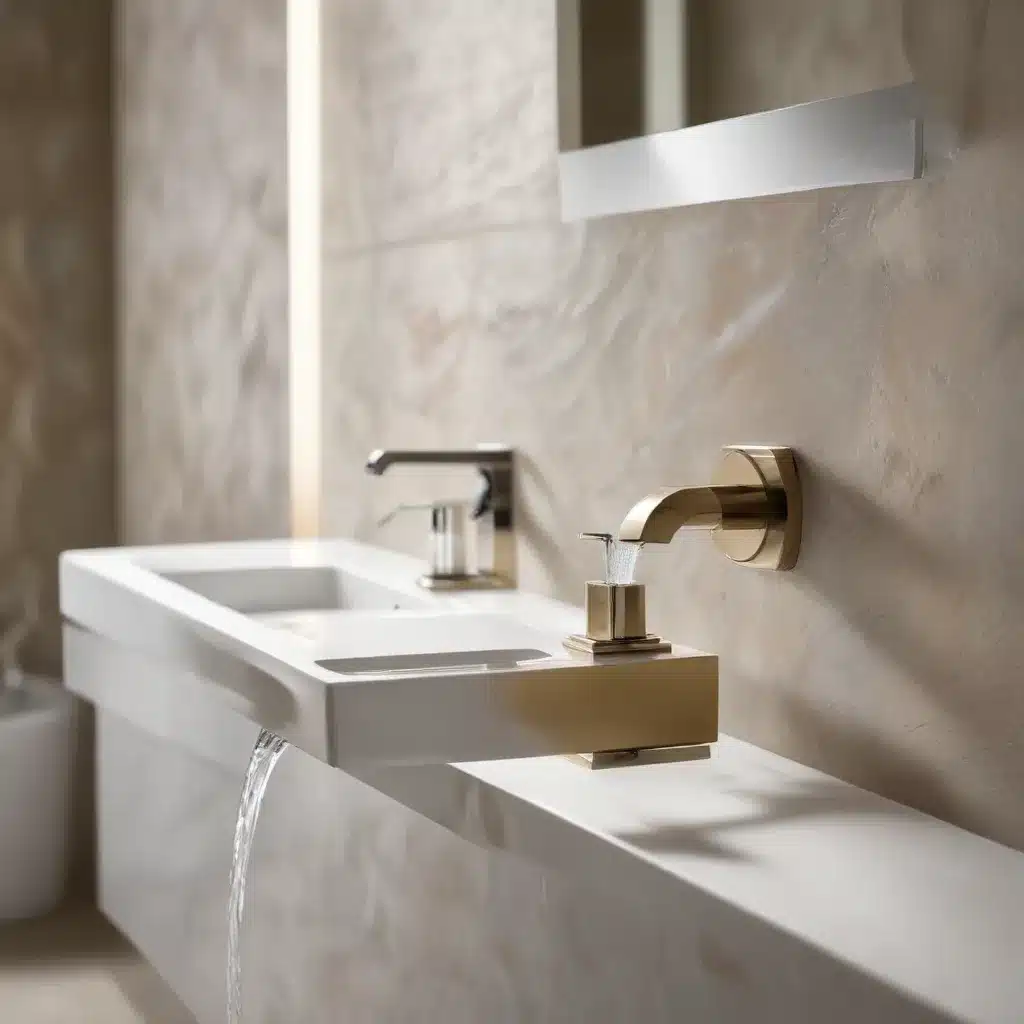
Built-in soap dispensers represent a perfect blend of practicality and style. They offer a seamless integration with your sink or countertop, eliminating the need for freestanding bottles that can clutter your space. This clean, minimalist approach not only enhances the aesthetic appeal of your bathroom but also contributes to a more organized and hygienic environment.
Over the years, I’ve installed countless built-in soap dispensers in various homes, and I can attest to their durability and convenience. These systems are designed to withstand frequent use and are typically made from high-quality materials that resist corrosion and wear. The result is a long-lasting addition to your bathroom that continues to function flawlessly for years to come.
Advantages of Built-in Soap Dispensers
Space-saving Design
One of the primary benefits of opting for a built-in soap dispenser is the space it saves. In my experience renovating bathrooms of all sizes, I’ve found that every inch counts, especially in smaller spaces. Built-in dispensers free up valuable counter space, allowing for a cleaner, more open feel in your bathroom.
This space-saving feature is particularly advantageous in powder rooms or guest bathrooms where counter space is often at a premium. By integrating the soap dispenser into the countertop or sink, you create a more streamlined look that can make even the most compact bathroom feel more spacious and well-organized.
Moreover, the absence of a freestanding soap dispenser means one less item to clean around during your regular bathroom maintenance. This can significantly simplify your cleaning routine, saving you time and effort in the long run.
Enhanced Hygiene
In my years of working on bathroom renovations, I’ve noticed an increasing emphasis on hygiene, especially in recent times. Built-in soap dispensers offer a more hygienic solution compared to traditional soap bars or pump bottles. With a built-in system, there’s no need to handle a potentially slippery and bacteria-laden soap bar or touch a pump that multiple people have used.
Many modern built-in dispensers are designed with touch-free operation, further enhancing their hygienic properties. These systems use sensors to detect hand movement, automatically dispensing soap without any physical contact. This feature is particularly beneficial in households with children or elderly members, as it reduces the risk of germ transmission.
Additionally, built-in dispensers are typically easier to keep clean. Unlike freestanding bottles that can accumulate grime and soap residue at their base, built-in systems have a smooth surface that’s simple to wipe down during regular cleaning.
Aesthetic Appeal
From an aesthetic standpoint, built-in soap dispensers are hard to beat. They offer a sleek, modern look that can elevate the overall design of your bathroom. In my experience, homeowners are often amazed at how such a small change can have such a significant impact on the room’s appearance.
These dispensers come in a wide range of finishes and styles, allowing you to choose one that perfectly complements your existing fixtures and overall bathroom design. Whether you prefer a brushed nickel finish to match your faucet or a bold, contrasting color to make a statement, there’s a built-in dispenser to suit your taste.
Moreover, the clean lines and minimalist design of built-in dispensers contribute to a sense of luxury and sophistication in your bathroom. They’re an excellent way to add a touch of high-end hotel elegance to your home without breaking the bank.
Choosing the Right Built-in Soap Dispenser
Capacity Considerations
When selecting a built-in soap dispenser, one of the key factors to consider is its capacity. In my years of installing these systems, I’ve found that capacity needs can vary significantly depending on the household size and usage patterns.
For a small household or a guest bathroom, a dispenser with a capacity of 250-500 ml might be sufficient. However, for larger families or high-traffic bathrooms, I often recommend dispensers with capacities of 500 ml or more. These larger capacity models require less frequent refilling, which can be a significant convenience factor.
It’s also worth considering the type of soap you plan to use. Some dispensers are designed specifically for liquid soap, while others can accommodate foam soap as well. Foam soap dispensers typically require less product per use, which can extend the time between refills.
Refill Mechanism
The ease of refilling is another crucial aspect to consider when choosing a built-in soap dispenser. In my experience, top-fill models are generally the most convenient option. These allow you to refill the dispenser from above the counter, eliminating the need to access the area under the sink.
Some models feature a removable container that can be lifted out for refilling, while others have a small cap that can be opened to pour in new soap. I’ve found that the removable container option is particularly useful in households where mobility might be an issue, as it allows for refilling away from the sink if necessary.
There are also bottom-fill models available, which are refilled from beneath the counter. While these can provide a cleaner look on the countertop, they can be more challenging to refill and maintain. I typically only recommend these for situations where top-filling is not feasible due to design constraints.
Material and Finish
The material and finish of your built-in soap dispenser can significantly impact both its durability and its aesthetic appeal. In my years of working with these systems, I’ve seen a wide range of options, each with its own benefits.
Stainless steel is a popular choice due to its durability and resistance to corrosion. It’s an excellent option for high-humidity environments and can withstand frequent use without showing signs of wear. Brass is another durable option that offers a more traditional look and is available in a variety of finishes.
For a more budget-friendly option, plastic dispensers can be a good choice. While they may not have the same longevity as metal options, high-quality plastic dispensers can still provide years of reliable service. Some plastic models even mimic the look of metal, offering a cost-effective way to achieve a high-end appearance.
When it comes to finishes, the options are virtually endless. Chrome and brushed nickel are perennial favorites due to their versatility and ability to complement a wide range of bathroom styles. For a more dramatic look, you might consider oil-rubbed bronze or matte black finishes, which can add a touch of sophistication to your bathroom design.
Installation Process
Preparation and Planning
As with any home improvement project, proper preparation is key to a successful installation of a built-in soap dispenser. In my years of experience, I’ve found that taking the time to plan and prepare can save hours of frustration down the line.
First, you’ll need to determine the ideal location for your dispenser. This typically involves considering factors such as ease of use, proximity to the faucet, and the overall layout of your sink or countertop. I always recommend marking the intended location and testing it out by mimicking the motion of using the dispenser to ensure it’s in a comfortable and practical position.
Next, you’ll need to check if your countertop or sink has a pre-drilled hole for a soap dispenser. Many modern sinks come with these holes, but if yours doesn’t, you’ll need to drill one. This is where professional help can be invaluable. Drilling through materials like granite or quartz requires specialized tools and expertise to avoid damaging your countertop.
Before you begin the installation, gather all the necessary tools and materials. This typically includes the soap dispenser kit, plumber’s putty or silicone sealant, an adjustable wrench, and potentially a drill if you need to create a hole. Having everything on hand before you start will help the installation process go smoothly.
Step-by-Step Installation Guide
While the exact installation process can vary depending on the specific model of your soap dispenser, here’s a general guide based on my experience:
-
If your sink doesn’t have a pre-drilled hole, carefully drill one according to the manufacturer’s specifications. Remember, this step is best left to professionals if you’re not confident in your ability to do it safely.
-
Clean the area around the hole thoroughly to ensure a good seal.
-
Apply a bead of plumber’s putty or silicone sealant around the base of the soap dispenser’s top piece.
-
Insert the top piece of the dispenser through the hole from above the counter.
-
From under the counter, slide on any washers or gaskets that came with your kit, following the manufacturer’s instructions.
-
Screw on the retaining nut to secure the top piece in place. Tighten it by hand first, then use an adjustable wrench to give it a final tightening. Be careful not to over-tighten, as this could damage your countertop or the dispenser.
-
Install the pump mechanism and the soap container according to the manufacturer’s instructions. This typically involves screwing or clicking these parts into place.
-
Fill the container with soap and test the dispenser to ensure it’s working properly.
-
Check for any leaks around the base of the dispenser or from the soap container. If you notice any, you may need to tighten connections or apply additional sealant.
Remember, while this guide provides a general overview, always refer to the specific instructions provided with your soap dispenser. Each model may have unique installation requirements.
Maintenance and Care
Regular Cleaning
Proper maintenance is crucial for ensuring the longevity and optimal performance of your built-in soap dispenser. In my experience, regular cleaning is the most important aspect of maintenance.
I recommend cleaning the visible parts of your dispenser daily with a soft, damp cloth. This helps prevent soap buildup and keeps the dispenser looking its best. For a more thorough clean, you can use a mild soap solution, but be sure to rinse well and dry the dispenser to prevent water spots.
Every few weeks, it’s a good idea to clean the pump mechanism. This can typically be done by pumping warm water through the system. If you notice any clogs, a mixture of warm water and vinegar can help dissolve soap residue. Always finish by pumping clean water through to rinse the system thoroughly.
Troubleshooting Common Issues
Even with proper care, you may occasionally encounter issues with your built-in soap dispenser. Here are some common problems I’ve seen over the years and how to address them:
-
Dispenser not pumping: This is often due to air in the system. Try priming the pump by holding it down for several seconds. If that doesn’t work, check for clogs in the pump mechanism.
-
Leaking: If you notice leaks around the base of the dispenser, the seal may need to be replaced. This typically involves removing the dispenser and applying new plumber’s putty or silicone sealant.
-
Soap coming out too slowly: This could be due to thick soap or a partially clogged pump. Try diluting your soap slightly or cleaning the pump mechanism.
-
Dispenser becoming loose: Over time, the retaining nut under the counter can loosen. Simply tighten it with an adjustable wrench, being careful not to over-tighten.
Remember, if you’re not comfortable addressing these issues yourself, it’s always best to consult a professional. At ABC Home, we’re always happy to help with any bathroom fixture issues.
Future Trends in Soap Dispenser Technology
Smart Dispensers
As we look to the future of bathroom fixtures, smart technology is increasingly making its way into even the most basic elements, including soap dispensers. I’ve been fascinated by the development of smart soap dispensers that can track soap usage, remind users when it’s time to wash their hands, and even integrate with home automation systems.
These smart dispensers often come with apps that allow you to monitor soap levels and usage patterns. Some models can even automatically order refills when the soap is running low. While these features might seem excessive to some, they can be particularly useful in households with children or in commercial settings where hand hygiene is critical.
Another exciting development is the integration of UV-C light technology in some high-end dispensers. These systems use ultraviolet light to sanitize the soap as it’s dispensed, providing an extra layer of hygiene. While still relatively new, I expect this technology to become more widespread in the coming years.
Eco-friendly Options
Sustainability is a growing concern in all aspects of home construction and renovation, and soap dispensers are no exception. I’ve noticed an increasing demand for eco-friendly options in recent years.
One trend I’m particularly excited about is the development of refillable systems designed to reduce plastic waste. These systems often use durable, long-lasting dispensers paired with large refill containers or even concentrated soap tablets that can be mixed with water. This approach not only reduces packaging waste but can also be more cost-effective in the long run.
Another eco-friendly trend is the use of biodegradable materials in dispenser construction. While metal and glass remain popular choices for their durability, some manufacturers are experimenting with plant-based plastics and other sustainable materials.
Conclusion
Built-in soap dispensers represent a small but significant upgrade that can enhance both the functionality and aesthetics of your bathroom. From their space-saving design to their hygienic benefits, these fixtures offer numerous advantages over traditional soap solutions.
As we’ve explored, choosing the right dispenser involves considering factors such as capacity, refill mechanism, and material. While installation can be straightforward, it’s important to approach it carefully and seek professional help if needed.
With proper maintenance and care, a built-in soap dispenser can provide years of reliable service, contributing to a more organized, hygienic, and stylish bathroom. As technology continues to evolve, we can look forward to even more innovative features in the future, from smart capabilities to more sustainable options.
Whether you’re undertaking a full bathroom renovation or simply looking for a small upgrade, a built-in soap dispenser is certainly worth considering. It’s a perfect example of how attention to detail can make a big difference in your daily routine and your home’s overall appeal.


