
The Rise of Heated Towel Solutions in Modern Bathrooms
As a home construction specialist with years of experience in bathroom renovations, I’ve witnessed firsthand the growing popularity of luxury towel warmers. These devices have transformed from a niche indulgence to an essential element in many high-end bathroom designs. The appeal is undeniable – who wouldn’t want to step out of the shower and wrap themselves in a toasty warm towel?
The trend towards heated towel solutions isn’t just about comfort; it’s part of a larger movement in bathroom design that emphasizes spa-like experiences at home. Homeowners are increasingly looking for ways to create sanctuaries within their living spaces, and a warm towel can be that little touch of luxury that makes all the difference.
In my professional opinion, the integration of towel warmers into bathroom renovations is more than just a passing fad. It’s a reflection of changing attitudes towards self-care and home comfort. As we spend more time at home, the bathroom has evolved from a purely functional space to one of relaxation and rejuvenation.
Types of Towel Warmers Available in the Market
When it comes to towel warmers, there’s no one-size-fits-all solution. The market offers a variety of options to suit different bathroom layouts, design preferences, and functional needs. Here’s a breakdown of the main types I’ve worked with:
Wall-Mounted Towel Warmers
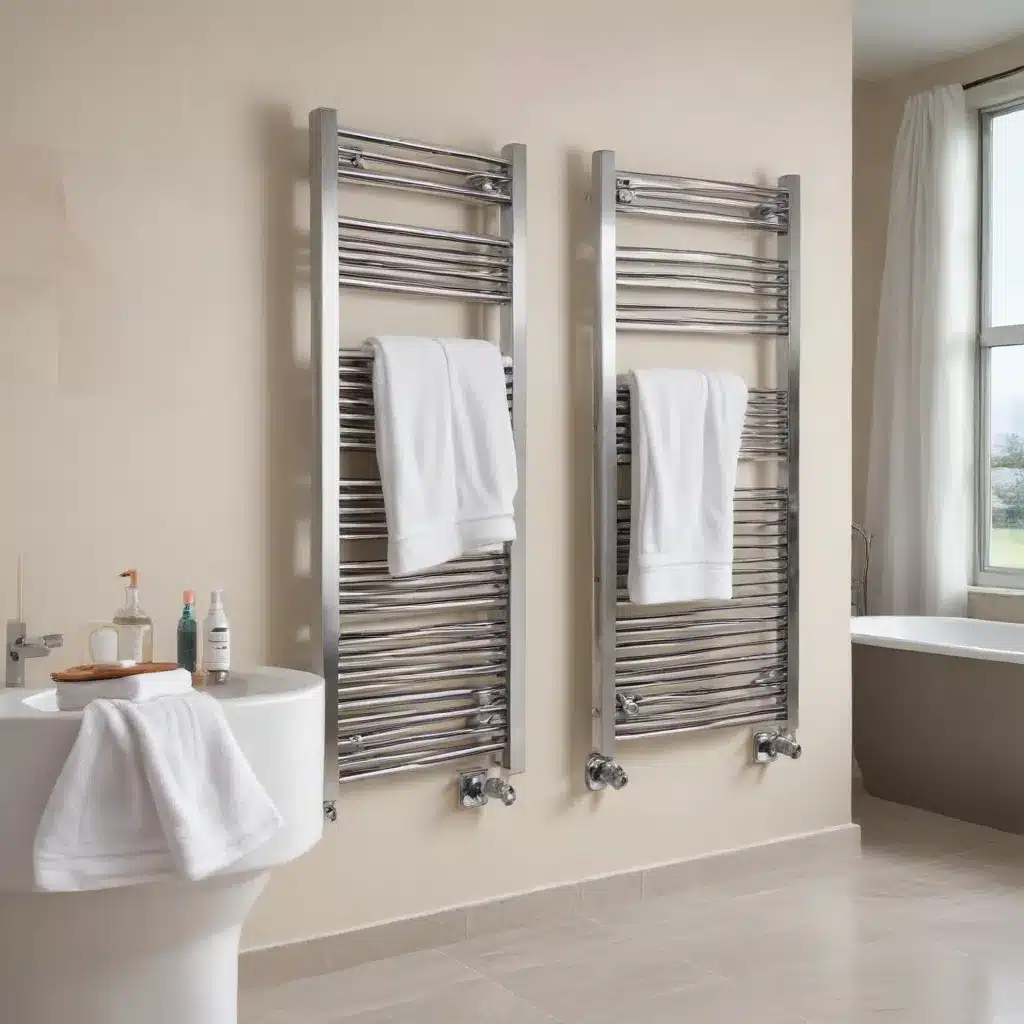
Wall-mounted models are perhaps the most common type I install. They’re excellent space-savers, making them ideal for smaller bathrooms or en-suites. These units typically feature horizontal bars where towels can be hung to warm. Some of the more advanced models I’ve seen come with additional features like built-in timers and temperature controls.
One of the challenges with wall-mounted warmers is ensuring proper installation. It’s crucial to secure them correctly to support the weight of wet towels and withstand frequent use. I always recommend professional installation to ensure safety and optimal performance.
Freestanding Towel Warmers
For clients who prefer flexibility or are renting their homes, freestanding towel warmers are an excellent choice. These units don’t require permanent installation and can be moved around as needed. They’re particularly useful in larger bathrooms where wall space might be limited.
In my experience, freestanding models tend to have a larger capacity, allowing for multiple towels to be warmed simultaneously. This makes them a popular choice for family bathrooms or those shared by multiple people.
Cabinet-Style Towel Warmers
Cabinet-style warmers are a relatively new addition to the market, but they’re quickly gaining popularity. These units resemble small cupboards and can warm multiple towels at once. What I love about these is their ability to keep towels completely enclosed, which helps retain heat and can lead to more evenly warmed towels.
The downside is that they do take up more floor space than other options. However, for clients who prioritize performance and capacity over space-saving, cabinet-style warmers can be an excellent choice.
Key Features to Consider When Choosing a Towel Warmer
When advising clients on selecting a towel warmer, I always emphasize the importance of considering several key features:
Heating Technology
Towel warmers typically use one of two heating methods: hydronic or electric. Hydronic systems connect to your home’s hot water supply, while electric models plug into an outlet or are hardwired into your electrical system.
In my experience, electric models are generally easier to install and provide more consistent heat. However, hydronic systems can be more energy-efficient in the long run, especially if integrated with an existing radiant heating system.
Material and Finish
The material of your towel warmer not only affects its appearance but also its performance and durability. Stainless steel is a popular choice due to its corrosion resistance and sleek look. However, I’ve also worked with models made from brass, aluminum, and even glass.
The finish of the warmer can significantly impact its visual appeal. Chrome and brushed nickel are classic choices that blend well with most bathroom designs. For more contemporary spaces, I’ve seen stunning installations using matte black or even gold-plated finishes.
Size and Capacity
The size of your towel warmer should be proportional to your bathroom and the number of towels you plan to warm. In smaller spaces, a compact wall-mounted unit might be sufficient. For larger bathrooms or those used by multiple people, a bigger freestanding model or cabinet-style warmer might be more appropriate.
It’s also worth considering the width between the bars on rack-style warmers. Wider spaces between bars allow for easier hanging and drying of larger towels or bathrobes.
Installation Considerations for Towel Warmers
Installing a towel warmer isn’t a task to be taken lightly. While some homeowners might be tempted to tackle it as a DIY project, I strongly advise professional installation, especially for hardwired models. Here’s why:
Electrical Safety
For electric towel warmers, proper installation is crucial for safety. These devices operate in a wet environment, so ensuring they’re correctly grounded and all connections are watertight is paramount. A professional installer will know how to route wiring safely and make proper connections to avoid any risk of electric shock.
Proper Mounting
Whether wall-mounted or freestanding, towel warmers need to be securely installed to bear the weight of wet towels. This often involves locating studs in the wall or using appropriate anchors. A professional will have the tools and knowledge to ensure your warmer is mounted safely and securely.
Integration with Existing Systems
For hydronic towel warmers, integration with your home’s plumbing system requires expertise. Improper installation can lead to leaks or inefficient heating. A professional plumber or heating specialist can ensure your towel warmer is correctly connected and functioning optimally.
Energy Efficiency and Running Costs
One question I often get from clients is about the energy consumption of towel warmers. It’s a valid concern, given the increasing focus on energy efficiency in home design. The good news is that modern towel warmers are generally quite efficient, especially when used thoughtfully.
Timer Functions
Many of the models I install come with built-in timers. This feature allows you to set the warmer to turn on just before you need it, rather than running continuously. For example, you might set it to turn on 30 minutes before your morning shower and turn off automatically an hour later.
Thermostat Controls
Higher-end models often include thermostat controls, allowing you to set a specific temperature. This not only ensures your towels are warmed to your preference but also prevents unnecessary energy use by maintaining a consistent temperature rather than continuously heating.
Insulation
The quality of insulation in your towel warmer can significantly impact its efficiency. Well-insulated models retain heat better, meaning they use less energy to maintain temperature. When selecting a towel warmer, I always recommend looking for models with good insulation properties.
Maintenance and Care for Towel Warmers
To ensure your towel warmer continues to function efficiently and looks great for years to come, proper maintenance is key. Here are some tips I share with my clients:
Regular Cleaning
Like any bathroom fixture, towel warmers can accumulate soap scum, dust, and mineral deposits over time. Regular cleaning with a soft cloth and mild detergent is usually sufficient. For stubborn stains or mineral buildup, a mixture of equal parts water and white vinegar can be effective.
Checking Connections
For both electric and hydronic models, it’s important to periodically check all connections. Look for any signs of leaks in hydronic systems or loose wiring in electric models. If you notice any issues, it’s best to call in a professional for a thorough inspection.
Avoiding Overloading
While it might be tempting to hang multiple heavy, wet towels on your warmer, this can strain the unit and potentially damage it over time. I always advise clients to follow the manufacturer’s guidelines for weight capacity and number of towels.
Integrating Towel Warmers into Your Bathroom Design
A towel warmer isn’t just a functional item; it can also be a stylish addition to your bathroom decor. Here are some design considerations I often discuss with clients:
Matching Fixtures
When selecting a towel warmer, consider how it will complement your existing bathroom fixtures. If you have chrome faucets and shower heads, a chrome towel warmer can create a cohesive look. Alternatively, contrasting finishes can create an interesting visual element.
Space Planning
The placement of your towel warmer can significantly impact both its functionality and the overall flow of your bathroom. I often recommend placing it near the shower or bathtub for easy access. However, it’s also important to consider the layout of other fixtures and ensure there’s enough clearance for comfortable movement around the room.
Dual-Purpose Design
Some towel warmers can serve a dual purpose as both a towel warmer and a radiator for the room. This can be an excellent space-saving solution, especially in smaller bathrooms. These models often have a larger surface area and higher heat output to effectively warm the entire room.
The Future of Towel Warming Technology
As with many aspects of home technology, towel warmers are evolving. Some exciting developments I’ve seen in recent years include:
Smart Home Integration
Many newer models can be controlled via smartphone apps or integrated into smart home systems. This allows for remote control and scheduling, adding an extra layer of convenience.
Energy-Efficient Designs
Manufacturers are continually working on improving the energy efficiency of towel warmers. Some models now use low-wattage heating elements or incorporate heat-reflective materials to maximize warming while minimizing energy consumption.
Multi-Functional Units
I’ve seen some innovative designs that combine towel warming with other functions, such as built-in storage, mirrors, or even lighting. These multi-functional units can be great space-savers in smaller bathrooms.
Conclusion: The Value of a Well-Chosen Towel Warmer
In my years of experience in bathroom renovations, I’ve seen how a well-chosen towel warmer can elevate the entire bathroom experience. It’s not just about the luxury of a warm towel; it’s about creating a space that feels thoughtfully designed and comforting.
When considering a towel warmer for your bathroom renovation, remember to think about your specific needs and the unique characteristics of your space. Consider factors like size, heating method, design, and energy efficiency. And most importantly, don’t hesitate to consult with a professional for advice on selection and installation.
A quality towel warmer, properly installed and maintained, can provide years of comfort and functionality. It’s an investment in your daily routine and your home’s value. As bathrooms continue to evolve from purely functional spaces to personal retreats, features like towel warmers are becoming increasingly important.
For more information on bathroom renovations and fittings, including towel warmers, you can visit ABC Home’s bathroom fitting page. They offer a wealth of information and expertise to help you make informed decisions about your bathroom renovation projects.
Remember, the key to a successful bathroom renovation is in the details. A towel warmer might seem like a small addition, but it’s these thoughtful touches that can transform an ordinary bathroom into a truly exceptional space. Happy renovating!


