
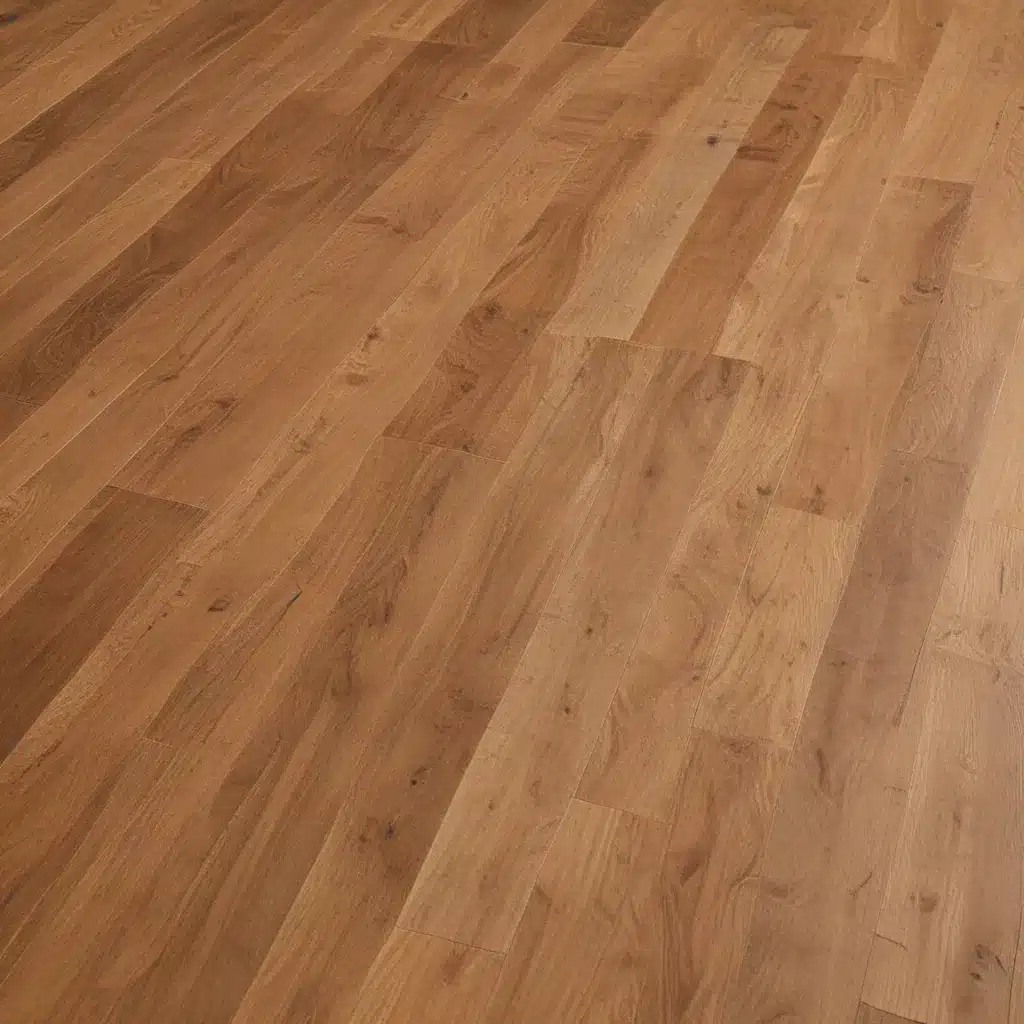
Ah, the joys of owning a lovely wood-floored home in Aberdeen, UK. The warm, inviting ambiance, the rich texture underfoot – it’s enough to make any homeowner swoon. But alas, with the ever-changing British weather, our beloved wood floors can face a unique challenge: the dreaded humidity spike.
Understanding the Humidity Dilemma
As a proud homeowner myself, I’ve had my fair share of experiences with humidity and its impact on wood floors. It’s a delicate dance, really. Too much moisture in the air can cause our floors to swell, buckle, or even develop unsightly gaps. And let’s not forget the potential for mold and mildew growth – yuck!
But fear not, my fellow wood floor enthusiasts. With a bit of knowledge and some proactive measures, we can keep our floors looking their best, even when the humidity levels start to rise.
Maintaining Ideal Humidity Levels
According to the experts over at Creative Floors Vail, the optimal humidity range for wood floors is between 35-55%. Anything outside of that sweet spot can spell trouble.
Now, I know what you’re thinking – how on earth do we keep our homes within that narrow range, especially during the wet and wild Aberdeen summers? Well, my friends, it’s all about balance.
Utilizing Dehumidifiers and Air Conditioning
One of the most effective ways to control humidity is by employing the trusty dehumidifier. These handy appliances can suck the excess moisture right out of the air, keeping your floors happy and healthy. Just be sure to place them strategically throughout your home, focusing on areas that tend to be more humid, like the kitchen or bathroom.
And don’t forget about air conditioning! As HVAC-Talk points out, a well-functioning AC system can also work wonders in regulating indoor humidity levels. It’s a one-two punch that’ll have your wood floors feeling like they’re living their best life.
Monitoring Moisture Content
But it’s not just about controlling the ambient humidity – we also need to keep an eye on the actual moisture content in our wood floors. According to Wagner Meters, the ideal range is between 6-9%. Anything above that, and we’re looking at potential trouble.
That’s where a reliable moisture meter comes in handy. With a quick scan, we can identify problem areas and take action before the damage becomes too severe. It’s like a crystal ball for our floors, allowing us to see into the future and prevent any unwanted surprises.
Acclimating New Wood Floors
Now, let’s say you’ve recently installed new wood floors in your home. Congratulations! But hold on, there’s a crucial step you can’t skip: acclimation. As Real Wood Floors explains, new wood needs time to adjust to the local climate and humidity levels before it can be properly installed.
By allowing your floors to acclimate for a week or two, you’re setting them up for long-term success. It’s like giving them a chance to stretch their legs and get comfortable in their new surroundings. Trust me, your floors will thank you for it, and you’ll be rewarded with a beautifully stable and durable surface.
Seasonal Adjustments
But the journey doesn’t end there, my friends. As the seasons change, so too must our approach to maintaining our wood floors. What works in the summer may not be as effective in the winter, and vice versa.
According to the Flooring Forum, during the drier winter months, we may need to introduce a bit of moisture back into the air to prevent our floors from shrinking and cracking. A simple humidifier can do the trick, keeping those boards supple and happy.
Conversely, when the humidity spikes in the summer, we’ll need to be extra vigilant in managing that excess moisture. Dehumidifiers and strategic air conditioning will be our best allies, ensuring our floors remain stable and free from any unsightly distortions.
Conclusion
Maintaining wood floors in the face of fluctuating humidity levels may seem like a daunting task, but with the right knowledge and a proactive approach, it can be a breeze. By keeping a close eye on moisture content, utilizing the proper climate control equipment, and adapting our methods to the changing seasons, we can ensure our beloved wood floors remain in tip-top shape, year-round.
So, fellow wood floor enthusiasts, let’s embrace the challenge and take pride in our ability to preserve the beauty and integrity of our homes. After all, a well-maintained wood floor is the foundation for a truly cozy and inviting living space – and that’s something worth celebrating, no matter the humidity levels.
Now, if you’ll excuse me, I’m off to check the moisture content in my own floors. Cheers to the joys of homeownership and the endless pursuit of the perfect wood floor!


