
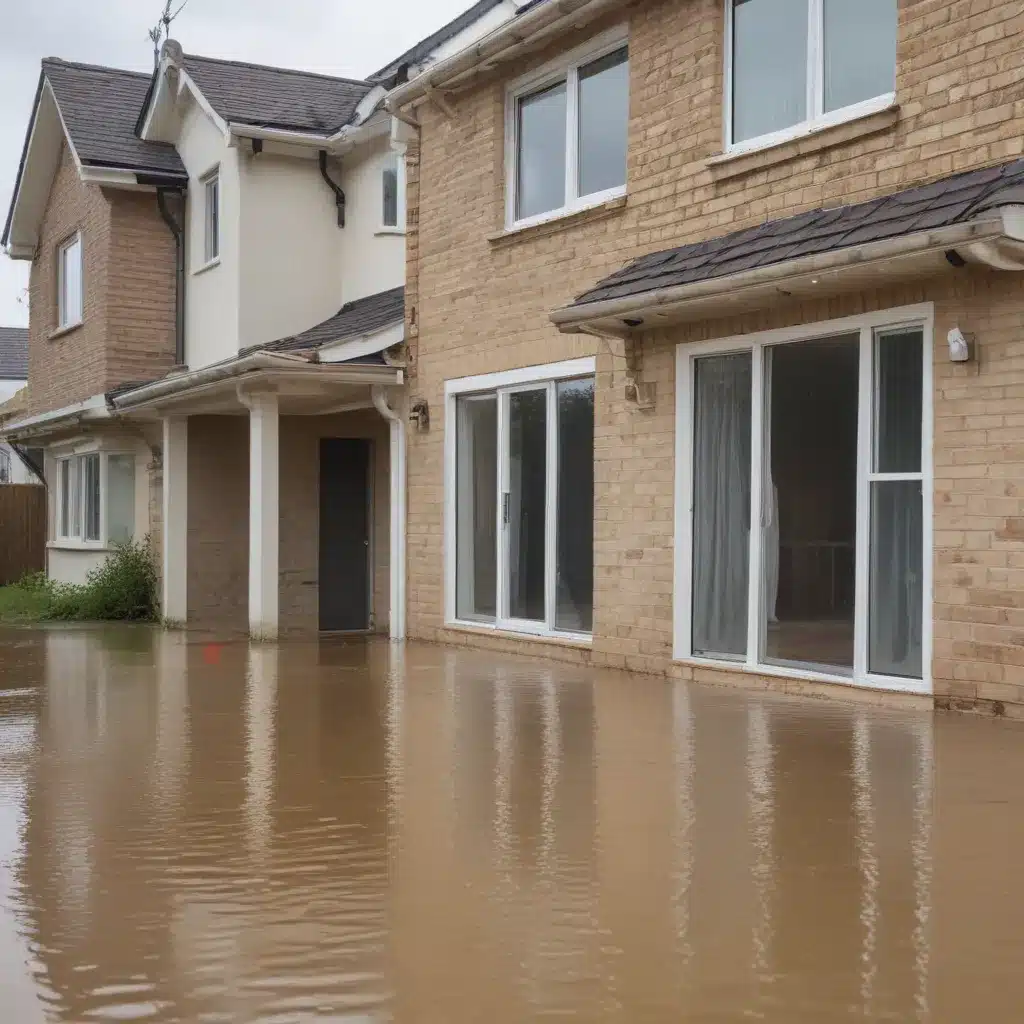
Facing the Flood: A Homeowner’s Dilemma
As a homeowner in Aberdeen, UK, the threat of flooding has always been a pressing concern. The unpredictable weather patterns and the proximity to the River Dee have left many of us feeling vulnerable, constantly on edge, and uncertain about the safety of our most valuable asset – our homes. But fear not, my fellow Aberdonians! I’ve weathered many a storm, and I’m here to share with you the secrets to making your home flood-resistant with simple, cost-effective adaptations.
You see, when the rain starts to pour and the river threatens to overflow its banks, it’s easy to feel powerless. The thought of water seeping into our living rooms, ruining our possessions, and leaving us to pick up the pieces can be downright terrifying. But what if I told you that there are practical steps we can take to safeguard our homes and minimize the impact of these natural disasters?
Understand the Flood Risk: Assess Your Property’s Vulnerability
The first step in making your home flood-resistant is to understand the level of risk your property faces. Take a look at the flood maps provided by the Scottish Environment Protection Agency (SEPA). These comprehensive resources will give you a clear idea of the flood zones in your area and the potential severity of any flooding events.
Once you’ve assessed the risk, it’s time to take a closer look at your home’s specific vulnerabilities. Where are the potential entry points for floodwaters? Are your windows and doors properly sealed? Are your electrical sockets and utilities located at a safe height? By conducting a thorough inspection, you’ll be able to identify the areas that need the most attention.
Implement Flood-Resistant Adaptations
Now, let’s dive into the heart of the matter – the adaptations that can transform your home into a fortress against the rising tides. These measures may seem daunting at first, but trust me, they’re well worth the investment.
Elevate Critical Components
One of the most effective strategies is to elevate critical components of your home, such as electrical panels, heating systems, and water heaters. By placing these essential elements at a higher level, you can ensure that they remain operational even when the floodwaters come knocking. This simple adaptation can mean the difference between a minor inconvenience and a major disaster.
Reinforce Doors and Windows
Next up, let’s talk about your home’s entry points. Doors and windows are the weakest links in your flood-resistance chain, and they require special attention. Consider installing flood barriers, such as removable flood gates or waterproof panels, to create an impenetrable barrier against the encroaching waters. And don’t forget to seal any cracks or gaps around these openings to prevent any unwanted guests from slipping in.
Implement Drainage Solutions
Now, let’s address the issue of water accumulation. Proper drainage is crucial in the fight against flooding. Install high-capacity pumps, strategically placed drains, and sump systems to actively remove any water that manages to find its way into your home. By keeping the water moving in the right direction, you can significantly reduce the risk of damage and ensure a quick recovery.
Embrace Flood-Resistant Building Materials
When it comes to the materials used in your home, think long-term. Swap out vulnerable materials like drywall and carpeting for more flood-resistant alternatives, such as concrete, tile, or waterproof flooring. These sturdy options can withstand the ravages of floodwaters and make the cleanup process a breeze.
Protect Your Valuables
Finally, let’s not forget about the irreplaceable items that make our homes truly special. Consider elevating or relocating valuable possessions, such as family heirlooms, important documents, and cherished mementos, to a safer location. This simple step can give you peace of mind and ensure that your most precious belongings remain unharmed.
Weathering the Storm: Real-Life Success Stories
Now, you might be thinking, “Wow, this all sounds great, but can it really work?” Well, let me tell you, I’ve seen it with my own eyes.
Take the case of my neighbor, Sarah. Her home was right in the heart of a known flood zone, and she was constantly on edge every time the rain started to fall. But after implementing a comprehensive flood-resistance plan, including elevated electrical systems, waterproof flooring, and strategically placed drainage solutions, Sarah’s home emerged unscathed from the last major flooding event. As she put it, “I used to dread the rain, but now I feel like I’ve got a fortress that can withstand anything Mother Nature throws at us.”
And then there’s the story of my good friend, James, who runs a local construction company. When he decided to renovate his own home, flood-resistance was at the top of his priority list. By incorporating flood-resistant materials, reinforcing the doors and windows, and installing a state-of-the-art drainage system, James transformed his home into a shining example of what’s possible. “I used to worry about my family’s safety every time the river threatened to overflow,” he shared. “But now, I can rest easy, knowing that our home is prepared to weather any storm.”
These success stories are a testament to the power of proactive adaptations. By taking the time to understand the risks and implement the right solutions, homeowners in Aberdeen can safeguard their most valuable asset and enjoy the peace of mind that comes with it.
Putting It All Together: A Flood-Resistant Home in 5 Easy Steps
So, there you have it, my fellow Aberdonians. The key to making your home flood-resistant lies in a simple, yet comprehensive, five-step approach:
- Assess the Risk: Understand the flood zones in your area and identify the specific vulnerabilities of your property.
- Elevate Critical Components: Raise essential systems like electrical panels and heating units to a safer height.
- Reinforce Doors and Windows: Install flood barriers and seal any cracks or gaps to prevent water intrusion.
- Implement Drainage Solutions: Invest in high-capacity pumps, strategically placed drains, and sump systems to actively remove floodwaters.
- Embrace Flood-Resistant Materials: Swap out vulnerable materials for sturdy, waterproof alternatives that can withstand the elements.
By following these steps, you’ll be well on your way to transforming your home into a fortress that can weather even the fiercest storms. And as an added bonus, these adaptations can also increase the value of your property, making it a wise investment in the long run.
So, what are you waiting for, Aberdonians? Let’s take control of our flood-prone future and make our homes the envy of the neighborhood. Head over to ABC Home to get started on your flood-resistance journey today!


