
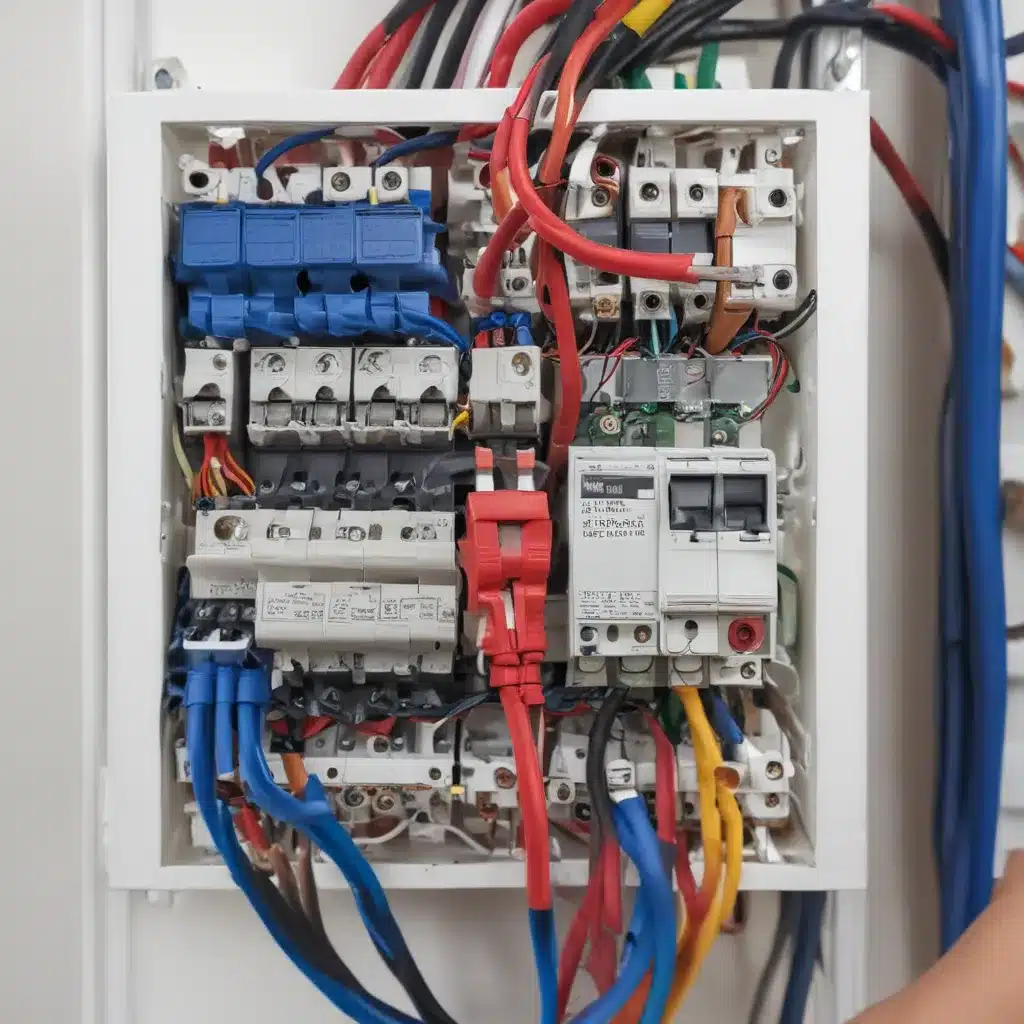
The Dreaded Fusebox Fiasco: A Tale of Tripped Circuits and Blown Fuses
Have you ever experienced that sinking feeling when the lights go out, the TV blinks off, and your phone charger stops working – only to discover that the trusty old fusebox has tripped yet again? It’s a scenario all too familiar to many homeowners, and one that can quickly put a damper on your day (not to mention your plans to binge-watch the latest must-see show).
As someone who has lived through my fair share of fusebox-related disasters, I can attest that this is a problem that plagues countless homes, especially those undergoing renovations or upgrades. You see, when we start adding new electrical appliances, gadgets, and fixtures to our living spaces, we often forget to consider the capacity of our existing electrical infrastructure. And let me tell you, that’s a mistake that can lead to some serious headaches down the line.
So, if you’re in the midst of a home renovation or are planning to add some shiny new tech to your abode, I’m here to offer a bit of advice. Let’s dive into the world of electrical systems, fuses, and how to ensure your new electrics won’t overload your fusebox. Trust me, it’s a rabbit hole worth exploring – and one that could save you a lot of time, money, and frustration in the long run.
Unpacking the Mysteries of the Fusebox
Ah, the fusebox – that mysterious little box on the wall that holds the key to our electrical well-being. It’s the unsung hero of our homes, silently protecting us from the perils of electrical overload. But how much do we really know about these often-overlooked components?
To start, let’s break down the basic function of a fusebox. Its primary job is to distribute electricity throughout your home, while also acting as a safeguard against electrical surges and overloads. When too much current flows through a circuit, the corresponding fuse or circuit breaker will trip, effectively cutting off the power supply to that area. This prevents the wiring from overheating and potentially starting a fire.
Now, the tricky part is understanding the capacity of your fusebox. Different homes have different electrical needs, which means the size and configuration of the fusebox can vary quite a bit. Older homes, for example, may have fuse-based systems with a lower overall capacity, while newer constructions often feature more robust circuit breaker panels.
The key to avoiding fusebox overloads is to know the maximum capacity of your electrical system and to carefully monitor the demands you place on it. This means being mindful of the wattage requirements of your appliances, gadgets, and lighting fixtures – and making sure you’re not pushing your fusebox to its limits.
Identifying the Danger Signs: When Your Fusebox is Stressed
So, how can you tell if your fusebox is starting to feel the strain? Well, there are a few telltale signs to watch out for:
-
Frequent Tripping or Blowing of Fuses: If you find yourself constantly resetting circuit breakers or replacing fuses, it’s a clear indication that your electrical system is being overloaded. This can happen when you add new high-wattage appliances or devices without properly accounting for their power draw.
-
Flickering or Dimming Lights: When your fusebox is pushed to its limits, you may start to notice your lights flickering or dimming, even when no other appliances are in use. This is a sign that the electrical current is being stretched too thin.
-
Warm or Hot Fuses/Breakers: If you touch your fusebox and feel that the fuses or circuit breakers are unusually warm or hot to the touch, it’s a red flag that something is amiss. This could mean that the electrical components are working overtime to maintain the flow of power.
-
Burning Odor: In the most serious cases, an overloaded fusebox may start to emit a burning or acrid smell, which could signal that the wiring or components are in danger of overheating. This is an immediate fire hazard and should be addressed by a professional electrician without delay.
If you’re experiencing any of these issues, it’s crucial to take action before the situation escalates. Ignoring the warning signs can lead to costly repairs, or – even worse – a devastating electrical fire. Remember, your fusebox is the gatekeeper of your home’s electrical safety, and it deserves your utmost attention.
Renovating Responsibly: Upgrading Your Electrical System
Now, let’s say you’re in the midst of a home renovation or are planning to add some major new electrical components, like a hot tub, a high-powered home theater system, or a Tesla charging station. In these cases, it’s essential to take a proactive approach to your electrical infrastructure.
The first step is to have a qualified electrician assess the current capacity of your fusebox and electrical system. They’ll be able to provide you with the information you need to determine whether your existing setup can handle the additional load, or if an upgrade is necessary.
If an upgrade is required, your electrician will work with you to find the right solution. This might involve installing a larger fusebox or circuit breaker panel, upgrading the main electrical service, or adding dedicated circuits for your new high-wattage items. It’s a bit like upgrading the engine in your car to handle that sweet new turbocharger – you’ve gotta make sure the foundation can support the horsepower.
One thing to keep in mind is that electrical work can be complex and should always be handled by a licensed professional. Trying to DIY your way through a major electrical overhaul is a recipe for disaster (trust me, I’ve seen the aftermath, and it ain’t pretty). So, be sure to work closely with your electrician and follow their guidance every step of the way.
Striking the Right Balance: Avoiding Electrical Overkill
Of course, the flip side of the coin is that you don’t want to go overboard with your electrical upgrades, either. It’s easy to get carried away when you’re in the midst of a renovation, but it’s important to strike a careful balance between meeting your current and future needs without over-investing in unnecessary capacity.
For example, let’s say you’re planning to add a few new bedrooms to your home. It might be tempting to install a larger fusebox right off the bat, just in case you decide to add a bunch of high-powered gadgets and devices down the line. But the truth is, you might not actually need that much extra capacity – and you could end up spending a lot of money on something you may never fully utilize.
The key is to work closely with your electrician to determine the optimal balance of current and future needs. They’ll be able to help you identify the right size fusebox or circuit breaker panel, as well as advise on the appropriate number and configuration of circuits to meet your specific requirements.
Remember, when it comes to electrical systems, it’s all about finding that sweet spot between overloading and over-engineering. With the right guidance and a thoughtful approach, you can ensure your new electrics won’t send your fusebox into meltdown mode – and save yourself a whole lot of headache and heartache in the process.
Putting It All Together: A Case Study in Electrical Renovation
Now, let’s take a look at a real-life example of how careful electrical planning and upgrades can make all the difference. Meet Sarah, a homeowner in Aberdeen who recently embarked on a major home renovation project.
Sarah’s house was built in the 1970s, and its original electrical system was starting to show its age. When she decided to add a new kitchen, home office, and a basement-level home gym, she knew she had to address the fusebox situation before things got out of hand.
“I remember the first time the fusebox tripped when I was running the dishwasher and the clothes dryer at the same time,” Sarah recalls. “It was like a scene straight out of a comedy skit – the lights went out, the appliances shut off, and I was left standing there in the dark, wondering what the heck just happened.”
Determined to avoid such fusebox fiascos in the future, Sarah called in a trusted local electrician to assess the situation. After a thorough inspection, the electrician delivered some sobering news: Sarah’s existing fusebox simply wasn’t going to cut it, and an upgrade was necessary to handle the additional electrical demands of the renovation.
“The electrician explained that my old fuse-based system was just too small and outdated to support all the new appliances, lighting, and equipment I was planning to install,” Sarah says. “He recommended upgrading to a larger circuit breaker panel with more capacity and a higher degree of safety features.”
Sarah took the electrician’s advice and gave the green light to the electrical overhaul. Over the course of a few days, the team worked diligently to remove the old fusebox, upgrade the main electrical service, and install a state-of-the-art circuit breaker panel. They also added dedicated circuits for the new kitchen, home office, and gym, ensuring each area had the power it needed without overloading the system.
“I have to admit, I was a bit nervous about the cost of the upgrade,” Sarah confesses. “But in the end, it was 100% worth it. Since the new electrical system was installed, I haven’t had a single issue with tripped breakers or blown fuses – even when I’m running multiple high-powered appliances and devices at the same time.”
Sarah’s story is a testament to the importance of proactive electrical planning, especially when it comes to major home renovations. By taking the time to assess her needs, work with a qualified professional, and make the necessary upgrades, she was able to avoid the dreaded fusebox fiasco and enjoy the smooth, worry-free operation of her newly renovated home.
Conclusion: Empowering Your Home with Reliable Electrics
At the end of the day, the health of your home’s electrical system is a critical factor in ensuring the safety, comfort, and functionality of your living space. Whether you’re embarking on a full-scale renovation or simply adding a few new gadgets and appliances, it’s essential to keep a close eye on your fusebox and electrical infrastructure.
By understanding the warning signs of an overloaded system, working with experienced electricians, and making strategic upgrades, you can rest assured that your new electrics won’t send your fusebox into a tailspin. And who knows, you might even unlock a whole new world of electrical possibilities, like that state-of-the-art smart home setup you’ve been dreaming of.
So, the next time you feel the urge to add that fancy new induction cooktop or plug in that massive home entertainment system, take a moment to consider the capacity of your electrical system. With a little foresight and a proactive approach, you can ensure your home’s electrics are up to the task – and avoid those dreaded fusebox fiascos for good.
If you’re in the Aberdeen area and are in need of expert electrical services to support your home renovation or upgrade, I’d be more than happy to connect you with our skilled team at ABC Home. We’ve got the know-how and the tools to help you take on any electrical challenge, big or small. So, what are you waiting for? Let’s get your home’s electrics in tip-top shape and make sure your fusebox is ready to handle whatever you throw at it!


