
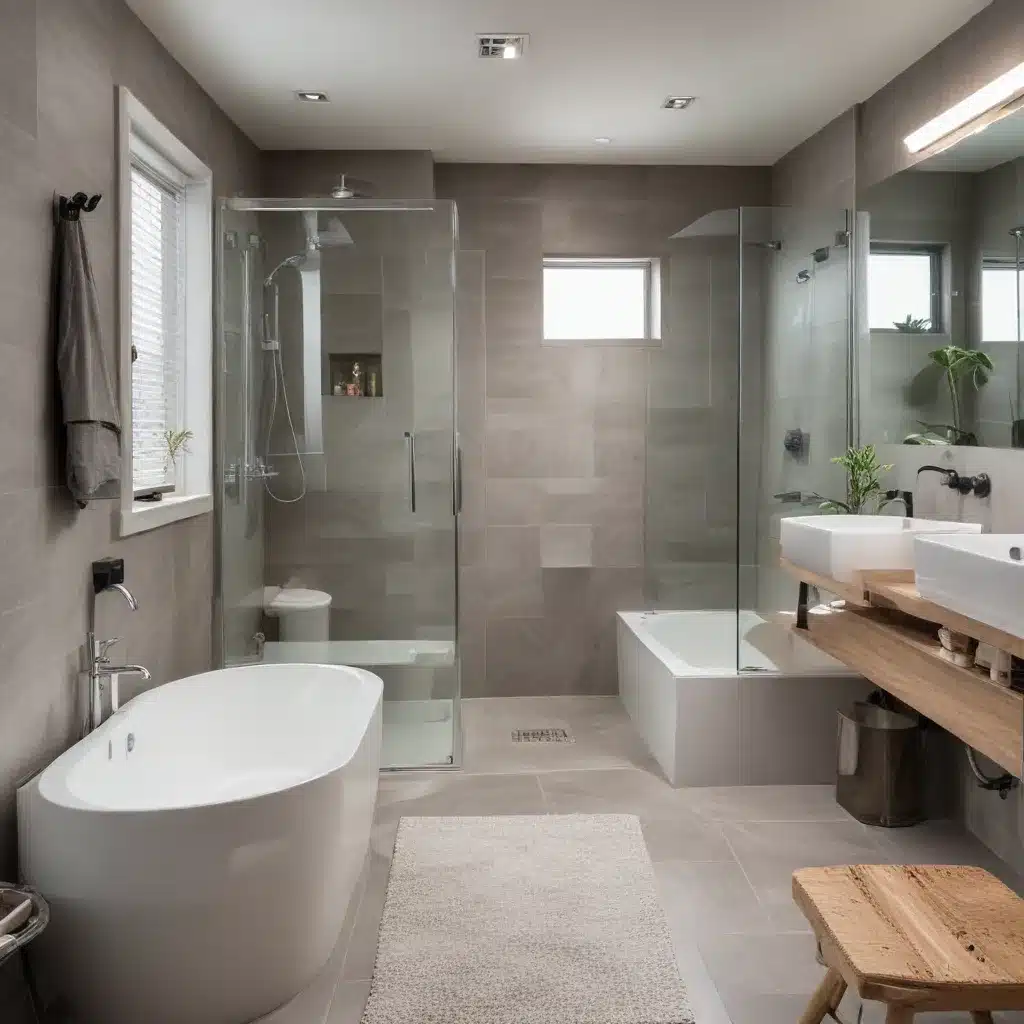
Navigating Regulatory Compliance for Bathroom Renovations in the UK
When it comes to bathroom renovations in the UK, adhering to the latest building regulations is of utmost importance. The British government has established a comprehensive set of standards and guidelines to ensure the safety, accessibility, and energy efficiency of all residential construction projects. As a homeowner or contractor, it’s crucial to understand these regulations and incorporate them into your renovation plans from the outset.
One of the key considerations for bathroom layouts is the requirement for adequate ventilation and moisture control. The Building Regulations Approved Document F stipulates that all bathrooms must have a means of mechanical extraction, either through a dedicated fan or an openable window. This not only prevents the buildup of damp and mold but also contributes to the overall indoor air quality. Failure to comply with these ventilation requirements can result in costly remediation and potential health hazards for the occupants.
Additionally, the Approved Document M of the Building Regulations outlines accessibility standards for bathrooms. This includes provisions for wheelchair-accessible designs, grab bars, and sufficient turning space for individuals with mobility challenges. By addressing these accessibility requirements during the planning stage, you can create a bathroom that is inclusive and accommodates the diverse needs of your household.
Maximizing Function in Oddly-Shaped Bathroom Layouts
Navigating the complexities of bathroom design can be particularly challenging when dealing with irregularly shaped spaces. However, with a carefully considered approach and the right strategies, it is possible to maximize the functionality and efficiency of even the most unconventionally laid out bathrooms.
Optimizing Storage and Circulation
One of the primary concerns in an oddly-shaped bathroom is optimizing storage and circulation. Start by carefully assessing the available floor space and identifying any underutilized areas. Consider incorporating custom-built cabinetry or shelving that can be tailored to fit the unique contours of the room. This not only maximizes storage but also helps to create a cohesive and visually appealing design.
When it comes to circulation, prioritize clear pathways and ensure that the layout allows for comfortable and intuitive movement. Strategically placed fixtures, such as the toilet and vanity, can help to define the flow of the space and minimize any awkward or cramped areas.
Leveraging Natural and Artificial Lighting
Proper lighting is essential in any bathroom, but it becomes even more crucial in an oddly-shaped layout. Utilize a combination of natural and artificial lighting to create a well-lit and visually appealing space.
Take advantage of any existing windows or skylights to maximize natural illumination. Strategically placed mirrors can help to reflect and amplify the available natural light, creating a brighter and more open feel.
To complement the natural lighting, incorporate a mix of task-oriented and ambient artificial lighting. Wall-mounted sconces, recessed ceiling lights, and pendant fixtures can all contribute to a balanced and well-lit bathroom. Pay close attention to the placement and adjustability of these lighting elements to ensure they effectively address any dark corners or shadowy areas.
Incorporating Efficient and Ergonomic Fixtures
The selection and placement of bathroom fixtures can significantly impact the overall functionality and user experience. In an oddly-shaped layout, it’s crucial to choose fixtures that not only fit the available space but also prioritize ergonomics and efficiency.
Consider compact or wall-mounted vanities, toilets, and bathtubs that can be tailored to the unique dimensions of the room. Opt for fixtures with adjustable features, such as pivoting showerheads or height-adjustable sinks, to accommodate the varying needs of the household.
Additionally, pay attention to the spatial requirements of each fixture to ensure that they work in harmony with the overall layout. Carefully measure and plan the placement of these elements to maximize the available space and create a seamless, user-friendly bathroom experience.
Balancing Cost-Effective Solutions with Regulatory Compliance
Renovating a bathroom, particularly one with an unconventional layout, can be a significant investment. However, it’s essential to balance cost-effective solutions with the necessary compliance measures outlined in the UK building regulations.
Prioritizing Cost-Effective Materials and Techniques
When it comes to materials, opt for durable and cost-effective options that still meet the required standards. For example, consider high-quality laminate or engineered wood flooring instead of more expensive natural stone tiles. Similarly, explore alternative wall finishes, such as moisture-resistant drywall or tile-effect panels, that can provide a polished look without breaking the budget.
In terms of installation techniques, explore opportunities to reduce labor costs without compromising the quality or safety of the work. This may involve embracing DIY-friendly solutions, such as pre-fabricated shower enclosures or modular vanity units, or collaborating with experienced tradespeople who can offer competitive pricing.
Leveraging Energy-Efficient Technologies
While the initial investment in energy-efficient technologies may be higher, the long-term cost savings and environmental benefits can make them a worthwhile consideration. Explore options such as water-saving toilets, low-flow showerheads, and LED lighting, all of which can contribute to reduced utility bills and a more sustainable bathroom.
Additionally, incorporating smart home technologies, such as automated climate control or leak detection systems, can provide added functionality and peace of mind, ultimately enhancing the overall value of your bathroom renovation.
Seeking Professional Guidance and Permit Approvals
Throughout the renovation process, it’s crucial to seek guidance from qualified professionals, such as architects, building inspectors, or licensed plumbers and electricians. These experts can help ensure that your design and construction plans comply with the latest UK building regulations, minimizing the risk of costly mistakes or delays.
Additionally, be sure to obtain the necessary permits and approvals from your local authority before commencing any work. This not only demonstrates your commitment to compliance but also safeguards your investment by ensuring that the renovation is carried out to the required standards.
By carefully navigating the regulatory landscape, prioritizing cost-effective solutions, and leveraging energy-efficient technologies, you can transform even the most unconventionally shaped bathroom into a functional, compliant, and cost-effective space that meets the needs of your household.
Sustainable and Accessible Bathroom Design Considerations
As sustainability and accessibility become increasingly important considerations in the UK construction industry, it’s essential to incorporate these principles into your bathroom renovation project.
Embracing Water-Efficient Fixtures and Fittings
Water conservation is a key aspect of sustainable bathroom design. Install high-efficiency toilets, showerheads, and faucets that meet the Water Efficiency Labelling Scheme (WELS) standards. These fixtures not only reduce water consumption but can also contribute to lower utility bills for your household.
Additionally, consider incorporating greywater recycling systems, which can repurpose the used water from sinks and showers for tasks like toilet flushing or landscape irrigation. This can have a significant impact on your overall water usage and carbon footprint.
Optimizing Energy Efficiency
Beyond water conservation, energy efficiency is another crucial element of sustainable bathroom design. Ensure that your lighting, heating, and ventilation systems are energy-efficient and comply with the UK’s Building Regulations Approved Documents.
Look for LED lighting fixtures, which consume significantly less energy than traditional bulbs. Incorporate smart controls, such as motion sensors or timers, to automatically regulate lighting and ventilation, reducing unnecessary energy consumption.
For heating, explore options like underfloor heating or energy-efficient towel warmers that can provide comfort without excessive energy use. Additionally, ensure that your bathroom’s insulation and air sealing meet the required standards to minimize heat loss and improve overall energy efficiency.
Prioritizing Accessibility and Inclusive Design
Accessibility is not only a regulatory requirement but also a fundamental aspect of inclusive design. When planning your bathroom renovation, consider the needs of all potential users, including individuals with physical, sensory, or cognitive disabilities.
Incorporate features like wheelchair-accessible showers, adjustable-height vanities, and easy-to-operate fixtures. Install grab bars, non-slip flooring, and clear circulation paths to enhance the overall safety and usability of the space.
By embracing sustainable and accessible design principles, you can create a bathroom that not only complies with UK building regulations but also contributes to a more inclusive, energy-efficient, and environmentally-conscious living environment.
Conclusion
Transforming an oddly-shaped bathroom into a functional and compliant space requires a carefully considered approach that balances regulatory requirements, cost-effective solutions, and sustainable design principles. By understanding the UK’s building regulations, optimizing storage and circulation, leveraging lighting, and selecting efficient fixtures, you can create a bathroom that meets the needs of your household while adhering to the latest industry standards.
Throughout the renovation process, it’s crucial to seek professional guidance, obtain necessary permits, and explore cost-effective strategies that don’t compromise on safety or quality. By incorporating sustainable features and prioritizing accessibility, you can further enhance the long-term value and user experience of your bathroom renovation project.
By following these best practices, you can unlock the full potential of your oddly-shaped bathroom, creating a space that is not only visually appealing but also fully compliant, cost-effective, and tailored to the unique needs of your home. For more information on bathroom renovations and home improvement projects in the UK, visit https://abc-home.co.uk/.


