
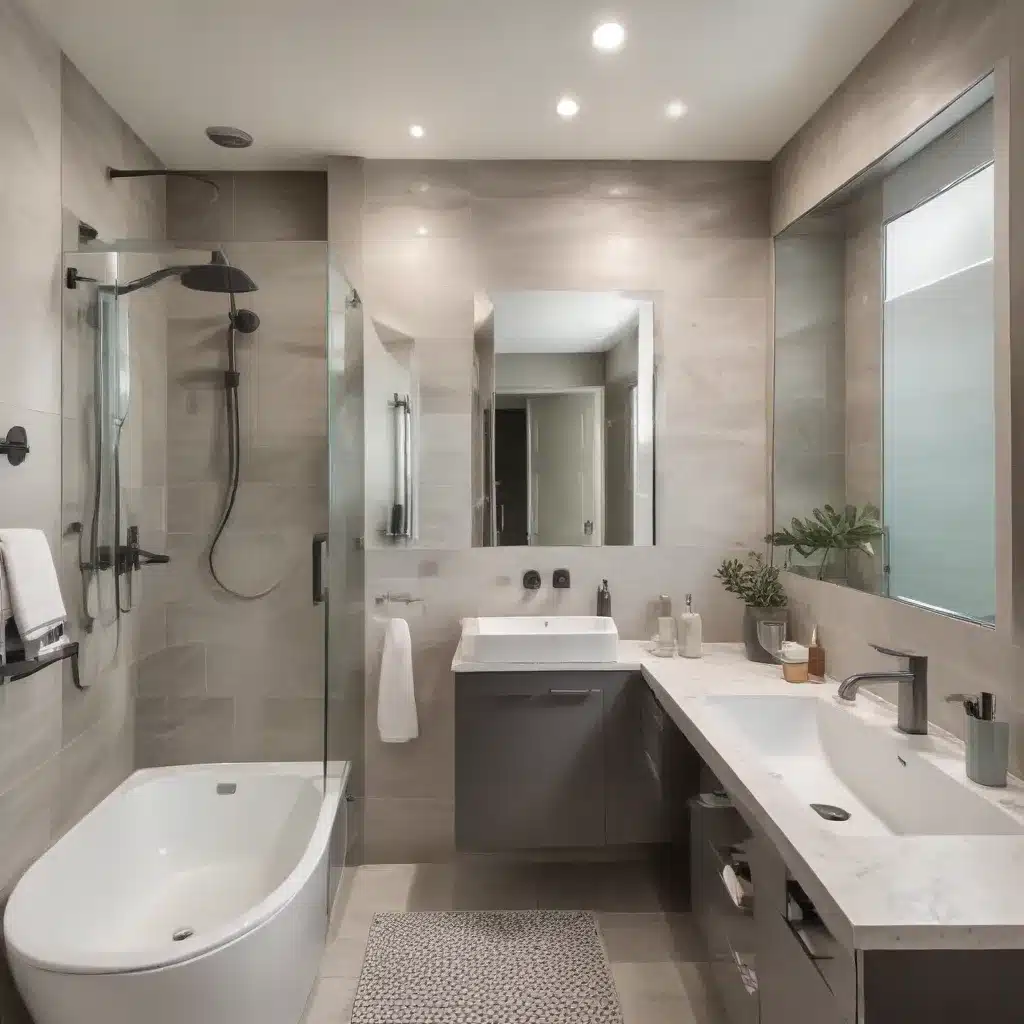
Understanding the Challenges of Irregular Bathroom Spaces
Bathrooms with unconventional layouts present unique challenges for homeowners and builders alike. These spaces, often the result of architectural constraints or older building designs, can be found in various properties across the UK, from period homes in Aberdeen to modern flats in London. The difficulties associated with awkward bathroom layouts typically stem from irregular room shapes, sloped ceilings, or inconveniently placed structural elements.
One of the primary issues faced in such bathrooms is the efficient use of available space. Every square metre becomes crucial when working with limited or oddly-shaped areas. Homeowners may struggle to fit standard fixtures and maintain adequate clearance for comfortable use. Additionally, these spaces can feel cramped and claustrophobic if not designed thoughtfully.
Another significant challenge is compliance with UK building regulations. The Building Regulations 2010, along with subsequent amendments, set out clear requirements for bathroom design, including minimum distances between fixtures, ventilation standards, and accessibility considerations. These regulations can be particularly tricky to navigate in unconventional spaces, requiring creative solutions to ensure legal compliance while maximizing functionality.
Assessing Your Space: Key Considerations
Before embarking on any renovation project, it’s essential to thoroughly assess the existing bathroom space. This evaluation should consider both the physical attributes of the room and the regulatory requirements that will impact the design.
Physical Assessment
Begin by taking accurate measurements of the entire space, including the floor area, ceiling height (noting any variations), and the position of windows, doors, and existing plumbing connections. Pay special attention to any unusual features such as alcoves, protruding walls, or sloped ceilings. These elements can often be transformed from obstacles into design opportunities with the right approach.
It’s also crucial to evaluate the current state of the bathroom. Check for any signs of water damage, mould, or structural issues that may need to be addressed during the renovation. This assessment will help in creating a realistic budget and timeline for the project.
Regulatory Compliance
Familiarize yourself with the relevant sections of the Building Regulations 2010, particularly Part G (Sanitation, hot water safety and water efficiency) and Part M (Access to and use of buildings). These regulations stipulate requirements for ventilation, water efficiency, and accessibility, among other factors.
For example, Part G mandates that all dwellings must have at least one bathroom with a wash basin and WC. If you’re planning to add a new bathroom or significantly alter an existing one, you’ll need to ensure compliance with these regulations. It’s advisable to consult with a building control body or an approved inspector early in the planning process to avoid costly mistakes.
Functional Needs Assessment
Consider how the bathroom will be used and by whom. Will it be a family bathroom, an en-suite, or a guest bathroom? This will influence decisions about storage, fixture choices, and layout. Also, think about any specific accessibility requirements that may be needed now or in the future.
By thoroughly assessing your space and understanding the regulatory landscape, you’ll be better equipped to make informed decisions about your bathroom renovation project. This groundwork is essential for creating a functional and compliant bathroom, regardless of its shape or size.
Innovative Layout Solutions for Awkward Spaces
When dealing with irregularly shaped bathrooms, creative thinking is key to maximizing functionality. Here are several innovative layout solutions that can help transform challenging spaces into efficient and aesthetically pleasing bathrooms.
Compact Fixture Selection
Choosing the right fixtures is crucial in tight spaces. Consider wall-hung toilets and sinks, which can free up valuable floor space and create a more open feel. These fixtures not only save space but also make cleaning easier, as there are fewer nooks and crannies where dust can accumulate.
For bathing options, consider a compact tub or a walk-in shower with a folding glass door. These can be excellent space-savers while still providing full functionality. In extremely tight spaces, a wet room design might be the most efficient solution, eliminating the need for a separate shower enclosure altogether.
Clever Storage Solutions
Storage is often a challenge in awkward bathroom layouts. Look for opportunities to incorporate built-in storage wherever possible. Recessed shelving in walls can provide valuable storage without encroaching on the room’s footprint. Consider using the full height of the room with tall, narrow cabinets or shelving units.
Under-sink storage can be maximized with custom-built units that work around pipework. For sloped ceilings, consider custom cabinetry that fits snugly under the eaves, making use of space that might otherwise go to waste.
Optical Illusions and Visual Tricks
Strategic use of colour, lighting, and mirrors can help create the illusion of more space in a cramped bathroom. Light colours on walls and floors can make the room feel larger and brighter. Large mirrors, particularly when placed opposite windows, can significantly enhance the sense of space and light in the room.
Consider using the same tile on the floor and walls to create a seamless look that can make the space feel larger. Alternatively, using large-format tiles can reduce the number of grout lines, creating a less cluttered appearance.
Multifunctional Elements
In very tight spaces, consider elements that can serve multiple purposes. A vanity unit with built-in storage can provide both a sink and storage space. A mirror cabinet can offer both a reflective surface and hidden storage. Even the back of the bathroom door can be utilized for storage with over-door hooks or a hanging organizer.
By implementing these innovative layout solutions, even the most challenging bathroom spaces can be transformed into functional and attractive areas. The key is to think creatively and make every centimetre count, while always keeping in mind the specific needs of the users and the requirements of UK building regulations.
Maximizing Natural Light and Ventilation
In awkwardly-shaped bathrooms, proper lighting and ventilation are crucial not only for functionality and comfort but also for compliance with UK building regulations. Here’s how to make the most of natural light and ensure adequate ventilation in challenging spaces.
Enhancing Natural Light
Maximizing natural light can significantly improve the feel of a small or irregular bathroom. If possible, consider enlarging existing windows or adding new ones. However, this must be done in compliance with building regulations, particularly regarding privacy and thermal efficiency.
For bathrooms where adding or enlarging windows isn’t feasible, consider installing a skylight or sun tube. These can bring natural light into the space without compromising privacy. Skylights are particularly effective in bathrooms with sloped ceilings, turning a potential design challenge into a feature.
When placing mirrors, position them to reflect natural light sources. This can effectively double the amount of natural light in the room. Large mirrors opposite windows are particularly effective for this purpose.
Artificial Lighting Strategies
In addition to natural light, a well-planned artificial lighting scheme is essential. Use a combination of task, ambient, and accent lighting to create a layered lighting effect. This approach not only enhances functionality but also helps to visually expand the space.
Consider LED lighting options, which are energy-efficient and can be incorporated into tight spaces. Under-cabinet lighting, for example, can provide both task lighting and a sense of depth to the room.
Ventilation Solutions
Proper ventilation is crucial in bathrooms to prevent mould growth and maintain air quality. The Building Regulations 2010 set specific requirements for bathroom ventilation. According to Part F of the regulations, bathrooms must have either a window that can be opened or a mechanical ventilation system.
For bathrooms with windows, ensure they can be easily opened and provide sufficient airflow. In windowless bathrooms or those where opening a window isn’t practical, install an extractor fan that meets the minimum extraction rate specified in the regulations (typically 15 litres per second with a 15-minute overrun).
In particularly challenging spaces, consider a combination of solutions. For instance, a small openable window combined with a humidity-controlled extractor fan can provide effective ventilation even in tight spaces.
Energy Efficiency Considerations
When improving lighting and ventilation, it’s important to consider energy efficiency. Choose energy-efficient windows and skylights with good U-values to minimize heat loss. For artificial lighting, opt for LED bulbs, which use significantly less energy than traditional incandescent or even CFL bulbs.
For ventilation, consider heat recovery ventilation systems. While more expensive initially, these systems can help maintain energy efficiency by recovering heat from the extracted air.
By focusing on maximizing natural light and ensuring proper ventilation, you can create a bathroom that feels more spacious, is more pleasant to use, and complies with UK building regulations. These improvements not only enhance the functionality of the space but can also contribute to the overall energy efficiency of your home.
Selecting Appropriate Materials and Finishes
Choosing the right materials and finishes is crucial when renovating an awkwardly-shaped bathroom. The selections you make can significantly impact the room’s appearance, functionality, and long-term durability. Here’s a guide to help you make informed decisions that comply with UK regulations and suit your specific needs.
Flooring Options
Flooring in bathrooms must be water-resistant, slip-resistant, and easy to clean. Here’s a comparison of popular options:
| Material | Pros | Cons | Approximate Cost (GBP/m²) |
|---|---|---|---|
| Ceramic Tiles | Durable, water-resistant, wide variety of styles | Can be cold underfoot, grout requires maintenance | £20 – £50 |
| Porcelain Tiles | Extremely durable, low maintenance, water-resistant | Higher cost, can be slippery when wet | £30 – £100 |
| Vinyl | Affordable, water-resistant, warm underfoot | Can be punctured or torn, shorter lifespan | £10 – £40 |
| Natural Stone | Luxurious appearance, unique patterns | Expensive, requires sealing, can be slippery | £50 – £200 |
When selecting flooring, ensure it meets the slip resistance requirements outlined in British Standard BS 7976-2:2002+A1:2013. For areas likely to get wet, choose materials with a Pendulum Test Value (PTV) of 36 or above.
Wall Coverings
Wall coverings in bathrooms need to withstand high humidity and frequent cleaning. Consider these options:
-
Tiles: Ceramic or porcelain tiles are popular choices due to their water resistance and durability. Large-format tiles can make a small space appear larger by reducing grout lines.
-
Waterproof Paint: Specially formulated bathroom paints resist moisture and mould growth. These are ideal for areas further from water sources.
-
Shower Panels: These waterproof panels can be a cost-effective alternative to tiling, especially in awkward spaces where cutting tiles might be challenging.
-
Natural Stone: While luxurious, natural stone requires regular sealing to maintain its water resistance.
Fixtures and Fittings
When selecting fixtures and fittings, consider both style and functionality:
-
Toilets: Wall-hung toilets can save space and make cleaning easier. Ensure any toilet meets the Water Supply (Water Fittings) Regulations 1999, which mandate a maximum flush volume of 6 litres for single flush systems or 4/2.6 litres for dual flush systems.
-
Sinks: Choose a size appropriate for your space. Wall-mounted or corner sinks can be good options for very small bathrooms.
-
Showers: In tight spaces, consider a walk-in shower with a glass screen rather than a full enclosure. Ensure shower fittings comply with the Water Supply (Water Fittings) Regulations 1999, which set maximum flow rates for water efficiency.
-
Taps: Look for water-efficient models with the European Water Label. These can help reduce water consumption without compromising performance.
Storage Solutions
In awkward spaces, built-in storage can make a significant difference:
-
Vanity Units: Choose a unit that fits your space and provides adequate storage. Custom-built units can make the most of irregular spaces.
-
Wall-Mounted Cabinets: These can utilize vertical space effectively, especially in rooms with high ceilings.
-
Recessed Shelving: Building shelves into wall cavities can provide storage without encroaching on floor space.
Ventilation and Lighting Fixtures
Proper ventilation and lighting are crucial for both functionality and compliance with building regulations:
-
Extractor Fans: Choose a model that meets the requirements of the Building Regulations 2010, Part F. Look for quiet operation and humidity sensors for improved efficiency.
-
Lighting: Use a combination of task and ambient lighting. LED options are energy-efficient and can be incorporated into tight spaces. Ensure any lighting in wet areas has the appropriate IP (Ingress Protection) rating as per BS 7671:2018 (18th Edition Wiring Regulations).
By carefully selecting materials and finishes that are both practical and compliant with UK regulations, you can create a bathroom that is functional, durable, and visually appealing, even in the most challenging of spaces. Remember to consider the long-term maintenance requirements of your choices to ensure your bathroom remains in good condition for years to come.
Plumbing and Electrical Considerations
When renovating an awkwardly-shaped bathroom, careful consideration of plumbing and electrical systems is crucial. These elements not only affect the functionality of your bathroom but also must comply with strict UK regulations. Here’s a comprehensive guide to navigating these technical aspects of your renovation project.
Plumbing Challenges and Solutions
Plumbing in irregular bathroom layouts can be particularly challenging. Here are some key considerations:
-
Waste Pipe Positioning: The location of existing waste pipes can significantly impact your layout options. Moving waste pipes, especially soil stacks, can be costly and may require additional permissions. Consider using a macerator pump system if you need to relocate a toilet to a position far from the main soil stack.
-
Water Pressure: Ensure your home’s water pressure is sufficient for your chosen fixtures, especially if you’re adding new elements like a power shower. If pressure is low, consider installing a pump system.
-
Hot Water Supply: If you’re adding new fixtures, assess whether your current hot water system can meet the increased demand. You may need to upgrade your boiler or consider a point-of-use water heater for distant fixtures.
-
Pipe Insulation: In the UK, all hot water pipes must be insulated to comply with Part L of the Building Regulations, which focuses on the conservation of fuel and power.
-
Water Efficiency: The Water Supply (Water Fittings) Regulations 1999 set maximum flow rates for taps and showers. Ensure all new fittings comply with these regulations.
Electrical System Updates
Electrical work in bathrooms is subject to strict regulations due to the presence of water. Here are the key points to consider:
-
Zoning: Bathrooms are divided into zones based on their proximity to water sources. Different zones have different requirements for electrical fittings. Familiarize yourself with these zones as outlined in BS 7671:2018 (18th Edition Wiring Regulations).
-
Lighting: Any light fittings within 60cm of a bath or shower must be at least IPX4 rated (protected against water splashes). Consider LED lighting options for energy efficiency and longevity.
-
Shaver Sockets: These must be located away from water sources and should be equipped with an isolating transformer.
-
Extractor Fans: These are required in bathrooms without windows and should be connected to the light switch with a 15-minute overrun timer.
-
Underfloor Heating: If installing electric underfloor heating, ensure it’s installed by a qualified electrician and controlled by a thermostat with a timer.
-
RCD Protection: All circuits in the bathroom must be protected by a 30mA Residual Current Device (RCD).
Compliance with Building Regulations
Ensure all plumbing and electrical work complies with the following UK regulations:
- Building Regulations 2010, particularly Parts G (Sanitation, Hot Water Safety and Water Efficiency) and P (Electrical Safety)
- Water Supply (Water Fittings) Regulations 1999
- BS 7671:2018 (18th Edition Wiring Regulations)
It’s crucial to use certified professionals for all plumbing and electrical work. In England and Wales, electrical work must be carried out by a registered competent person or inspected by building control. Similarly, certain types of plumbing work must be notified to the local water company.
Cost Considerations
The cost of plumbing and electrical work can vary significantly based on the complexity of your project. Here’s a rough guide to potential costs:
| Service | Estimated Cost Range (GBP) |
|---|---|
| Relocating a soil stack | £500 – £1,500 |
| Installing a new shower | £200 – £1,000 (excluding enclosure) |
| Rewiring a bathroom | £300 – £900 |
| Installing underfloor heating | £75 – £150 per m² |
| Adding an extractor fan | £200 – £400 |
Note that these are approximate figures and can vary based on factors such as the specific products chosen, the complexity of the installation, and your location in the UK.
Future-Proofing Your Bathroom
When planning your plumbing and electrical systems, consider future needs:
-
Accessibility: Install plumbing that allows for easy future adaptations, such as grab bars or a walk-in shower.
-
Smart Technology: Consider incorporating smart features like digital shower controls or voice-activated lighting, ensuring the necessary wiring is in place.
-
Water Conservation: Install dual-flush toilets and low-flow fixtures to reduce water consumption and future-proof against potential water usage regulations.
By carefully planning your plumbing and electrical systems, you can create a bathroom that is not only functional and compliant with current regulations but also adaptable to future needs. Always consult with qualified professionals to ensure all work meets the necessary standards and regulations.
Enhancing Accessibility in Awkward Bathroom Spaces
Creating an accessible bathroom in an irregularly shaped space presents unique challenges, but it’s increasingly important as the UK population ages and accessibility becomes a key consideration in home design. This section will explore how to enhance accessibility in awkward bathroom layouts while complying with UK regulations.
Understanding Accessibility Requirements
In the UK, accessibility in residential buildings is primarily governed by Part M of the Building Regulations. While these regulations are mandatory for new builds and certain types of renovations, they provide excellent guidelines for creating accessible spaces in any home. Key considerations include:
- Doorways: Doors should have a clear opening width of at least 750mm.
- Turning Space: A clear turning circle of 1500mm diameter is recommended for wheelchair users.
- Toilet Access: There should be at least 750mm clear space to one side of the toilet for lateral transfer from a wheelchair.
- Grab Rails: These should be installed near the toilet and in the shower/bath area.
- Shower Access: A level access shower is preferable, with a minimum size of 1200mm x 1200mm.
Adapting Awkward Spaces for Accessibility
When working with an irregularly shaped bathroom, consider these strategies:
-
Doorway Placement: If possible, relocate the door to create a more accessible entry point. Consider sliding doors or pocket doors to maximize space.
-
Flexible Layout: Use movable or fold-down elements to create a flexible space that can adapt to different needs. For example, a fold-down shower seat can provide support when needed without permanently reducing floor space.
-
Wet Room Design: Converting the entire bathroom into a wet room can eliminate the need for a separate shower enclosure, making the space more navigable for those with mobility issues.
-
Strategic Fixture Placement: Place the toilet and sink close to each other to minimize the distance between key fixtures. This can be particularly helpful in narrow or L-shaped bathrooms.
-
Wall-Mounted Fixtures: Use wall-mounted sinks and toilets to create more floor clearance for wheelchair users.
-
Lighting: Ensure adequate lighting throughout the space, with easily accessible switches or motion-sensor options.
Accessible Fixtures and Fittings
Choose fixtures and fittings that enhance accessibility:
-
Toilets: Consider comfort height toilets, which are slightly taller and easier to use for those with mobility issues.
-
Sinks: Wall-mounted sinks with knee space underneath are ideal for wheelchair users. Lever-style or touch-free faucets are easier to operate.
-
Showers: Install a handheld showerhead in addition to or instead of a fixed showerhead. Consider a thermostatic shower mixer to prevent scalding.
-
Grab Bars: Install grab bars near the toilet, shower, and bath. These should be able to support a minimum of 100kg.
-
Non-Slip Flooring: Choose flooring with a high slip-resistance rating to reduce the risk of falls.
Cost Considerations for Accessible Bathrooms
Enhancing accessibility can involve additional costs. Here’s a rough guide to potential expenses:
| Item | Estimated Cost Range (GBP) |
|---|---|
| Level Access Shower Tray | £300 – £800 |
| Wall-Mounted Toilet | £200 – £500 |
| Grab Bars (per bar) | £30 – £100 |
| Accessible Sink | £150 – £400 |
| Non-Slip Flooring (per m²) | £20 – £50 |
| Widening Doorway | £500 – £1,500 |
Remember, these are approximate figures and can vary based on specific products and installation requirements.
Balancing Aesthetics and Accessibility
Creating an accessible bathroom doesn’t mean sacrificing style. Consider these tips:
-
Cohesive Design: Choose grab bars and fixtures that match your overall bathroom design. Many manufacturers now offer stylish accessible options.
-
Clever Storage: Incorporate storage solutions that are both accessible and attractive, such as open shelving at various heights.
-
Visual Contrast: Use contrasting colours for key elements like grab bars to make them easier to see without compromising the overall aesthetic.
-
Luxury Features: Consider incorporating luxury elements that also enhance accessibility, such as a rain showerhead in addition to a handheld option.
Future-Proofing Your Bathroom
When enhancing accessibility, consider potential future needs:
-
Adaptable Design: Install blocking in walls to allow for future installation of grab bars or shower seats.
-
Flexible Plumbing: Consider flexible plumbing solutions that allow for easy repositioning of fixtures if needed in the future.
-
Smart Technology: Incorporate smart home features that can enhance accessibility, such as voice-controlled lighting or temperature controls.
By thoughtfully addressing accessibility in your awkwardly-shaped bathroom, you can create a space that is both functional and inclusive. Remember, many accessibility features can benefit all users, not just those with specific needs. For expert guidance on creating accessible spaces that comply with UK regulations, consider consulting with a specialist at ABC Home, who can provide tailored advice for your unique bathroom layout.
Sustainable and Eco-Friendly Solutions for Small Bathrooms
Incorporating sustainable and eco-friendly elements into your awkwardly-shaped bathroom renovation not only benefits the environment but can also lead to long-term cost savings. This section explores various options for creating a more sustainable bathroom, with a focus on solutions that work well in compact or irregularly shaped spaces.
Water Conservation Strategies
Water conservation is a key aspect of sustainable bathroom design. The UK government has set targets to reduce per capita water consumption, making water-efficient fixtures not just environmentally responsible but also future-proof. Consider these options:
-
Dual-Flush Toilets: These allow users to choose between a full or partial flush, potentially saving thousands of litres of water annually. Look for models that comply with the Water Supply (Water Fittings) Regulations 1999, which mandate a maximum flush volume of 6 litres for single flush systems or 4/2.6 litres for dual flush systems.
-
Low-Flow Taps and Showerheads: These can significantly reduce water usage without compromising performance. Look for products with the European Water Label, which indicates water efficiency.
-
Greywater Recycling Systems: While more complex to install, these systems can reuse water from sinks and showers for toilet flushing, potentially saving up to 30% of household water usage.
-
Rainwater Harvesting: In some cases, it may be possible to incorporate a small-scale rainwater harvesting system for toilet flushing or other non-potable uses.
Energy Efficiency Measures
Improving energy efficiency in your bathroom can lead to significant reductions in energy consumption and costs. Consider these options:
-
LED Lighting: LED bulbs use significantly less energy than traditional incandescent or even CFL bulbs. They also have a longer lifespan, making them ideal for hard-to-reach fixtures in awkward spaces.
-
Heat Recovery Ventilation: These systems extract warm, moist air from the bathroom while recovering the heat to warm incoming fresh air, improving energy efficiency.
-
Insulation: Proper insulation of walls, floors, and particularly any exposed pipework can reduce heat loss and improve overall energy efficiency.
-
Energy-Efficient Water Heating: Consider options like instantaneous water heaters for sinks or showers, which can be more efficient than storing hot water, especially in small or infrequently used bathrooms.
Sustainable Materials
Choosing sustainable materials can significantly reduce the environmental impact of your bathroom renovation:
-
Recycled Glass Tiles: These are durable, water-resistant, and often contain a high percentage of recycled content.
-
Bamboo: A rapidly renewable resource, bamboo can be used for flooring, cabinets, or decorative elements.
-
Reclaimed Wood: For areas not directly exposed to water, reclaimed wood can add character while being environmentally friendly.
-
Low-VOC Paints and Sealants: These products reduce indoor air pollution and are particularly important in small, enclosed spaces like bathrooms.
-
Recycled Plastic: Some manufacturers offer bathroom fixtures made from recycled plastic, which can be both durable and eco-friendly.
Eco-Friendly Fixture Options
When selecting fixtures for your bathroom, consider these sustainable options:
-
Water-Efficient Toilets: Look for models with a high WEPLS (Water Efficient Product Labelling Scheme) rating.
-
Sensor-Activated Taps: These can reduce water waste, particularly in guest bathrooms or public spaces.
-
Thermostatic Mixer Showers: These maintain a consistent water temperature, reducing water waste while users adjust the temperature.
-
Eco-Friendly Shower Screens: Some manufacturers offer shower screens made from recycled materials or designed for easy recycling at end-of-life.
Cost-Benefit Analysis of Sustainable Solutions
While some sustainable options may have higher upfront costs, they often lead to long-term savings. Here’s a comparison of potential costs and savings for some eco-friendly bathroom features:
| Feature | Estimated Cost (GBP) | Potential Annual Savings (GBP) |
|---|---|---|
| Dual-Flush Toilet | £150 – £300 | £50 – £100 on water bills |
| Low-Flow Showerhead | £20 – £100 | £70 – £120 on water and energy bills |
| LED Lighting | £5 – £20 per bulb | £30 – £60 on energy bills |
| Heat Recovery Ventilation | £300 – £800 | £60 – £180 on energy bills |
Note: Savings estimates are based on average UK household usage and may vary depending on individual circumstances.
Certifications and Standards to Look For
When selecting products and materials, look for these certifications and standards:
- European Water Label: Indicates water efficiency for bathroom products.
- FSC Certification: Ensures wood products come from responsibly managed forests.
- Energy Star: While more common in the US, some products available in the UK carry this energy efficiency certification.
- Cradle to Cradle Certified: Recognizes products made with safe materials that can be recycled or composted.
Implementing Sustainable Practices in Awkward Spaces
In irregularly shaped bathrooms, consider these strategies:
-
Maximize Natural Light: Use reflective surfaces and light colours to reduce the need for artificial lighting during the day.
-
Compact Water Heaters: Point-of-use water heaters can be more efficient in small spaces and reduce water waste from long pipe runs.
-
Multi-Functional Fixtures: Choose fixtures that serve multiple purposes to maximize efficiency in limited space, such as a combination sink and vanity unit with built-in storage.
-
Smart Controls: Install smart thermostats and timers to optimize energy use for heating and ventilation.
By incorporating these sustainable and eco-friendly solutions into your awkwardly-shaped bathroom renovation, you can create a space that is not only functional and attractive but also environmentally responsible. These choices can lead to reduced water and energy consumption, lower utility bills, and a smaller carbon footprint. For more information on sustainable bathroom design solutions tailored to your specific space, consider consulting with the experts at ABC Home, who can provide guidance on the latest eco-friendly technologies and materials suitable for your unique bathroom layout.
Budget Planning and Cost Management
Renovating an awkwardly-shaped bathroom requires careful budget planning and cost management to ensure the project remains financially viable while achieving the desired results. This section provides a comprehensive guide to budgeting for your bathroom renovation, with a focus on managing costs in challenging spaces.
Establishing a Realistic Budget
The first step in budget planning is to establish a realistic overall budget for your project. Consider the following factors:
-
Property Value: As a general rule, bathroom renovations should cost between 5-10% of your home’s value to ensure a good return on investment.
-
Scope of Work: Determine whether you’re doing a full renovation or focusing on specific areas. A complete overhaul will naturally cost more than targeted improvements.
-
Quality of Finishes: Decide on the level of quality you’re aiming for in fixtures and finishes. High-end materials will increase costs significantly.
-
Contingency Fund: Always include a contingency of 10-20% of your total budget for unexpected expenses, which are common in renovation projects, especially in older properties.
Breaking Down Costs
To create a detailed budget, break down the costs into categories. Here’s a typical breakdown for a UK bathroom renovation:
| Category | Percentage of Total Budget |
|---|---|
| Labour | 40-50% |
| Fixtures and Fittings | 15-25% |
| Tiles and Flooring | 10-15% |
| Plumbing | 5-10% |
| Electrics | 5-10% |
| Paint and Decoration | 5-10% |
| Waste Removal | 2-5% |
Cost Estimates for Key Elements
Here are rough estimates for common bathroom elements in the UK market as of September 2024:
| Item | Estimated Cost Range (GBP) |
|---|---|
| Toilet | £100 – £500+ |
| Sink | £50 – £300+ |
| Bathtub | £200 – £1,000+ |
| Shower Enclosure | £200 – £1,500+ |
| Tiles (per m²) | £20 – £100+ |
| Flooring (per m²) | £20 – £80+ |
| Lighting Fixtures | £50 – £300+ per fixture |
| Towel Rail | £50 – £300+ |
| Mirror | £50 – £500+ |
Note: These are approximate figures and can vary based on quality, brand, and specific features.
Managing Costs in Awkward Spaces
Renovating an irregularly shaped bathroom can present unique cost challenges. Here are strategies to manage these:
-
Custom Solutions vs. Off-the-Shelf: While custom-made fixtures might seem ideal for awkward spaces, they can significantly increase costs. Look for adaptable off-the-shelf solutions where possible.
-
Prioritize Essential Changes: Focus your budget on changes that have the most impact on functionality and compliance with regulations.
-
Preserve Existing Plumbing Locations: Moving plumbing fixtures can be expensive. Try to design your new layout around existing plumbing locations where possible.
-
Tiered Approach to Finishes: Use high-end finishes sparingly in key areas and more budget-friendly options elsewhere to balance cost and aesthetics.
-
DIY vs. Professional Work: While some tasks can be DIY to save money, complex work, especially in tight spaces, often benefits from professional expertise to avoid costly mistakes.
Cost-Saving Strategies
Implement these strategies to keep your renovation costs under control:
-
Refinish Rather Than Replace: Consider refinishing existing fixtures or tiles if they’re in good condition, rather than replacing them entirely.
-
Shop Smart: Look for end-of-line sales, ex-display items, or trade discounts. However, ensure any products meet current regulations.
-
Phase the Project: If budget is tight, consider completing the renovation in phases, focusing on essential elements first.
-
Retain Existing Layout: Keeping the current layout, if functional, can significantly reduce plumbing and electrical work costs.
-
Choose Multi-Functional Elements: In small spaces, opt for fixtures that serve multiple purposes, like a vanity unit with built-in storage.
-
Energy-Efficient Choices: While some energy-efficient options have higher upfront costs, they can lead to long-term savings on utility bills.
Financing Options
Consider these financing options for your bathroom renovation:
-
Home Improvement Loans: Many UK banks offer specific loans for home improvements, often with competitive interest rates.
-
Remortgaging: If you have sufficient equity in your home, remortgaging can be a way to finance larger renovation projects.
-
Credit Cards: For smaller expenses or to bridge short-term gaps, credit cards can be useful, but be wary of high interest rates.
-
Government Schemes: Check for any available government grants or schemes, particularly for energy-efficient improvements.
Managing Contractors and Quotes
To ensure you get value for money:
-
Get Multiple Quotes: Obtain at least three detailed quotes from reputable contractors.
-
Check References: Ask for and follow up on references from previous clients, particularly for projects involving awkward spaces.
-
Detailed Contracts: Ensure all work is clearly outlined in a detailed contract, including timelines and payment schedules


