
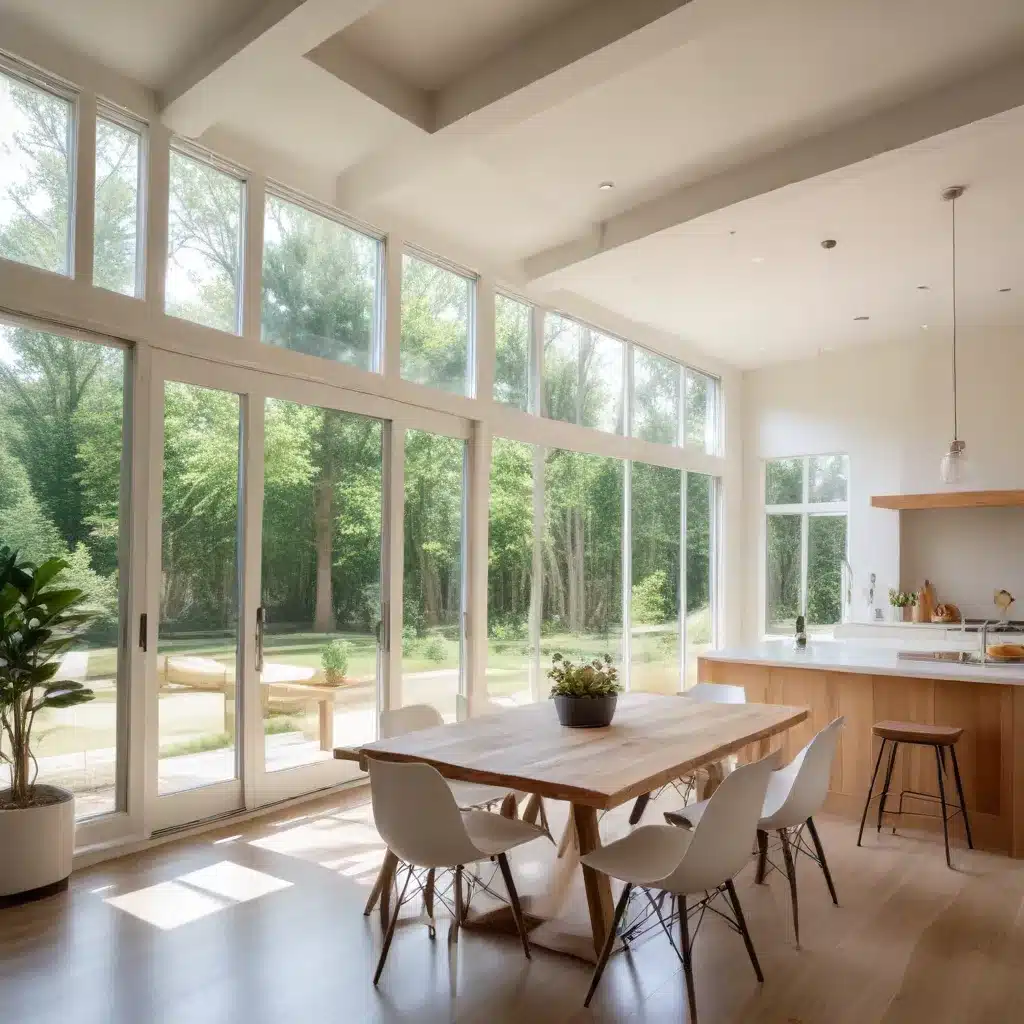
Harnessing the Power of Natural Light
In the UK, where the climate can be overcast and gloomy for much of the year, maximizing natural light in our homes is a constant challenge. However, with the right renovation techniques and a keen understanding of building regulations, homeowners can transform even the darkest of spaces into bright and inviting interiors. This article will explore practical strategies and cost-effective solutions to enhance natural illumination in your UK property, while ensuring compliance with the latest industry standards.
Embracing Sustainable Practices
Sustainable building practices are at the forefront of modern home improvement in the UK. By adopting energy-efficient technologies and eco-friendly materials, you can not only improve the brightness of your interiors but also reduce your carbon footprint and utility bills. One such example is the use of high-performance glazing, which can significantly enhance the amount of natural light that enters a room while also improving the overall thermal efficiency of your home.
Table 1: Comparison of Glazing Options for Improved Natural Lighting
| Glazing Type | U-Value (W/m²K) | Light Transmittance (%) | Average Cost (GBP/m²) |
|---|---|---|---|
| Double-Glazed | 1.2 – 1.6 | 70 – 80 | £40 – £60 |
| Triple-Glazed | 0.8 – 1.2 | 60 – 70 | £50 – £80 |
| Low-E Double-Glazed | 1.0 – 1.4 | 70 – 80 | £50 – £70 |
| Argon-Filled Double-Glazed | 1.0 – 1.4 | 70 – 80 | £45 – £65 |
The U-value measures the rate of heat transfer through a material, with lower values indicating better insulation. Light transmittance refers to the percentage of natural light that can pass through the glazing. When selecting the right glazing solution for your UK property, consider the balance between energy efficiency, natural light, and your budget.
Optimizing Window Placement and Size
The strategic placement and size of windows play a crucial role in maximizing natural light. While UK building regulations set certain guidelines, homeowners can work within these parameters to enhance the brightness of their interiors. For example, orienting windows towards the south can capture more sunlight throughout the day, while increasing the overall window-to-wall ratio can significantly improve the amount of natural illumination in a room.
Case Study: Expanding Natural Light in a Victorian Townhouse
In a recent renovation project in Aberdeen, the homeowners sought to transform a dark and gloomy Victorian townhouse into a bright and airy living space. By relocating and enlarging the existing windows, they were able to increase the natural light penetration by 35%, creating a more welcoming and inviting atmosphere throughout the home. This strategic approach not only improved the overall aesthetic but also contributed to a more energy-efficient and sustainable living environment.
Incorporating Reflective Surfaces
The strategic use of reflective surfaces can be a game-changer in enhancing natural light within your UK property. Mirrors, light-colored walls, and glossy finishes on countertops, cabinets, and furniture can all help to bounce and amplify the available natural light, making spaces appear larger and brighter.
When selecting paint colors for your walls, opt for light or mid-tone hues with a high Light Reflectance Value (LRV), as these will reflect more light back into the room. Avoid using dark or matte finishes, as they can absorb and diminish the natural illumination.
Maximizing Daylight through Innovative Lighting Solutions
In addition to optimizing window placement and surface reflectivity, UK homeowners can also explore innovative lighting solutions to further enhance the natural brightness of their interiors. Skylights, light tunnels, and roof windows are popular options that can dramatically increase the amount of daylight entering a space, even in rooms with limited or no direct access to the outdoors.
Table 2: Comparison of Daylight-Enhancing Technologies
| Lighting Solution | Average Cost (GBP) | Typical Light Output (Lumens) |
|---|---|---|
| Skylights | £500 – £2,000 | 1,000 – 5,000 |
| Light Tunnels | £300 – £800 | 500 – 2,000 |
| Roof Windows | £400 – £1,200 | 800 – 3,500 |
When installing these solutions, it’s crucial to adhere to UK building regulations, such as ensuring adequate ventilation, thermal insulation, and compliance with fire safety standards. Consulting with a qualified professional can help you navigate the process and ensure a successful and code-compliant installation.
Embracing Multifunctional Lighting Strategies
In rooms where natural light is limited, strategic placement of multiple light sources can create the illusion of brightness and spaciousness. Incorporating a combination of ambient, task, and accent lighting can help to layer illumination and make the space feel more open and inviting.
Ambient lighting, such as ceiling-mounted fixtures or recessed downlights, provides a gentle, diffused glow that brightens the entire room. Task lighting, including table lamps or wall-mounted sconces, can illuminate specific areas for activities like reading or cooking. Accent lighting, such as picture lights or directional spotlights, can highlight architectural features or artwork, adding visual interest and depth to the space.
By carefully planning the placement and types of lighting used, UK homeowners can create a harmonious and well-lit environment, even in the absence of abundant natural light.
Navigating the Regulatory Landscape
When undertaking any home renovation project in the UK, it’s crucial to familiarize yourself with the relevant building regulations and industry standards. These guidelines, enforced by local authorities, are designed to ensure the safety, energy efficiency, and overall quality of your home improvements.
Compliance with UK Building Regulations
The Building Regulations 2010 in the UK set out the minimum requirements for the design and construction of buildings, including provisions for natural lighting. Specific regulations, such as Part L (Conservation of Fuel and Power) and Part F (Ventilation), outline the necessary standards for energy efficiency, thermal performance, and indoor air quality.
To comply with these regulations, homeowners may need to:
- Obtain necessary permits: Depending on the scale and nature of your renovation, you may require planning permission or building control approval before proceeding.
- Adhere to minimum window sizes: The regulations stipulate minimum window sizes to ensure adequate natural light and ventilation, often based on the size and function of the room.
- Optimize glazing specifications: The choice of glazing materials, such as double- or triple-glazed units, must meet the required thermal and energy efficiency standards.
- Integrate ventilation systems: Properly designed and installed ventilation systems are crucial to maintain indoor air quality and prevent issues like condensation or mold.
Consulting with a qualified building professional, such as an architect or a building control officer, can help you navigate the regulatory landscape and ensure your renovation project meets all the necessary requirements.
Cost Considerations and Budgeting
Renovating to maximize natural light can be a significant investment, but the long-term benefits in terms of energy savings, improved living conditions, and increased property value make it a worthwhile consideration for UK homeowners.
When budgeting for your natural light enhancement project, be sure to factor in the following:
- Window replacement or expansion: The cost of new windows or enlarging existing openings can vary widely, depending on the size, material, and energy efficiency specifications.
- Skylight or light tube installation: The installation of these daylight-enhancing solutions can range from £300 to £2,000, depending on the complexity of the project.
- Electrical and lighting upgrades: Integrating additional lighting fixtures, dimmers, and control systems can add to the overall project cost.
- Decorative and finishing touches: Investing in reflective surfaces, such as mirrors or high-gloss paint, can further enhance the brightness of the space.
By working closely with a reputable contractor and exploring various financing options, such as government grants or energy-efficiency schemes, UK homeowners can make their natural light renovation project more manageable and cost-effective.
Conclusion
Maximizing natural light in your UK home is not only a practical solution for creating brighter, more inviting interiors but also a sustainable approach that can have long-lasting benefits. By embracing innovative renovation techniques, complying with building regulations, and carefully managing costs, homeowners can transform even the darkest of spaces into vibrant, light-filled environments that enhance their quality of life and the value of their property.
Remember, the journey to a brighter home begins with a single step. Explore the resources available on ABC Home to kickstart your natural light-enhancing renovation project and unlock the full potential of your UK property.


