
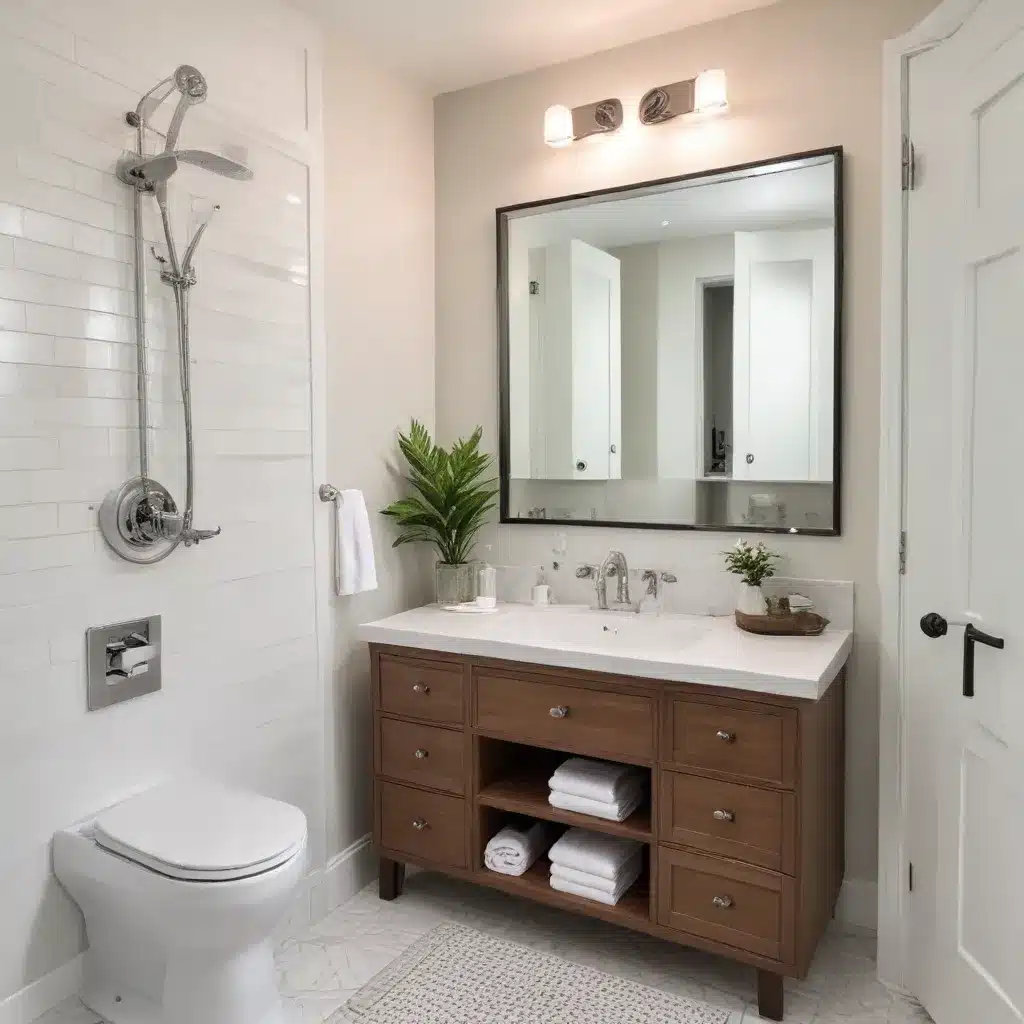
Navigating the Challenges of Small Bathrooms in the UK
When it comes to home improvement projects in the UK, one of the most common challenges homeowners face is maximizing storage and functionality within a compact bathroom layout. With the average size of new-build homes in the UK decreasing over the years, the struggle to create an efficient and visually appealing bathroom space is a reality many must confront.
However, by understanding the relevant building regulations, exploring cost-effective solutions, and incorporating sustainable practices, it is possible to transform even the smallest of bathrooms into a practical and stylish oasis. In this comprehensive guide, we will delve into the key considerations, regulatory requirements, and innovative strategies to help you make the most of your compact bathroom space in the UK.
Complying with UK Building Regulations
Ensuring compliance with UK building regulations is a crucial first step when undertaking any bathroom renovation or remodeling project. The Building Regulations 2010, which apply to England and Wales, outline specific requirements for bathroom design, plumbing, and electrical installations.
Accessibility and Safety
One of the primary concerns addressed by the regulations is accessibility and safety. Bathrooms must be designed to accommodate individuals with varying mobility levels, including those with disabilities. This may involve provisions such as:
- Minimum clear floor space around the toilet, sink, and bathtub or shower
- Appropriate grab bar installation and reinforcement in walls for future installation
- Slip-resistant flooring to prevent accidents
Ventilation and Moisture Control
Proper ventilation is essential in bathrooms to maintain indoor air quality and prevent the buildup of moisture, which can lead to mold and mildew growth. The regulations specify minimum air flow rates and the use of mechanical ventilation systems, such as extractor fans, to ensure adequate moisture control.
Plumbing and Electrical Safety
Bathroom plumbing and electrical installations must adhere to specific guidelines to ensure the safety of occupants. This includes the use of approved materials, proper insulation, and the placement of electrical outlets and lighting fixtures to minimize the risk of electrical hazards.
Sustainable Design Considerations
In recent years, the UK has placed a greater emphasis on sustainable building practices, including within the bathroom sector. The regulations now incorporate measures to promote water conservation, energy efficiency, and the use of eco-friendly materials.
By familiarizing yourself with the relevant building regulations and working closely with qualified professionals, you can ensure that your compact bathroom renovation or remodel not only meets legal requirements but also enhances the overall safety, functionality, and environmental impact of your home.
Cost-Effective Solutions for Compact Bathrooms
Renovating a small bathroom can be a significant investment, but there are several cost-effective strategies you can employ to maximize the return on your project. From space-saving fixtures to innovative storage solutions, these approaches can help you create a functional and visually appealing bathroom without breaking the bank.
Prioritize Multifunctional Fixtures
When working with limited square footage, choosing fixtures that serve dual purposes can be a game-changer. Consider installing a wall-mounted or corner vanity that provides both storage and a surface for the sink, or opt for a combined toilet and sink unit to free up valuable floor space.
Embrace Vertical Storage
In a compact bathroom, making the most of vertical space is crucial. Invest in tall, slender cabinets or shelving units that can be mounted on the walls, maximizing the available storage without encroaching on the floor plan. This approach not only increases your storage capacity but also creates the illusion of a larger room.
Utilize Recessed or Built-In Storage
Incorporate recessed storage solutions, such as medicine cabinets or wall niches, to take advantage of the space between the wall studs. These custom-built features can provide discreet storage without consuming precious floor or wall space.
Repurpose and Upcycle
Rather than purchasing entirely new fixtures and furnishings, consider repurposing or upcycling existing items. For example, a vintage dresser or cabinet can be transformed into a unique vanity, or a ladder can be repurposed as a towel rack or shelving unit.
Explore Cost-Effective Materials
When selecting materials for your compact bathroom renovation, consider more budget-friendly options that can still create a visually appealing and durable space. Laminate countertops, ceramic tiles, and affordable plumbing fixtures can all contribute to a cost-effective yet stylish outcome.
By strategically incorporating these cost-effective solutions, you can create a compact bathroom that is both functional and aesthetically pleasing, without exceeding your renovation budget.
Sustainable Practices for Compact Bathrooms
As the UK continues to prioritize environmental sustainability, incorporating eco-friendly practices into your compact bathroom renovation can not only benefit the planet but also contribute to long-term cost savings. Here are some key sustainable strategies to consider:
Water-Efficient Fixtures
Investing in water-efficient toilets, showerheads, and faucets can significantly reduce your home’s water consumption, leading to lower utility bills and a smaller environmental footprint. Look for products that meet the Water Efficiency Labelling Scheme (WELS) standards, which provide a clear indication of their water-saving capabilities.
Energy-Efficient Lighting
Replacing traditional incandescent or halogen bulbs with LED lighting can dramatically improve the energy efficiency of your compact bathroom. LEDs consume less power, generate less heat, and have a longer lifespan, making them a cost-effective and eco-friendly choice.
Sustainable Flooring and Walls
When selecting materials for your bathroom’s floors and walls, opt for options that are not only durable but also environmentally friendly. Natural stone, recycled glass tiles, and bamboo are just a few examples of sustainable materials that can contribute to a greener bathroom design.
Ventilation and Moisture Control
Proper ventilation is essential for maintaining a healthy, mold-free bathroom environment. In addition to meeting building regulations, consider integrating advanced ventilation systems, such as heat recovery units, which can capture and recycle warm air to improve energy efficiency.
Reclaimed and Recycled Furnishings
Incorporate reclaimed or recycled materials into your bathroom’s furnishings and storage solutions. Upcycled cabinets, repurposed shelving units, and vintage-inspired accessories can add character while reducing waste and the demand for new resources.
By embracing these sustainable practices, you can not only create a more environmentally responsible compact bathroom but also enjoy long-term benefits in the form of reduced utility costs and a healthier indoor environment.
Optimizing Storage and Organization in a Compact Bathroom
Maximizing storage and organization is crucial in a small bathroom, as it can dramatically improve the functionality and flow of the space. From innovative shelving solutions to strategic layout planning, there are numerous techniques to consider:
Vertical Storage Solutions
As mentioned earlier, making the most of vertical space is essential in a compact bathroom. Install tall, slim cabinets or shelving units that extend from floor to ceiling, ensuring you can neatly store all your essential items without encroaching on the floor plan.
Recessed or Built-In Storage
Recessed storage, such as medicine cabinets or wall niches, can be a game-changer in a small bathroom. These custom-built features provide discreet storage without compromising valuable wall space.
Maximizing Vanity Storage
Choose a vanity with ample drawer and cabinet space to store toiletries, cleaning supplies, and other bathroom essentials. Consider opting for a wall-mounted or corner vanity to free up floor space while still providing generous storage.
Utilizing the Space Above the Toilet
The often-overlooked space above the toilet can be transformed into a practical storage area. Install shelves or cabinets to house extra towels, toilet paper, and other frequently used items.
Integrating Multifunctional Fixtures
As mentioned earlier, selecting fixtures that serve dual purposes can be a space-saving strategy. For example, a combination toilet and sink unit or a wall-mounted sink with built-in storage can help streamline the layout and maximize the available space.
Organizing with Baskets and Bins
Incorporating baskets, bins, and other storage containers can help you keep your compact bathroom clutter-free and visually appealing. Use these organizational tools to store items such as toiletries, cleaning supplies, and spare towels.
Utilizing the Space Behind the Door
In a small bathroom, every inch of space matters. Consider installing narrow shelves or hooks behind the door to store items like toilet paper, cleaning supplies, or even small decorative plants.
By thoughtfully incorporating these storage and organization strategies, you can transform your compact bathroom into a highly efficient and visually pleasing space that caters to your daily needs.
Conclusion
Maximizing storage and functionality in a compact bathroom layout is both a challenge and an opportunity for homeowners in the UK. By understanding the relevant building regulations, exploring cost-effective solutions, and embracing sustainable practices, you can create a bathroom that is not only practical but also visually appealing and environmentally responsible.
Remember, the key to a successful compact bathroom renovation lies in strategic planning, innovative thinking, and a willingness to make the most of every available inch of space. By following the guidance outlined in this comprehensive guide, you can unlock the full potential of your small bathroom and create a sanctuary that caters to your unique needs and lifestyle.
For more information on home improvement projects, building regulations, and sustainable construction practices in the UK, be sure to visit https://abc-home.co.uk/, a leading resource for homeowners, builders, and contractors across the country.


