
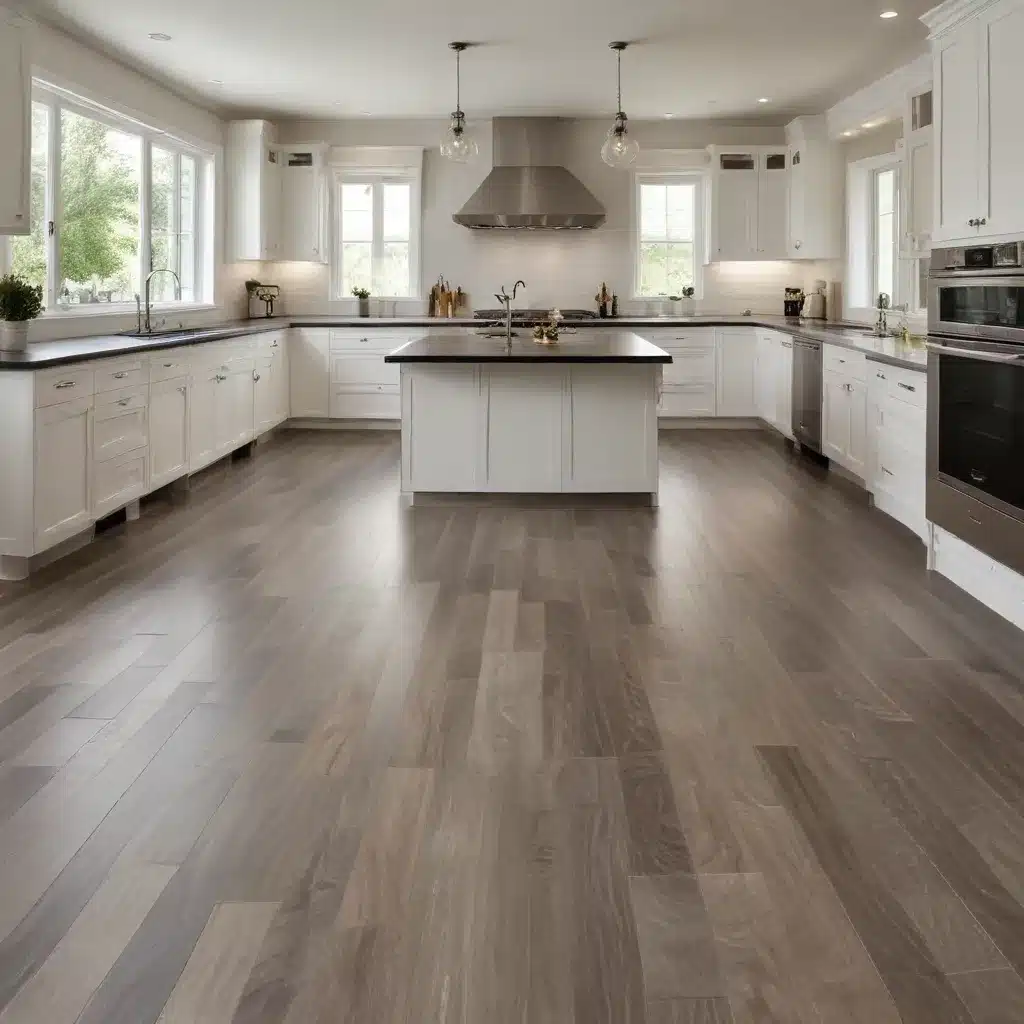
The Foundation of Kitchen Design
As a home construction specialist with years of experience, I’ve seen firsthand how the right flooring can transform a kitchen. It’s not just about aesthetics; the floor is the foundation upon which all other design elements rest. When I work with homeowners on kitchen renovations, I always emphasize the importance of choosing flooring that balances style, durability, and practicality.
In my time working on countless kitchen projects, I’ve come to appreciate the nuances of different flooring materials. Each option brings its own set of advantages and challenges. From the classic appeal of hardwood to the resilience of modern vinyl, the choices can seem overwhelming. But fear not! I’m here to guide you through the maze of options, drawing on my personal experiences and industry knowledge.
Let’s dive into the world of kitchen flooring, shall we? We’ll explore the pros and cons of various materials, discuss installation considerations, and look at how different options stand up to the rigors of daily kitchen life. By the end of this article, you’ll be equipped with the knowledge to make an informed decision for your own kitchen renovation project.
Ceramic Tile: The Stalwart of Kitchen Flooring
When it comes to kitchen flooring, ceramic tile has been a go-to option for decades, and for good reason. I’ve installed ceramic tile in countless kitchens, and it never fails to impress with its durability and versatility.
Durability That Stands the Test of Time
One of the main reasons I often recommend ceramic tile to my clients is its exceptional durability. I recall a project where we installed ceramic tiles in a busy family kitchen. Five years later, I revisited the home for another renovation, and those tiles looked as good as new despite constant foot traffic, spills, and the occasional dropped pot.
Ceramic tiles are fired at high temperatures, making them incredibly resistant to water, stains, and heat. This makes them an ideal choice for kitchens, where spills and accidents are a daily occurrence. I’ve seen ceramic tiles withstand everything from tomato sauce splatters to hot oil spills without a trace.
A Canvas for Creativity
Another aspect of ceramic tiles that I love is their versatility in design. They come in a vast array of colors, patterns, and sizes, allowing for endless creativity in kitchen design. I once worked on a kitchen where we used a combination of large format tiles for the main floor area and smaller mosaic tiles to create a beautiful “rug” effect in front of the sink. The result was stunning and completely unique to the homeowner’s style.
Installation Considerations
While ceramic tiles offer many benefits, it’s important to note that proper installation is crucial. I always stress to my clients that while DIY installation might seem tempting, it’s often best left to professionals. Improper installation can lead to cracking, uneven surfaces, and water seepage – issues I’ve had to fix more times than I can count.
When installing ceramic tiles, I pay special attention to the subfloor preparation. A level, stable subfloor is essential for a long-lasting tile installation. I also make sure to use the right type of grout and sealer to enhance the tiles’ water-resistance and ease of maintenance.
Comfort and Maintenance
One downside of ceramic tiles that I always discuss with clients is their hardness underfoot. Standing for long periods on ceramic tiles can be uncomfortable. However, this can be mitigated with the use of anti-fatigue mats in key areas like in front of the sink or stove.
Maintenance of ceramic tiles is generally straightforward. Regular sweeping and mopping are usually sufficient to keep them looking great. However, I do recommend sealing the grout lines periodically to prevent staining and make cleaning easier.
In my experience, ceramic tiles remain one of the most reliable and versatile options for kitchen flooring. They offer a perfect blend of durability, style, and practicality that suits many homeowners’ needs.
Hardwood Flooring: Timeless Beauty in the Kitchen
As someone who’s been in the home construction industry for years, I’ve seen trends come and go. But one flooring option that has stood the test of time is hardwood. There’s something about the warmth and natural beauty of wood that never goes out of style, even in the kitchen.
The Appeal of Wood in the Heart of the Home
I remember working on a kitchen renovation for a Victorian-era home. The owners were adamant about maintaining the house’s original character, and that included extending the existing hardwood floors into the kitchen. Initially, I was hesitant due to concerns about moisture, but with proper sealing and maintenance, we created a stunning kitchen that flowed seamlessly with the rest of the house.
Hardwood floors bring a sense of warmth and comfort to a kitchen that’s hard to match with other materials. They’re softer underfoot than tile or stone, which can be a blessing if you spend a lot of time cooking. I’ve had clients tell me that their hardwood kitchen floors have become a favorite feature, adding character and charm to the space.
Durability and Longevity
One of the biggest advantages of hardwood flooring is its longevity. I’ve worked in homes with original hardwood floors that are over a century old and still going strong. With proper care and maintenance, hardwood floors can last for generations.
However, it’s important to note that hardwood does require more careful maintenance in a kitchen setting. I always advise my clients to wipe up spills immediately and to use protective mats in areas prone to water exposure, like in front of the sink and dishwasher.
Types of Hardwood Flooring
When it comes to hardwood flooring in kitchens, there are two main options: solid hardwood and engineered hardwood.
Solid hardwood is exactly what it sounds like – planks of solid wood. It can be sanded and refinished multiple times, which is great for longevity. However, it’s more susceptible to moisture and temperature changes, which can cause warping or gaps between planks.
Engineered hardwood, on the other hand, consists of a layer of hardwood veneer over a plywood base. This construction makes it more stable and resistant to moisture and temperature fluctuations. While it can’t be refinished as many times as solid hardwood, it’s often a better choice for kitchens, especially in areas with high humidity.
Installation Considerations
Installing hardwood flooring in a kitchen requires careful planning and execution. I always emphasize the importance of acclimating the wood to the room’s environment before installation to prevent issues with expansion and contraction later on.
The subfloor needs to be perfectly level and dry. Any moisture issues in the subfloor need to be addressed before installation to prevent warping or cupping of the hardwood.
I also pay close attention to the layout of the kitchen when installing hardwood. Running the planks parallel to the longest wall usually creates the best visual effect, but factors like cabinet layout and traffic patterns also come into play.
Maintenance and Care
Maintaining hardwood floors in a kitchen does require some extra effort, but many of my clients find it well worth it. Regular sweeping or vacuuming is essential to prevent scratches from dirt and grit. I recommend using a damp (not wet) mop for cleaning, and avoiding harsh chemicals that can damage the wood’s finish.
Periodically, the floors may need to be refinished to address wear and tear. This process can breathe new life into the floors and even allow for a change in color or finish if desired.
While hardwood flooring in kitchens does come with some challenges, in my experience, the beauty and warmth it brings to the space often outweigh the extra maintenance required. With proper installation and care, hardwood can be a stunning and long-lasting choice for kitchen flooring.
Vinyl Flooring: The Modern Marvel
In my years of experience in home construction and renovation, I’ve seen vinyl flooring evolve from a budget option to a sophisticated choice for kitchen flooring. Today’s vinyl flooring is a far cry from the sheet vinyl of yesteryear, offering durability, water-resistance, and style that can rival more expensive materials.
The Evolution of Vinyl
I remember my first encounter with luxury vinyl flooring (LVF) on a kitchen renovation project. The homeowners were skeptical at first, having memories of old-school vinyl flooring. But when I showed them the range of options available, including planks that convincingly mimicked hardwood and tiles that looked just like ceramic, they were amazed.
Modern vinyl flooring comes in two main types: luxury vinyl tile (LVT) and luxury vinyl plank (LVP). Both are constructed with multiple layers, including a wear layer, a design layer, a core layer, and sometimes an attached underlayment. This multi-layer construction contributes to vinyl’s durability and water-resistance.
Durability and Water-Resistance
One of the biggest advantages of vinyl flooring in kitchens is its excellent water-resistance. I’ve seen vinyl floors stand up to spills, leaks, and even minor flooding with minimal damage. This makes it an excellent choice for kitchens, where water exposure is a daily occurrence.
In terms of durability, vinyl can hold its own against heavy foot traffic and the occasional dropped pot or pan. The wear layer protects against scratches and scuffs, although I always caution homeowners that vinyl can dent under heavy appliances or furniture.
Comfort Underfoot
Another aspect of vinyl flooring that my clients appreciate is its comfort underfoot. Unlike harder surfaces like tile or stone, vinyl has a bit of give to it. This can make a big difference when you’re standing for long periods while cooking or doing dishes.
I worked on a kitchen remodel for a client with back problems, and they specifically chose vinyl flooring for its softer feel. They reported a noticeable difference in comfort compared to their previous tile floor.
Style and Design Options
The range of design options available with modern vinyl flooring is truly impressive. I’ve installed vinyl that convincingly mimics the look of hardwood, stone, and ceramic tile. The quality of these imitations has improved dramatically over the years, to the point where it can be difficult to tell the difference without close inspection.
One project that stands out in my mind involved a Victorian-style kitchen where we used vinyl planks that looked like reclaimed wood. The result was a floor that complemented the vintage aesthetic of the kitchen while providing the practicality and water-resistance of vinyl.
Installation Considerations
One of the reasons I often recommend vinyl flooring, especially for DIY enthusiasts, is its relatively straightforward installation process. Many vinyl products are designed as floating floors, which can be installed over existing flooring without the need for adhesives.
However, proper subfloor preparation is still crucial. I always stress the importance of a clean, dry, and level subfloor to ensure a successful installation. Any imperfections in the subfloor can telegraph through the vinyl, affecting both appearance and performance.
Maintenance and Care
Maintenance is another area where vinyl flooring shines. Most vinyl floors can be kept clean with regular sweeping and occasional damp mopping. Unlike some other flooring options, there’s no need for special cleaners or periodic sealing.
I always advise my clients to use felt pads under furniture legs to prevent scratching and to clean up spills promptly, even though vinyl is water-resistant. While vinyl is durable, it’s not indestructible, and good care practices will help extend its lifespan.
Environmental Considerations
One drawback of vinyl flooring that I always discuss with my clients is its environmental impact. Unlike natural materials like wood or stone, vinyl is a synthetic product and is not biodegradable. However, some manufacturers are making strides in producing more eco-friendly vinyl options, including products made with recycled materials.
In my experience, vinyl flooring offers a compelling combination of durability, water-resistance, and style that makes it an excellent choice for many kitchen renovations. While it may not have the same natural appeal as hardwood or the longevity of tile, its practicality and affordability make it a popular option among homeowners.
Natural Stone: Luxury Underfoot
In my years of working on high-end kitchen renovations, I’ve had the pleasure of installing various types of natural stone flooring. There’s something undeniably luxurious about natural stone that can elevate a kitchen from ordinary to extraordinary.
Types of Natural Stone Flooring
When it comes to natural stone flooring for kitchens, the most common options I’ve worked with are granite, marble, slate, and travertine. Each type of stone has its own unique characteristics and considerations.
Granite, for instance, is incredibly durable and resistant to scratches and chips. I recall a kitchen project where we installed black granite tiles with flecks of silver and white. The result was a stunning floor that not only looked magnificent but also stood up to the heavy traffic of a busy family kitchen.
Marble, on the other hand, offers unparalleled elegance. However, it’s softer than granite and more prone to etching from acidic substances. I always caution my clients about this when they’re considering marble for their kitchen floors. Despite this drawback, I’ve had clients who were willing to accept the extra maintenance for the sheer beauty of a marble floor.
Slate provides a more rustic, earthy look. Its naturally textured surface offers good slip resistance, which can be a plus in kitchens. I remember installing a multi-colored slate floor in a country-style kitchen. The varied tones of gray, brown, and rust created a warm, inviting atmosphere that perfectly complemented the wooden cabinetry.
Travertine, with its pitted surface and warm tones, can lend a Mediterranean feel to a kitchen. However, its porous nature means it requires more frequent sealing to prevent staining.
Installation Considerations
Installing natural stone flooring is a job that requires skill and precision. The weight of stone tiles means that the subfloor must be sturdy enough to support them. I always conduct a thorough assessment of the subfloor before beginning a stone installation project.
The process of cutting stone tiles can be tricky, especially with harder stones like granite. I use specialized wet saws for this task to ensure clean, precise cuts. It’s also crucial to use the right type of adhesive and grout for natural stone to ensure a long-lasting installation.
One of the challenges with natural stone is its variability. Even tiles from the same batch can have significant differences in color and pattern. I always lay out the tiles before installation to create a pleasing overall pattern and to avoid having two very different tiles next to each other.
Maintenance and Care
Proper maintenance is key to keeping natural stone floors looking their best. I always provide my clients with detailed care instructions after installing a stone floor. Generally, this involves regular sweeping or vacuuming to remove grit that can scratch the surface, and damp mopping with a pH-neutral cleaner.
Sealing is another crucial aspect of stone floor maintenance. The frequency of sealing depends on the type of stone and the amount of traffic the floor receives. For a busy kitchen, I typically recommend sealing granite floors annually, while more porous stones like travertine may need sealing every six months.
Comfort and Practicality
One drawback of natural stone flooring is that it can be cold and hard underfoot. I often suggest to my clients that they consider underfloor heating when installing stone floors in kitchens. This not only adds comfort but can also help to dry the floor more quickly after cleaning, reducing the risk of slips.
Despite its hardness, many of my clients find that the beauty of natural stone outweighs this disadvantage. I’ve had numerous homeowners tell me that their stone floors have become a favorite feature of their kitchens, adding a touch of luxury to their daily lives.
Cost Considerations
It’s important to note that natural stone is generally one of the more expensive flooring options for kitchens. However, many of my clients view it as an investment that adds value to their homes. The longevity of properly maintained stone floors means that they can last for decades, potentially outlasting other types of flooring.
In my experience, natural stone flooring can be a stunning choice for kitchens, offering unmatched beauty and durability. While it does require more maintenance than some other options, many homeowners find that the luxurious look and feel of stone make it well worth the extra effort.
Concrete Flooring: Industrial Chic in the Kitchen
In recent years, I’ve seen a growing trend towards concrete flooring in kitchens, especially in modern and industrial-style homes. While it might seem unconventional, concrete can be an excellent choice for kitchen flooring, offering durability, versatility, and a unique aesthetic.
The Appeal of Concrete
I remember the first time a client asked me about installing a concrete floor in their kitchen. They were renovating an old warehouse into a loft-style home and wanted to maintain an industrial feel. Initially, I was skeptical about how comfortable concrete would be in a kitchen setting, but the end result was surprisingly impressive.
Concrete floors have a raw, minimalist appeal that works well in contemporary kitchens. They can be left gray for a stark, industrial look, or colored and textured to suit a variety of design styles. I’ve worked on projects where we’ve stained concrete to mimic the look of natural stone, and others where we’ve used integral color to create a bold, modern statement.
Durability and Longevity
One of the biggest advantages of concrete flooring is its durability. When properly installed and maintained, a concrete floor can last for decades. It’s resistant to scratches, chips, and dents, making it an excellent choice for high-traffic kitchen areas.
I once revisited a kitchen where we’d installed a polished concrete floor five years earlier. Despite daily use by a large family, including kids and pets, the floor looked almost as good as the day we finished it. This kind of longevity is hard to match with other flooring materials.
Installation Considerations
Installing a concrete floor in a kitchen can be a complex process, especially in existing homes. If there’s not already a concrete slab in place, pouring one requires significant structural considerations. The weight of a concrete floor means that the house’s foundation must be able to support it.
For homes that already have a concrete slab, the process involves grinding down the existing concrete, repairing any cracks or imperfections, and then finishing the surface. This can be done in various ways, from a simple polish to more complex treatments involving stains, dyes, or stamped patterns.
One project that stands out in my memory involved creating a decorative concrete floor that mimicked the look of large stone tiles. We used saw cuts to create a grid pattern, then applied different colored stains to each “tile” for a truly unique look.
Comfort and Practicality
The biggest concern most of my clients have about concrete floors is comfort. Concrete is undeniably hard and can be cold underfoot. However, there are ways to mitigate this. I often recommend installing radiant floor heating beneath concrete floors, which not only adds warmth but can also be an efficient way to heat the entire kitchen.
In terms of practicality, concrete excels in the kitchen environment. It’s naturally water-resistant and easy to clean. Spills can be wiped up easily, and regular maintenance typically involves just sweeping and occasional damp mopping.
Finishing and Maintenance
The finish applied to a concrete floor can significantly impact its performance and appearance. A polished finish creates a smooth, glossy surface that’s easy to clean but can be slippery when wet. For kitchen applications, I often recommend a slightly textured finish for better slip resistance.
Sealing is crucial for concrete floors in kitchens. A good sealer protects the concrete from stains and makes it easier to clean. I usually advise my clients to reseal their concrete floors every few years, depending on the amount of traffic and wear they receive.
One of the unique aspects of concrete flooring is its ability to patina over time. Some of my clients actually prefer this aged look, seeing it as adding character to their kitchens.
Cost Considerations
The cost of concrete flooring can vary widely depending on the complexity of the installation and the level of finishing required. While the material itself is relatively inexpensive, the labor involved in creating a polished, decorative concrete floor can be significant.
However, when you consider the longevity of concrete floors, many homeowners find that they offer good value for money in the long run. Unlike some other flooring options that may need to be replaced after a decade or two, a well-maintained concrete floor can last for the life of the home.
In my experience, concrete flooring can be an excellent choice for kitchens, particularly in modern or industrial-style homes. While it may not be for everyone, those who embrace its unique aesthetic and appreciate its durability often find it to be a rewarding choice.
Making the Right Choice for Your Kitchen
After exploring these various flooring options, you might be wondering which one is right for your kitchen. As a home construction specialist, I always tell my clients that there’s no one-size-fits-all solution. The best flooring for your kitchen depends on your specific needs, preferences, and circumstances.
Considering Your Lifestyle
One of the first things I ask my clients to consider is their lifestyle. Do you have a busy household with kids and pets? You might want to prioritize durability and ease of maintenance, making options like ceramic tile or luxury vinyl flooring attractive choices.
Are you an avid cook who spends hours in the kitchen? Comfort underfoot might be a priority for you, in which case cork or hardwood could be good options, especially with the addition of anti-fatigue mats in key areas.
Aesthetic Preferences
Your personal style and the overall design of your home should also play a role in your decision. If you’re going for a sleek, modern look, polished concrete or large-format porcelain tiles might be the way to go. For a more traditional or rustic aesthetic, hardwood or natural stone could be perfect.
I once worked with a client who was renovating a farmhouse-style kitchen. We ended up choosing reclaimed oak flooring, which not only looked beautiful but also had an interesting history that became a conversation piece.
Budget Considerations
Your budget is, of course, an important factor. While it’s often worth investing in quality flooring for a kitchen, there are options available at various price points. Luxury vinyl and some ceramic tiles can offer great value for money, while natural stone and hardwood tend to be at the higher end of the price spectrum.
Remember to factor in not just the initial cost of materials and installation, but also long-term maintenance costs. A cheaper option upfront might end up costing more over time if it requires frequent replacement or intensive maintenance.
Environmental Factors
If you’re environmentally conscious, you might want to consider the sustainability of your flooring choice. Cork and bamboo are renewable resources, while hardwood can be a sustainable choice if sourced from responsibly managed forests. Some manufacturers are also producing eco-friendly versions of vinyl flooring.
Practical Considerations
Don’t forget to think about practical aspects like water resistance, especially in areas prone to spills or leaks. The area around your sink, dishwasher, and refrigerator might benefit from highly water-resistant options like porcelain tile or luxury vinyl.
Also consider the height of your flooring in relation to existing elements in your kitchen. A thick stone tile, for example, might require adjustments to your cabinet heights or appliance placement.
Professional Installation vs. DIY
While some flooring options like luxury vinyl planks or laminate can be suitable for DIY installation, others like natural stone or hardwood often benefit from professional installation. I always advise my clients to honestly assess their DIY skills and the complexity of the installation before deciding to go it alone.
Testing and Sampling
Before making a final decision, I always recommend getting samples of your top choices and testing them in your kitchen. This allows you to see how they look in your specific lighting conditions and how they feel underfoot. Many flooring retailers offer take-home samples for this purpose.
Expert Advice
Finally, don’t hesitate to seek expert advice. A professional can help you navigate the many options available and consider factors you might not have thought of. At ABC Home, we offer consultations to help homeowners make informed decisions about their kitchen flooring.
Choosing the right kitchen flooring is a significant decision that can impact both the functionality and aesthetics of your space for years to come. By carefully considering your needs, preferences, and circumstances, you can select a flooring option that will serve you well and bring you joy every time you step into your kitchen.
Remember, your kitchen floor is not just a surface to walk on – it’s the foundation of your kitchen’s design and functionality. Choose wisely, and you’ll have a floor that not only looks great but also stands up to the daily rigors of kitchen life for years to come.


