
The Importance of Indoor Air Quality
As a homeowner, I’ve always been acutely aware of the importance of maintaining a healthy and comfortable living environment. After all, we spend the majority of our time indoors, whether it’s at work, at school, or in the sanctity of our own homes. And while we may take great care to ensure our homes are visually appealing and well-maintained, one crucial aspect that often gets overlooked is the quality of the air we’re breathing.
You see, the air we inhale can have a profound impact on our overall health and well-being. Pollutants, allergens, and other contaminants can lurk unseen, leading to a host of respiratory issues, from sniffles and sneezes to more serious conditions like asthma and lung disease. And let’s not forget the impact poor air quality can have on our cognitive function and productivity – studies have shown that even subtle changes in indoor air can affect our ability to focus, think clearly, and perform at our best.
Introducing Smart Sensors: Your Indoor Air Quality Ally
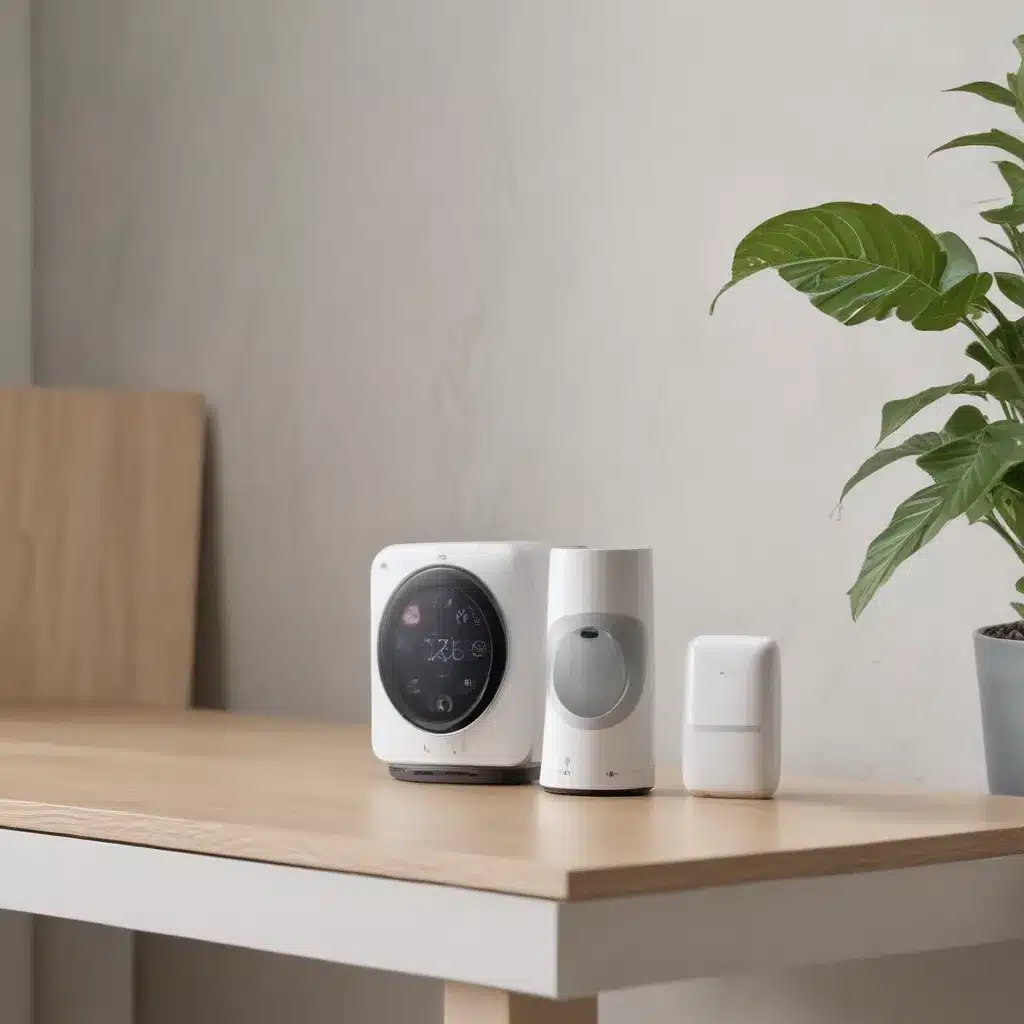
That’s where smart air quality sensors come into play. These nifty little devices are designed to continuously monitor the various components of the air in your home, providing you with real-time data and insights that can help you take proactive steps to improve the air you and your loved ones breathe.
But what exactly do these smart sensors measure, you ask? Well, let me break it down for you:
-
Particulate Matter (PM): These tiny airborne particles, often invisible to the naked eye, can come from a variety of sources, such as dust, smoke, and even cooking fumes. High levels of PM can irritate the eyes, nose, and throat, and can even be linked to more serious health issues.
-
Carbon Dioxide (CO2): While not inherently harmful in small amounts, elevated CO2 levels can be a sign of poor ventilation and can lead to feelings of fatigue, headaches, and impaired cognitive function.
-
Volatile Organic Compounds (VOCs): These chemical compounds, often found in household cleaning products, paints, and furniture, can off-gas into the air and contribute to respiratory problems and other health concerns.
-
Temperature and Humidity: Maintaining the right balance of temperature and humidity in your home can not only improve your comfort, but also help prevent the growth of mold and mildew, which can trigger allergic reactions and respiratory issues.
By monitoring these key indicators, smart air quality sensors can provide you with a comprehensive snapshot of the air in your home, empowering you to make informed decisions about how to improve it.
Putting Smart Sensors to Work in Your Home
Now, I know what you’re thinking: “All of this sounds great, but how do I actually use these smart sensors to improve my indoor air quality?” Well, fear not, my friend, because I’ve got you covered.
The first step is to choose a high-quality smart sensor that fits your needs and budget. There are a variety of options on the market, from compact, plug-in devices to more robust, whole-home solutions. Do your research, read reviews, and select the one that best suits your home and your specific air quality concerns.
Once you’ve got your sensor set up and running, the real fun begins. The device will start collecting data on the various air quality metrics, and you can use the accompanying app or online dashboard to track and analyze the results. This is where you’ll start to see patterns emerge – perhaps you notice a spike in VOCs after using a certain cleaning product, or a dip in oxygen levels when you have a lot of guests over.
Armed with this data, you can then take targeted steps to improve your indoor air quality. This might involve simple lifestyle changes, like opening windows more often, using eco-friendly cleaning products, or investing in an air purifier. Or, if you’re dealing with more persistent issues, you may need to consult with an HVAC professional to address underlying problems with your home’s ventilation system.
Real-World Success Stories
But don’t just take my word for it – let’s take a look at some real-world examples of how smart air quality sensors have helped homeowners like you improve the air they breathe.
Take the case of the Miller family, for instance. They had always assumed their home was a haven of clean, fresh air, but when they installed a smart sensor, they were shocked to discover dangerously high levels of particulate matter. Turns out, their old and inefficient wood-burning stove was the culprit, spewing harmful pollutants into the air. Armed with this knowledge, they were able to make the switch to a more eco-friendly heating solution, and their indoor air quality has been pristine ever since.
Then there’s the story of the Smiths, a family with a young child who suffered from chronic asthma. After installing a smart sensor, they discovered that the humidity levels in their home were far too high, creating the perfect breeding ground for mold and mildew. With this information in hand, they were able to invest in a dehumidifier and take other targeted steps to bring the moisture levels under control. The result? Their child’s asthma symptoms have improved dramatically, and the entire family is breathing easier.
The Future of Indoor Air Quality Monitoring
As someone who’s passionate about creating healthy, comfortable living environments, I can’t help but be excited about the future of indoor air quality monitoring. With the rapid advancements in smart home technology, I can envision a not-too-distant future where every home is equipped with a network of interconnected air quality sensors, seamlessly integrated with our heating, cooling, and ventilation systems.
Imagine a world where your home’s air quality is constantly optimized, adjusting temperature, humidity, and ventilation in real-time to ensure you and your family are breathing the cleanest, most refreshing air possible. A world where your smart sensors can alert you to potential air quality issues before they become a problem, allowing you to take proactive steps to address them.
And let’s not forget the potential benefits for those of us in the building and renovation industry. By incorporating smart air quality monitoring into our projects, we can help our clients create truly healthy, high-performance homes that not only look great, but also support their overall well-being. Imagine the peace of mind that comes with knowing your new home or renovation project is designed with indoor air quality at the forefront.
Conclusion: Breathe Easier with Smart Sensors
At the end of the day, the health and well-being of our families should be our top priority. And when it comes to maintaining a healthy indoor environment, smart air quality sensors are a powerful tool that can make a real difference.
So, if you’re a homeowner in Aberdeen, UK, or anywhere else for that matter, I encourage you to explore the world of smart air quality monitoring. It may just be the key to breathing easier, living healthier, and creating the ultimate sanctuary in your own home.
And if you’re in the market for a building or renovation project that prioritizes indoor air quality, be sure to check out ABC Home, where we’re dedicated to crafting exceptional living spaces that support your overall well-being. Together, let’s create a future where every home is a haven of clean, pure air.


