
The Mosquito Menace: Buzzing Into Our Backyards
Ahh, the joys of summertime – sipping lemonade on the patio, hosting backyard barbecues, and… being eaten alive by swarms of mosquitoes? For those of us in Aberdeen, UK, the arrival of warmer weather often brings an unwelcome guest – the pesky, whining mosquito. These tiny terrors can quickly turn our outdoor oasis into a nightmare, ruining our chances of enjoying a peaceful evening under the stars.
But what if I told you there’s a natural solution to this age-old problem? Enter the world of mosquito-repelling plants! These botanical beauties not only add a touch of verdant charm to our gardens, but they also pack a powerful punch when it comes to keeping those bloodsucking bugs at bay.
In this in-depth article, we’ll explore the most effective mosquito-repelling plants, their unique properties, and how to incorporate them into your outdoor living spaces. So, grab a citronella-scented candle, slather on some bug spray, and let’s dive in to discover how we can create a blissfully bug-free sanctuary in our own backyards.
Unraveling the Mystery: How Do Mosquito-Repelling Plants Work?
Before we delve into the specific plants that can help us ward off mosquitoes, it’s crucial to understand the underlying mechanisms at play. The secret lies in the fragrant compounds these plants produce, which act as natural repellents for the pesky insects.
Mosquitoes, you see, have a highly sensitive olfactory system that allows them to detect various scents in their environment. These flying pests are particularly attracted to the carbon dioxide we exhale, as well as the lactic acid and other chemicals present on our skin. However, the aromatic compounds emitted by certain plants can effectively mask these alluring signals, confusing the mosquitoes and making it more difficult for them to locate their next meal.
Furthermore, some of these plant-derived compounds can actually interfere with the mosquitoes’ ability to detect and respond to the chemical cues they use for navigation and feeding. Essentially, they create an invisible barrier that mosquitoes find unpalatable and actively avoid.
It’s a fascinating interplay between the plants, the mosquitoes, and our own bodies – a delicate dance where the right botanical companions can tip the scales in our favor and reclaim our outdoor spaces.
The Botanical Battleground: Mosquito-Repelling Champions
Now that we understand the underlying science, let’s dive into the stars of the show – the plants that can transform our backyards into mosquito-free havens. From tried-and-true classics to lesser-known gems, these are the botanical warriors you’ll want to have in your corner.
Citronella
Ah, the trusty citronella plant – the quintessential mosquito repellent that’s been a staple in gardens for decades. This lemon-scented wonder emits a pungent aroma that mosquitoes find utterly unpalatable, effectively creating a protective bubble around your outdoor living spaces. Simply plant these hardy perennials in strategic locations, such as around your patio or near seating areas, and let their natural defenses go to work.
But the citronella’s mosquito-repelling prowess doesn’t stop there. The essential oils extracted from its leaves are the primary ingredient in many commercial mosquito repellents, both in the form of candles and sprays. So, not only can you enjoy the plant’s lush foliage, but you can also harness its aromatic powers to keep those pesky insects at bay.
Lavender
Another fragrant favorite, lavender, is a true multitasker when it comes to mosquito control. Not only does this calming, purple-hued plant produce a scent that mosquitoes find deeply unpleasant, but it also contains compounds like linalool and camphor that actively disrupt the insects’ ability to locate their prey.
Interestingly, lavender’s mosquito-repelling properties extend beyond the plant itself. The essential oils derived from lavender have been shown to be effective in deterring mosquitoes when used in diffusers or applied topically. So, by strategically placing lavender plants around your outdoor spaces and perhaps adding a few drops of lavender oil to your favorite candles or body lotions, you can create a veritable force field against those unwanted flying visitors.
Peppermint
Ah, the refreshing, minty aroma of peppermint – not only is it a delight for our senses, but it’s also a potent mosquito deterrent. This hardy, fast-growing herb contains a powerful compound called menthol, which overwhelms the insects’ olfactory system and makes them steer clear of its presence.
Peppermint’s mosquito-repelling prowess is so well-known that it’s often used in commercial bug sprays and candles. But why settle for store-bought solutions when you can grow your own peppermint patches right in your backyard? Simply tuck these vibrant, fragrant plants around your outdoor seating areas, or crush a few leaves to release their aromatic oils whenever you need a quick mosquito-deterring boost.
Marigolds
Marigolds, with their cheerful, golden blooms, are not only a visual delight but also a formidable ally in the fight against mosquitoes. These plants contain a compound called pyrethrum, which is a natural insecticide that can effectively repel and even kill mosquitoes and other unwanted pests.
The secret to marigolds’ mosquito-fighting prowess lies in the fact that they release this pyrethrum-containing essential oil from their leaves and flowers. When planted around the perimeter of your outdoor living spaces, marigolds create a protective barrier that mosquitoes simply can’t penetrate. Plus, their vibrant colors and delightful scent add a touch of whimsy to your garden, making them a win-win for both aesthetic and functional purposes.
Catnip
Who would have thought that the beloved feline favorite, catnip, could also double as a mosquito repellent? This unassuming herb contains a compound called nepetalactone, which not only drives cats into a frenzy but also happens to be an effective mosquito deterrent.
When crushed or brushed against, catnip releases its distinct, minty-fresh aroma, which mosquitoes find highly unpalatable. Plant catnip around your patio, or rub the leaves between your fingers to release the essential oils whenever you need a quick mosquito-repelling boost. And if you happen to have a feline friend in the household, they’ll thank you for the added entertainment value!
Rosemary
Fragrant, hardy, and oh-so-versatile, rosemary is a true multitasker in the garden. Not only is it a culinary staple, but it also packs a powerful punch when it comes to keeping mosquitoes at bay. This Mediterranean herb contains compounds like camphor and cineole, which are known to be effective mosquito deterrents.
Rosemary’s mosquito-repelling properties make it an ideal choice for planting around outdoor living spaces, such as patios, decks, and seating areas. Its evergreen foliage and delightful, piney scent will add a touch of rustic charm to your garden while creating a natural barrier against those pesky, buzzing insects. And as an added bonus, you can snip a few sprigs to add to your favorite grilled dishes or cocktails – a true multitasking marvel!
Integrating Mosquito-Repelling Plants into Your Outdoor Oasis
Now that we’ve explored the top mosquito-repelling plant superstars, it’s time to think about how we can strategically incorporate them into our outdoor living spaces. After all, what’s the point of having these botanical wonders if we don’t know how to harness their full potential?
Positioning for Maximum Mosquito-Repelling Power
The key to creating an effective mosquito-repelling barrier is all about strategic plant placement. When it comes to these fragrant, insect-deterring plants, location is everything. Tuck them around the perimeter of your patio, deck, or any other outdoor seating areas, creating a natural shield against those pesky mosquitoes.
Remember, mosquitoes are notorious for their ability to detect even the faintest of scents, so layering these plants in clusters or creating a border around your designated outdoor living spaces can significantly enhance their mosquito-repelling prowess. Don’t be afraid to get creative – mix and match different mosquito-repelling species to add visual interest and depth to your garden.
Companion Planting: Enhancing the Mosquito-Deterring Effect
But the magic doesn’t stop at simply planting these mosquito-repelling champions. By incorporating the concept of companion planting, we can further amplify their insect-deterring abilities.
Companion planting involves grouping certain plants together, taking advantage of their synergistic relationships. For example, did you know that planting basil alongside your citronella can boost the overall mosquito-repelling power of your outdoor oasis? The aromatic compounds in these two herbs work in harmony, creating a veritable fortress against those unwanted buzzing intruders.
Similarly, consider pairing your rosemary and lavender plants, or mixing in some marigolds and catnip for added protection. By strategically planning your garden layout, you can create a symphony of scents that will have mosquitoes turning tail and fleeing your backyard sanctuary.
Incorporating Mosquito-Repelling Plants into Containers and Planters
Now, for those of us with limited outdoor space or who prefer a more containerized approach, fear not! Mosquito-repelling plants can thrive just as well in pots and planters as they do in the ground.
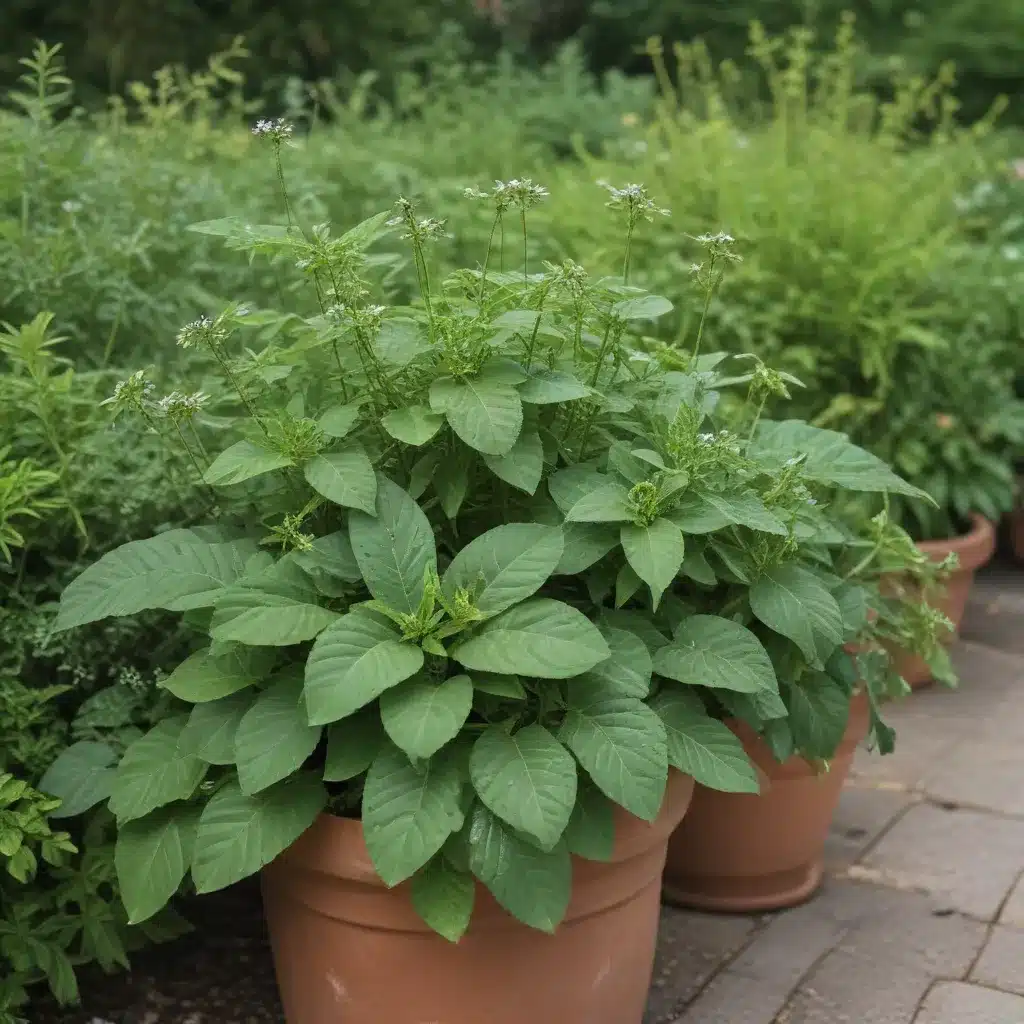
Imagine a cozy, mosquito-free nook on your balcony, adorned with fragrant citronella and lavender plants in stylish, colorful containers. Or perhaps a lush, mosquito-deterring oasis on your patio, complete with cascading peppermint and rosemary spilling over the edges of your planters.
The beauty of this approach is that you can easily move your mosquito-repelling plants around, adjusting their placement to suit your needs and the ever-changing outdoor environment. Plus, container gardening allows you to experiment with different combinations and get creative with your plant selections, all while keeping those pesky mosquitoes at bay.
Mosquito-Repelling Plants: Beyond the Backyard
While we’ve primarily focused on using these botanical wonders to create a mosquito-free haven in our own backyards, the applications of mosquito-repelling plants don’t stop there. In fact, these versatile, fragrant plants can be employed in a variety of settings to help us reclaim our outdoor spaces and enjoy the great outdoors without the constant threat of mosquito attacks.
Enhancing Camping and Outdoor Adventures
Imagine setting up your campsite or picnic area and not having to worry about being devoured by swarms of mosquitoes. By strategically incorporating mosquito-repelling plants into your outdoor adventures, you can create a peaceful, bug-free oasis, even in the heart of nature.
Simply tuck some potted citronella, lavender, or peppermint plants into your camping gear, and you’ll have an instant, portable mosquito deterrent. Or, if you’re planning a picnic or outdoor event, surround your designated seating areas with these fragrant botanical champions to keep those pesky insects at bay.
Beautifying Public Spaces and Community Gardens
But the mosquito-repelling magic doesn’t have to be limited to our personal outdoor retreats. Imagine a world where public parks, community gardens, and even urban green spaces were adorned with these fragrant, insect-deterring plants, creating a true oasis of calm amidst the hustle and bustle of daily life.
By partnering with local authorities and community groups, we can advocate for the strategic integration of mosquito-repelling plants into the design and maintenance of these shared outdoor spaces. Imagine strolling through a lush, lavender-scented pathway or enjoying a picnic in a marigold-bordered gazebo, all while blissfully free from the constant threat of mosquito bites.
Enhancing Mosquito-Repelling Efforts at Outdoor Events
And let’s not forget about those much-anticipated summer gatherings, from backyard barbecues to outdoor concerts and festivals. By incorporating mosquito-repelling plants into the event planning process, we can create a truly memorable and, more importantly, pest-free experience for all our guests.
Imagine a festival grounds adorned with cascading rosemary and citronella plants, or a wedding reception where the newlyweds and their guests can dance the night away without the constant swatting and slapping. These botanical champions can transform any outdoor event into a mosquito-free oasis, allowing us to fully immerse ourselves in the festivities without the unwelcome intrusion of those pesky, whining insects.
A Greener, Safer Future: Embracing Mosquito-Repelling Plants
As we’ve explored, the power of mosquito-repelling plants lies not only in their ability to create a peaceful, pest-free outdoor sanctuary but also in their potential to shape a more sustainable and environmentally-friendly future.
In a world increasingly conscious of the negative impacts of chemical-based insecticides and repellents, these natural, fragrant botanicals offer a refreshing alternative. By embracing mosquito-repelling plants, we can reduce our reliance on potentially harmful synthetic solutions, contributing to a healthier, more eco-friendly ecosystem.
Moreover, these plants don’t just repel mosquitoes – they also attract beneficial pollinators like bees and butterflies, helping to maintain the delicate balance of our local habitats. It’s a win-win situation, where we can enjoy the beauty and fragrance of our gardens while playing a vital role in supporting the natural world around us.
So, as we bid farewell to the never-ending battle against mosquitoes and welcome the serene, bug-free bliss of our mosquito-repelling plant-filled outdoor spaces, let’s also embrace the larger implications of this botanical revolution. Together, we can create a greener, safer, and more sustainable future, one fragrant, mosquito-deterring plant at a time.
Are you ready to transform your outdoor living spaces into a mosquito-free oasis? Explore our wide selection of mosquito-repelling plants and let us help you create your very own botanical fortress against those pesky, buzzing intruders. Visit our website to learn more about our services and how we can assist you in cultivating your dream, pest-free backyard sanctuary.


