
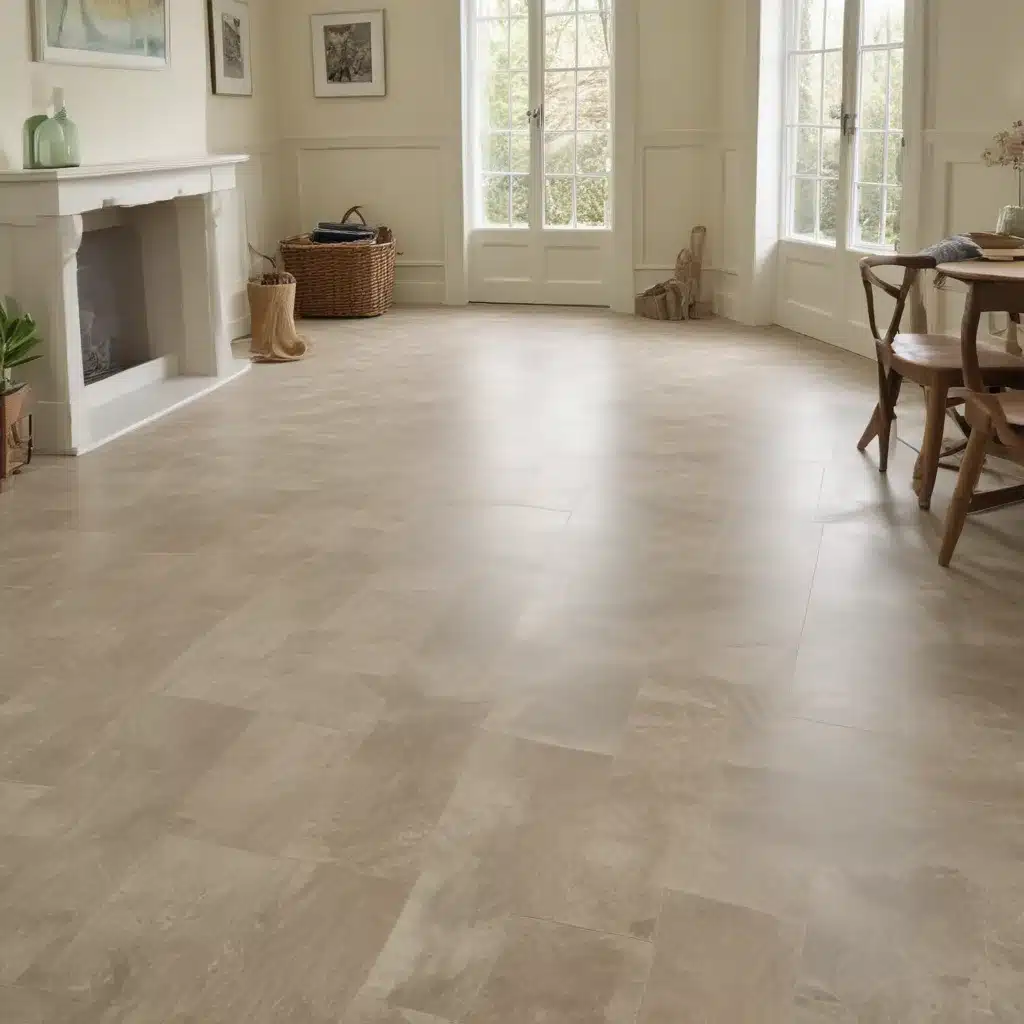
Discovering the Vibrant World of Natural Linoleum
Ah, the age-old question that plagues homeowners and renovators alike – what type of flooring should I choose for my abode? Shall it be the sleek and modern tile, the timeless hardwood, or perhaps the cozy and inviting carpet? Well, my friends, allow me to introduce you to a flooring option that ticks all the boxes and more: natural linoleum.
You see, I stumbled upon the wonders of linoleum quite by accident. I was in the midst of planning a complete overhaul of my kitchen, and I simply couldn’t decide on the right flooring. That was until I chanced upon a small, unassuming showroom in the heart of Aberdeen, UK. The moment I stepped inside, I was greeted by a kaleidoscope of vibrant colors and patterns, each one more mesmerizing than the last.
It was love at first sight, and I knew I had to learn more about this magical material called linoleum. Little did I know that my journey of discovery was about to take me on a whirlwind adventure, filled with fascinating history, cutting-edge design, and a deep dive into the realm of sustainability. So, strap in, my friends, because I’m about to take you on a wild ride through the wonderful world of natural linoleum flooring.
The Storied Past of Linoleum
Now, you might be wondering, “Linoleum? Isn’t that something our grandparents used to have in their kitchens?” Well, my friends, you’re not wrong. Linoleum has been around for centuries, and its origins can be traced back to the mid-19th century.
In 1855, a British inventor by the name of Frederick Walton stumbled upon a curious substance while experimenting with oxidized linseed oil. This substance, which he later named “linoleum,” was a durable and waterproof material that could be used as a floor covering. Walton’s invention quickly gained popularity, and by the late 19th century, linoleum was being mass-produced and used in homes and businesses around the world.
But the story of linoleum doesn’t end there. Over the years, it has undergone a remarkable transformation, evolving from a utilitarian floor covering to a highly versatile and stylish material. In the early 20th century, linoleum manufacturers began experimenting with new design techniques, creating intricate patterns and bold colors that captivated the public’s imagination.
Imagine stepping into a grand, Art Deco-inspired lobby, the floor a stunning mosaic of geometric shapes and rich hues. Or envision a cozy, mid-century modern kitchen, the linoleum floor a refreshing blend of earthy tones and playful patterns. Linoleum has truly been a chameleon, adapting to the changing tastes and design trends of each era.
Eco-Friendly and Sustainable
But the true magic of linoleum lies not just in its aesthetic appeal, but in its remarkable eco-friendly and sustainable properties. You see, natural linoleum is made from a unique blend of natural materials, including linseed oil, wood flour, and cork dust. These ingredients are all derived from renewable sources, making linoleum a highly sustainable flooring option.
In fact, the production of linoleum is a remarkably eco-conscious process. The linseed oil is harvested from flax plants, which are grown without the use of synthetic fertilizers or pesticides. The wood flour is a byproduct of the timber industry, and the cork dust is sourced from sustainable cork harvesting. Even the backing of linoleum, which is typically made from jute or canvas, is biodegradable and can be easily recycled.
But the sustainability of linoleum doesn’t stop there. Unlike many synthetic flooring materials, linoleum is also completely biodegradable and can be safely disposed of at the end of its lifespan. And, perhaps most impressively, linoleum has an incredibly long lifespan, with some installations lasting for over 50 years!
Now, I know what you’re thinking – “That’s all well and good, but what about the durability and performance of linoleum?” Well, my friends, let me assure you that natural linoleum is no slouch when it comes to practical considerations. It is highly resistant to wear and tear, and its smooth, seamless surface is easy to clean and maintain. Plus, linoleum is naturally antimicrobial, making it an excellent choice for high-traffic areas like kitchens and bathrooms.
Endless Design Possibilities
But the true joy of natural linoleum lies in its endless design possibilities. Unlike the linoleum of the past, which was often associated with a dated, institutional aesthetic, today’s linoleum is a true chameleon, able to blend seamlessly with a wide range of design styles.
Imagine a sleek, modern kitchen with a linoleum floor in a bold, abstract pattern that perfectly complements the clean lines of the cabinetry and appliances. Or picture a cozy, rustic-inspired living room, the linoleum floor a warm and inviting blend of earthy tones and organic textures.
The beauty of linoleum lies in its versatility, allowing you to truly personalize your space and create a one-of-a-kind look. And with a seemingly endless array of colors, patterns, and designs to choose from, the possibilities are truly limitless.
But don’t just take my word for it. Let’s take a closer look at some of the stunning linoleum installations that have caught my eye over the years.
Showcasing Linoleum’s Design Prowess
One of my personal favorites is a project I stumbled upon in a quaint little town just outside of Aberdeen. The owners of a charming bed and breakfast had decided to give their property a complete overhaul, and they knew that the flooring would be a crucial component of the design.
After carefully considering their options, they settled on a rich, earthy-toned linoleum in a classic herringbone pattern. The result was nothing short of breathtaking. The warm, inviting hues of the linoleum perfectly complemented the rustic, exposed beams and the cozy, country-style furnishings, creating a space that felt both timeless and utterly inviting.
But linoleum’s design prowess isn’t limited to just traditional or rustic settings. Take, for example, the sleek and modern offices of a local tech company. The designers had opted for a bold, geometric linoleum pattern in shades of grey and white, which perfectly echoed the clean lines and minimalist aesthetic of the space.
And let’s not forget the stunning, Art Deco-inspired lobby of a landmark hotel in the heart of Aberdeen. The linoleum floor was a mesmerizing display of intricate patterns and rich, jewel-toned hues, transporting visitors back to the glamour and elegance of a bygone era.
These are just a few examples of the incredible design versatility that natural linoleum offers. Whether you’re looking to create a cozy, inviting atmosphere or a sleek, modern aesthetic, linoleum has the power to transform any space into a true work of art.
The Rise of Sustainable Flooring
But the true beauty of natural linoleum goes beyond just its aesthetic appeal. In a world that is increasingly conscious of the environmental impact of our choices, the sustainability of our building materials has become a top priority for homeowners and designers alike.
And that’s where linoleum shines. As I mentioned earlier, this remarkable flooring material is made from a unique blend of natural, renewable ingredients, making it a truly eco-friendly option. But the story doesn’t end there.
In recent years, there has been a growing movement towards sustainable and environmentally-responsible building practices, and linoleum has been at the forefront of this revolution. Homeowners and designers alike are recognizing the importance of choosing materials that are not only beautiful and long-lasting but also gentle on the planet.
And the demand for sustainable flooring options like linoleum has been steadily on the rise. In fact, a recent study conducted by a leading industry research firm found that the global linoleum market is expected to grow by over 5% in the next five years, with a significant portion of that growth driven by the increasing popularity of eco-friendly building materials.
But it’s not just the numbers that are telling. The stories of the people who have chosen linoleum for their homes and businesses are equally compelling. Take, for example, the owners of a local organic farm who opted for a vibrant, nature-inspired linoleum floor in their newly renovated farmhouse kitchen. Or the team of eco-conscious designers who transformed a historic building into a sustainable co-working space, featuring a stunning linoleum installation that perfectly captured the space’s commitment to environmental responsibility.
These stories, and countless others like them, are a testament to the power of natural linoleum to inspire and transform. It’s a material that not only looks beautiful but also aligns with our deepest values and aspirations for a more sustainable future.
The Future of Natural Linoleum
As I reflect on my journey through the world of natural linoleum, I can’t help but feel excited about the future of this incredible material. With its timeless beauty, unparalleled sustainability, and endless design possibilities, linoleum is poised to play a crucial role in the ongoing shift towards eco-friendly building practices.
And the best part? This isn’t just a pipe dream or a distant vision. Linoleum manufacturers and designers are already hard at work, pushing the boundaries of what’s possible and exploring new and innovative ways to bring this remarkable material to life.
Imagine a world where every floor is a work of art, where the very foundation of our spaces is a reflection of our commitment to the planet. That’s the future that linoleum is helping to create, and I, for one, can’t wait to see what the next chapter holds.
So, if you’re a homeowner or a designer looking to make a positive impact with your choices, I urge you to consider the wonders of natural linoleum. It’s a material that not only looks stunning but also aligns with our deepest values and aspirations for a more sustainable future.
And who knows, maybe your next project will be the one that inspires others to discover the vibrant and eco-friendly world of linoleum. After all, the future is ours to shape, and with materials like linoleum leading the way, I believe that a brighter, greener tomorrow is well within our reach.


