
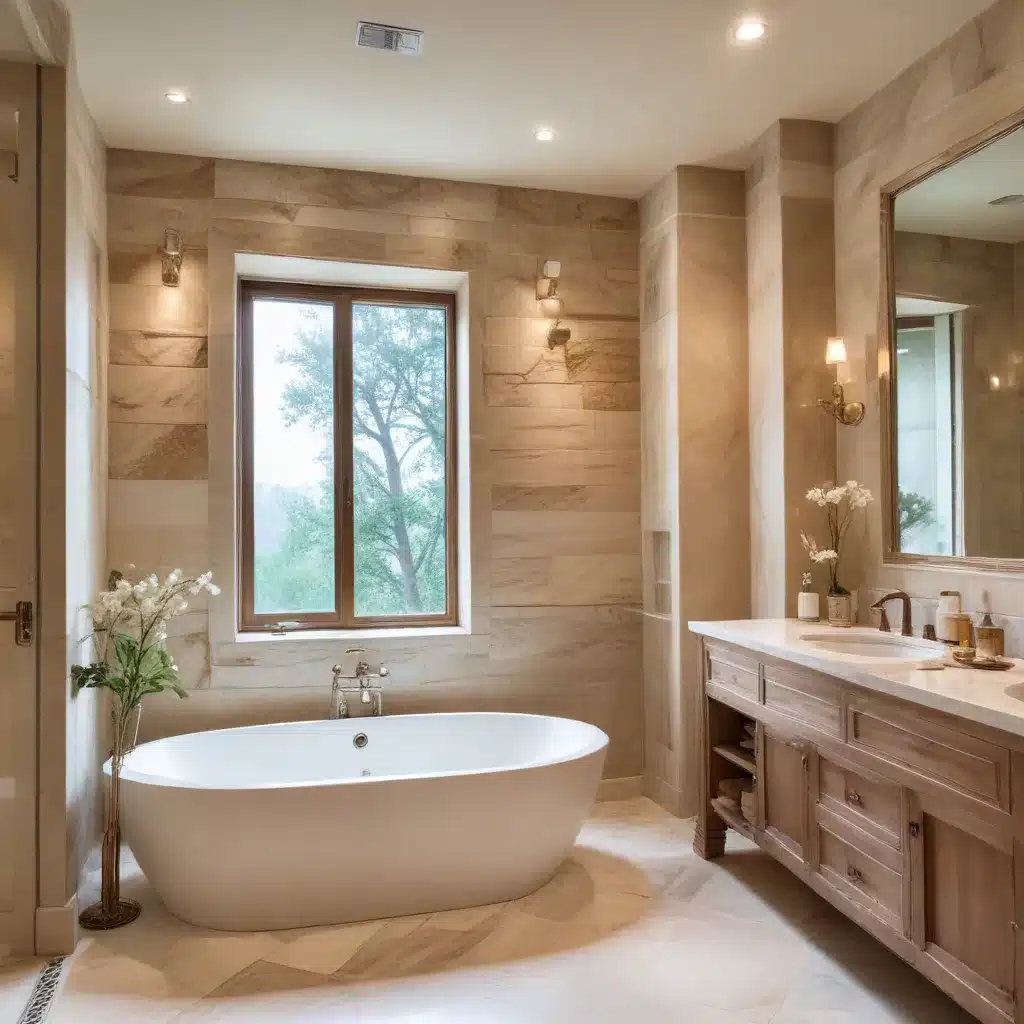
Understanding Natural Stone in Bathroom Design
Natural stone has long been a hallmark of luxury bathroom design. As a home construction specialist, I’ve seen firsthand how materials like marble, granite, and limestone can transform an ordinary bathroom into a spa-like retreat. These stones bring a timeless elegance and durability that’s hard to match with synthetic materials.
When considering natural stone for a bathroom, it’s essential to understand the unique properties of each type. Marble, for instance, is renowned for its classic beauty and distinctive veining patterns. I’ve worked with homeowners who’ve fallen in love with the way light plays across a marble surface, creating a sense of depth and movement.
Granite, on the other hand, offers exceptional durability and resistance to moisture. In my experience, it’s an excellent choice for high-traffic bathrooms or households with children. The natural variations in granite’s pattern can also add visual interest to your space.
Limestone is another popular option, prized for its soft, earthy tones. I’ve found that limestone can create a warm, inviting atmosphere in a bathroom, especially when paired with natural wood elements or soft lighting.
Selecting the Right Stone for Your Bathroom
Choosing the perfect stone for your bathroom involves more than just aesthetics. You’ll need to consider factors like porosity, maintenance requirements, and how the stone will perform in a high-moisture environment.
In my years of working with natural stone, I’ve developed a keen eye for matching stone types to specific bathroom needs. For example, if you’re designing a steam shower, you’ll want to opt for a less porous stone like granite or quartzite to prevent moisture absorption.
Here’s a comparison of some popular natural stones for bathrooms:
| Stone Type | Porosity | Maintenance | Best For |
|---|---|---|---|
| Marble | High | High | Vanities, accent walls |
| Granite | Low | Low | Countertops, flooring |
| Limestone | Medium | Medium | Flooring, shower walls |
| Travertine | High | High | Decorative elements |
Remember, the right choice depends on your specific needs and preferences. I always recommend touching and seeing samples in person before making a final decision.
Installation Techniques for Natural Stone
Installing natural stone in a bathroom requires precision and expertise. Over the years, I’ve refined my techniques to ensure that each installation not only looks beautiful but also stands the test of time.
One crucial aspect of natural stone installation is proper sealing. This process helps protect the stone from moisture and staining. I always apply a high-quality sealer before and after installation to create a robust barrier against water and other potential contaminants.
When it comes to grouting, I prefer to use a color that closely matches the stone. This creates a more seamless look and allows the natural beauty of the stone to take center stage. For lighter stones like marble, I often recommend an epoxy grout, which resists staining and discoloration over time.
Proper support is another critical factor in natural stone installation. These materials are heavy, and inadequate support can lead to cracking or shifting over time. I always ensure that the subfloor is level and sturdy enough to bear the weight of the stone.
Daily Care and Maintenance of Natural Stone
Maintaining the beauty of natural stone in a bathroom requires consistent care. From my experience, a little regular attention goes a long way in preserving the stone’s appearance and integrity.
For daily cleaning, I recommend using a pH-neutral cleaner specifically formulated for natural stone. Avoid acidic or abrasive cleaners, as these can etch the surface of the stone and dull its finish. A soft microfiber cloth is ideal for wiping down surfaces without causing scratches.
In shower areas, it’s important to squeegee the stone after each use to prevent water spots and mineral buildup. I also advise my clients to keep a small towel in the shower for quick wipe-downs of walls and floors.
Periodic deep cleaning and resealing are essential for maintaining natural stone. The frequency depends on the stone type and usage, but generally, I recommend resealing every 6-12 months for high-traffic areas.
Addressing Common Issues with Natural Stone
Even with proper care, natural stone can sometimes develop issues in a bathroom setting. As a specialist, I’ve encountered and addressed numerous problems over the years.
One common issue is etching, which occurs when acidic substances come into contact with the stone. To prevent this, I advise clients to be cautious with personal care products and to clean up spills immediately. If etching does occur, professional polishing can often restore the surface.
Staining is another concern, particularly with more porous stones like marble. I’ve found that applying a poultice can effectively draw out many types of stains. For stubborn stains, professional restoration may be necessary.
Cracking or chipping can happen due to impacts or improper installation. Small chips can often be repaired with color-matched epoxy, while larger cracks may require replacing the affected tile or slab.
Enhancing Natural Stone with Complementary Materials
While natural stone is beautiful on its own, I’ve found that pairing it with complementary materials can elevate the overall design of a bathroom. In my projects, I often combine stone with elements like wood, glass, and metal to create a balanced and luxurious aesthetic.
For example, a marble vanity top can be beautifully accented with brushed brass fixtures. The warmth of the metal contrasts nicely with the cool tones of the stone. Similarly, pairing a limestone floor with rich wooden cabinetry can create a harmonious, spa-like atmosphere.
Glass shower enclosures are another excellent way to showcase natural stone. I’ve designed many bathrooms where a frameless glass shower allows the beauty of a stone-tiled wall to be fully appreciated.
When selecting complementary materials, consider not just the visual appeal but also the practical aspects. For instance, I often recommend using non-slip glass mosaic tiles in wet areas to enhance safety without compromising on style.
Innovative Uses of Natural Stone in Bathroom Design
Throughout my career, I’ve seen natural stone used in countless creative ways in bathroom design. One trend I particularly appreciate is the use of book-matched stone slabs to create stunning feature walls. This technique involves placing two slabs side by side to create a mirrored pattern, resulting in a dramatic, almost art-like effect.
Another innovative approach I’ve implemented is using stone offcuts to create unique mosaic patterns. This not only reduces waste but also allows for the creation of one-of-a-kind designs that can serve as a focal point in the bathroom.
For clients looking for a truly luxurious touch, I’ve designed bathrooms with heated stone floors. This not only adds comfort but also helps to dry the stone more quickly after use, reducing the risk of water damage and slips.
In some high-end projects, I’ve even incorporated natural stone into unexpected elements like sink basins or bathtubs. These bespoke pieces become striking sculptures in their own right, elevating the entire bathroom to a work of art.
Sustainability Considerations in Natural Stone Usage
As awareness of environmental issues grows, I’ve noticed an increasing interest in sustainable bathroom design. Natural stone can be an excellent choice for eco-conscious homeowners when sourced and used responsibly.
One approach I often recommend is using locally sourced stone. This reduces transportation emissions and supports local economies. I’ve worked with several quarries in the UK that produce beautiful limestones and sandstones perfect for bathroom applications.
Another sustainable practice is to choose stones that are abundant and easily replenished. For example, certain types of granite are so plentiful that their use has minimal environmental impact.
Recycled or reclaimed stone is another option I’ve explored with clients. Old stone tiles or slabs can be refinished and repurposed, giving them new life in a modern bathroom while reducing demand for newly quarried materials.
It’s also worth considering the longevity of natural stone. While it may have a higher upfront cost, its durability means it won’t need to be replaced as frequently as some synthetic materials, potentially reducing waste over time.
Adapting Natural Stone for Different Bathroom Styles
One of the things I love about working with natural stone is its versatility. Over the years, I’ve incorporated it into bathrooms of various styles, from ultra-modern to traditionally classic.
For contemporary bathrooms, I often recommend large-format stone tiles or slabs with minimal grout lines. This creates a sleek, uncluttered look that’s very much in vogue. Pairing a light-colored stone with dark, matte fixtures can create a striking contrast that feels both modern and timeless.
In more traditional settings, I might use smaller stone tiles laid in classic patterns like herringbone or basketweave. These intricate designs can add texture and interest to the space without overwhelming it.
For rustic or country-style bathrooms, rough-hewn stone like slate or travertine can add character and warmth. I’ve found that combining these textured stones with wooden elements creates a cozy, natural feel that many homeowners love.
In eclectic designs, I enjoy mixing different types of stone to create unique, personalized spaces. For instance, I might use a bold marble for the vanity top, paired with a more subdued limestone for the flooring.
Future Trends in Natural Stone for Bathrooms
As someone who’s been in the industry for many years, I’m always excited to see how trends in natural stone evolve. One emerging trend I’ve noticed is the use of more dramatic, colorful stones. While white marble has long been a favorite, I’m seeing increased interest in stones with bold veining or unusual colors like deep greens and rich blues.
Another trend I’m keeping an eye on is the use of technology in stone processing. New cutting and finishing techniques are allowing for more intricate patterns and textures, opening up new design possibilities. For example, I recently worked on a project where we used water jet cutting to create a stunning mosaic feature wall using various types of stone.
3D-textured stone tiles are also gaining popularity. These add depth and visual interest to walls, creating a dynamic interplay of light and shadow. I’ve used these to great effect in shower enclosures, where they can transform a simple space into something truly special.
Looking ahead, I anticipate we’ll see more integration of natural stone with smart bathroom technology. Imagine a shower enclosure where the stone walls incorporate hidden speakers or lighting elements. These kinds of innovations are just on the horizon, and I’m excited to see how they’ll shape the bathrooms of the future.
Professional Installation: Ensuring Longevity and Beauty
While DIY home improvement has its place, when it comes to installing natural stone in a bathroom, I always recommend professional installation. The complexities involved in working with these materials require specialized knowledge and skills to ensure the best results.
In my experience, professional installation not only guarantees a better-looking final product but also helps prevent costly issues down the line. Proper installation techniques, such as ensuring adequate waterproofing and using the right adhesives and sealants, are crucial for the longevity of your natural stone surfaces.
Moreover, professional installers have access to specialized tools and equipment that can make a significant difference in the quality of the installation. For example, when working with large stone slabs, precise cutting and polishing are essential to achieve seamless joins and perfect edges.
If you’re considering a natural stone bathroom renovation, I recommend consulting with experts who can guide you through the process from selection to installation. Companies like ABC Home offer comprehensive services that can help ensure your natural stone bathroom is both beautiful and built to last.
Balancing Aesthetics and Practicality in Stone Selection
When advising clients on stone selection for their bathrooms, I always emphasize the importance of balancing aesthetics with practicality. While it’s easy to be swayed by the beauty of a particular stone, it’s crucial to consider how it will perform in the specific environment of your bathroom.
For instance, I once worked with a client who was set on using a stunning, highly porous limestone for their shower floor. While visually appealing, I knew from experience that this choice would lead to ongoing maintenance issues and potential safety concerns due to its slippery nature when wet. Instead, we opted for a less porous, textured granite that mimicked the look of limestone but offered better performance in a wet environment.
Another consideration is the overall design of the bathroom. A boldly veined marble might look stunning in a showroom, but in a small bathroom, it can overwhelm the space. In such cases, I often recommend using dramatic stones as accent pieces rather than dominant elements.
It’s also worth thinking about the long-term commitment of your stone choice. Some homeowners love the way certain stones, like marble, develop a patina over time, seeing it as part of the material’s character. Others prefer stones that will maintain their original appearance with minimal change. Understanding these aspects helps ensure that you’ll be happy with your choice for years to come.
Conclusion
Natural stone remains one of the most sought-after materials for luxury bathroom design, and for good reason. Its timeless beauty, durability, and unique character can transform an ordinary bathroom into an extraordinary space. However, as we’ve explored, successful implementation of natural stone in bathrooms requires careful consideration of numerous factors, from selection and installation to ongoing care and maintenance.
Throughout my career, I’ve seen how the right choice of stone, properly installed and maintained, can elevate a bathroom from a purely functional space to a personal sanctuary. Whether you’re drawn to the classic elegance of marble, the rugged beauty of granite, or the warm tones of limestone, there’s a natural stone solution that can bring your bathroom vision to life.
Remember, while the initial investment in natural stone may be higher than some alternatives, its longevity and timeless appeal make it a wise choice for those looking to create a bathroom that will stand the test of time. With proper care, your natural stone bathroom can remain beautiful and functional for decades to come.
As we look to the future, I’m excited to see how innovations in stone processing and smart home technology will further enhance the possibilities for natural stone in bathroom design. Whatever trends may come, I’m confident that natural stone will continue to play a starring role in creating luxurious, personalized bathroom spaces.
For those considering a bathroom renovation or new build, I encourage you to explore the world of natural stone. With the right guidance and expertise, you can create a bathroom that not only meets your practical needs but also serves as a daily source of beauty and tranquility in your home.


