
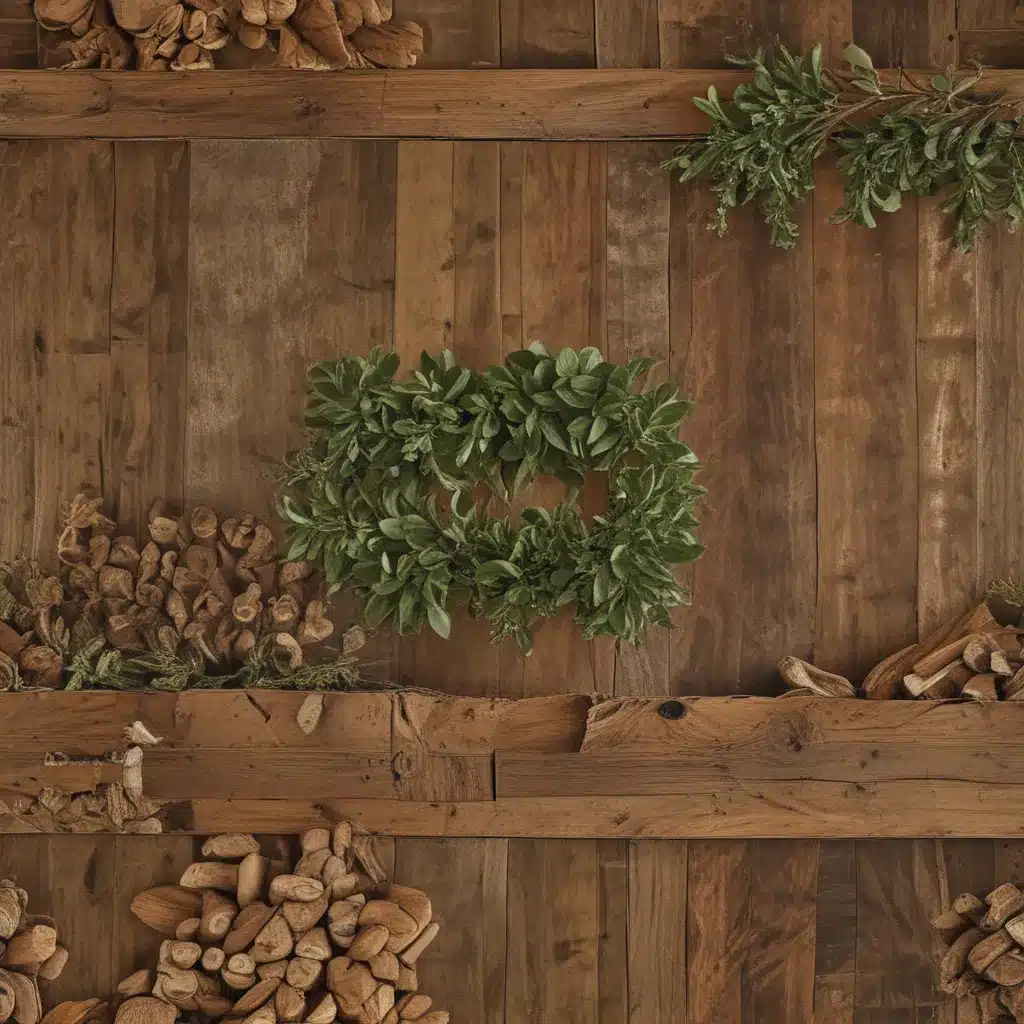
The Call of the Rustic: Embracing the Beauty of Natural Materials
As I stroll through the charming streets of Aberdeen, UK, I can’t help but be captivated by the stunning architecture that adorns the cityscape. The buildings, with their timeless elegance, seem to whisper of a bygone era, a time when craftsmanship and attention to detail were paramount. But what truly catches my eye are the homes and businesses that have embraced the beauty of natural materials, infusing their spaces with a warmth and authenticity that is truly captivating.
I’ve always been drawn to the raw, earthy essence of natural elements, and as I delve deeper into the world of building and renovation, I’ve come to appreciate the profound impact they can have on the overall aesthetic and feel of a space. It’s not just about the visual appeal, but the tactile experience they offer – the smooth, weathered texture of a wood-paneled wall, the rustic charm of a stone fireplace, the inviting warmth of a clay-tiled floor.
Rediscovering the Art of Craftsmanship
In a world dominated by mass-produced, cookie-cutter designs, I find myself craving the unique and the bespoke. And what better way to achieve this than by embracing the use of organic materials in our homes and businesses? These natural elements are not just a design choice; they are a testament to the enduring artistry of skilled craftsmanship.
I’ve had the privilege of working with some of the most talented artisans in the region, and I’ve been awestruck by the level of care and attention they bring to their work. Whether it’s a custom-built kitchen featuring handcrafted cabinetry or a stunning staircase made from reclaimed wood, the passion and dedication of these skilled craftspeople is palpable.
The Sustainable Advantage: Embracing the Earth’s Abundance
But the appeal of natural materials goes beyond their aesthetic qualities; it also extends to their environmental impact. In an age where sustainability is of paramount importance, I believe that harnessing the abundance of the earth’s resources is not just a wise choice, but a moral imperative.
The use of organic materials, such as wood, stone, and clay, not only reduces our carbon footprint but also supports local economies and celebrates the rich heritage of traditional building techniques. By choosing these materials, we’re not just creating stunning spaces, but also contributing to a more sustainable future.
Crafting a Timeless Legacy: The Enduring Beauty of Natural Materials
As I work with my clients to reimagine their spaces, I’m often struck by the timeless quality of natural materials. Unlike their synthetic counterparts, which can feel cold and impersonal, these organic elements seem to possess a soul, a story waiting to be told.
I’ve seen how a simple wooden beam can transform a room, lending it a sense of warmth and character that no mass-produced item could ever hope to replicate. And the way the light plays across the surface of a stone wall, casting ever-changing shadows and highlights, is a mesmerizing dance that never fails to captivate.
Embracing the Rustic Charm: Finding Balance in Design
But there’s a delicate balance to be struck when incorporating natural materials into a design. Too much, and the space can feel overwhelming, a chaotic jumble of earthy elements. Too little, and the opportunity to create a truly unique and inviting atmosphere is lost.
It’s a dance I’ve mastered over the years, learning to weave these organic materials into a cohesive and harmonious whole. By carefully considering the interplay of textures, colors, and patterns, I’m able to craft spaces that celebrate the beauty of nature while still maintaining a sense of modern sophistication.
Connecting with the Rhythm of the Earth: The Therapeutic Benefits of Natural Materials
And as I’ve delved deeper into the world of building and renovation, I’ve come to realize that the use of natural materials offers far more than just aesthetic benefits. There’s a therapeutic quality to these organic elements that can have a profound impact on our well-being.
Studies have shown that the presence of natural materials in our environments can have a calming effect, reducing stress and promoting a sense of overall well-being. The tactile experience of running our fingers over a smooth, weathered surface or the soothing sound of a crackling fireplace can trigger a deep, primal response within us, connecting us to the rhythm of the earth in a way that synthetic materials simply cannot.
Crafting a Sustainable Future: The Responsible Choice
But the benefits of embracing natural materials go beyond the personal; they also extend to the larger context of environmental responsibility. By choosing to incorporate these organic elements into our building and renovation projects, we’re not just creating beautiful spaces, but also contributing to a more sustainable future.
The use of renewable resources, such as sustainably harvested wood, not only reduces our carbon footprint but also supports local economies and preserves the rich heritage of traditional building techniques. And as we strive to minimize our impact on the planet, the selection of natural materials becomes a powerful statement of our commitment to the well-being of our communities and the world around us.
Rediscovering the Joys of Craftsmanship: A Collaborative Journey
As I work with my clients to bring their visions to life, I’m always thrilled to witness the transformative power of natural materials. But the true joy comes in the collaborative process, the shared journey of exploration and discovery.
I love watching the excitement in their eyes as they run their fingers over a piece of reclaimed wood or feel the weight of a carefully crafted stone tile. It’s in these moments that I’m reminded of the profound connection we can forge with the natural world, and the deep sense of fulfillment that comes from crafting something truly unique and enduring.
Embracing the Unexpected: The Beauty of Imperfection
And let’s not forget the sheer beauty of imperfection. In a world that often values perfection above all else, I find myself drawn to the subtle flaws and variations that come with the use of natural materials. The knots and grains in a piece of wood, the uneven texture of a hand-laid brick wall – these are the very things that lend a space its character and charm.
It’s a philosophy that extends beyond just the physical materials; it’s a way of approaching design that celebrates the beauty of the unexpected, the unplanned, and the serendipitous. By embracing these imperfections, we create spaces that feel truly alive, spaces that invite us to slow down, to savor the moment, and to connect with the world around us in a deeper, more meaningful way.
A Legacy of Craftsmanship: Passing the Torch to Future Generations
As I reflect on my journey in the world of building and renovation, I’m filled with a deep sense of gratitude and responsibility. The use of natural materials is not just a design choice; it’s a legacy that we have the privilege of passing on to future generations.
https://abc-home.co.uk/kitchen-fitting/
By championing the art of craftsmanship and the beauty of organic elements, we’re not just creating stunning spaces – we’re also preserving the rich cultural heritage of our region. And as we work with our clients to bring their visions to life, we’re not just building houses or businesses; we’re crafting living, breathing spaces that will continue to inspire and delight for years to come.
It’s a responsibility that I take on with both humility and pride, knowing that the work we do today will leave an indelible mark on the landscapes and communities we serve. And as I look to the future, I can’t help but feel a sense of excitement and anticipation for the countless possibilities that await, as we continue to push the boundaries of what’s possible with the natural bounty that surrounds us.


