
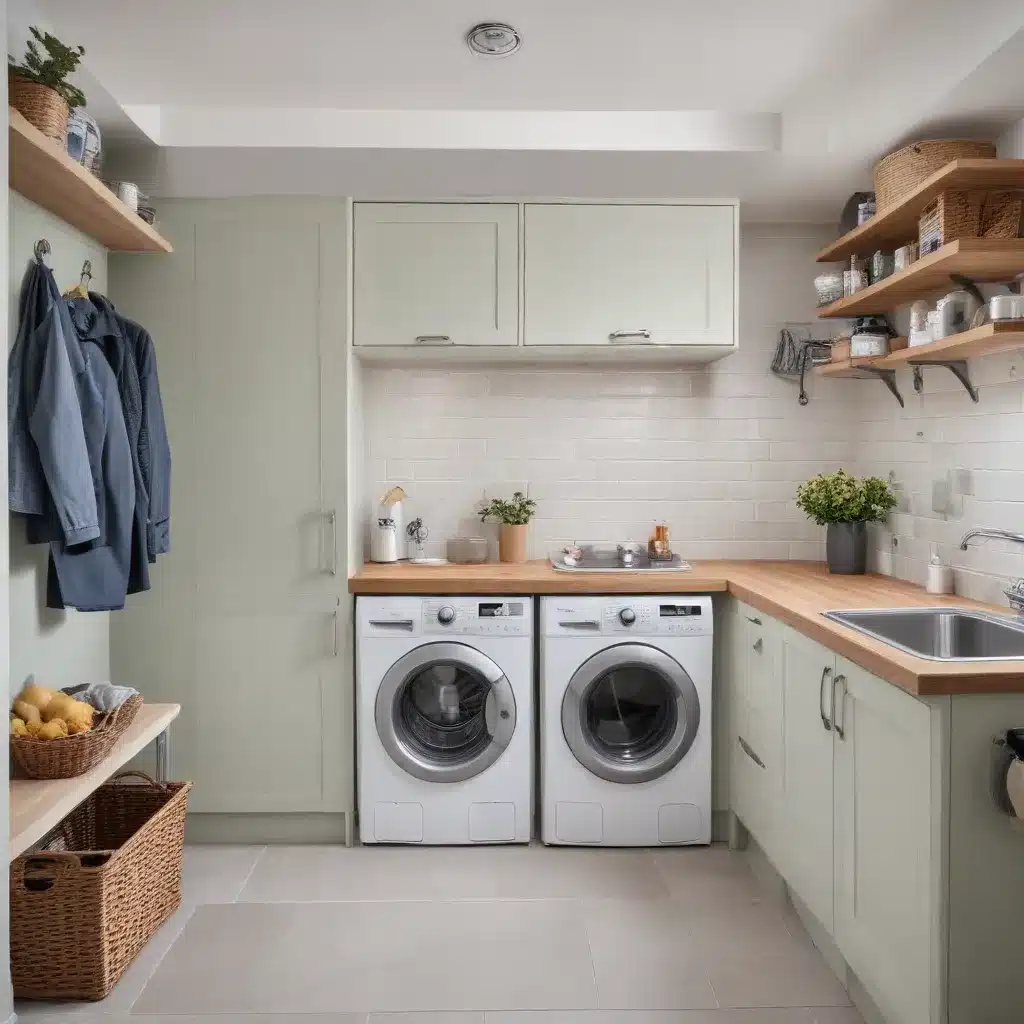
Embracing Efficiency and Regulatory Compliance
As the heart of a home’s daily operations, the utility room plays a pivotal role in ensuring functional and sustainable family living. In the UK, where building regulations and energy efficiency standards are continuously evolving, optimising this space requires a comprehensive understanding of the latest practices and compliance considerations.
In September 2024, UK homeowners and builders must navigate a dynamic landscape of regulatory requirements, cost management strategies, and sustainable design solutions. By aligning your utility room project with these factors, you can create a space that not only meets your family’s practical needs but also upholds the latest safety, energy, and environmental standards.
Navigating UK Building Regulations
The UK’s building regulations, as outlined in the Building Regulations 2010 and subsequent amendments, provide a robust framework for ensuring the safety, accessibility, and energy efficiency of residential properties. When planning your utility room renovation or new construction, it’s crucial to familiarise yourself with the relevant regulations and ensure your design complies with the following key areas:
-
Electrical Safety: The Electrical Safety Standards in the Private Rented Sector (England) Regulations 2020 mandate regular electrical inspections and the use of approved, certified electrical installations. Ensure your utility room design incorporates proper wiring, circuit breakers, and safety measures.
-
Ventilation: The Building Regulations 2010, Part F, outline specific requirements for mechanical ventilation and air quality in utility rooms. Consider incorporating energy-efficient extraction fans and proper air inlet/outlet provisions to maintain a healthy indoor environment.
-
Water Efficiency: Part G of the Building Regulations 2010 addresses water conservation and the use of water-efficient appliances. Select washing machines and other plumbing fixtures that meet the minimum water efficiency standards.
-
Accessibility: The Building Regulations 2010, Part M, focus on accessibility and inclusivity, particularly for individuals with disabilities. Ensure your utility room design considers proper door widths, maneuverable spaces, and adjustable features to accommodate diverse needs.
-
Fire Safety: Part B of the Building Regulations 2010 outlines fire safety requirements, including the use of fire-resistant materials and the installation of smoke alarms. Incorporate these safety measures into your utility room design.
By aligning your utility room project with these regulatory requirements, you can ensure compliance, safeguard your family’s wellbeing, and potentially qualify for energy-efficiency incentives or rebates offered by local authorities or utility providers.
Optimising Functionality and Storage
Beyond regulatory compliance, the design of your utility room should prioritise functionality and storage solutions to streamline your family’s daily routines. Consider the following strategies to maximise the usability of this versatile space:
-
Appliance Placement: Strategically position your washing machine, dryer, and other appliances to minimise traffic flow and optimise the available floor space. Explore stacking options or side-by-side configurations to save square footage.
-
Storage Solutions: Incorporate a variety of storage elements, such as shelves, cabinets, and baskets, to neatly organise laundry supplies, cleaning products, and seasonal items. Utilise vertical space by installing floor-to-ceiling storage units.
-
Folding and Ironing Stations: Designate a dedicated folding and ironing area, either with a built-in countertop or a fold-down surface, to streamline the post-wash process.
-
Hamper Integration: Integrate hampers or laundry sorters directly into your utility room design, making it easy to sort and transfer dirty clothes.
-
Customised Cabinetry: Tailor your cabinetry and storage solutions to your specific needs, incorporating features like pull-out shelves, adjustable racks, and dedicated spaces for commonly used items.
By optimising the functionality and storage capabilities of your utility room, you can create a space that enhances efficiency, reduces clutter, and simplifies your family’s daily chores.
Embracing Sustainable Design Practices
In the UK, there is a growing emphasis on sustainable building practices, driven by the government’s commitment to achieving net-zero emissions by 2050. When designing your utility room, consider incorporating the following eco-friendly strategies:
-
Energy-Efficient Appliances: Select washing machines, dryers, and other utility room appliances that carry high energy-efficiency ratings, such as those with the Energy Star or EU Energy Label certifications. These appliances can significantly reduce your household’s energy consumption and utility bills.
-
Water Conservation: Opt for water-efficient washing machines and consider installing a greywater system to reuse wastewater for tasks like toilet flushing or garden irrigation, further reducing your environmental impact.
-
Lighting and Ventilation: Maximise natural lighting through strategic window placement and consider energy-efficient LED lighting fixtures. Ensure proper ventilation to improve indoor air quality and reduce the need for excessive cooling or heating.
-
Sustainable Materials: Choose environmentally friendly building materials, such as reclaimed wood, recycled plastic, or bamboo, for your utility room’s cabinetry, countertops, and flooring. These materials can contribute to a more sustainable design while often being long-lasting and easy to maintain.
-
Waste Reduction: Incorporate dedicated spaces or systems for waste sorting and recycling, making it easier for your family to divert materials from landfills and support the circular economy.
By embracing sustainable design practices in your utility room, you can not only reduce your home’s environmental footprint but also take advantage of potential incentives or rebates offered by local authorities or utilities for energy-efficient upgrades.
Cost Considerations and Budget Planning
Renovating or building a utility room in the UK can involve significant financial investment, but careful planning and cost management can help ensure a successful project. Consider the following factors when budgeting for your utility room:
- Material Costs: Research the current prices of building materials, cabinetry, appliances, and fixtures in your local area. Factors such as the choice of sustainable or premium materials can significantly impact your overall budget.
| Material | Average Cost (GBP) |
|---|---|
| Laminate Countertop | £50 – £100 per sq. m |
| Quartz Countertop | £200 – £500 per sq. m |
| Ceramic Tiles | £20 – £50 per sq. m |
| Vinyl Flooring | £15 – £30 per sq. m |
| Energy-Efficient Washing Machine | £400 – £1,000 |
-
Labour and Installation Costs: Factor in the expenses for hiring skilled tradespeople, such as plumbers, electricians, and carpenters, to ensure your utility room is installed and integrated properly.
-
Regulatory Compliance Costs: Budget for any necessary permits, inspections, or additional requirements to meet UK building regulations, which can vary depending on your location and the scope of the project.
-
Energy-Efficiency Incentives: Research and take advantage of any government or utility-sponsored rebates, tax credits, or grants available for energy-efficient upgrades, which can help offset the initial investment.
-
Contingency Funds: Set aside a portion of your budget (typically 10-20%) to account for unexpected expenses or design changes that may arise during the renovation or construction process.
By carefully planning your budget and considering the various cost factors, you can create a utility room that meets your family’s needs while aligning with your financial resources and UK building regulations.
Conclusion
Optimising your utility room for functional and sustainable family living in the UK requires a comprehensive understanding of the latest building regulations, design practices, and cost management strategies. By prioritising compliance, functionality, and eco-friendly solutions, you can create a utility room that not only streamlines your daily routines but also contributes to a more energy-efficient and environmentally responsible home.
Remember, consulting with local building authorities, reputable contractors, and sustainable design experts can be invaluable in navigating the nuances of utility room optimisation in the UK. To further explore the possibilities for your home, I encourage you to visit https://abc-home.co.uk/, a trusted resource for homeowners and builders seeking guidance on all aspects of residential construction and renovation in the UK.


