
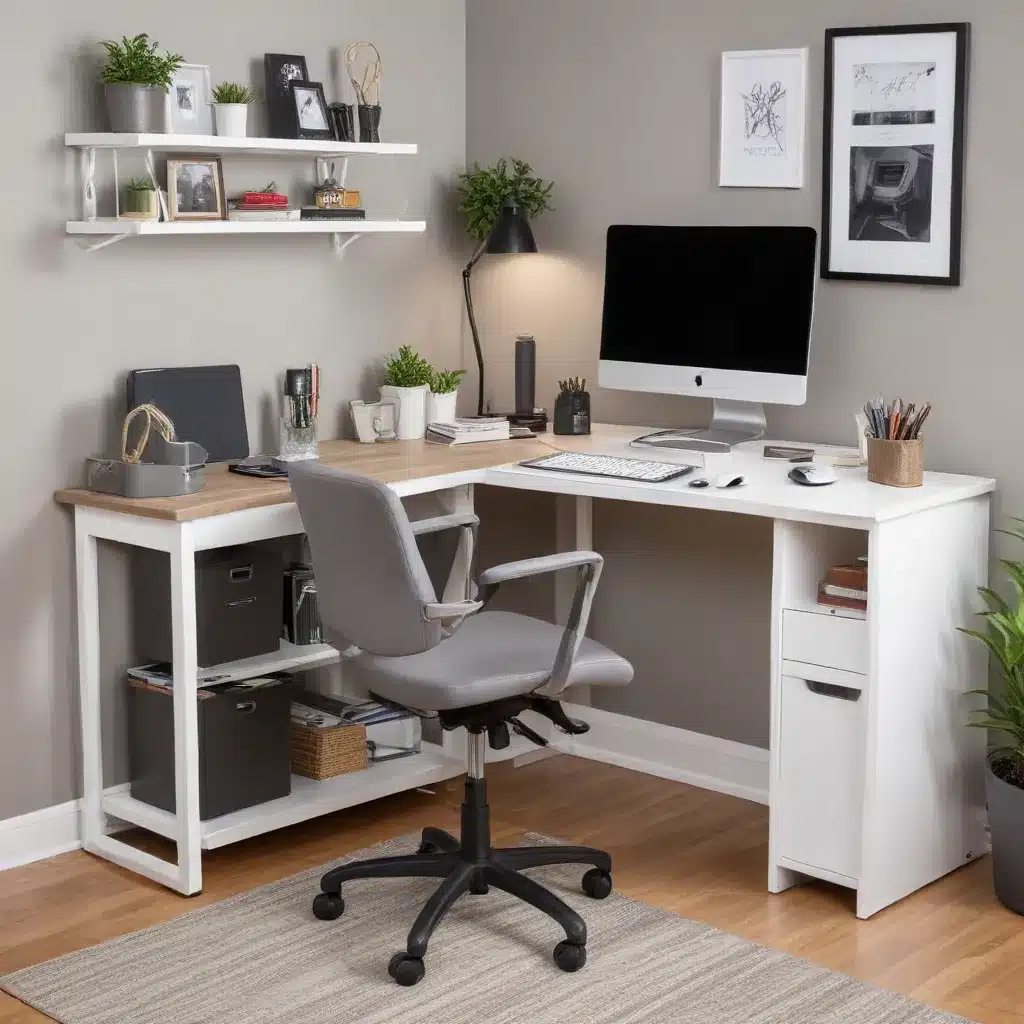
Optimizing Your Home Office: A Guide to Multifunctional Furniture and Sustainable Building Practices in the UK
In the ever-evolving landscape of home-based work and remote employment, the need for efficient and adaptable home office spaces has become paramount. As businesses in the UK continue to embrace flexible work arrangements, homeowners and professionals alike are seeking innovative solutions to maximize their limited square footage and create productive, ergonomic, and visually appealing workspaces.
Navigating UK Building Regulations for Home Office Spaces
When it comes to setting up a home office in the UK, understanding and adhering to local building regulations is crucial. The Building Regulations 2010 outlines a comprehensive set of standards that homeowners must follow to ensure the safety, accessibility, and sustainability of any new construction or renovation projects.
For home office spaces, the key regulations to consider include:
-
Minimum Room Sizes: The UK’s Approved Document F1 stipulates that habitable rooms, including home offices, must have a minimum floor area of 7.0 square meters (75 square feet) and a minimum room height of 2.3 meters (7.5 feet). This ensures adequate space for furniture, equipment, and comfortable movement.
-
Ventilation and Indoor Air Quality: Regulations mandate the installation of effective ventilation systems to maintain healthy indoor air quality, reducing the risk of respiratory issues and promoting overall well-being. Homeowners must comply with the ventilation requirements outlined in Approved Document F.
-
Electrical Safety: The Electrical Safety Standards in the Private Rented Sector (England) Regulations 2020 and the Electrical Equipment (Safety) Regulations 1994 specify the necessary safety measures for electrical installations and appliances in home office environments.
-
Lighting and Accessibility: Homeowners must adhere to the lighting and accessibility standards outlined in Approved Document M, ensuring that the home office is well-lit and easily navigable for all users, including those with disabilities.
-
Energy Efficiency: The UK’s drive towards sustainable building practices is reflected in the Energy Performance of Buildings Regulations 2012, which mandate the implementation of energy-efficient features, such as insulation, double-glazed windows, and energy-efficient lighting, to reduce the carbon footprint of home office spaces.
By understanding and complying with these regulations, homeowners can create a home office environment that is not only functional and productive but also safe, accessible, and environmentally responsible.
Embracing Multifunctional Furniture for Space-Efficient Home Offices
In the realm of home office design, the concept of multifunctional furniture has emerged as a game-changer, particularly for those working with limited square footage. These versatile pieces can serve multiple purposes, optimizing the available space and enhancing the overall functionality of the workspace.
One of the key advantages of multifunctional furniture is its ability to adapt to the evolving needs of the user. A wall-mounted desk, for instance, can be easily folded away when not in use, freeing up valuable floor space for other activities. Similarly, a convertible sofa bed can transform a home office into a guest room, catering to the homeowner’s changing requirements.
Another innovative solution is the balance-ball chair, which not only provides ergonomic support for prolonged sitting but also doubles as a piece of exercise equipment, promoting physical well-being and active engagement during the workday.
When it comes to storage, kitchen tables with built-in drawers and shelves can serve as both a dining surface and a hub for storing office supplies, equipment, and even small appliances, maximizing the efficiency of the available space.
The benefits of multifunctional furniture extend beyond just space optimization. These versatile pieces can also contribute to cost savings, as homeowners can invest in a single item that serves multiple functions, rather than purchasing separate pieces of furniture.
Moreover, the integration of multifunctional furniture can enhance the aesthetic appeal of a home office, creating a cohesive and visually appealing environment that seamlessly blends form and function.
Sustainable Building Practices for Home Office Renovations
As the UK continues its push towards a more eco-conscious future, incorporating sustainable building practices into home office renovations has become increasingly important. Not only do these practices help reduce the environmental impact, but they can also lead to long-term cost savings and improved energy efficiency.
One of the most crucial aspects of sustainable home office design is the selection of energy-efficient building materials. Insulation, for instance, plays a vital role in regulating indoor temperatures, reducing the demand for heating and cooling systems and, ultimately, lowering energy consumption and utility bills.
Similarly, the installation of double-glazed windows can significantly enhance the thermal performance of the home office, minimizing heat loss during the colder months and preventing unwanted heat gain in the summer.
In terms of lighting, the adoption of LED bulbs not only reduces energy usage but also has a longer lifespan, reducing the frequency of replacement and maintenance costs.
Homeowners can also explore the integration of renewable energy sources, such as solar panels, to power their home office operations, further reducing their carbon footprint and utility expenses.
Beyond the physical infrastructure, sustainable building practices also encompass the selection of eco-friendly and durable furniture. Investing in high-quality, long-lasting pieces not only minimizes waste but also contributes to a healthier and more aesthetically pleasing work environment.
By embracing these sustainable building practices, homeowners can create a home office that not only meets their functional needs but also aligns with the UK’s broader environmental goals, setting an example for the industry and their local community.
Optimizing Workflow and Productivity in the Home Office
In addition to the physical design and regulatory considerations, the optimization of workflow and productivity is a crucial aspect of creating an effective home office environment.
One of the key factors in this regard is ergonomic seating, which can significantly reduce the risk of musculoskeletal issues and improve overall comfort during prolonged work sessions. Adjustable office chairs that provide lumbar support and promote proper posture can make a substantial difference in the user’s well-being and focus.
Proper lighting is another essential element in enhancing productivity. The strategic placement of task lighting, such as desk lamps or wall-mounted reading lights, can help reduce eye strain and improve concentration, while ambient lighting can create a warm and inviting atmosphere.
The strategic organization and storage of office supplies and equipment also play a pivotal role in streamlining workflow. Modular shelving units, filing cabinets, and rolling carts can help homeowners keep their workspace clutter-free and easily accessible, minimizing distractions and promoting a sense of order.
Furthermore, the integration of tech-savvy solutions, such as wireless charging stations and cable management systems, can further optimize the home office experience, reducing the visual clutter and ensuring a seamless flow of the workday.
By addressing these practical considerations, homeowners can create a home office environment that not only meets their functional needs but also supports their overall well-being and productivity.
Cost Considerations and Budgeting for Home Office Renovations
When planning a home office renovation, cost management is a critical factor that homeowners must carefully consider. The specific expenses can vary depending on the scope of the project, the chosen materials, and the complexity of the renovations.
Furniture typically accounts for a significant portion of the overall budget, with multifunctional pieces often costing more than their single-purpose counterparts. However, the long-term benefits of these versatile items, such as space optimization and cost savings, can make them a worthwhile investment.
Building materials, such as insulation, windows, and lighting fixtures, also play a role in the overall budget. While energy-efficient options may have a higher upfront cost, the potential savings on utility bills can offset these expenses over time.
Homeowners should also factor in the labor costs associated with the renovation, including the fees for licensed electricians, plumbers, and general contractors. Obtaining multiple quotes from reputable professionals can help homeowners make informed decisions and manage their budgets effectively.
To further optimize the cost-effectiveness of a home office renovation, homeowners can explore government incentives and rebate programs aimed at promoting sustainable building practices and energy-efficient upgrades. These initiatives can provide valuable financial assistance and help offset the initial investment.
By carefully planning and budgeting for their home office renovations, homeowners can create a workspace that meets their needs without stretching their financial resources to the limit.
Conclusion: Crafting a Productive and Sustainable Home Office in the UK
As the landscape of work continues to evolve, the importance of a well-designed and functional home office has never been more apparent. By understanding and adhering to the UK’s building regulations, embracing multifunctional furniture, and incorporating sustainable practices, homeowners can create a workspace that not only supports their productivity but also aligns with the country’s environmental goals.
Through the strategic use of space-saving furniture, energy-efficient building materials, and ergonomic design, homeowners can optimize their home office environments, ensuring comfortable and efficient working conditions while contributing to a more sustainable future.
Ultimately, the successful transformation of a home office into a productive and visually appealing workspace requires a comprehensive approach that balances functionality, compliance, and environmental responsibility. By taking these factors into consideration, homeowners in the UK can unlock the full potential of their home office spaces and enhance their overall well-being and professional success.
For more information on home office design, building regulations, and sustainable practices, visit https://abc-home.co.uk/.


