
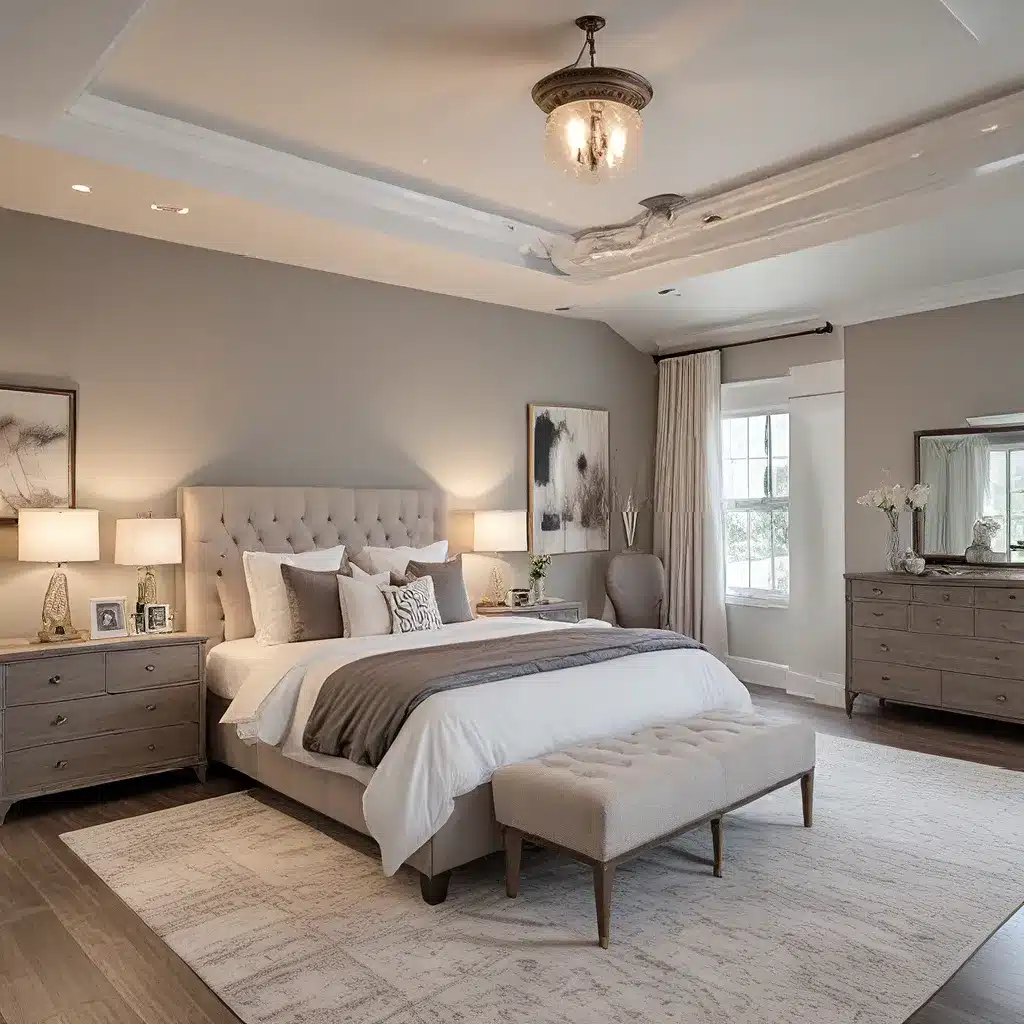
Transforming Small Spaces into Sanctuaries of Style
In the realm of interior design, transforming a small bedroom into a haven of style and functionality is a common challenge. However, with the right expertise and strategic approach, it’s possible to create a space that feels both spacious and aesthetically pleasing.
Absolutely, elevating small bedroom design with a focus on maximizing space and style is a topic commonly covered in an interior design course. In this article, we’ll delve into specialist tips for elevating small bedroom design, emphasizing the importance of maximizing space without compromising on style.
Mastering the Fundamentals of Small Bedroom Design
The fundamentals of small bedroom design revolve around strategic planning and thoughtful utilization of available space to create a harmonious and functional environment. Here are the vital aspects that constitute the fundamentals of small bedroom design:
Efficient Space Planning
Efficient space planning is foundational to small bedroom design. It involves determining the optimal arrangement of furniture and other elements to make the most of the available space. Prioritize essential pieces and consider their placement to facilitate ease of movement while avoiding a cramped feel.
Proportionate Furniture
Understanding the scale and proportion of furniture is crucial in small bedrooms. Opt for appropriately sized pieces that fit the room without overwhelming it. Furniture that is too large can make the space feel cramped, while pieces that are too small may appear lost in the room.
Vertical Space Utilization
Capitalizing on vertical space is a crucial strategy for small bedroom design. Wall-mounted shelves, tall dressers, and floor-to-ceiling storage solutions help maximize storage capacity without taking up precious floor space. This approach also draws the eye upward, creating a sense of height in the room.
Considerate Traffic Flow
Thoughtful consideration of traffic flow is essential to prevent the bedroom from feeling congested. Ensure that there are apparent pathways between furniture pieces and that doors can open and close without obstruction. It promotes a sense of openness and functionality.
Multifunctional Furniture
Embracing multifunctional furniture is a fundamental principle in small bedroom design. Pieces that provide dual purposes, such as a bed with fitted storage drawers or a desk that doubles as a vanity, help maximize utility while minimizing the need for additional furnishings.
Neutral Color Palette
Selecting a neutral color palette contributes to the fundamentals of small bedroom design by creating an open and airy feel. Light colors reflect natural light and visually expand the space. Additionally, a cohesive color scheme can create a visually harmonious atmosphere.
Thoughtful Lighting
Lighting plays a crucial role in small bedroom design. Well-placed lighting fixtures, including overhead lights, bedside lamps, and wall sconces, contribute to both functionality and ambiance. Adequate lighting also prevents the room from feeling dark and cramped.
Clutter-Free Environment
Keeping the bedroom clutter-free is a fundamental principle. Integrate storage solutions that hide away belongings, such as concealed closets or under-bed storage. Minimizing visual clutter creates a more serene and open atmosphere.
Strategic Use of Reflective Surfaces
The use of reflective surfaces, such as mirrors or glossy furniture finishes, is another fundamental strategy. Mirrors strategically placed can create the illusion of space by reflecting light and making the room feel more expansive.
Understanding and mastering these fundamentals enables designers and homeowners alike to transform small bedrooms into well-designed, functional, and aesthetically pleasing spaces that make the most of every square foot.
Maximizing Storage Solutions
Maximizing storage solutions is crucial in a small bedroom design to maintain organization and create a clutter-free environment. Here are several effective strategies for optimizing storage space:
Vertical Space Utilization
Vertical space is often underutilized but holds great potential for storage. Install floor-to-ceiling shelving units or wall-mounted cabinets to maximize storage ability without occupying valuable floor space. These shelves can accommodate books, decorative items, or clothing storage bins.
Built-in Furniture
Built-in furniture offers a seamless and space-saving storage solution. Custom-built wardrobes, closets, and storage benches can be tailored to fit the accurate dimensions of the room, maximizing storage while maintaining a streamlined appearance. These built-in pieces can also incorporate hidden compartments and pull-out drawers for added functionality.
Dual-Purpose Furniture
Select furniture pieces that serve dual purposes to optimize space efficiency. Beds with built-in storage drawers or lift-up mattresses provide additional space for linens, clothing, or seasonal items. Additionally, consider ottomans or benches with hidden storage compartments to store extra bedding or accessories.
Under-Bed Storage
The area under the bed is repeatedly overlooked but can be utilized effectively for storage. Invest in under-bed storage solutions, such as rolling bins, sliding drawers, or vacuum-sealed bags, for storing off-season clothing, shoes, or extra bedding.
Optimized Closet Systems
Closets can be optimized for maximum storage efficiency with the use of closet organization systems. Install adjustable shelves, hanging rods, and shoe racks to maximize vertical space and accommodate different storage needs. Utilize closet organizers, such as bins, baskets, and dividers, to keep lesser items organized and easily accessible.
Wall-Mounted Storage
Doors and walls offer valuable opportunities for additional storage. Install over-the-door organizers or hanging racks on the back of closet doors to store shoes, accessories, or cleaning supplies. Wall-mounted hooks or pegboards can be used to hang jewelry, hats, scarves, or bags, keeping them within reach while freeing up drawer or closet space.
Concealed Storage Furniture
Choose furniture pieces that incorporate hidden storage compartments to conceal clutter and maintain a tidy appearance. Coffee tables with lift-up tops, storage ottomans, and console tables with drawers or shelves provide discreet storage solutions for books, electronics, or miscellaneous items.
By implementing these storage optimization strategies, you can transform your small bedroom into a harmonious and well-organized retreat, maximizing every inch of available space.
Mirrors and Illusions: Enhancing Perceived Space
Mirrors and illusions are potent tools in small bedroom design, capable of enhancing space, light, and ambiance. Leveraging these elements strategically can significantly impact the perceived size and style of a room. Here’s how mirrors and illusions can be effectively utilized:
Reflecting Light and Depth
Mirrors are notorious for their ability to visually increase a room by reflecting light and creating the illusion of depth. Placing a large mirror on one wall can make the room appear larger and more open. Consider positioning mirrors opposite windows to reflect natural light, further brightening the space and adding a sense of airiness.
Creating Depth Illusions
Mirrors can also create the illusion of depth in small bedrooms. By strategically placing mirrors at the end of a hallway or behind furniture, they can visually extend the room, making it feel more spacious. This technique is particularly effective in narrow spaces where creating the impression of width is desired.
Maximizing Natural Light
Mirrors amplify the effects of natural light by reflecting it throughout the room. Positioning mirrors near windows or opposite sources of light maximizes their reflective properties, illuminating dark corners and minimizing the need for artificial lighting during the day. It not only creates a brighter and more inviting atmosphere but also reduces energy consumption.
Mirrors as Focal Points
Mirrors can serve as striking focal points in small bedrooms, adding visual interest and style. Choose mirrors with decorative frames or unique shapes to complement the room’s aesthetic. Placing a mirror above the bed or on a feature wall draws attention and adds a touch of elegance to the space.
By strategically integrating mirrors to expand space, enhance light, and add style, designers can transform small bedrooms into inviting and visually captivating retreats.
Elevating Small Bedroom Design through Certified Online Courses
Certified online interior design courses offer invaluable opportunities for learners to apply theoretical knowledge to practical design applications. Through hands-on projects, case studies, and interactive exercises, students gain real-world experience in designing interior spaces, including small bedrooms.
These courses provide structured guidance and feedback from industry professionals, allowing learners to refine their design skills and develop a comprehensive understanding of the principles and techniques involved in interior design. By completing practical design applications within certified online courses, students not only bolster their portfolios but also acquire the confidence and expertise needed to excel in the field of interior design.
Elevating small bedroom design is an art that combines expertise with creativity. Aspiring interior designers can enhance their skills through certified online interior design courses, gaining proficiency in the fundamentals of small space design, maximizing storage solutions, and creating visual illusions. By applying practical design applications and prioritizing comfort, designers can transform small bedrooms into stylish retreats that maximize space without sacrificing style. The fusion of knowledge and hands-on experience is the key to unlocking the full potential of small bedroom design.
So, if you’re looking to enhance your small bedroom and create a sanctuary of style and functionality, consider exploring the wealth of knowledge and practical guidance available through certified online interior design courses. With the right strategies and tools, you can turn even the most compact space into a cozy and captivating retreat.
Conclusion
In the realm of home renovation, optimizing the bedroom is a key focus area that requires a strategic and multifaceted approach. By mastering the fundamentals of small bedroom design, maximizing storage solutions, and leveraging the power of mirrors and illusions, homeowners and interior designers can transform even the most challenging spaces into functional and visually stunning retreats.
Certified online interior design courses provide invaluable opportunities for aspiring designers to hone their skills and apply practical solutions to real-world design challenges. By blending theoretical knowledge with hands-on experience, learners can develop the expertise needed to elevate small bedrooms into sanctuaries of style and comfort.
Whether you’re a homeowner looking to revitalize your personal oasis or an aspiring designer seeking to enhance your portfolio, the strategies and insights presented in this article can serve as a valuable guide to optimizing the bedroom and unlocking its full potential. So, get ready to embark on a transformative journey and create the bedroom of your dreams, one thoughtful design decision at a time.
Remember, the ultimate goal is to create a space that not only meets your functional needs but also reflects your personal style and provides a haven of relaxation and rejuvenation. With the right approach and a touch of creativity, even the most challenging bedroom can be transformed into a sanctuary of comfort and beauty.
Explore our home renovation services to learn more about how we can help you optimize your bedroom and other spaces in your home.


