
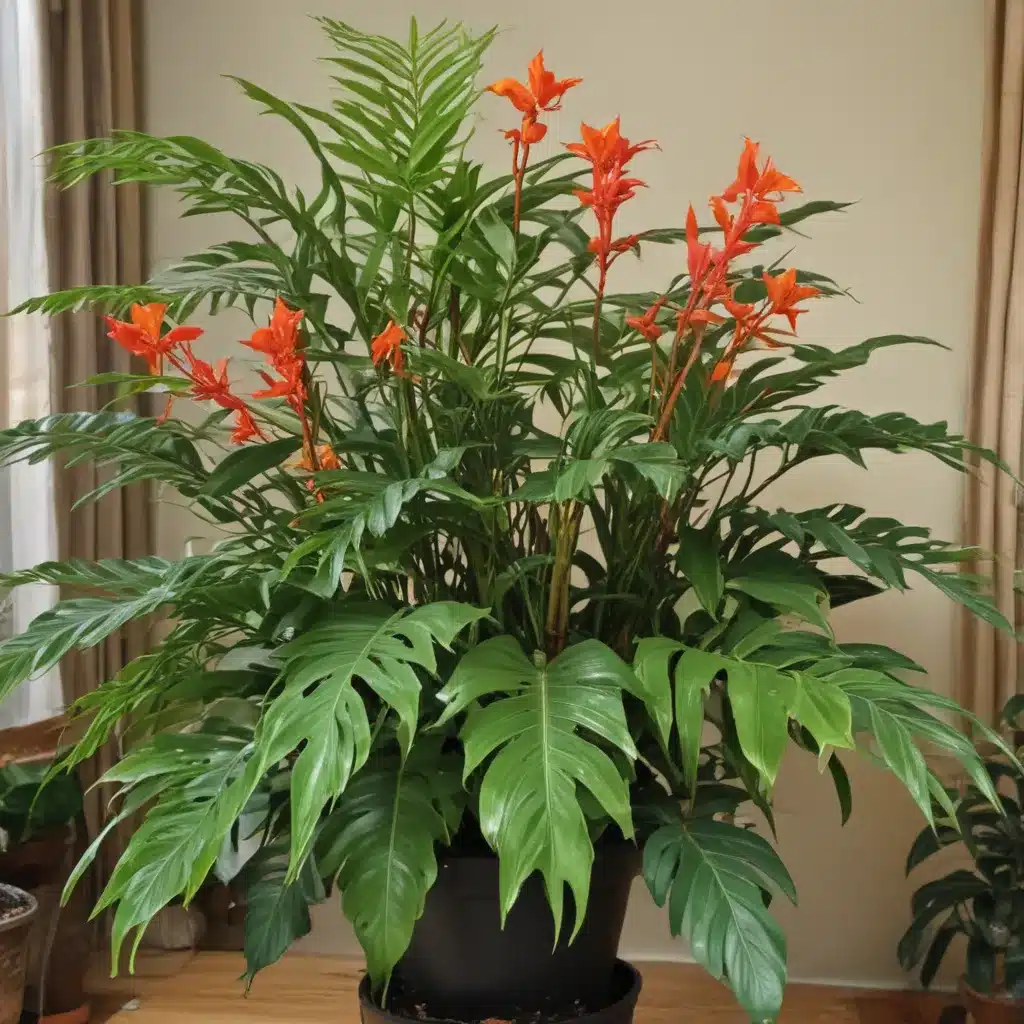
The Struggle of the Tender Ones
Ah, the changing of the seasons – a veritable dance between the elements, with Mother Nature leading the charge. As the crisp autumn air sets in and the leaves begin their colorful descent, we gardeners find ourselves faced with a dilemma. What becomes of our beloved tender plants, those tropical gems that have graced our outdoor oases all summer long? Do we simply bid them farewell and consign them to the compost heap, or is there a way to ensure their survival through the chilly winter months?
Well, my friends, I’m here to tell you that there is indeed a way to keep those tropical treasures alive and thriving, even in the harshest of climes. It’s a delicate balancing act, to be sure, but with a little know-how and a whole lot of TLC, we can bring our indoor jungle dreams to life, even when the mercury starts to plummet.
The Importance of Overwintering
Now, I know what you’re thinking – why bother with all this fuss? Can’t we just let nature take its course and start fresh come springtime? Well, my fellow green thumbs, there’s more to it than meets the eye. You see, many of those tender tropicals we’ve grown to love hold a special place in our hearts (and our gardens). They’re not just pretty faces – they’re living, breathing works of art that we’ve nurtured and cherished.
Losing them to the cold, harsh realities of winter would be like bidding farewell to old friends. Plus, let’s not forget the financial investment we’ve made in these plants. Replacing them year after year can really add up, not to mention the heartache of watching your hard work wither away.
But fear not, for with a little preparation and a whole lot of dedication, we can ensure that our tropical treasures weather the winter storm and emerge unscathed come springtime. So, let’s dive in and explore the ins and outs of overwintering tender plants, shall we?
Assessing Your Plants
The first step in this grand overwintering adventure is to take a good, hard look at your plants and determine which ones are worth the effort. After all, not every tropical beauty is created equal when it comes to their cold-hardiness.
Some plants, like the ever-popular croton or the stunning bird of paradise, are absolute divas when it comes to temperature fluctuations. Even a brief brush with the cold can spell doom for these delicate darlings. On the other hand, there are some tropicals, like the resilient Chinese hibiscus or the adaptable elephant’s ear, that can handle a bit more chill without throwing in the towel.
So, as you scan your garden, take note of which plants are the true tender ones – the ones that require a little extra TLC to make it through the winter. These are the ones that will be the focus of our overwintering efforts, the ones we’ll coddle and nurture until the sun returns to our corner of the world.
Preparing for the Big Move
Now that we’ve identified our VIP (Very Important Plants), it’s time to start planning their grand migration indoors. But before we start packing our bags, there are a few important steps we need to take to ensure a smooth transition.
First and foremost, it’s crucial to start acclimating your plants to the idea of living indoors. You see, our tender tropicals have been basking in the glory of the great outdoors all summer long, soaking up the sun and reveling in the fresh air. The prospect of being cooped up inside, away from those natural elements, can be a bit of a shock to their delicate systems.
To ease the transition, start by gradually increasing the amount of time your plants spend in the shade or partial sun. This will help them adjust to the lower light levels they’ll encounter indoors. Additionally, you’ll want to give them a gentle trim, snipping off any damaged or dead foliage to tidy them up for their big move.
Creating the Perfect Indoor Oasis
Alright, the stage is set, and our plants are ready to make their grand entrance. But before we usher them into their new abode, we need to ensure that we’ve created the perfect indoor oasis to accommodate their unique needs.
First and foremost, location is key. You’ll want to choose a spot in your home that provides ample natural light, as most tropical plants thrive on a steady diet of sunshine. A south-facing window or a bright, airy room is an ideal choice. And don’t forget to rotate your plants periodically to ensure even exposure.
Next, we need to address the all-important matter of temperature. Tropicals are, well, tropical, and they’re not exactly fond of the chilly temperatures that tend to creep into our homes during the winter months. Aim for a cozy, consistent temperature between 60 and 75 degrees Fahrenheit, and be sure to keep them away from any drafty areas or heating vents.
Ah, but the fun doesn’t stop there, my friends. We’ve got to talk about humidity, the bane of many a plant parent’s existence. You see, our tender tropicals are used to basking in the warm, humid air of their native environments. Transplanting them into the dry, arid conditions of our homes can be a real shock to their system.
To combat this, we’ll need to get a little creative. Consider investing in a small humidifier or misting your plants regularly. You could even group them together, as the collective transpiration can help create a more humid microclimate. And don’t forget to give them a good misting every now and then – it’s like a little tropical vacation for their leaves!
Watering Woes and Feeding Frenzy
Now, let’s talk about the lifeblood of our plants – water. Overwintering can be a tricky time when it comes to hydration, as the reduced light and temperature can play havoc with our usual watering routines.
The key is to find the delicate balance between too much and too little. Overwatering can lead to root rot and other nasty fungal issues, while underwatering can cause our precious plants to shrivel and wilt. So, it’s important to keep a close eye on the soil moisture levels and adjust our watering schedule accordingly.
As a general rule of thumb, aim to let the top inch or two of soil dry out before giving your plants a good, deep drink. And be sure to pay attention to any signs of distress, like wilting leaves or discolored foliage. These are your plants’ way of telling you that they’re thirsty (or drowning).
And let’s not forget about feeding! During the active growing season, our tender tropicals are fueled by a steady diet of nutrients, but in the winter, their appetite tends to slow down. That’s why it’s important to scale back on the fertilizer, opting for a diluted solution every few weeks instead of a regular, heavy-handed approach.
Pest Patrol and Disease Vigilance
Ah, the joys of plant parenthood – it’s not all sunshine and rainbows, is it? As we bring our beloved tropicals indoors, we open the door to a whole new world of potential pests and diseases, just waiting to pounce on our unsuspecting greenery.
But fear not, my friends, for with a vigilant eye and a few tried-and-true tactics, we can keep those pesky critters at bay. The first line of defense is a good old-fashioned inspection – give your plants a thorough once-over, checking the undersides of leaves and the nooks and crannies for any unwanted visitors.
If you spot any signs of trouble, don’t hesitate to take action. A quick spray with a gentle, eco-friendly insecticidal soap or a light dusting of diatomaceous earth can work wonders in keeping those pesky bugs at bay. And remember, prevention is key – keep a close eye on your plants and address any issues before they have a chance to spiral out of control.
Disease, too, can be a concern when it comes to overwintering tender tropicals. Fungal infections and bacterial blights can wreak havoc on our beloved plants, especially in the warm, humid conditions we’re creating indoors. But with a few simple precautions, we can nip these problems in the bud.
Proper air circulation, adequate lighting, and attention to watering habits are all crucial in keeping disease at bay. And if you do spot any suspicious symptoms, don’t hesitate to isolate the affected plant and consult the experts – a little proactive care can go a long way in preserving the health of your indoor jungle.
Embracing the Unexpected
Now, I know what you’re thinking – all of this sounds like a lot of work, doesn’t it? And you know what? You’re absolutely right. Overwintering tender plants is no easy feat, and it requires a level of dedication and attention that can feel downright daunting at times.
But here’s the thing – when you put in the effort to keep those tropical treasures alive and thriving, the rewards are truly priceless. Imagine the joy of seeing your beloved croton or bird of paradise burst forth with new growth come springtime, a testament to your unwavering green thumb. It’s a feeling that can’t be replicated, a connection to the natural world that simply can’t be found anywhere else.
And who knows, you might even discover some unexpected delights along the way. Perhaps that finicky philodendron will surprise you with a stunning bloom, or that stubborn succulent will reveal a hidden secret. The world of plants is full of little miracles, and when you put in the work to nurture them, you open yourself up to a whole new realm of discovery.
So, embrace the challenges, my friends, and let the thrill of the unexpected fuel your passion for overwintering. After all, the true rewards of gardening aren’t found in the perfectly manicured beds or the Instagram-worthy snapshots. They’re in the journey, the triumphs and the tribulations, the moments of pure, unadulterated joy that come from watching our plants thrive.
And who knows, you might even find that the process of overwintering tender tropicals becomes a cherished ritual, a way to stay connected to the natural world even as the snow falls and the temperatures plummet. It’s a labor of love, to be sure, but one that’s well worth the effort.
Conclusion: Embracing the Indoor Jungle
As we bid farewell to the vibrant outdoor gardens of summer and welcome the crisp, cozy embrace of winter, it’s time to turn our attention to our tender tropical plants. These delicate darlings, once basking in the sun and reveling in the warm, humid air, now face the challenge of surviving the colder months.
But fear not, my fellow plant enthusiasts, for with a little preparation, a lot of dedication, and a whole lot of love, we can ensure that our indoor jungle thrives even in the depths of winter. By carefully assessing our plants, creating the perfect indoor oasis, and staying vigilant against pests and diseases, we can keep those tropical treasures alive and well, ready to burst forth with new growth come springtime.
Sure, it’s a labor of love, but the rewards are more than worth the effort. Imagine the joy of seeing your beloved croton or bird of paradise gracing your indoor space, a living, breathing reminder of the beauty and resilience of the natural world. It’s a connection that transcends the seasons, a testament to our dedication and our unwavering love for these captivating plants.
So, let’s embrace the challenge of overwintering, my friends, and let the thrill of the unexpected fuel our passion. Who knows what delights await us as we nurture our indoor jungle through the winter months? The key is to approach it with an open heart and a spirit of adventure, ready to be surprised and delighted at every turn.
After all, the true magic of gardening isn’t found in the perfectly manicured beds or the Instagram-worthy snapshots. It’s in the journey, the triumphs and the tribulations, the moments of pure, unadulterated joy that come from watching our plants thrive. And as we bring our tender tropicals indoors to weather the winter storm, we’ll be embarking on a new chapter of that ongoing adventure.
So, let’s get to work, my fellow plant enthusiasts. Let’s create our own little oases of tropical bliss, right here in the heart of the chilly winter. And who knows, maybe we’ll even discover a few new favorite plants along the way. The possibilities are endless, and the rewards are truly priceless.


