
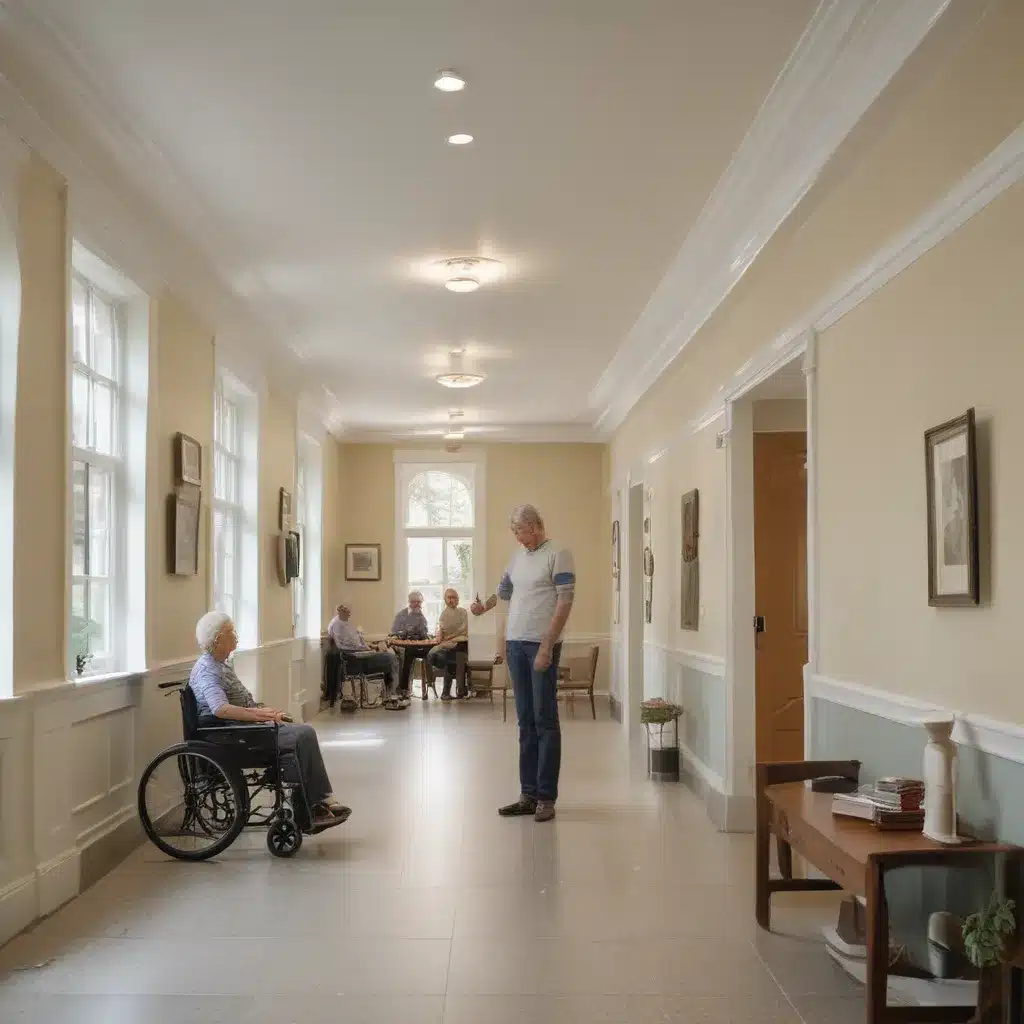
The Importance of Universal Design for Your Home
As I sit here in my cozy Aberdeen home, sipping on a warm cup of tea, I can’t help but reflect on the importance of universal design – the concept of creating spaces that are accessible and usable by people of all ages and abilities. You see, I recently had the pleasure of working with a local building and renovation company, ABC Home, to incorporate universal design features into my home, and let me tell you, it’s been life-changing.
Growing up, I never really gave much thought to the accessibility of my surroundings. But as I’ve grown older, I’ve come to appreciate the value of a home that can adapt to my changing needs. After all, we’re all getting older, and the reality is that most of us want to be able to “age in place” – to live independently in our own homes for as long as possible.
That’s where universal design comes in. It’s not just about ensuring that our homes are wheelchair-friendly or have grab bars in the bathroom. It’s about creating spaces that are intuitive, comfortable, and safe for everyone, regardless of their age or physical abilities. And trust me, the benefits go far beyond just accessibility.
Understanding the Principles of Universal Design
When I first started exploring the idea of universal design, I’ll admit, I was a little overwhelmed. There seemed to be so many different principles and considerations to keep in mind. But the team at ABC Home did an excellent job of breaking it down for me.
The core principles of universal design, as I’ve come to understand them, are:
- Equitable Use: Ensuring that the design is useful and accessible to people with diverse abilities.
- Flexibility in Use: Accommodating a wide range of individual preferences and abilities.
- Simple and Intuitive Use: Making the design easy to understand, regardless of the user’s experience, knowledge, language skills, or current concentration level.
- Perceptible Information: Communicating necessary information effectively, regardless of the user’s sensory abilities.
- Tolerance for Error: Minimizing the potential for accidents or unintended actions.
- Low Physical Effort: Allowing users to interact with the environment with a minimum of fatigue.
- Size and Space for Approach and Use: Providing appropriate size and space for approach, reach, manipulation, and use, regardless of the user’s body size, posture, or mobility.
As I delved deeper into these principles, I started to see how they could be applied to every aspect of my home, from the layout of the kitchen to the placement of light switches. It was an eye-opening experience, and I couldn’t wait to see how ABC Home could help me put these ideas into practice.
Incorporating Universal Design Features into Your Home
One of the things I really appreciated about working with ABC Home was their holistic approach to universal design. They didn’t just focus on the obvious accessibility features, but rather, they looked at the big picture – how every element of the home could be designed to meet the diverse needs of its occupants.
For example, in my kitchen, they installed pull-out shelves and adjustable-height countertops, making it easy for me to access everything I need, whether I’m standing or seated. They also incorporated task lighting and contrasting colors to help me navigate the space with ease.
In the bathroom, they replaced the traditional tub with a walk-in shower, complete with a built-in bench and handheld showerhead. They even added a discreet grab bar near the toilet, just in case I need a little extra support. And the best part? These features blend seamlessly into the overall design, so my home doesn’t feel like a medical facility.
But it’s not just the physical aspects of the home that ABC Home considered. They also thought about the cognitive and sensory needs of the occupants. For instance, they used clear, intuitive signage and incorporated universal symbols to help me find my way around. They also made sure that the lighting was even and glare-free, to accommodate any vision challenges I might face in the future.
And let’s not forget the outdoor spaces! ABC Home made sure that the pathways leading to my home were smooth and even, with gentle slopes and non-slip surfaces. They even installed motion-activated lighting to improve visibility and safety.
The Benefits of Universal Design
As I reflect on my experience with ABC Home, I can’t help but feel incredibly grateful for the difference that universal design has made in my life. It’s not just about accessibility – it’s about creating a space that truly supports my overall well-being and independence.
For starters, the universal design features in my home have made my daily tasks so much easier and less physically demanding. I no longer have to strain to reach the top shelf or struggle to get in and out of the bathtub. It’s like a weight has been lifted, and I can focus on the things that really matter to me.
But the benefits go beyond just the physical. Universal design has also had a profound impact on my mental health and overall quality of life. Knowing that my home is designed to accommodate my changing needs has given me a sense of security and peace of mind. I no longer worry about the day when I might have to move to a more accessible living situation. Instead, I can focus on enjoying my golden years in the comfort and familiarity of my own home.
And let’s not forget the financial implications. By incorporating universal design features into my home now, I’m potentially saving myself a lot of money down the line. Aging in place is not only better for my emotional and physical well-being, but it’s also a more cost-effective solution than having to move to a specialized retirement community or assisted living facility.
Real-Life Examples of Universal Design in Action
As fascinating as the principles of universal design are, I know that sometimes it can be helpful to see real-life examples of how these ideas are put into practice. That’s why I wanted to share a few of the success stories I’ve come across in my journey.
Take the case of my neighbor, Sarah. She’s in her late 70s and has been living in her family home for over 40 years. A few years ago, she decided to work with ABC Home to incorporate universal design features into her home. One of the most significant changes was the installation of a stair lift, which has allowed Sarah to continue accessing the upper floors of her home with ease.
But it wasn’t just the stair lift that made a difference. ABC Home also reconfigured the layout of her first-floor bathroom, adding a curbless shower and adjustable vanity. Sarah told me that these simple changes have given her a newfound sense of independence and confidence in her daily routine.
Another inspiring example is my friend, Robert, who recently underwent a major home renovation with the help of ABC Home. Robert is an avid gardener, but he’s been dealing with mobility issues due to a degenerative condition. As part of the renovation, ABC Home created a fully accessible outdoor space, complete with raised garden beds and a paved pathway that Robert can navigate with his wheelchair.
“It’s been a game-changer for me,” Robert told me. “I can now spend hours tending to my plants without worrying about accessibility. It’s brought so much joy back into my life.”
These are just a few of the many stories I’ve heard about the transformative power of universal design. And they’re a testament to the fact that these design principles aren’t just about making our homes more accessible – they’re about empowering us to live our best lives, no matter what challenges we may face.
Navigating the Challenges of Universal Design
Of course, as with any major home renovation project, there can be challenges and roadblocks when it comes to incorporating universal design features. I remember feeling a bit overwhelmed at first, wondering how I was going to balance my personal style preferences with the practical needs of universal design.
But the team at ABC Home was fantastic at guiding me through the process. They listened to my concerns and worked closely with me to find solutions that not only met the universal design principles but also aligned with my aesthetic vision.
One of the biggest hurdles we faced was the layout of my home. As an older property, the floorplan wasn’t exactly optimized for accessibility. But the ABC Home team got creative, reconfiguring walls and doorways to create a more open, flowing layout that accommodated my needs without compromising the overall look and feel of the space.
Another challenge was finding the right balance between form and function. I wanted my home to feel warm and inviting, not like a hospital or medical facility. ABC Home helped me to seamlessly integrate the universal design features into the overall design, using materials, colors, and textures that complemented the existing aesthetic.
And let’s not forget the financial aspect. Universal design can come with a higher price tag, especially for more extensive renovations. But the ABC Home team worked closely with me to explore various funding options and find creative ways to stay within my budget.
Through it all, I learned that the key to successful universal design is flexibility, creativity, and a willingness to think outside the box. It’s not about creating a one-size-fits-all solution, but rather, a personalized approach that addresses the unique needs and preferences of the homeowner.
Embracing the Future with Universal Design
As I look around my newly renovated home, I can’t help but feel a sense of excitement and hope for the future. Thanks to the universal design features incorporated by ABC Home, I know that I’ll be able to continue living independently and comfortably in this space for years to come.
But it’s not just about me. Universal design has the power to transform the lives of so many people, from young families with small children to individuals with disabilities to older adults like myself. By creating homes that are accessible, adaptable, and user-friendly, we’re not just improving the quality of life for the occupants – we’re also building a more inclusive, equitable society.
And let’s not forget the environmental benefits of universal design. By designing homes that can accommodate our changing needs over time, we’re reducing the need for costly and resource-intensive renovations or relocations. It’s a win-win for both the individual and the planet.
As I sip my tea and gaze out the window, I can’t help but feel grateful for the team at ABC Home and the incredible work they’ve done. They didn’t just renovate my house – they transformed my entire outlook on the future. Now, instead of worrying about what’s to come, I can look ahead with confidence and excitement, knowing that my home is ready to support me every step of the way.
So, if you’re considering a home renovation or are in the process of building a new home, I urge you to explore the world of universal design. It’s not just about accessibility – it’s about creating a space that truly reflects your values, your needs, and your vision for the future. Who knows, it might just be the key to unlocking the most fulfilling and independent chapter of your life.


