
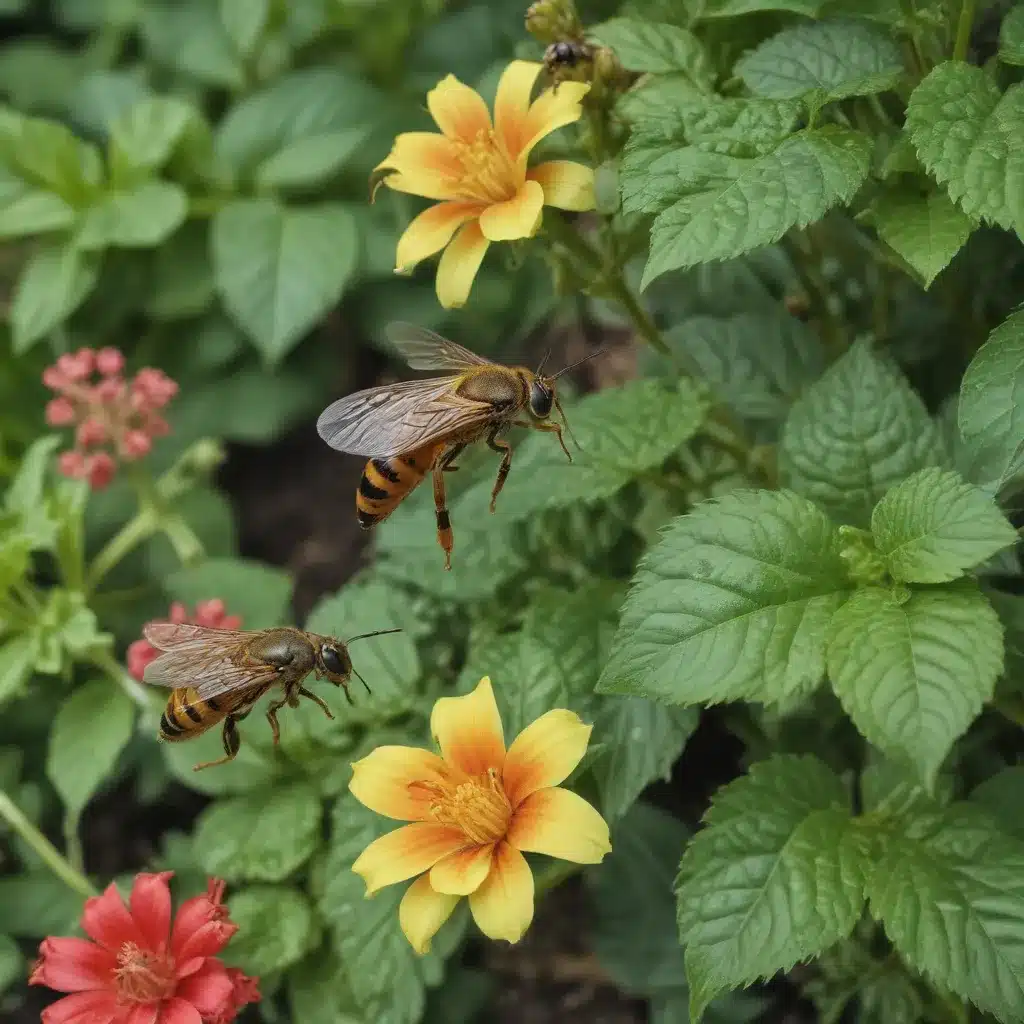
Nature’s Pest Control Army
You know the feeling all too well. You’ve poured your heart and soul into cultivating a thriving garden, only to have those pesky critters swoop in and devour your hard work. Aphids, slugs, earwigs – it’s enough to make even the most seasoned green thumb throw in the towel. But what if I told you that with a few simple tricks, you could enlist Mother Nature’s very own pest control army to defend your garden without resorting to harsh chemicals?
As the head gardener at ABC Home & Garden, I’ve battled my fair share of garden invaders. But over the years, I’ve discovered that by creating the right environment, you can attract a diverse array of beneficial insects and critters that will happily munch on those pests for you.
Inviting the Cavalry
The first step is to think beyond just your vegetable patch and consider the bigger picture. Many towns and municipalities are actually taking steps to go pesticide-free, recognizing the importance of maintaining a healthy, balanced ecosystem. Your garden shouldn’t be an isolated oasis in a sea of chemical-laden lawns and landscapes.
Instead, aim to create a vibrant, diverse habitat that will attract all kinds of helpful visitors. Plant a variety of native flowers, shrubs, and trees around the perimeter of your garden. Not only will this add gorgeous pops of color, but it will also provide food and shelter for beneficial insects like ladybugs, lacewings, and praying mantises – nature’s very own pest control experts.
As I learned from a fellow organic gardener, these beneficial bugs are true specialists, often relying on specific native plants to survive and thrive. By incorporating a diverse array of local flora, you’re not only beautifying your space, but you’re also giving these helpful insects a place to call home.
Diversify Your Defenses
Of course, it’s not just about bringing in the cavalry – you also need to make your garden a less appealing target for pests in the first place. One of the best ways to do this is by embracing the power of polyculture, the practice of growing a variety of different plants together rather than relying on monocultures of a single crop.
Imagine you’re a cabbage butterfly, fluttering over a lush garden. In a traditional vegetable patch, you’d spot row after row of succulent broccoli and cabbage plants – a veritable feast for your hungry offspring. But in a polyculture garden, those tempting brassicas would be interspersed with all kinds of other plants, their scents and textures mingling together to create a confusing landscape that makes it much harder for you to find your desired meal.
As one expert gardener explained, pests rely on being able to easily locate their target plants. By muddling up the layout, you’re essentially throwing a wrench in their plans and making your garden a much less appealing target.
Embracing Imperfection
Of course, even with all these defenses in place, you’ll likely still encounter the occasional uninvited guest. But instead of reaching for the pesticides, I encourage you to take a deep breath and embrace a little imperfection.
As the experts at Grow Smart Grow Safe advise, the goal shouldn’t be to eliminate pests entirely, but rather to maintain a healthy balance. After all, those critters are an integral part of the natural ecosystem, and many of them actually serve important roles as decomposers, pollinators, and food sources for other wildlife.
So, if you spot a few nibbled leaves or slightly misshapen veggies, resist the urge to panic. Instead, take a moment to appreciate the fact that your garden is a living, thriving ecosystem – one that’s teeming with life and activity. By letting go of the need for perfection, you’ll not only reduce your workload, but you’ll also be doing your part to support the delicate web of life that sustains us all.
A Holistic Approach
Of course, creating a pest-free paradise without chemicals isn’t as simple as just planting a few flowers and hoping for the best. It requires a holistic, systems-based approach that considers the bigger picture.
As the experts at Growing with Nature explain, it’s all about striking the right balance – providing shelter and food sources for beneficial critters while also making your garden a less appealing target for pests. This might mean incorporating perennial plants that offer year-round habitat, setting up brush piles or rock piles for small predators, or even experimenting with companion planting strategies.
It’s a delicate dance, to be sure, but the rewards are well worth the effort. By working in harmony with nature, you’ll not only enjoy a bountiful, flourishing garden, but you’ll also be doing your part to support the larger ecological web that sustains us all.
So, the next time you spot a pesky intruder in your garden, resist the urge to reach for the chemicals. Instead, take a step back, observe, and consider how you can enlist Mother Nature’s very own pest control experts to defend your little slice of paradise. With a little creativity and a whole lot of patience, you can transform your garden into a thriving, pesticide-free oasis that’s the envy of the entire neighborhood.


