
Surviving the Unexpected: A Flood Preparation Guide
As a resident of Aberdeen, UK, I’ve learned that when it comes to our unpredictable weather, it’s always better to be prepared. And when it comes to the ever-looming threat of floods, being proactive is an absolute must.
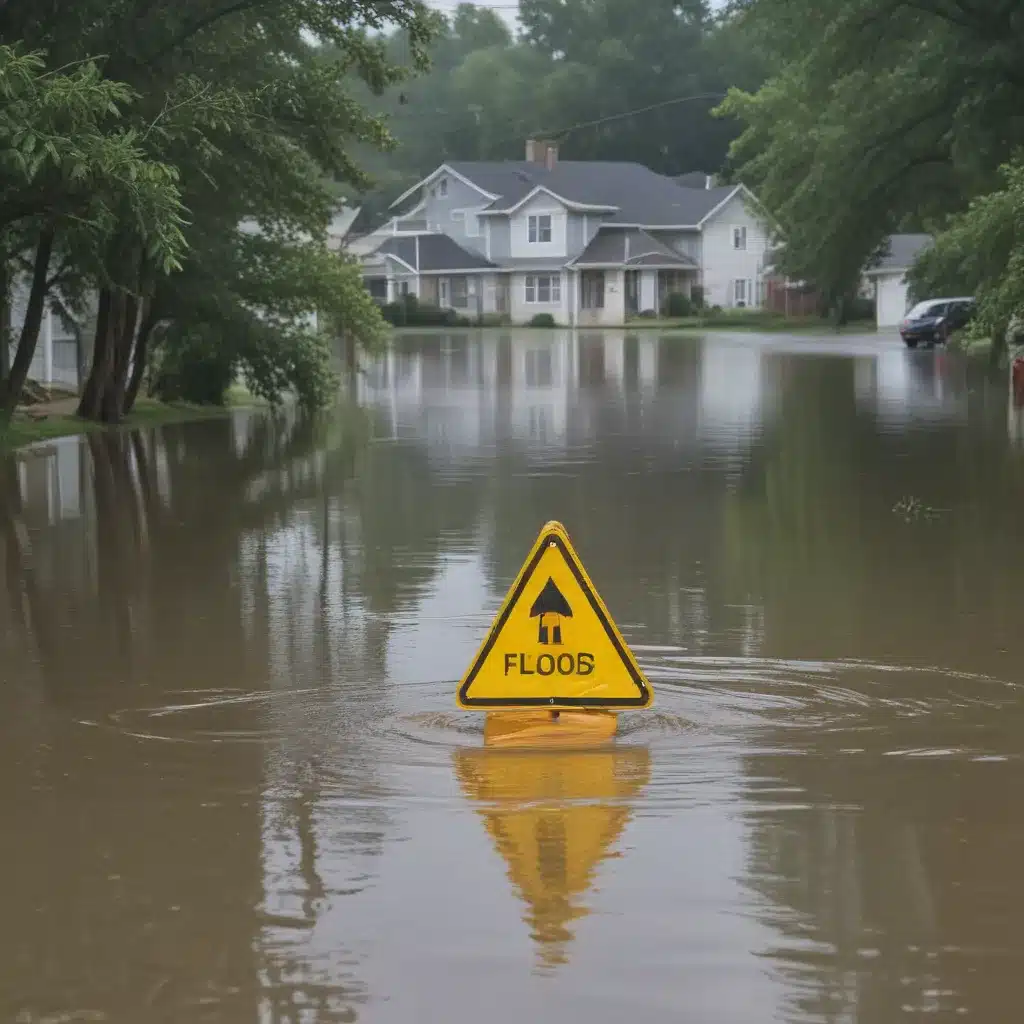
I’ll never forget the day a few years ago when the heavy rains came pouring down, causing the nearby river to burst its banks. Suddenly, my peaceful neighborhood was transformed into a raging, waist-deep torrent, sending my family and I scrambling to the upper floors of our home. It was a harrowing experience, to say the least, and one that taught me a valuable lesson: the time to get ready for a flood is long before the waters start to rise.
That’s why I’m excited to share with you some of the best flood preparedness tips I’ve learned over the years. Whether you’re a long-time resident or a newcomer to the area, these strategies can help keep you, your loved ones, and your property safe when the next big storm hits. So, let’s dive in and get you ready to weather any flood that comes your way!
Understanding Your Flood Risk
The first step in preparing for a flood is to understand your level of risk. According to FloodSmart.gov, the official website of the National Flood Insurance Program, flood risk can vary significantly depending on your location. Some key factors that influence flood vulnerability include:
- Proximity to bodies of water (rivers, lakes, the sea, etc.)
- Elevation of your property
- Local drainage and storm sewer systems
- Historical flooding patterns in your area
To get a better sense of your flood risk, I highly recommend visiting the FEMA Flood Map Service Center. Here, you can enter your address and access detailed flood hazard maps for your community. This can give you a clearer picture of the types of floods you might face, such as flash floods, riverine floods, or coastal floods.
Armed with this knowledge, you can then start to develop a comprehensive flood preparedness plan tailored to your specific needs. Remember, taking the time to understand your risk is the first step towards keeping your family safe.
Assembling Your Flood Survival Kit
One of the most important things you can do to prepare for a flood is to build a well-stocked emergency kit. This collection of essential supplies can make all the difference when the waters start to rise, ensuring you have everything you need to weather the storm.
So, what should you include in your flood survival kit? Here’s a handy checklist to get you started:
| Item | Importance |
|---|---|
| Non-perishable food and water | Crucial for sustaining yourself and your loved ones during a flood emergency |
| Flashlights and extra batteries | Vital for navigating your home or evacuation route in the dark |
| Battery-powered radio | Keeps you informed about the latest weather updates and emergency instructions |
| First aid kit | Ensures you can provide basic medical care if needed |
| Medications (at least a week’s supply) | Protects your health if you’re unable to leave your home |
| Warm clothing and blankets | Helps you stay comfortable and prevent hypothermia |
| Waterproof container for important documents | Safeguards crucial papers like IDs, insurance policies, and bank information |
| Cash in small denominations | Useful for purchasing supplies if ATMs or credit card machines are down |
| Emergency contact information | Allows you to quickly reach loved ones, emergency services, and your insurance provider |
Remember, the key is to have your kit readily available and easily accessible, so you can grab it and go at a moment’s notice. And don’t forget to check and restock it regularly to ensure everything is in working order.
Protecting Your Property
Safeguarding your home and belongings is another crucial aspect of flood preparedness. While you can’t control the weather, there are several steps you can take to minimize the impact of a flood on your property.
One of the most important things you can do is to elevate your home’s electrical components, such as the furnace, water heater, and electrical panel. By moving these critical systems to higher ground, you can prevent them from being damaged by floodwaters, which can save you a lot of time and money in the long run.
It’s also a good idea to install check valves in your home’s sewer lines to prevent floodwater from backing up into your drains. Additionally, consider investing in a sump pump with a battery backup to help remove any water that does make its way into your basement or lower levels.
Another effective strategy is to declutter your home’s gutters, downspouts, and storm drains. By keeping these areas clear of debris, you can help ensure that water can flow away from your property more efficiently, reducing the risk of pooling or seepage.
If you have valuables or important documents that you want to protect, consider storing them in a waterproof container or safe. This can give you added peace of mind knowing that your most cherished possessions are safe from the ravages of a flood.
Finally, don’t forget to secure your outdoor furniture, equipment, and landscaping features. These items can easily become hazards in high winds or rushing floodwaters, so it’s essential to tie them down or bring them inside.
Preparing for Evacuation
While staying in your home may be the initial goal, there may come a time when you need to evacuate to a safer location. That’s why it’s crucial to have a well-thought-out evacuation plan in place before the waters start to rise.
Start by identifying potential evacuation routes and routes out of your neighborhood. Ready.gov recommends having at least two different ways to exit your area in case one route becomes impassable. Be sure to familiarize yourself with these routes and practice them with your family.
It’s also a good idea to have a designated meeting place outside of your immediate area, where you and your loved ones can reunite if you become separated during the evacuation process. This could be a friend or family member’s home, a community center, or even a nearby town.
Don’t forget to pack a go-bag with essential supplies, including the items you’ve already stocked in your flood survival kit. This will ensure you have everything you need if you need to leave your home quickly.
Finally, make sure you stay informed about the latest developments by tuning into local news and weather reports. This will help you make informed decisions about when to evacuate and where to go.
Staying Safe During a Flood
If the worst should happen and your home is threatened by floodwaters, your top priority should be to stay safe. This means avoiding the temptation to wade or drive through standing water, no matter how shallow it may appear.
As the American Red Cross warns, just six inches of fast-moving water can sweep you off your feet, and just a foot of water can float a small vehicle. The risks of being swept away or becoming trapped in a submerged car are simply not worth it.
Instead, head to the upper floors of your home and wait for emergency responders to arrive. If you’re ordered to evacuate, do so immediately and follow the designated routes. Avoid taking shortcuts or trying to outsmart the floodwaters – it’s simply not worth the risk.
Remember, your safety should always be your top priority during a flood. With a solid preparedness plan in place, you can focus on weathering the storm and getting through the ordeal as safely as possible.
Recovering After a Flood
Once the floodwaters have receded and it’s safe to return to your home, the real work begins. The process of cleaning up and recovering from a flood can be overwhelming, but with the right mindset and a bit of elbow grease, you can get your life back on track.
The first step is to carefully inspect your home for any structural damage or safety hazards. If you notice any issues, it’s best to contact a professional for assistance. Likewise, be cautious when dealing with electrical systems or gas lines that may have been compromised.
Next, begin the clean-up process by removing any standing water, drying out your home, and disinfecting any areas that have been contaminated. This may involve ripping up carpets, removing drywall, and thoroughly cleaning and sanitizing every surface.
Don’t forget to document the damage for insurance purposes. Take detailed photos and videos, and keep a meticulous record of any repairs or replacements you need to make. This will be crucial when it comes time to file a claim with your insurance provider.
Finally, remember to take care of yourself and your loved ones during this stressful time. Seek out mental health resources if you’re struggling with the emotional toll of the disaster, and don’t be afraid to ask for help from friends, family, or local organizations.
Remember, recovering from a flood is a marathon, not a sprint. With patience, perseverance, and a little bit of help, you can emerge from this challenge stronger and more resilient than ever before.
Conclusion: Building a Flood-Resilient Future
As a resident of Aberdeen, UK, I know all too well the challenges that come with living in a flood-prone area. But I also know that with the right preparation and a proactive approach, we can weather even the fiercest storms and come out on the other side.
By understanding your flood risk, assembling a comprehensive emergency kit, protecting your property, and having a solid evacuation plan in place, you’re taking the first crucial steps towards keeping your family safe. And when the waters do recede, remember to take care of yourself, document the damage, and lean on your community for support.
Remember, the key to surviving a flood is not to wait until the last minute. Start preparing today, and you’ll be well on your way to building a more flood-resilient future for yourself and your loved ones. After all, as the saying goes, “an ounce of prevention is worth a pound of cure.”
So, what are you waiting for? Head over to ABC Home and start putting these tips into action. Your family’s safety is worth it.


