
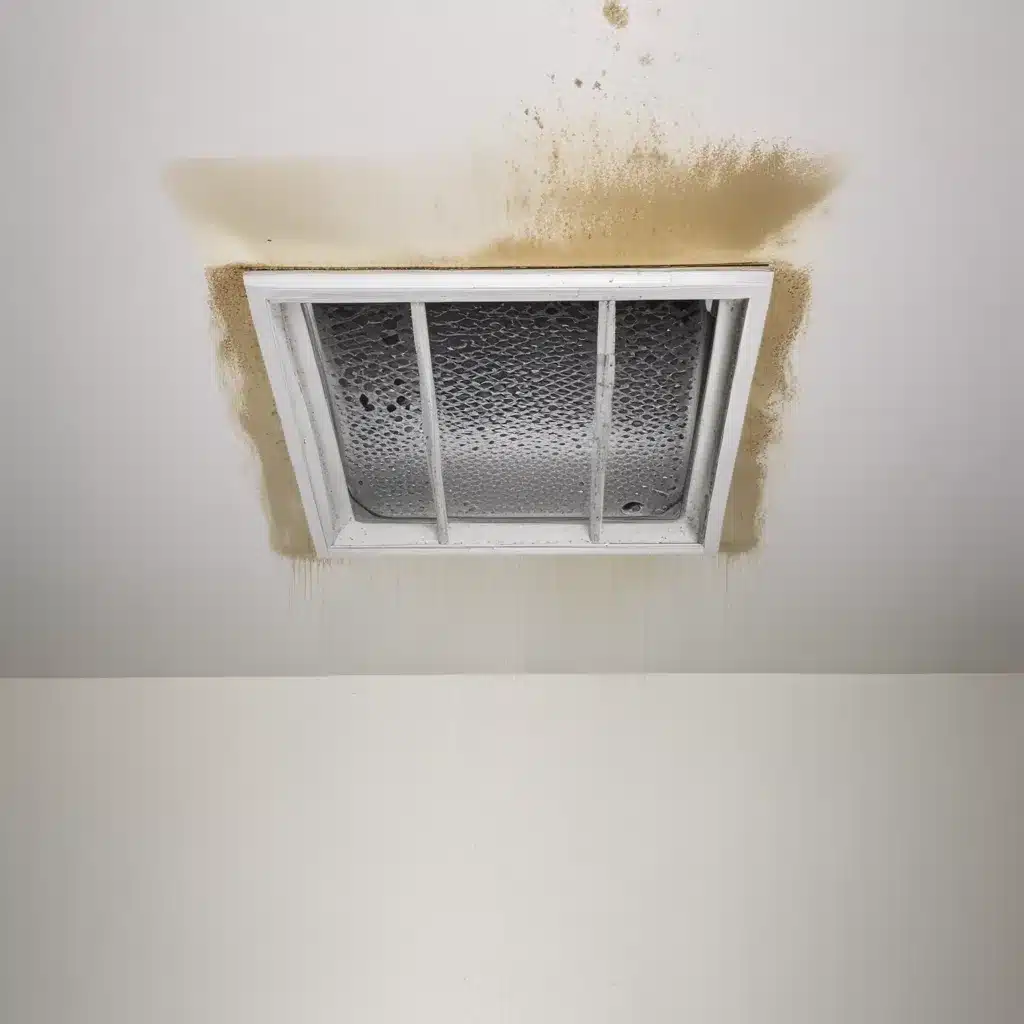
The Scourge of Damp and Mould: A Homeowner’s Nightmare
Ah, the joys of homeownership – the feeling of finally having a place to call your own, where you can let your creativity run wild and transform it into a cozy sanctuary. But wait, what’s that musty smell wafting through the air? Dun dun dunnn… it’s the dreaded damp and mould! 🙈
As a proud homeowner in Aberdeen, UK, I know all too well the headaches that come with battling this pesky problem. The creeping, unsightly patches of mould can turn your once pristine walls into a veritable science experiment, while the persistent dampness seeps into every nook and cranny, leaving you feeling like you’re living in a perpetual rain cloud.
But fear not, my fellow homeowners! In this in-depth article, I’m going to share with you the ultimate weapon in the fight against damp and mould: interior ventilation systems. Strap in, because we’re about to dive deep into the science, the solutions, and the insider tips that will have your home feeling fresh, dry, and mould-free in no time.
Understanding the Culprits: Damp and Mould
Before we can tackle the solution, we need to understand the root of the problem. What exactly is damp, and how does it lead to the dreaded mould?
Damp, in simple terms, is the excess moisture that accumulates within the walls, floors, and ceilings of a building. This moisture can come from a variety of sources, such as leaks, condensation, or even high humidity levels in the air. When this damp seeps into the porous materials that make up our homes, it creates the perfect breeding ground for mould spores to thrive.
And let me tell you, mould is no joke. These tiny, microscopic fungi can wreak havoc on your home and your health. Not only do they look unsightly, but they can also release harmful toxins into the air, leading to respiratory issues, allergies, and even more serious health problems. Trust me, you do not want to be on the receiving end of a mould-related illness.
But the real kicker? Damp and mould don’t just happen overnight. They’re a slow-burning, insidious problem that can go unnoticed for months, or even years, before they become a full-blown crisis. That’s why it’s so important to be proactive and tackle the issue head-on.
The Importance of Proper Ventilation
So, now that we understand the problem, let’s talk about the solution. The key to preventing and eliminating damp and mould lies in one simple, yet often overlooked, element: proper ventilation.
You see, when a building isn’t adequately ventilated, the moisture-laden air has nowhere to go. It becomes trapped, slowly seeping into the walls and creating the perfect conditions for mould to thrive. But with a well-designed interior ventilation system, you can actively remove this excess moisture and keep your home dry, fresh, and mould-free.
Think of it like this: your home is a giant lung, and the ventilation system is the respiratory system that keeps it healthy and functioning. Just like you need to breathe to stay alive, your home needs proper ventilation to stay dry and mould-free.
But it’s not as simple as just opening a window and calling it a day. No, no, my friends – proper ventilation requires a strategic, well-planned approach. From choosing the right type of ventilation system to ensuring it’s correctly installed and maintained, there’s a lot that goes into creating a truly effective solution.
The Different Types of Interior Ventilation Systems
Alright, now that we’ve established the importance of ventilation, let’s dive into the nitty-gritty. What are the different types of interior ventilation systems, and which one is the best fit for your home?
Mechanical Ventilation Systems
These are the heavy-hitters of the ventilation world – the big, powerful systems that use fans and ducts to actively pull stale, moist air out of your home and replace it with fresh, dry air from the outside. They come in a variety of forms, from whole-house systems to targeted exhaust fans for specific rooms.
The key advantage of mechanical ventilation is its sheer power and efficiency. These systems can move large volumes of air quickly, making them ideal for homes with severe damp and mould issues. They’re also highly customizable, allowing you to tailor the system to the specific needs of your home.
But with great power comes great responsibility (and cost). Mechanical ventilation systems can be more expensive to install and operate, and they require regular maintenance to keep them running at peak performance.
Passive Ventilation Systems
On the other end of the spectrum, we have passive ventilation systems. These rely on natural air movement, rather than powered fans, to circulate fresh air through your home. Examples include things like trickle vents, airbricks, and thermal chimneys.
The beauty of passive systems is their simplicity and low-maintenance nature. They don’t require any electricity or complex ductwork, making them a more budget-friendly option for homeowners. Plus, they can be seamlessly integrated into your home’s existing design without disrupting the aesthetics.
However, the trade-off is that passive systems are generally less powerful than their mechanical counterparts. They may not be able to handle homes with severe damp and mould issues, and they’re more reliant on natural air currents to function effectively.
Hybrid Ventilation Systems
And then there’s the best of both worlds: hybrid ventilation systems. These combine the power of mechanical ventilation with the low-maintenance simplicity of passive systems. They use a mix of fans and natural air movement to create a balanced, energy-efficient solution.
Hybrid systems are often touted as the “Goldilocks” of ventilation – not too powerful, not too weak, but just right. They can provide the necessary air circulation to combat damp and mould without breaking the bank or requiring constant upkeep. Plus, they offer a bit more flexibility in terms of customization and control.
The only downside? Hybrid systems can be a bit more complex to install and may require a more specialized skill set from your chosen contractor. But for many homeowners, the benefits far outweigh the initial hassle.
Choosing the Right Ventilation System for Your Home
Okay, so now you know the different types of interior ventilation systems. But how do you decide which one is the best fit for your home? Well, it all comes down to a few key factors:
-
The Severity of the Damp and Mould Problem: If you’re dealing with a severe, widespread issue, a powerful mechanical system might be your best bet. But if the problem is more localized or manageable, a passive or hybrid system could be a more cost-effective solution.
-
Your Home’s Size and Layout: Larger homes with complex floor plans may require a more robust, whole-house ventilation system, while smaller, simpler spaces could get by with a more targeted approach.
-
Your Budget and Energy Efficiency Goals: Mechanical systems tend to be more expensive to install and operate, but they offer greater control and efficiency. Passive and hybrid systems are generally more budget-friendly, but may not be as powerful.
-
Aesthetic Considerations: If you’re worried about the ventilation system disrupting the look and feel of your home, passive or hybrid options that can be seamlessly integrated into the existing design may be the way to go.
Now, I know what you’re thinking: “This all sounds great, but how do I actually choose the right system for my home?” Well, fear not, my friends – that’s where the expertise of a professional ventilation contractor comes in.
Working with a Professional Ventilation Contractor
When it comes to installing a new interior ventilation system, it’s not something you want to tackle on your own. Trust me, I’ve seen my fair share of DIY ventilation horror stories, and they never end well. No, this is a job that requires the skilled hands and expert knowledge of a professional contractor.
But how do you find the right one? Well, here are a few tips:
-
Do Your Research: Look for contractors with experience in installing ventilation systems in homes similar to yours. Check reviews, ask for references, and make sure they’re properly licensed and insured.
-
Get Multiple Quotes: Don’t just settle for the first contractor you come across. Get quotes from a few different companies to compare prices, services, and expertise.
-
Ask the Right Questions: When you’re interviewing potential contractors, be sure to ask about things like the specific ventilation system they recommend, the installation process, and any ongoing maintenance requirements.
-
Trust Your Gut: At the end of the day, you want to work with a contractor you feel comfortable with. someone who listens to your concerns, answers your questions, and makes you feel confident in their abilities.
And let me tell you, finding the right ventilation contractor can make all the difference in the world. They’ll be able to assess your home’s unique needs, design a tailored solution, and ensure the system is installed correctly for maximum efficiency and effectiveness.
Real-Life Success Stories: How Proper Ventilation Solved Damp and Mould
Don’t just take my word for it – let’s take a look at a few real-life examples of how interior ventilation systems have transformed homes in the Aberdeen area.
The Leaky Loft Saga
Remember Sarah, the homeowner down the street? She was dealing with a persistent damp problem that just wouldn’t go away, no matter how many times she painted over the mouldy patches. Turns out, the culprit was a leak in the loft that was allowing moisture to seep into the walls.
After installing a high-powered mechanical ventilation system, Sarah’s home was transformed. The fans quickly removed the excess moisture, and the mould stopped spreading. She even noticed a significant improvement in the air quality and a reduction in her energy bills.
The Basement Battle
Then there’s the case of the Jones family, who were struggling with a damp and mould problem in their finished basement. The space was essentially unusable, thanks to the musty smell and unsightly fungal growth.
After consulting with a ventilation expert, they decided to go with a hybrid system. The combination of mechanical and passive components provided the perfect balance of power and efficiency, and the Jones’ basement is now a bright, mould-free oasis that the whole family can enjoy.
The Attic Awakening
And let’s not forget about the Thompson’s, who had a major issue with condensation in their attic. This was causing the insulation to become damp and ineffective, leading to higher energy bills and an uncomfortable living environment.
The solution? A custom-designed mechanical ventilation system that drew out the excess moisture and kept the attic dry and well-ventilated. The Thompsons were amazed at the difference it made, both in terms of the physical space and their overall sense of comfort in the home.
These are just a few examples of how proper interior ventilation can transform a home and eliminate the scourge of damp and mould. And the best part? The benefits extend far beyond just aesthetics – improved air quality, energy efficiency, and overall home comfort are all on the table.
The Bottom Line: Don’t Let Damp and Mould Rule Your Home
So, there you have it, my fellow homeowners – the ultimate guide to combating damp and mould with interior ventilation systems. From understanding the science behind the problem to exploring the different types of systems and working with a professional contractor, I’ve covered all the bases.
But remember, the fight against damp and mould is an ongoing battle. It’s not enough to just install a ventilation system and call it a day. You need to be vigilant, regularly maintaining and monitoring the system to ensure it’s performing at its best.
After all, a dry, mould-free home is the ultimate goal, and with the right ventilation solution, it’s a battle you can win. So, what are you waiting for? Get out there, do your research, and find the perfect ventilation system to keep your home healthy, comfortable, and looking its absolute best.
And if you’re in the Aberdeen area and need a little help with your ventilation project, be sure to check out ABC Home. We’re the experts in all things home improvement, and we’d be more than happy to lend a hand with your damp and mould woes.


