
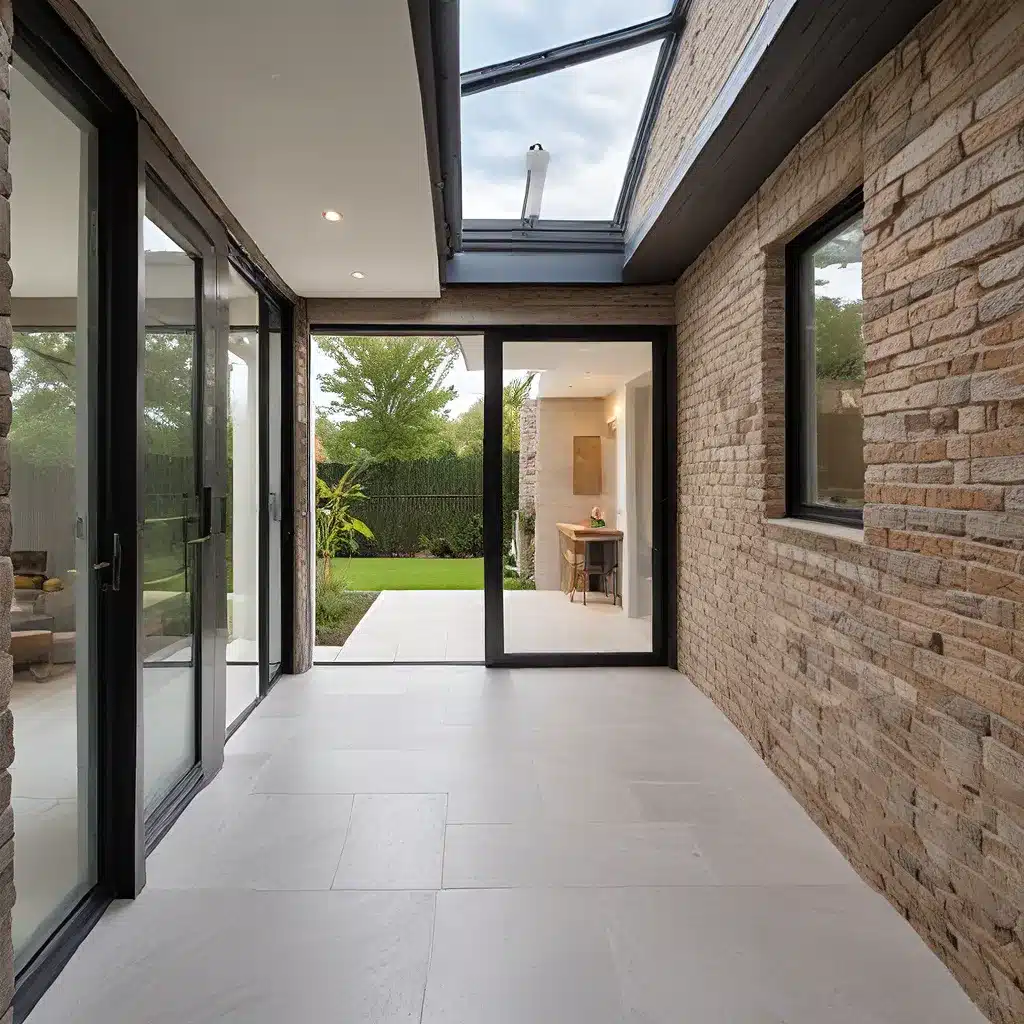
As a homeowner embarking on a home extension project, you’re likely excited about the prospect of expanding your living space and adding value to your property. However, in the midst of all the planning and construction, it’s crucial to prioritize accessibility – ensuring your new addition is welcoming and usable for all.
Designing for Inclusivity
The White House has emphasized the importance of promoting inclusivity and social responsibility when it comes to infrastructure projects. This sentiment should extend to our homes as well. By designing with accessibility in mind, we can create spaces that cater to the diverse needs of our family, friends, and neighbors, regardless of their abilities.
One of the key principles of accessible design is adaptability. This means creating an environment that can be easily modified to accommodate changing needs over time. As we age or experience mobility changes, our homes should be able to evolve with us, rather than forcing us to leave the familiarity and comfort of our own spaces.
Navigating the Accessibility Landscape
Navigating the world of accessibility standards and guidelines can feel daunting, but it’s a crucial step in ensuring your home extension project is truly inclusive. The Web Content Accessibility Guidelines (WCAG) provide a solid framework for designing accessible spaces, both digital and physical.
While these guidelines were initially developed for websites, the underlying principles can be applied to the built environment as well. The four key tenets of WCAG – perceivable, operable, understandable, and robust – can serve as a guiding light as you navigate the design process.
Overcoming Common Accessibility Barriers
When it comes to home extensions, there are a few common accessibility barriers that deserve special attention. These include:
Narrow Doorways and Hallways: Ensuring ample space for wheelchair users and those with mobility aids to navigate comfortably is essential.
Steep Stairs or Lack of Ramps: Providing alternative means of access, such as ramps or elevators, can make your home accessible to a wider range of individuals.
Inaccessible Bathrooms: Designing bathrooms with features like grab bars, lowered sinks, and roll-in showers can make a significant difference.
Poor Lighting and Contrast: Thoughtful lighting design and high-contrast surfaces can benefit those with visual impairments.
By addressing these common pain points, you can create a home extension that truly caters to the needs of all your guests and family members.
Prioritizing Accessibility in the Design Process
As you work with your architect or designer, make accessibility a top priority from the very beginning. Incorporate universal design principles that aim to create spaces that are usable by all people, to the greatest extent possible, without the need for adaptation or specialized design.
This might mean:
- Ensuring wide doorways and hallways that can accommodate wheelchair users
- Incorporating adjustable-height countertops and sinks in the kitchen
- Providing multiple entry points, including ramps or zero-step entrances
- Installing lever-style door handles and sensor-activated faucets
- Incorporating contrasting colors and textures to aid visual navigation
By weaving accessibility into the very fabric of your home extension design, you can create a space that is not only beautiful and functional but also truly inclusive.
Embracing Innovative Accessibility Solutions
As technology continues to evolve, we’re seeing an increasing number of innovative accessibility solutions emerge. From smart home integration to voice-controlled assistants, these advancements can make a significant difference in the lives of individuals with disabilities.
Explore options like automated door openers, motion-activated lighting, and remote-controlled shades or blinds to enhance the accessibility of your home extension. By incorporating these cutting-edge features, you can future-proof your space and ensure it remains adaptable to changing needs.
The Value of Accessibility
Designing an accessible home extension isn’t just the right thing to do – it can also have tangible benefits for you and your family. Increased resale value, broader appeal to potential buyers, and enhanced livability are just a few of the advantages of prioritizing accessibility.
Moreover, by creating a space that is welcoming and inclusive, you’re sending a powerful message about your values and priorities. In an era where diversity and inclusion are increasingly important, an accessible home extension can be a testament to your commitment to building a more equitable world.
Conclusion: A Home for All
As you embark on your home extension journey, I encourage you to embrace the challenge of designing for accessibility. By prioritizing inclusivity and adaptability, you’ll not only create a space that serves your family’s needs today but also lays the foundation for a future-proof home that can accommodate the evolving needs of your loved ones.
Remember, an accessible home is a home for all – a testament to your vision, a reflection of your values, and a sanctuary that truly caters to the diverse needs of your community. So, let’s get building, and let’s do it in a way that celebrates the richness of human diversity.
Ready to take the first step towards an accessible home extension? Explore our comprehensive home extension services at ABC Home in Aberdeen, UK, and let’s transform your living space into a haven of inclusivity and opportunity.


