
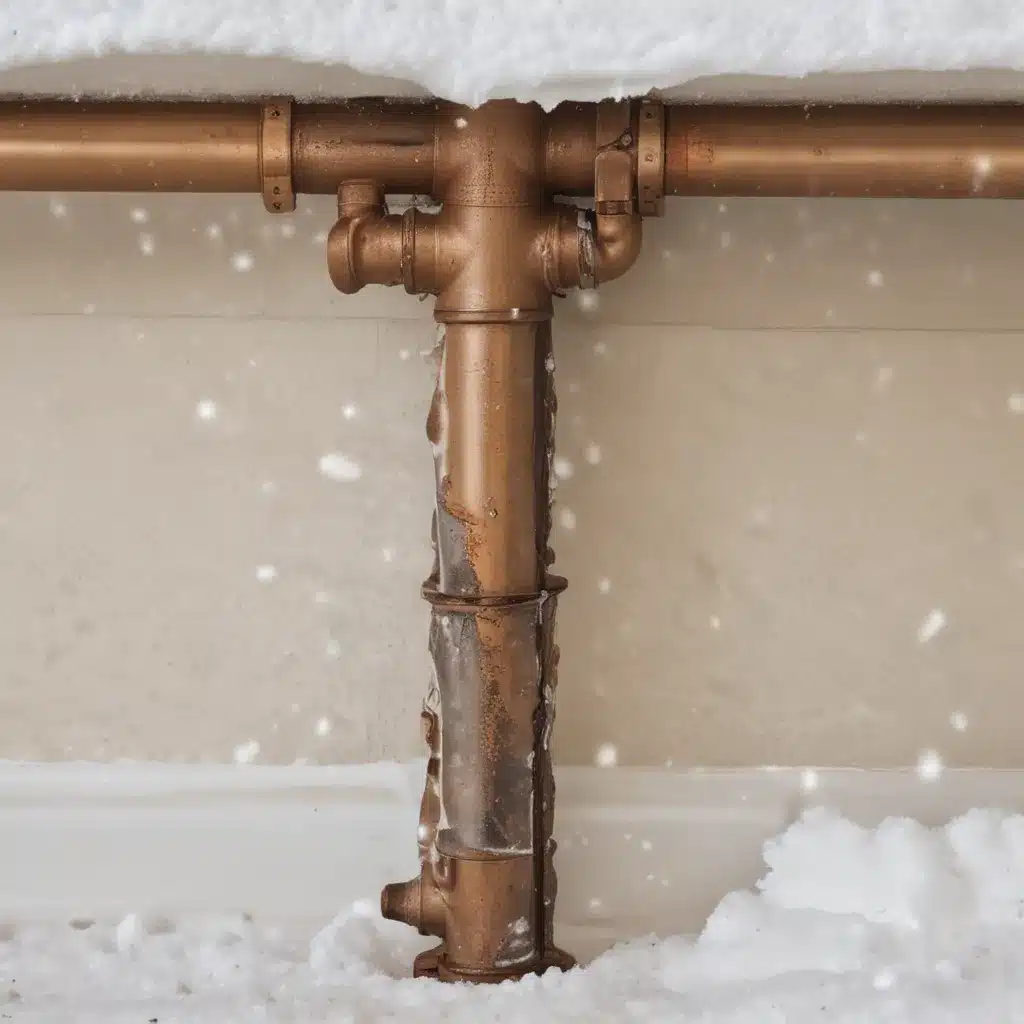
Bracing for the Big Chill: Safeguarding Your Pipes from the Icy Grip of Winter
Ah, winter in Aberdeen – the season where the winds howl, the rain pours, and the temperatures plummet lower than a penguin’s toes. As a seasoned resident of this rugged city, I know all too well the trials and tribulations that come with keeping our homes snug and secure during the colder months. And let me tell you, one of the biggest headaches we face is the dreaded enemy of every homeowner: burst pipes.
Now, I get it, pipes and plumbing might not be the most exciting topic in the world. But trust me, when you wake up to a flooded kitchen or a gushing bathroom, it becomes a pretty darn important one real quick. That’s why I’m here to share my hard-earned wisdom and practical tips on how to protect your pipes and prevent those costly (not to mention disruptive) bursts this winter.
Understand the Culprit: The Freeze-Thaw Cycle
To tackle this problem, we first need to understand the root cause. And the villain behind all those burst pipes? The freeze-thaw cycle. You see, when the mercury drops low enough, the water inside your pipes can freeze solid. As the water turns to ice, it expands, putting immense pressure on the pipe walls. And when that pressure becomes too much to handle, KABOOM – you’ve got yourself a burst pipe.
But here’s the kicker: it’s not just the initial freezing that’s the problem. Oh no, the real trouble starts when the temperatures start to rise again. As the ice thaws, the sudden surge of rushing water can also wreak havoc on your plumbing system. It’s a one-two punch that can leave your home in shambles if you’re not prepared.
Insulate, Insulate, Insulate!
So, what’s the solution, you ask? The key to staying one step ahead of Old Man Winter? Insulation, my friends. Proper insulation is the name of the game when it comes to protecting your pipes from the ravages of the freeze-thaw cycle.
Now, I know what you’re thinking: “But insulation? Isn’t that just for keeping my house warm?” Well, let me tell you, insulation is a pipe’s best friend in the wintertime. By wrapping those vulnerable tubes in a cozy layer of protection, you’re creating a barrier that helps prevent the cold air from infiltrating and causing those dreaded freezes.
And we’re not just talking about the pipes you can see, either. Oh no, you’ve got to get those hidden ones too – the ones running through unheated spaces like the attic, crawlspace, or basement. Trust me, overlooking those out-of-sight pipes is a rookie mistake you don’t want to make.
DIY Pipe Insulation: A Step-by-Step Guide
Now, I know the thought of tackling a big insulation project might seem a bit daunting, but hear me out. Insulating your pipes is actually a pretty straightforward DIY task that even the most novice homeowner can tackle. And the best part? It’s a whole lot cheaper than dealing with the aftermath of a burst pipe.
Here’s a quick step-by-step guide to get you started:
-
Measure and Cut: Grab a tape measure and get the exact dimensions of the pipes you need to insulate. Then, cut the insulation materials to size, making sure to leave a bit of extra length to account for any bends or fittings.
-
Clean and Dry: Before you start wrapping, make sure the pipes are clean and dry. This will help the insulation adhere properly and create a tight seal.
-
Wrap It Up: Carefully wrap the insulation around the pipes, overlapping the seams to create a continuous barrier. Secure the insulation in place with tape or clamps, making sure there are no gaps or openings.
-
Insulate Exposed Valves: Don’t forget about those exposed valves and fittings! These vulnerable spots need insulation too, so be sure to give them some extra attention.
-
Inspect and Adjust: Once you’ve got everything wrapped up, take a step back and inspect your work. Make any necessary adjustments to ensure a tight, seamless fit.
And there you have it, folks – a simple DIY solution to help keep your pipes toasty and trouble-free all winter long. Trust me, a little elbow grease now can save you a whole lot of headache (and money) down the line.
Identify and Insulate Vulnerable Areas
But insulation isn’t just about wrapping up those exposed pipes, oh no. You’ve also got to be on the lookout for any areas in your home that are particularly susceptible to the cold.
Think about those unheated spaces I mentioned earlier – the attic, crawlspace, and basement. These are prime targets for freezing pipes, as they’re often the coldest spots in the house. And don’t forget about exterior walls, too. Pipes running along the outside of your home are prime candidates for insulation.
Another area to keep an eye on? Windows and doors. Drafts and air leaks around these openings can allow the cold to seep in and wreak havoc on your plumbing. A few well-placed weatherstrips and caulk can go a long way in keeping that icy chill at bay.
And let’s not forget about the unsung heroes of the insulation world: heat tape and heat cables. These nifty little devices can be a lifesaver for hard-to-reach pipes or those in particularly exposed areas. Simply wrap them around the pipe and plug them in, and they’ll provide just the right amount of warmth to keep the ice at bay.
Winterize Your Outdoor Plumbing
But the insulation magic doesn’t stop at your home’s interior, oh no. If you’ve got any outdoor plumbing – like hose bibs, sprinkler systems, or a backflow preventer – you’ll need to give those a good winter prep as well.
The key here is to shut off the water supply to these outdoor fixtures and then drain any remaining water. This will prevent those pesky freeze-thaw cycles from causing a burst pipe disaster. And don’t forget to insulate those outdoor valves and faucets too – just like with your indoor pipes, a little insulation can go a long way in keeping them protected from the elements.
Now, I know what you’re thinking: “But what about my beloved garden hose? I can’t just leave it out to freeze!” Fear not, my friends, there’s a simple solution for that too. Simply disconnect the hose, drain it, and store it somewhere safe and dry until spring rolls around.
Prep for the Thaw: Preventing Post-Freeze Disasters
Alright, so we’ve tackled the freezing part, but what about when those temperatures start to rise again? Well, let me tell you, the thawing process can be just as treacherous as the initial freeze.
You see, as the ice in your pipes starts to melt, that sudden surge of rushing water can put a lot of strain on your plumbing system. And if you’re not careful, that strain can lead to – you guessed it – more burst pipes.
So, what’s the solution? Well, the key is to take it slow and steady. When you start to notice the thaw beginning, turn on your faucets and let the water run at a slow, steady trickle. This will help relieve the pressure buildup and allow the pipes to gradually warm up and return to their normal flow.
And don’t forget to keep an eye out for any suspicious bulges, cracks, or leaks. If you spot any signs of trouble, it’s best to shut off the water supply immediately and call in a professional. Trust me, it’s a whole lot cheaper to fix a small leak than to deal with the aftermath of a full-blown burst pipe.
Real-Life Lessons: A Cautionary Tale
Now, I know all of this might sound a bit dry and technical, but let me tell you, the consequences of ignoring pipe protection can be downright catastrophic. Just ask my poor neighbor, Henry.
You see, Henry thought he had it all figured out. He’d insulated his pipes, checked his outdoor fixtures, the whole nine yards. But when the big freeze hit last winter, he made one fatal mistake: he forgot about that little-used bathroom in the basement.
Sure enough, while Henry was off enjoying a cozy evening by the fire, disaster struck. That forgotten pipe in the basement had frozen solid, and when the thaw came, WHAM – the pipe burst, sending water gushing everywhere. Poor Henry came home to find his basement transformed into an indoor swimming pool.
The cleanup and repairs ended up costing him an arm and a leg, not to mention the hassle of having to find alternative living arrangements while the mess was sorted out. And you know what the kicker is? All of that could have been easily avoided if Henry had just taken the time to properly insulate that one vulnerable pipe.
Protect Your Pipes, Protect Your Home
So, there you have it, folks – my top tips and tricks for keeping your pipes safe and sound this winter. From insulation to winterization, and everything in between, I hope you’ve learned a thing or two about how to beat the big chill and prevent those dreaded burst pipe disasters.
Remember, a little bit of preparation and proactive maintenance can go a long way in protecting your home and your wallet. So, what are you waiting for? Grab your pipe insulation, your weatherstripping, and your best pair of gloves, and let’s get to work!
And if you ever find yourself in need of a little extra help, don’t hesitate to reach out to the experts at ABC Home. We’re always here to lend a hand and make sure your home stays cozy and secure, no matter how low the mercury drops.


