
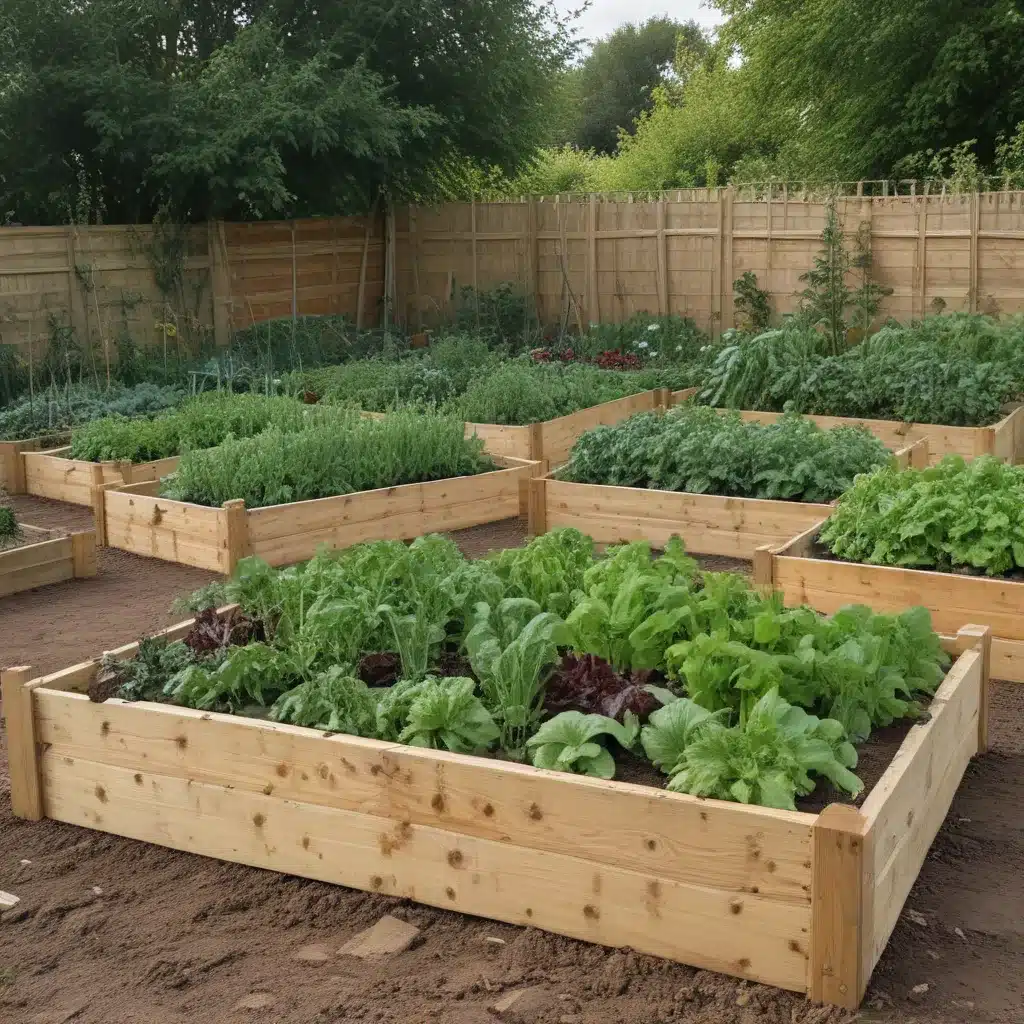
The Joys of Gardening: Unlocking the Secrets of Raised Beds
Ah, the humble vegetable garden – a sanctuary of sorts, where the stresses of daily life seem to melt away as I dig my hands into the rich, earthy soil. Growing up, I have fond memories of helping my grandmother in her impeccably tended backyard plot, plucking juicy tomatoes and crisp lettuce leaves that seemed to burst with flavor. It was in those moments that I first fell in love with the magic of nurturing life from the ground up.
As an adult, I’ve carried that passion with me, but I’ve also learned a thing or two along the way. One of the game-changers in my gardening journey has been the discovery of raised beds. These elevated, contained planting areas have transformed the way I approach vegetable cultivation, offering a host of benefits that have turned my modest patch into a veritable oasis of bountiful harvests.
In this in-depth exploration, I’ll share the secrets of raised bed gardening, delving into the why, the how, and the oh-so-satisfying results. Whether you’re a seasoned green thumb or a budding gardener eager to try your hand at growing your own produce, I’m confident that by the end of this article, you’ll be ready to embark on your own raised bed adventure.
Understanding the Allure of Raised Beds
So, what exactly is it about raised beds that has gardeners like myself so enamored? Well, let me tell you, the list of advantages is quite impressive. For starters, these elevated planting areas allow for better soil drainage, which is crucial for healthy root development and the prevention of waterlogged soil. Goodbye, soggy, compacted earth – hello, lush, thriving plants!
Moreover, raised beds provide an opportunity to customize the soil composition to suit the specific needs of your chosen crops. No more guesswork or “making do” with the natural soil in your yard. Instead, you can curate the perfect blend of nutrients, organic matter, and even specialized additives to ensure your vegetables reach their full potential.
Another major perk of raised beds is the ease of access they provide. By elevating the planting area, you can say goodbye to the back-breaking bending and stooping that often comes with traditional in-ground gardens. This not only makes the physical act of tending to your plants more comfortable, but it also allows for more efficient use of space, as you can pack more plants into a smaller footprint.
Speaking of space, raised beds are a godsend for those with limited yard space or challenging terrain. Their compact, self-contained design means you can maximize every inch, even in the most cramped of urban settings or on uneven, sloping land. Suddenly, that tiny patio or awkward corner becomes a thriving oasis of homegrown goodness.
And let’s not forget the visual appeal of these beautifully crafted planting areas. Raised beds can be built in a variety of materials, from rustic timber to sleek, modern metals, allowing you to seamlessly integrate them into your overall landscape design. They add a touch of intentionality and structure to the garden, elevating the entire experience (pun intended).
But perhaps the most compelling reason to embrace raised beds is the boost they provide to your overall gardening success. By providing optimal growing conditions, these elevated planters can yield significantly higher crop yields compared to traditional in-ground gardens. Imagine the pride and satisfaction of harvesting a bountiful supply of fresh, flavorful produce, all from the comfort of your own backyard.
Designing Your Raised Bed Garden
Now that you’re thoroughly convinced of the many merits of raised bed gardening, it’s time to dive into the nitty-gritty of designing your very own oasis of homegrown goodness. The first step, of course, is determining the perfect location for your raised beds. Choosing a spot that receives ample sunlight (at least 6 hours of direct sun per day) is crucial, as most vegetable plants thrive in bright, warm conditions.
Once you’ve identified the ideal location, it’s time to consider the size and shape of your raised beds. The dimensions can vary widely depending on the available space and your personal preferences, but a general rule of thumb is to keep the beds narrow enough (typically 4-6 feet wide) to allow for easy access from both sides. This ensures you can reach the center without having to step on the soil, which can compact it and hinder plant growth.
As for the length, the sky’s the limit! You can construct a single, elongated bed or opt for a series of smaller, modular units. The latter approach can be particularly useful if you have an irregularly shaped or sloped yard, as you can tailor each bed to fit the contours of your landscape.
When it comes to the height of your raised beds, the sweet spot tends to be around 8-12 inches. This elevated stance not only makes gardening more comfortable but also helps to improve drainage and prevent soil compaction. If you have physical limitations or accessibility concerns, you can even go higher, creating a “wheelchair-friendly” garden that’s a true joy to maintain.
The material you choose for your raised bed construction is another important consideration. Timber, such as cedar or pressure-treated pine, is a popular and durable option. Alternatively, you can explore more modern materials like galvanized steel or even recycled plastic. The key is to select a material that will withstand the elements and last for years to come, ensuring your garden investment pays off in the long run.
One final tip when designing your raised bed layout: don’t be afraid to get creative! Mix and match different shapes, sizes, and materials to create a truly unique and visually striking garden. Maybe you’ll even be inspired to incorporate vertical growing elements, such as trellises or cages, to maximize your available space. The possibilities are endless, so let your imagination run wild!
Mastering the Art of Raised Bed Soil Preparation
Now that you’ve got the physical structure of your raised beds in place, it’s time to turn your attention to the lifeblood of your garden: the soil. After all, what good are those beautifully crafted planting areas if the soil isn’t up to par?
The first step in soil preparation is to assess the existing soil quality. If you’re starting with a blank slate, you’ll have the luxury of building the perfect soil blend from scratch. But if you’re working with soil that’s been in use for a while, it’s important to take a close look and identify any areas for improvement.
One of the key factors to consider is the soil’s pH level. Vegetables thrive best in slightly acidic to neutral soil, typically in the 6.0 to 7.0 range. If your soil tests reveal a pH that’s too high or too low, you can make adjustments by incorporating amendments like sulfur or lime.
Another crucial element is the soil’s nutrient content. Vegetables are heavy feeders, requiring a delicate balance of essential nutrients like nitrogen, phosphorus, and potassium. By conducting a simple soil test, you can determine exactly what your garden beds need and then supplement accordingly with organic matter, compost, or targeted fertilizers.
Speaking of organic matter, this is the real MVP when it comes to creating the ultimate raised bed soil. By incorporating generous amounts of well-decomposed compost or aged manure, you’ll not only enrich the soil with a wealth of nutrients but also improve its overall structure and water-holding capacity. This is truly the secret sauce that will have your vegetables thriving like never before.
Once you’ve addressed the pH and nutrient needs, it’s time to get your hands dirty (pun intended) and start mixing. The ideal raised bed soil blend is a loosely packed, lightweight medium that’s easy for plant roots to penetrate. Aim for a ratio of approximately 50% compost or organic matter, 30% topsoil, and 20% horticultural sand or perlite. This well-aerated, nutrient-dense mixture will set the stage for a bountiful harvest.
And let’s not forget the importance of ongoing soil maintenance. As your plants grow and the seasons change, you’ll need to replenish the organic matter and perform occasional soil tests to ensure the optimal growing conditions are maintained. It may seem like a lot of work, but trust me, the rewards of a thriving, healthy raised bed garden are more than worth it.
Choosing the Right Crops for Your Raised Beds
With your raised beds constructed and the soil primed to perfection, it’s time to turn your attention to the star of the show: the plants themselves. Selecting the right crops for your elevated garden is crucial, as different vegetables have varying needs and preferences when it comes to growing conditions.
One of the great advantages of raised beds is the ability to create microclimates within your garden. By strategically positioning your planting areas, you can maximize the available sunlight and take advantage of specific microclimatic factors, such as wind patterns or temperature variations. This allows you to expand the range of vegetables you can successfully grow, even in challenging climates.
For example, if you have a particularly sunny and sheltered spot in your yard, you might consider planting heat-loving crops like tomatoes, peppers, or eggplants. Conversely, if you have a partially shaded area, leafy greens and cool-weather veggies like spinach, lettuce, or broccoli might thrive better.
Another important consideration is the growth habit of your chosen crops. Vining plants, such as cucumbers or pole beans, will require vertical support structures like trellises or cages to prevent sprawling and tangled growth. Compact, bush-type varieties, on the other hand, may be better suited for the confines of a raised bed.
It’s also worth noting that the depth of your raised beds can influence your crop selections. Shallow beds (8-12 inches) are ideal for shallow-rooted vegetables like leafy greens, radishes, and herbs, while deeper beds (16-24 inches) can accommodate the robust root systems of carrots, beets, or potatoes.
As you plan your raised bed garden, don’t be afraid to get creative and experiment with a diverse array of vegetable varieties. Mix and match complementary crops, such as tomatoes and basil, or plant a “three sisters” combination of corn, beans, and squash. The possibilities are endless, and the key is to have fun and let your personal preferences guide your choices.
One final tip: be sure to rotate your crops from year to year, as this helps to prevent the buildup of pests and diseases, as well as maintain the overall health and nutrient balance of your soil. With a little planning and a whole lot of horticultural know-how, your raised bed garden will be a veritable oasis of fresh, flavorful produce.
Mastering the Art of Planting and Maintenance
Now that you’ve designed your raised beds, prepared the perfect soil, and selected your crop lineup, it’s time to get down to the nitty-gritty of planting and maintaining your garden. This is where the true magic happens, as you transform those bare beds into a thriving, bountiful oasis.
When it comes to planting, one of the key advantages of raised beds is the ability to create neat, orderly rows or grids. This not only maximizes your available space but also makes it easier to track the growth and progress of your plants. As you carefully place each seedling or seed, be mindful of the recommended spacing, as overcrowding can lead to competition for resources and reduced yields.
Another important aspect of planting is ensuring proper depth. Vegetable seeds have specific sowing requirements, so be sure to consult the instructions on your seed packets or refer to planting guides. Generally, you’ll want to plant seeds at a depth of about two to three times the diameter of the seed itself. For transplants, such as tomato or pepper seedlings, aim to place the root ball at the same level as the surrounding soil.
Once your plants are in the ground, the real work begins. Maintaining a raised bed garden requires a delicate balance of watering, weeding, and vigilance. Consistent, thorough watering is essential, as the elevated beds can dry out more quickly than traditional in-ground gardens. Pay close attention to the soil moisture and adjust your watering schedule accordingly, ensuring your plants never experience drought stress.
Weeding is another crucial task, as those pesky interlopers can quickly outcompete your precious vegetables for valuable nutrients and water. Make a habit of regularly inspecting your beds and removing any unwanted plants by hand or with a hoe. This not only keeps your garden looking tidy but also helps to prevent the spread of weeds throughout your growing space.
Ongoing pest and disease management is also a key component of raised bed maintenance. Keep a watchful eye for any signs of insect infestations or fungal infections, and address them promptly with organic, eco-friendly solutions. Companion planting, such as incorporating fragrant herbs or flowers, can also help to deter pests and create a balanced, thriving ecosystem in your garden.
As your plants grow and begin to bear fruit, don’t forget the importance of proper harvesting techniques. Gently remove ripe produce, being careful not to damage the delicate plant structures. This not only ensures the highest quality and flavor but also encourages continued production throughout the growing season.
And let’s not forget the joy of succession planting, where you strategically sow new crops in the spaces left by harvested plants. This allows you to maximize your raised bed real estate and enjoy a continuous supply of fresh, homegrown goodness.
With a little bit of patience, a lot of love, and a healthy dose of horticultural know-how, your raised bed garden will become a true oasis of abundance. So, roll up your sleeves, embrace the dirt under your nails, and get ready to reap the bountiful rewards of your elevated gardening endeavors.
Raised Beds: The Secret to Bountiful Harvests and Gardening Bliss
As I reflect on my journey with raised bed gardening, I can’t help but marvel at the transformative power of these elevated planting areas. What started as a practical solution to the challenges of my small, uneven backyard has blossomed into a true passion, a labor of love that fills me with a sense of pride and accomplishment with every harvest.
The benefits of raised beds are truly numerous and profound. From the improved soil quality and drainage to the enhanced accessibility and visual appeal, these innovative gardening structures have unlocked a whole new world of horticultural possibilities. And the best part? The bountiful harvests they yield, both in terms of quantity and quality, are a testament to the magic that can happen when we work in harmony with nature.
But raised bed gardening isn’t just about the end result – it’s about the journey, the hands-in-the-dirt moments, and the deep sense of connection to the land. There’s something incredibly grounding and rejuvenating about tending to these self-contained oases, watching as seeds sprout and transform into vibrant, nourishing plants. It’s a practice that grounds me, centers me, and fills me with a renewed appreciation for the wonders of the natural world.
As I look to the future, I can’t wait to see what other adventures await in my raised bed garden. Perhaps I’ll experiment with even more diverse crop selections, or maybe I’ll explore the world of vertical growing and incorporate whimsical trellises or cages. The possibilities are endless, and the excitement of possibility is what keeps me coming back, season after season.
So, if you’re a fellow garden enthusiast, or perhaps a newcomer to the world of homegrown produce, I encourage you to embrace the magic of raised beds. Let them transform your growing space, nourish your body and soul, and unlock a whole new level of gardening bliss. After all, the secret to bountiful harvests and pure joy just might be elevated right before your eyes.


