
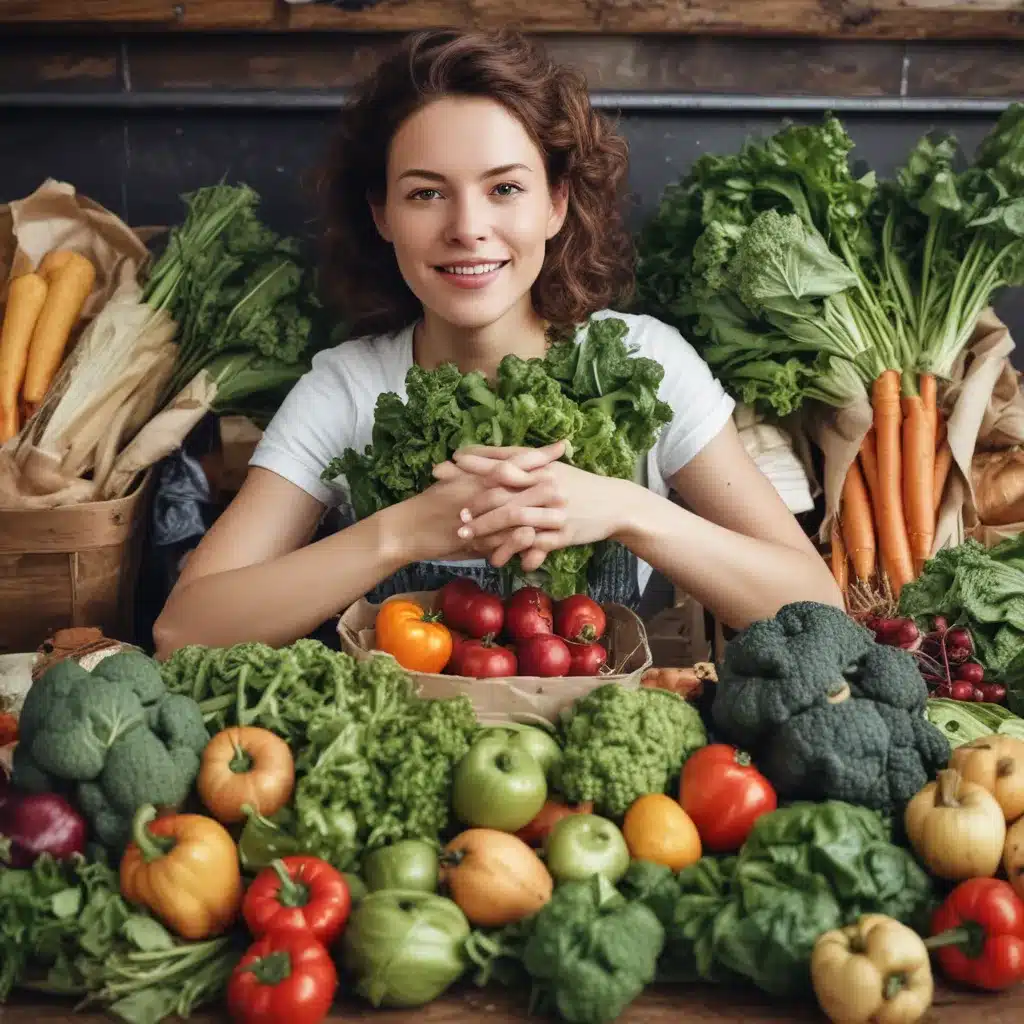
The Rotten Truth: Tackling the Food Waste Crisis
As a conscious consumer and aspiring home chef, I’ve always been troubled by the alarming amount of food waste generated globally. In fact, did you know that a staggering one-third of all food produced for human consumption ends up in the trash? That’s a mind-boggling statistic, don’t you think?
But why should we care, you ask? Well, my friends, the environmental impact of food waste is truly staggering. All those wasted resources – the land, water, and energy used to grow, process, and transport that food – are essentially going down the drain. Not to mention the greenhouse gas emissions generated by the rotting food in landfills. It’s a problem that’s just begging to be solved.
So, as a home chef who’s passionate about sustainability, I’ve made it my mission to become a food waste warrior. And let me tell you, I’ve learned a thing or two along the way. From smart meal planning to creative repurposing, I’ve discovered a world of strategies to reduce my food waste footprint. And I’m here to share them with you, my fellow conscious cooks, in the hopes of inspiring a food waste revolution.
Planning for Perfection: Mastering the Art of Meal Prep
Ah, meal planning – the bane of many a home cook’s existence. But trust me, it’s a game-changer when it comes to reducing food waste. I used to be the queen of last-minute grocery runs, impulse buys, and rotting produce in the fridge. But no more! These days, I’ve got my meal planning routine down to a science.
First and foremost, I always start with a thorough inventory of what’s already in my pantry, fridge, and freezer. That way, I can plan my meals around what I already have, rather than buying duplicate items. It’s like a treasure hunt, but with less glitter and more vegetables.
Next, I make a weekly meal plan that takes into account our schedules, dietary needs, and personal preferences. I try to incorporate a variety of proteins, grains, and produce to keep things interesting. And you know what they say, “Variety is the spice of life!” (Or maybe that’s just me.)
But the real magic happens in the execution. I make a detailed grocery list and stick to it like glue. No more impulse buys or “just in case” items. And when I get home, I make sure to properly store and preserve my ingredients, whether that’s freezing, canning, or pickling. It’s like a little food preservation dance, and I’m the prima ballerina.
Repurposed Radiance: Turning Scraps into Culinary Masterpieces
Now, let’s talk about the real secret weapon in the fight against food waste: repurposing. I like to think of myself as a culinary alchemist, transforming the most seemingly mundane scraps into something truly special.
Take those wilted veggies in the crisper drawer, for example. Instead of tossing them, I’ll whip up a hearty vegetable stock that I can use as the base for soups, stews, or even risotto. And those bread heels that no one wants to eat? They’re perfect for making homemade breadcrumbs or croutons.
But my personal favorite food waste-fighting move? Composting. That’s right, I’ve got my own little backyard compost bin where I toss all my veggie peels, eggshells, and other organic scraps. It’s like a magical, nutrient-rich elixir for my garden, and it’s a great way to keep food waste out of the landfill.
And let’s not forget about those overripe fruits and veggies. Instead of letting them go to waste, I’ll transform them into jams, chutneys, or even smoothies. It’s like a delicious game of culinary Tetris, where I get to play with flavors and textures to create something truly remarkable.
Preserving Perfection: The Art of Food Storage
Ah, the age-old conundrum of food storage. How many times have you opened your fridge, only to find a sad, wilted salad or a fuzzy, forgotten container of leftovers? It’s a tale as old as time, my friends.
But fear not, for I have mastered the art of food preservation. It all starts with proper storage techniques. For example, did you know that certain fruits and vegetables actually emit gases that can cause other produce to ripen and spoil faster? That’s why I always make sure to store them separately.
And then there’s the freezer – my personal food waste-fighting superhero. I love to freeze everything from homemade soups and sauces to chopped veggies and leftover portions of meals. It’s like a culinary time capsule, preserving all the flavors and nutrients for when I need them most.
But it’s not just about the fridge and freezer, my friends. I also rely on good old-fashioned canning and pickling to extend the shelf life of all sorts of goodies. Diced tomatoes, fermented veggies, and even homemade jams – they all find a happy home in my pantry, just waiting to be enjoyed.
And let’s not forget about the humble freezer bag. I swear by those little plastic wonders, using them to store everything from herbs and spices to leftover wine (yes, that’s a thing!). It’s all about maximizing storage space and minimizing food waste.
Scraps to Shine: Turning Leftovers into Culinary Masterpieces
Ah, the dreaded leftover dilemma. We’ve all been there – staring into the fridge, wondering what the heck to do with that sad, lonely container of last night’s dinner. But fear not, my friends, for I am here to transform those leftovers into culinary gold.
First and foremost, I always make sure to store my leftovers properly, whether that’s in airtight containers or tightly wrapped in foil. That way, I can guarantee maximum freshness and flavor when I’m ready to enjoy them.
And then, the real magic happens. I love to get creative with my leftover ingredients, repurposing them into entirely new dishes. Those roasted veggies from last night’s dinner? They’re the perfect topping for a homemade pizza. That last bit of roasted chicken? It’s the star of a delicious fried rice stir-fry.
But my personal favorite leftover trick? The humble frittata. It’s the ultimate canvas for leftover odds and ends, from sautéed greens to crumbled feta. Just whisk some eggs, toss in your ingredients, and bake. Voila – a tasty, textured masterpiece that’s perfect for breakfast, lunch, or dinner.
And let’s not forget about those lone pieces of fruit or veggies that are just begging to be used up. I love to blend them into smoothies or incorporate them into baked goods like muffins or quick breads. It’s a win-win – I get to enjoy a delicious treat and reduce my food waste footprint in the process.
Waste-Free Wonders: Creative Cooking Challenges
As a self-proclaimed food waste warrior, I’m always on the lookout for new and creative ways to reduce my impact. And let me tell you, some of my most rewarding culinary adventures have come from intentionally challenging myself to use up every last scrap.
Take, for example, the time I decided to create an entire meal using only ingredients that were on the verge of going bad. It was like a real-life version of “Chopped,” but with a distinctly sustainability-focused twist. I rummaged through my fridge and pantry, unearthing wilted greens, overripe bananas, and even a few forgotten canned goods.
But you know what they say – “Necessity is the mother of invention.” I got to work, whipping up a hearty vegetable stir-fry, a banana-based smoothie, and a surprisingly delicious quinoa and bean salad. It was a culinary adventure that not only reduced my food waste, but also challenged me to think outside the box and get creative with my cooking.
And then there was the time I took on the “zero-waste challenge,” where I committed to using every single part of the fruits and veggies I was working with. Carrot tops became a vibrant pesto, broccoli stems transformed into a creamy soup, and even the humble onion skins got in on the action, adding depth and flavor to my homemade broth.
These types of challenges have not only helped me become a more conscious and resourceful cook, but they’ve also sparked my creativity in the kitchen. Who knew that a little bit of food waste could inspire such culinary innovation?
Sustainable Sorcery: Lessons from the Pros
As a passionate home chef, I’m always eager to learn from the experts. And when it comes to reducing food waste, I’ve found that the pros have a thing or two to teach us mere mortals.
Take, for example, the brilliant minds behind ABC Home Renovations. Not only do they excel at transforming houses into stunning, sustainable abodes, but they’re also absolute wizards when it comes to minimizing waste in the kitchen. I had the pleasure of chatting with their head chef, who shared some truly invaluable insights.
“It all starts with a deep respect for the ingredients,” they told me, as I leaned in, pen and paper at the ready. “Every time you waste food, you’re also wasting all the resources that went into growing, processing, and transporting it. And that’s just not sustainable in the long run.”
Their advice? Get to know your ingredients, understand their shelf lives, and find creative ways to use every last bit. Whether it’s pickling those leftover veggies or turning stale bread into homemade croutons, they emphasized the importance of thinking outside the box.
But the real game-changer, according to the pros, is meal planning. “It’s all about being intentional and proactive,” they explained. “When you know exactly what you’re going to cook and when, you can make sure you’re only buying what you need, and that nothing goes to waste.”
And let’s not forget the power of composting. “It’s like magic,” the chef exclaimed, their eyes sparkling with enthusiasm. “All those food scraps that would otherwise end up in a landfill? They’re transformed into nutrient-rich soil that can nourish your garden or houseplants. It’s a win-win for both the environment and your green thumb.”
As I listened, furiously scribbling down notes, I couldn’t help but feel inspired. These experts weren’t just sharing tips – they were igniting a fire within me, a passion for sustainable, waste-conscious cooking that I couldn’t wait to put into practice.
Conclusion: A Call to Action
So, there you have it, my fellow conscious cooks – a veritable treasure trove of tips and tricks to help you reduce your food waste footprint. From mastering the art of meal planning to transforming leftover scraps into culinary masterpieces, I’ve shared the strategies that have helped me become a more sustainable and resourceful home chef.
But the work doesn’t end here, my friends. This is a call to action, a challenge to all of us to join the food waste revolution. Because the truth is, the impact we can have as individuals is truly staggering. By making conscious choices in our own kitchens, we can collectively help to reduce the staggering amount of food that ends up in landfills every year.
It’s time to embrace our inner food waste warriors, to get creative, and to treat every ingredient with the respect it deserves. Who’s with me? Let’s roll up our sleeves, sharpen our knives, and get to work – one delicious, waste-free dish at a time.


