
Discovering the Beauty of Dried Flowers
If you had asked me a few years ago about dried flowers, I probably would have wrinkled my nose in distaste. The tacky, dated floral arrangements from the late 80s and 90s instantly came to mind – dusty, crumbling petals and faded colors that seemed more depressing than delightful. But now, I can’t believe it took me so long to embrace the beauty and versatility of dried botanicals.
As Erin Benzakein of Floret Flowers recently expressed, dried flowers allow you to preserve the abundance of your garden long after the last bloom has faded. And with the right drying techniques, you can transform just about any flower, pod, or grass into a stunning, everlasting work of art.
I’ll admit, my initial skepticism about dried flowers stemmed from a lack of exposure to the innovative ways modern floral designers are using them. But after stumbling upon FLORA + LEE’s gorgeous resin-cast dried blooms and seeing the ethereal dried wreaths from Atelier Lonicera, I was utterly captivated. These aren’t your grandmother’s dried flower crafts – this is a whole new level of botanical beauty.
Bringing Texture and Color to the Garden
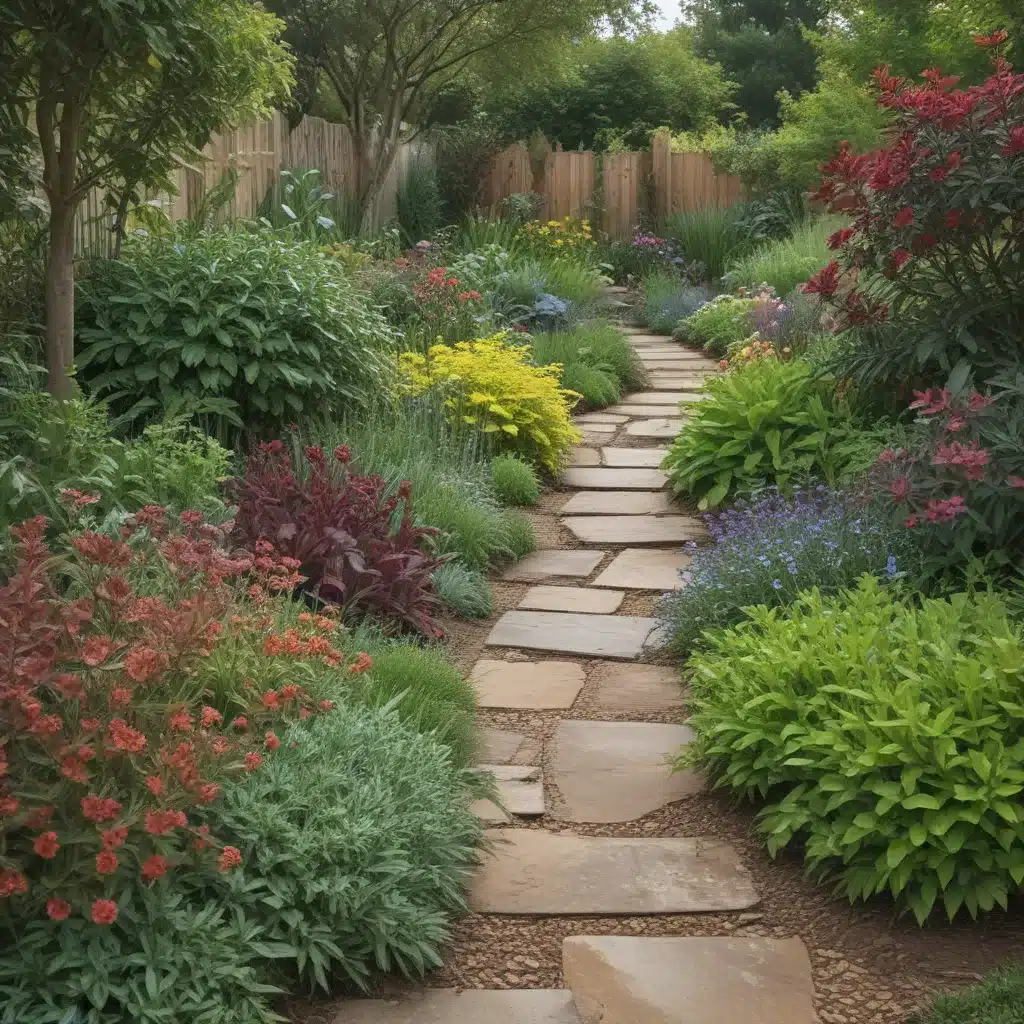
As someone who loves playing with texture and color in my home decor, I’ve been inspired to reimagine how I can incorporate dried flowers into my garden design. Rather than letting those late-season blooms go to waste, I’m now planning to intentionally grow and preserve a variety of botanicals to use year-round.
One of the easiest ways to add visual interest to a garden is by layering different textures. Dried flowers, grasses, and seed pods can provide a wonderful counterpoint to the lush, soft petals of fresh blooms. Imagine a bounty of crimson celosias, golden strawflowers, and silvery bunny tails cascading from an arbor or trellising along a fence.
Native plants like kinnikinnick, deer fern, and licorice fern also offer striking textural elements that can anchor a garden design, even in the depths of winter. By thoughtfully incorporating these architectural, evergreen plants, you can create a sense of rhythm and structure that persists through the seasons.
And let’s not forget about color! While fresh flowers come and go, dried botanicals allow you to enjoy a vibrant palette year-round. Fiery red twigs of dogwood, the deep purple of globe amaranth, and the jewel-toned hues of strawflowers can all be preserved to create stunning visual displays.
Embracing the Seasons with Dried Flowers
One of the greatest joys of working with dried flowers is that you can use them to celebrate each season in your garden. In the fall, imagine a wreath overflowing with russet larkspur, golden craspedia, and the feathery plumes of pampas grass. During the winter months, evergreen eucalyptus and the delicate seed heads of love-in-a-mist can bring a touch of enchantment to your entryway or mantel.
And as spring returns, you can incorporate the vibrant pinks and purples of fresh blooms alongside your carefully dried treasures. The juxtaposition of the ephemeral and the everlasting creates a sense of harmony and a visual reminder of nature’s cyclical beauty.
Gardening isn’t just about the height of the growing season – it’s about finding ways to elevate and appreciate your outdoor spaces in every phase of the calendar. Dried flowers allow you to do just that, transforming your garden into a year-round canvas of texture and color.
Drying Techniques for Lasting Beauty
Of course, the key to working with dried flowers is mastering the art of preservation. As Erin Benzakein of Floret Flowers explains, there are a variety of techniques you can use, from simple air drying to more involved silica gel or glycerin methods.
Air drying is one of the easiest and most accessible options. Simply gather your freshly cut flowers, grasses, or seed pods into small bunches and hang them upside down in a warm, dark, and well-ventilated area. This method works particularly well for sturdy blooms like strawflowers, statice, and celosias.
For more delicate flowers, you may want to try the silica gel drying technique. This involves carefully burying the blooms in the granular silica, which helps draw out moisture and preserve the shape and color. It’s a bit more hands-on, but the results can be stunning, especially for hydrangeas, peonies, and ranunculus.
If you’re looking to maintain pliability in your dried botanicals, the glycerin method might be the way to go. By soaking stems in a glycerin-water solution, you can help the flowers stay soft and supple, ideal for creating wreaths, bouquets, or other crafty projects.
No matter which technique you choose, the key is to experiment and have fun with the process. Dried flowers offer endless opportunities for creativity, from simple bunches hung in the window to intricate, layered arrangements. The more you play, the more you’ll discover the boundless potential of these everlasting beauties.
Elevating Your Outdoor Spaces
As I look around my own garden, I’m brimming with ideas for how I can incorporate dried flowers into the design. Perhaps I’ll plant a dedicated “drying bed” filled with fragrant lavender, wispy love-in-a-mist, and the vibrant blooms of zinnias and dahlias. Or maybe I’ll weave strands of silvery bunny tails and ruby-toned gomphrena through the trellis that supports my climbing roses.
The possibilities are truly endless, and I can’t wait to see how these dried botanical elements transform my once-tired garden beds into lush, textural masterpieces. By blending the ephemeral and the everlasting, I know I can create a space that delights the senses year-round.
So if you’re looking to breathe new life into your outdoor oasis, don’t overlook the power of dried flowers. With a little creativity and a dash of horticultural know-how, you can reimagine your garden as a tapestry of color, form, and enduring beauty. The only question is, where will you start?


