
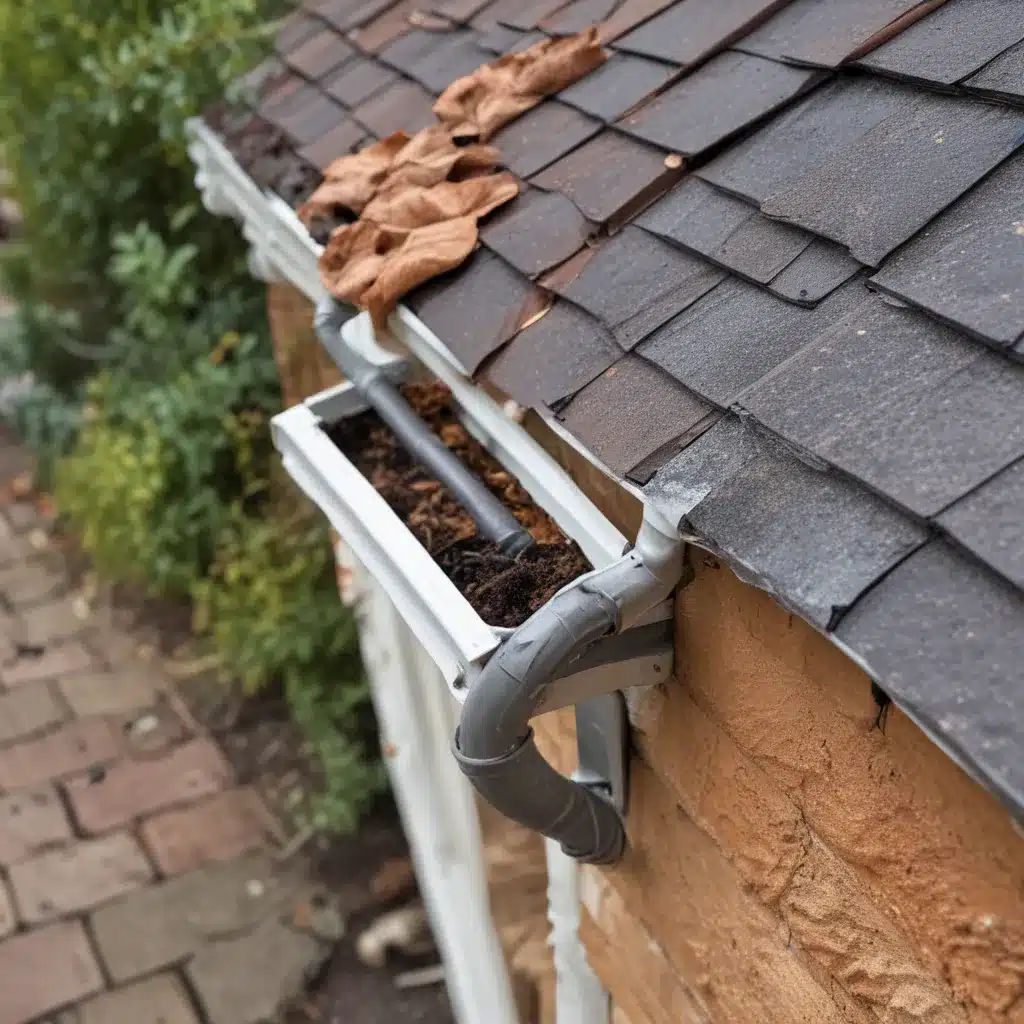
The Importance of Gutters and Drainpipes
As the rain pours down and the leaves start to fall, I can’t help but think about the crucial role that gutters and drainpipes play in keeping our homes safe and dry. You see, these often overlooked components of our buildings are the unsung heroes, silently diverting water away from our foundations and walls, preventing costly damage and ensuring that our homes remain a sanctuary from the elements.
But in my line of work as a building and renovation specialist in Aberdeen, UK, I’ve seen too many homeowners neglect the importance of maintaining their gutters and drainpipes. They might not think about them until it’s too late – until the water is cascading down the walls, seeping into the basement, or pooling around the foundation. That’s when the real problems start.
That’s why I’ve made it my mission to educate homeowners on the ins and outs of gutter and drainpipe maintenance. It’s a topic that may not be the most glamorous, but it’s absolutely essential to the long-term health and well-being of your home. So, let’s dive in and explore everything you need to know about repairing and replacing these vital components.
Understanding the Role of Gutters and Drainpipes
To truly appreciate the importance of gutters and drainpipes, we need to start by understanding their primary function. Gutters are the horizontal troughs that run along the edges of your roof, collecting rainwater and snowmelt as it flows off the roof. Drainpipes, on the other hand, are the vertical pipes that carry this water away from your home and direct it to a safe location, such as a storm drain or a designated drainage area.
Together, these two components play a critical role in protecting your home from water damage. Without them, the water would simply cascade down the walls, seeping into the foundation and potentially causing a myriad of problems, from mold and mildew to structural instability and even flooding.
But it’s not just about diverting water – gutters and drainpipes also help to preserve the lifespan of your roof and siding. By channeling water away from these vulnerable areas, they prevent the constant exposure to moisture that can lead to premature aging, cracking, and deterioration.
Common Gutter and Drainpipe Issues
Now that we’ve established the vital role that gutters and drainpipes play, let’s take a closer look at some of the most common issues that homeowners may encounter.
One of the most frequent problems is clogging, which occurs when leaves, twigs, and other debris accumulate in the gutters, blocking the flow of water. This can lead to water overflow, which can then seep into the walls and foundation. Over time, the constant exposure to moisture can also cause the gutters and drainpipes to rust, corrode, or even pull away from the home.
Another common issue is sagging or misalignment, where the gutters and drainpipes become dislodged from their proper position. This can happen due to a variety of factors, such as heavy snowfall, strong winds, or even just the natural wear and tear of age. When the gutters and drainpipes are not properly aligned, they can’t effectively channel the water away from the home, leading to the same kinds of water damage problems.
And let’s not forget about the dreaded leaks – cracks, holes, or gaps in the gutters or drainpipes that allow water to escape and seep into the walls, foundation, or landscaping. These leaks can be tricky to identify and even trickier to repair, but they’re an all-too-common issue that homeowners have to deal with.
Maintaining Gutters and Drainpipes
Now that we’ve covered the common problems, let’s talk about the best ways to maintain your gutters and drainpipes and keep them in tip-top shape.
First and foremost, regular cleaning and inspection are key. I recommend that homeowners clean out their gutters at least once or twice a year, typically in the fall and spring when the leaves are falling. This helps to prevent clogging and ensures that the water can flow freely. During these cleanings, you should also carefully inspect the gutters and drainpipes for any signs of damage or wear, such as cracks, holes, or loose connections.
If you do find any issues, it’s important to address them as soon as possible. Small problems, like a few loose screws or a minor crack, can often be easily fixed with a few tools and some elbow grease. But more serious issues, like extensive corrosion or sagging, may require more extensive repairs or even replacement of the entire gutter or drainpipe system.
And speaking of replacement, it’s important to know when it’s time to invest in new gutters and drainpipes. As a general rule of thumb, most gutter systems have a lifespan of around 20-30 years, while drainpipes can last anywhere from 30-50 years, depending on the material and the local climate. If your current system is starting to show its age, it may be time to consider an upgrade.
Choosing the Right Gutter and Drainpipe Materials
When it comes time to repair or replace your gutters and drainpipes, you’ll have a few different material options to choose from. The most common choices are:
| Material | Pros | Cons |
|---|---|---|
| Aluminum | Lightweight, rust-resistant, and relatively inexpensive | Can be prone to denting and may require more frequent maintenance |
| Vinyl | Lightweight, low-maintenance, and available in a variety of colors | May not be as durable as other materials and can become brittle over time |
| Steel | Extremely durable and long-lasting | Can be more expensive and may require more specialized installation |
| Copper | Elegant, high-end look and naturally resistant to corrosion | Significantly more expensive than other options |
Ultimately, the choice will depend on your budget, the style of your home, and your personal preferences. But no matter which material you choose, it’s important to work with a reputable and experienced contractor who can ensure that the installation is done properly and to the highest standards.
Real-Life Case Studies
To really drive home the importance of maintaining your gutters and drainpipes, let me share a couple of real-life case studies from my work as a building and renovation specialist in Aberdeen.
One of my clients, let’s call her Sarah, had been neglecting her gutters for years. She just assumed that they were fine, and she never really gave them a second thought. That is, until one day when a heavy rainstorm hit and the water started pouring down the walls of her home, causing significant damage to the siding and foundation.
When I came out to assess the situation, I found that her gutters were completely clogged with leaves, twigs, and other debris. The water had nowhere to go, so it had just cascaded down the walls, seeping into the basement and causing mold and mildew to grow. It was a nightmare, and it ended up costing Sarah thousands of pounds to repair the damage.
Another client, John, had a different problem – his drainpipes were starting to sag and pull away from the home. Over the years, the constant exposure to the elements had taken its toll, and the pipes had become dislodged from their mounting brackets. As a result, the water was no longer being directed away from the home, and it was starting to pool around the foundation.
John didn’t realize the extent of the problem until he started noticing cracks in the walls and dampness in the basement. By the time he called me, the damage was extensive, and it required a complete overhaul of the gutter and drainpipe system. It was a costly and time-consuming process, but it was absolutely necessary to prevent further damage to his home.
These stories just go to show how important it is to stay on top of gutter and drainpipe maintenance. A little bit of proactive care and attention can go a long way in protecting your home from the ravages of water damage.
Conclusion: Invest in Your Home’s Future
As you can see, gutters and drainpipes are not just a necessary evil – they’re a vital component of a healthy, well-functioning home. By taking the time to properly maintain these often-overlooked features, you can save yourself a world of headaches and costly repairs down the line.
So, if you’re a homeowner in Aberdeen or the surrounding area, I encourage you to take a close look at your gutters and drainpipes. Are they in good shape, or do they need some TLC? Don’t wait until it’s too late – investing in proactive maintenance now can pay dividends for years to come.
And if you’re in need of professional assistance, I would be more than happy to lend a hand. Our building and renovation company has a team of experienced experts who can assess the condition of your gutters and drainpipes, recommend the best course of action, and ensure that any necessary repairs or replacements are done to the highest standard.
Remember, taking care of your home’s gutters and drainpipes is an investment in its long-term health and value. So, let’s work together to keep your home dry, safe, and beautiful for years to come.


