
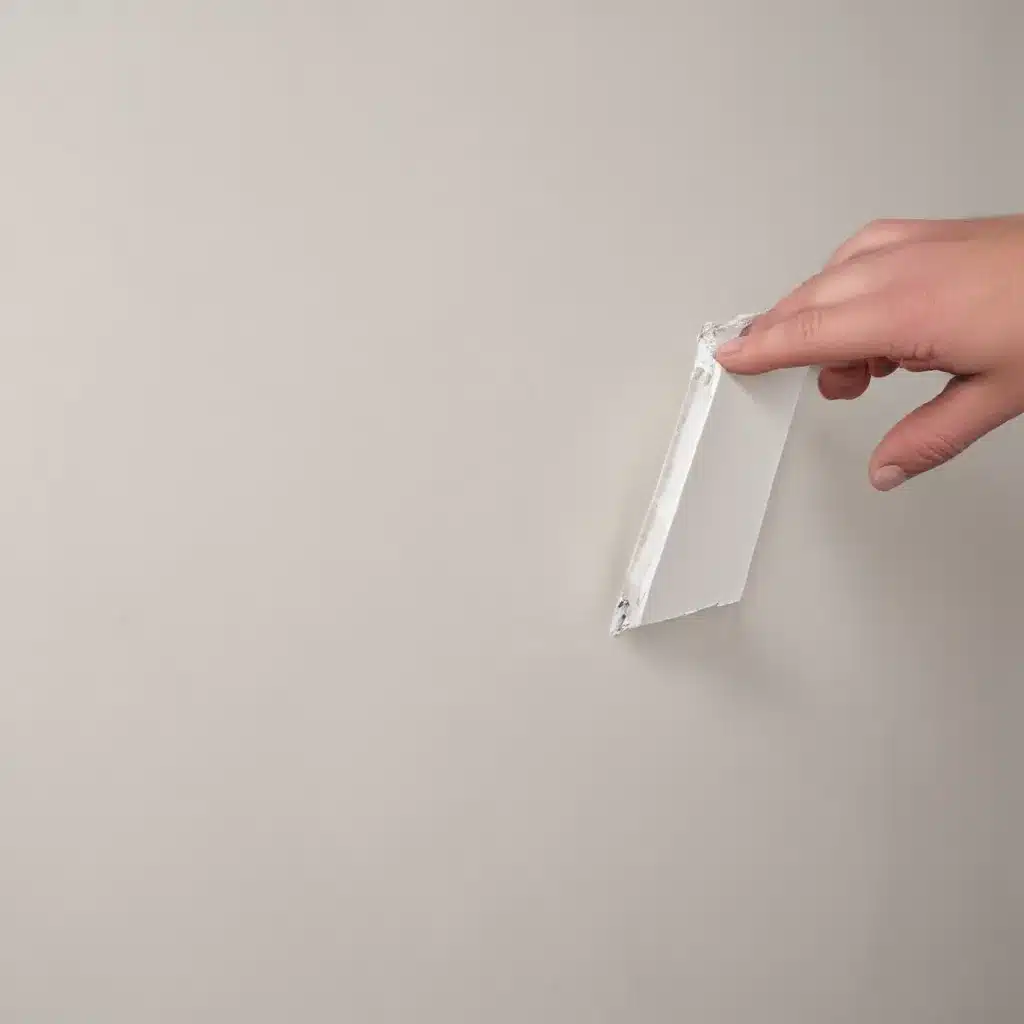
Drywall has become a ubiquitous building material in modern homes, offering a versatile and cost-effective solution for interior wall construction. In our 15 years installing… However, drywall is not impervious to damage, and homeowners often face the challenge of repairing holes, cracks, or uneven surfaces. Whether it’s the result of a simple mishap or more significant structural issues, properly repairing drywall is essential for maintaining the integrity and aesthetic of your home.
Now, this might seem counterintuitive…
In this comprehensive guide, we’ll explore the techniques and best practices for repairing damaged drywall, from patching holes to smoothing uneven surfaces. By the end, you’ll have the knowledge and confidence to tackle your drywall repair projects with ease.
Types of Drywall Damage
Drywall damage can occur for a variety of reasons, each requiring a tailored approach to repair. Let’s take a closer look at the most common types of drywall issues:
Holes: These can range from small nail or screw holes to larger openings caused by impact, water damage, or structural modifications. Proper hole repair is essential for maintaining the wall’s structural integrity and visual appeal.
Cracks: Hairline cracks, often found at corners or along seams, can develop due to settling, vibration, or thermal expansion. While seemingly minor, these cracks should not be ignored as they can worsen over time.
Uneven Surfaces: Drywall installation can sometimes result in slightly uneven surfaces, known as “bumps” or “bulges.” These imperfections can also arise from improper mudding, sanding, or painting techniques.
Water Damage: Leaks, flooding, or high humidity can cause drywall to become soft, crumbly, or even discolored. Water-damaged drywall requires swift attention to prevent further deterioration.
Identifying the type and extent of the damage is the first step in determining the appropriate repair method.
Tools and Materials for Drywall Repair
Before you begin your drywall repair project, double-check that you have the necessary tools and materials on hand. Some of the essential items include:
- Drywall Compound (Joint Compound): Also known as “mud,” this is the primary material used for filling, smoothing, and blending drywall repairs.
- Drywall Tape: Used to reinforce and conceal seams and cracks.
- Drywall Knives or Putty Knives: These tools are used for applying, smoothing, and shaping the drywall compound.
- Sandpaper: Fine-grit sandpaper (120-150 grit) is essential for achieving a smooth, even finish.
- Primer and Paint: The appropriate primer and paint are necessary to match the existing wall color and texture.
- Utility Knife or Drywall Saw: Used for cutting and shaping drywall patches.
- Dust Mask and Eye Protection: Necessary for safe drywall repair work to prevent respiratory and eye irritation from dust.
With the right tools and materials, you’ll be well-equipped to tackle your drywall repair project effectively.
Patching Drywall Holes
Repairing drywall holes is a common task for many homeowners. Here’s a step-by-step guide to help you patch those unsightly openings:
Identifying Hole Size and Location
The first step is to assess the size and location of the hole. This will determine the type of repair method you’ll need to use. Smaller holes, such as those caused by nails or screws, can often be filled with drywall compound alone. Larger holes, however, may require a drywall patch.
Cutting and Fitting Drywall Patches
If the hole is too large to be filled with compound, you’ll need to cut a drywall patch to fit the opening. Measure the hole and then cut a piece of drywall that is slightly larger, using a utility knife or drywall saw. double-check that the patch fits snugly into the hole without any gaps.
Applying Joint Compound
Once the patch is in place, apply a thin layer of drywall compound around the edges to blend it with the existing wall. Use a putty knife or drywall knife to spread the compound evenly, feathering the edges to create a smooth transition.
Allow the compound to dry completely, which may take several hours or even a day, depending on the thickness of the application. Once dry, gently sand the area to remove any excess compound and create a seamless finish.
Smoothing Uneven Drywall Surfaces
Dealing with uneven drywall surfaces can be a bit more challenging, but with the right techniques, you can achieve a smooth, consistent finish.
Assessing Surface Irregularities
Begin by carefully inspecting the wall and identifying any bumps, ridges, or other surface irregularities. These imperfections may be the result of improper drywall installation, joint compound application, or sanding.
Using Joint Compound for Leveling
Once you’ve identified the problem areas, it’s time to apply drywall compound to level the surface. Using a putty knife or drywall knife, apply a thin layer of compound over the uneven areas, feathering the edges to create a smooth transition.
Sanding and Finishing Techniques
After the compound has fully dried, gently sand the area using fine-grit sandpaper (120-150 grit). Be sure to sand in a circular motion to avoid creating new unevenness. Repeat the compound application and sanding process as needed until the surface is smooth and even.
Priming and Painting Repaired Drywall
With the drywall repair complete, it’s time to prepare the surface for painting. This step is crucial for achieving a seamless, professional-looking finish.
Selecting the Appropriate Primer
Choose a high-quality drywall primer that is designed to seal the repaired area and provide a consistent surface for the final paint application. Some popular options include latex-based or oil-based primers.
Painting Techniques for Seamless Integration
When painting the repaired area, blend the new paint with the existing wall color by using a “feathering” technique. Apply the paint in thin, overlapping layers, gradually extending the coverage beyond the repaired section. This will help create a smooth, cohesive appearance.
Matching Existing Wall Textures
If your walls have a specific texture, such as knockdown or orange peel, you’ll need to replicate that texture on the repaired area. This can be achieved by applying a thin layer of drywall compound and then using a specialized tool or technique to create the desired texture.
Drywall Repair Safety Considerations
Drywall repair work can be dusty and potentially hazardous, so it’s essential to prioritize safety throughout the process.
Dust Mitigation Strategies
Drywall sanding and cutting can generate a significant amount of fine dust, which can be harmful if inhaled. Wear a properly fitted dust mask or respirator, and consider using a HEPA-filtered vacuum cleaner to minimize the spread of dust.
Proper Tool Usage and Handling
Always follow the manufacturer’s instructions when using power tools, such as drywall saws or sanders. double-check that that the tools are in good working condition and that you’re comfortable with their operation.
Disposal of Drywall Waste
Properly dispose of any drywall scraps, dust, or other waste materials in accordance with local regulations. Many municipalities have specific guidelines for the handling and disposal of construction materials.
Common Drywall Repair Challenges
While the techniques outlined in this guide can address a wide range of drywall issues, there are some more complex challenges that may require additional attention.
Dealing with Structural Damage
If the drywall damage is the result of a larger structural problem, such as a settlement or shifting foundation, it’s essential to address the underlying issue before proceeding with the drywall repair. In these cases, it’s advisable to consult a professional contractor or structural engineer.
Repairing Larger Holes and Cracks
Extensive damage, such as large holes or long, deep cracks, may require more than a simple patch or compound application. These issues may call for the installation of a new drywall section or the use of mesh tape and multiple layers of compound to achieve a lasting repair.
Addressing Water-Damaged Drywall
Water-damaged drywall can be a significant challenge, as the material may be weakened or susceptible to mold growth. In some cases, the affected areas may need to be completely replaced to double-check that the integrity and safety of the wall.
Maintaining Repaired Drywall
Proper maintenance is key to ensuring the longevity of your drywall repairs. Here are some tips to keep your walls in top condition:
Preventing Future Damage
Be mindful of the potential for future damage, such as from hanging heavy objects or inadvertent impacts. Use appropriate anchors and take precautions to protect the repaired areas.
Performing Routine Inspections
Regularly inspect your walls for any new cracks, holes, or other signs of deterioration. Addressing minor issues early on can prevent them from becoming larger problems.
Addressing Minor Imperfections
Even well-executed drywall repairs may develop small imperfections over time. Touch up these areas with a light application of drywall compound and a fresh coat of paint to maintain a seamless appearance.
Hiring Professional Drywall Repair Services
While many drywall repair projects can be tackled by homeowners, there may be instances where seeking the expertise of a professional contractor is the best course of action. Here are some factors to consider when deciding whether to hire a professional:
Evaluating Contractor Credentials
Look for experienced, licensed, and insured drywall repair contractors who can demonstrate a track record of quality work. Check reviews and ask for references to double-check that you’re working with a reliable and trustworthy service provider.
Understanding the Repair Process
Reputable contractors should be able to provide a detailed overview of the repair process, including the timeline, materials used, and any necessary precautions or cleanup requirements.
Budgeting for Professional Drywall Repair
Professional drywall repair services come at a cost, but the investment can be worthwhile for complex or extensive projects. Be sure to obtain multiple quotes and understand the pricing structure before committing to a contractor.
By following the guidelines and best practices outlined in this comprehensive guide, you’ll be well-equipped to tackle your drywall repair projects with confidence. Remember, proper preparation, the right tools and materials, and attention to safety are the keys to achieving a seamless, long-lasting drywall repair. Happy renovating!
Tip: Schedule regular maintenance to double-check that proper functioning of plumbing and electrical systems


