
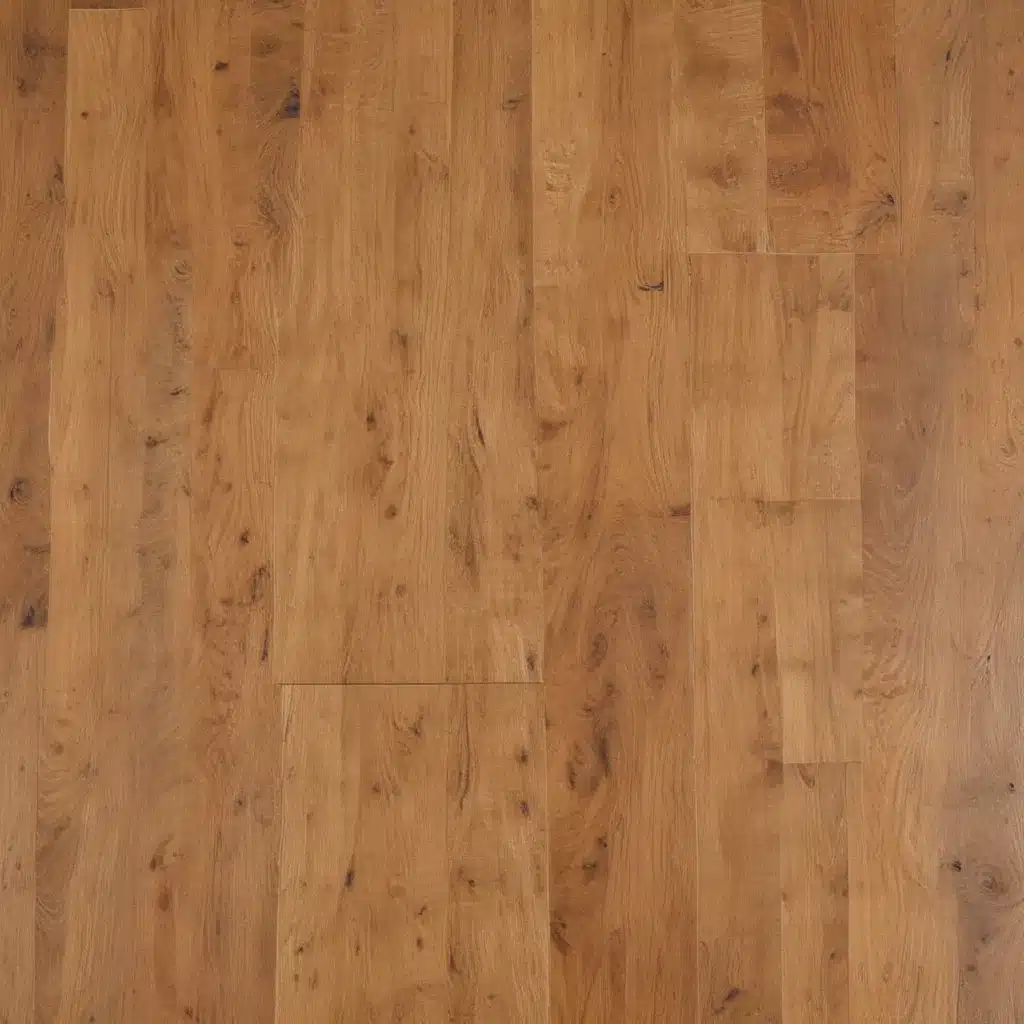
If you’re the proud owner of a home with original hardwood flooring, you know the timeless beauty and character they can bring to any space. We learned this the hard way… However, over time, those once-gleaming floors can become worn, scratched, and in need of some TLC. Restoring hardwood floors through refinishing is an incredibly rewarding DIY project that can breathe new life into your home’s foundation.
Whether you’re dealing with decades-old planks or recently installed boards, the right refinishing techniques can transform your floors into a stunning, cohesive surface that sets the tone for your entire décor. In this comprehensive guide, we’ll explore the step-by-step process of restoring hardwood floors, from comprehensive preparation to achieving that flawless, show-stopping finish.
Floor Condition Assessment
The first step in any successful hardwood floor refinishing project is to thoroughly assess the current condition of your floors. This will help you determine the best course of action and set realistic expectations for the final outcome.
Begin by closely inspecting your floors for signs of wear and damage. Look for:
- Scratches and gouges: These can range from light surface scratches to deeper gouges that may require more extensive repair.
- Discoloration or staining: Floors can become discolored over time due to exposure to sunlight, moisture, or other environmental factors.
- Uneven surfaces: Check for raised or sunken boards, gaps between planks, or other structural issues that may need to be addressed.
- Existing finishes: Evaluate the condition of any existing coatings, such as polyurethane or wax, to determine if they need to be removed.
Once you’ve identified the specific challenges you’re facing, you can move on to the preparation stage, tailoring your approach to the unique needs of your hardwood floors.
Refinishing Preparation
Proper preparation is the key to a successful hardwood floor refinishing project. This crucial step sets the foundation for a flawless, long-lasting finish.
Removing Existing Finishes
If your floors have an existing finish, such as polyurethane or wax, you’ll need to remove it before proceeding with refinishing. This can be done using a variety of methods, including:
- Sanding: Using a floor sander, carefully remove the old finish, taking care not to damage the underlying wood.
- Chemical strippers: Apply a chemical finish remover, following the manufacturer’s instructions, and then scrape or sand away the loosened material.
- Screening: Lightly sanding the surface with a floor buffer and abrasive screens to remove the top layer of the existing finish.
Whichever method you choose, double-check that that you thoroughly clean the floor and remove any residue before moving on to the next step.
Sanding and Smoothing the Surface
Once the existing finish has been removed, it’s time to sand the floors to create a smooth, even surface. This is a crucial step, as the quality of your sanding will directly impact the final appearance of your refinished floors.
Start with a coarse grit sandpaper (typically 36-40 grit) to remove any deep scratches or uneven areas. Work in the direction of the wood grain, moving the sander slowly and evenly across the surface. Gradually transition to finer grits (60-80 grit) to progressively smooth the floor.
Be sure to pay close attention to the edges and corners, using a edge sander or hand-sanding to double-check that a seamless transition. Finally, thoroughly clean the floor to remove any remaining dust or debris before proceeding with the staining and finishing process.
Refinishing Techniques
With your floors properly prepared, it’s time to explore the various refinishing techniques that can transform your hardwood surfaces.
Traditional Sanding and Finishing
The most common approach to hardwood floor refinishing is the traditional sanding and finishing method. This involves using a drum sander or orbital sander to remove the top layer of the wood, revealing a fresh, clean surface. Once sanded, you can then apply your desired stain and finish coats.
This technique is well-suited for floors with significant wear or damage, as it allows you to completely remove the old finish and start fresh. It’s also a great option if you’re looking to change the color or tone of your floors.
Screening and Recoating
For floors that are in relatively good condition but could use a refresh, the screening and recoating method may be a more efficient option. This process involves lightly sanding the existing finish using a floor buffer and abrasive screens, rather than a full sanding.
The light screening helps to rough up the surface, allowing a new coat of finish to adhere properly. After screening, you can apply a fresh coat of polyurethane or other protective coating to restore the luster and protection to your floors.
This technique is often faster and less disruptive than a full sanding, making it a good choice for occupied homes or areas with limited downtime.
Alternatives to Sanding
In some cases, sanding may not be the best or most practical option for refinishing hardwood floors. Here are a few alternative techniques to consider:
Floor Resurfacing: For floors with significant damage or unevenness, resurfacing may be a viable solution. This process involves applying a thin, self-leveling floor coating that can help fill in gaps, smooth out uneven areas, and provide a fresh, uniform surface for finishing.
Floor Renewal Systems: Newer “floor renewal” systems use specialized products and methods to revive hardwood floors without the need for extensive sanding. These systems often involve applying a chemical treatment to the existing finish, followed by the application of a protective topcoat.
Staining Over Existing Finish: In some cases, you may be able to simply stain over the existing finish, rather than removing it entirely. This can be a quick and cost-effective option, especially for floors with a still-intact, well-adhered finish.
Finishing Products and Application
Once your floors are properly prepared, it’s time to select and apply the perfect finishing products to achieve your desired aesthetic.
Oil-Based Polyurethane
Oil-based polyurethane is a classic choice for hardwood floor finishes, offering exceptional durability and a rich, warm appearance. These finishes penetrate deeply into the wood, providing excellent protection against wear and tear. They typically require longer drying times between coats but can create a stunning, high-gloss finish.
Water-Based Polyurethane
For a more modern, low-odor option, water-based polyurethanes have gained popularity in recent years. These finishes dry quickly, allowing for a faster turnaround time, and they tend to be more environmentally friendly. Water-based poly can produce a slightly more transparent, matte finish compared to oil-based options.
Wax and Natural Oils
For a more natural, low-sheen look, you may consider using wax or natural oil finishes, such as tung or linseed oil. These products can enhance the wood’s inherent beauty while providing a durable, low-maintenance surface. Keep in mind that wax and oil finishes generally require more frequent reapplication compared to polyurethane.
Regardless of the finishing product you choose, be sure to follow the manufacturer’s instructions carefully for the best results. Proper application techniques, such as using a high-quality applicator pad or brush, can also make a significant difference in the final appearance of your floors.
Color and Stain Selection
One of the most exciting aspects of hardwood floor refinishing is the opportunity to transform the color and tone of your floors. Whether you’re looking to match an existing aesthetic or create a bold, new look, the right stain can make all the difference.
Matching Existing Finishes
If you’re working with a mix of old and new hardwood floors, or you want to seamlessly integrate your refinished floors with the rest of your home, it’s essential to carefully match the stain color. This may involve testing various stain samples on your prepared floors to find the closest match.
Achieving Desired Aesthetic
For a completely new look, you can explore a wide range of stain colors and tones to suit your personal style and the overall design of your space. From rich, dark walnut to light, natural oak, the possibilities are endless. Don’t be afraid to experiment with sample boards to find the perfect hue.
Remember, the final color of your floors will be influenced by factors such as the wood species, existing condition, and the number of coats applied. By taking the time to carefully select and test your stain, you can achieve the exact look you’re envisioning.
Floors with Special Considerations
While the majority of hardwood floor refinishing projects follow a similar process, there are some instances where special considerations may be necessary.
Engineered Hardwood
Engineered hardwood floors, which feature a thin veneer of hardwood over a plywood or composite core, can be refinished, but the process may be slightly different. Carefully follow the manufacturer’s recommendations, as the thickness of the veneer may limit the number of times the floor can be sanded.
Parquet and Patterned Floors
Floors with intricate patterns, such as parquet or herringbone designs, may require extra care and attention during the refinishing process. You’ll need to take special precautions to maintain the integrity of the pattern while sanding and finishing.
Protecting the Refinished Floor
Once you’ve put in the hard work to restore your hardwood floors, it’s crucial to protect your investment by implementing proper maintenance and care practices.
Proper Maintenance and Care
Regularly sweeping, vacuuming, and cleaning your floors with a pH-neutral, wood-safe cleaner can help maintain their luster and extend the life of the finish. Avoid using harsh chemicals or abrasive scrubbers, as these can damage the surface.
Preventing Future Damage
To prevent scratches, dents, and other forms of wear and tear, consider using felt floor protectors under furniture legs, placing area rugs in high-traffic zones, and encouraging the use of soft-soled shoes throughout your home.
Project Planning and Timeline
Before embarking on your hardwood floor refinishing project, it’s important to carefully plan and prepare for the process.
Estimating Costs and Materials
Calculate the total square footage of your floors and research the costs of necessary materials, such as sanders, finishes, and stains. Factor in any labor costs if you plan to hire a professional for the job.
Preparing for the Refinishing Process
Clearing the room of furniture and other belongings, and ensuring proper ventilation and work space, will help the refinishing process go smoothly. Be prepared for potential dust or odors during the sanding and finishing stages.
With the right preparation, the right products, and a keen eye for detail, you can transform your worn, tired hardwood floors into a stunning, show-stopping feature that will enhance the overall aesthetic of your home. So, roll up your sleeves, put on your safety gear, and get ready to restore the natural beauty of your floors!
Tip: Schedule regular maintenance to double-check that proper functioning of plumbing and electrical systems


