
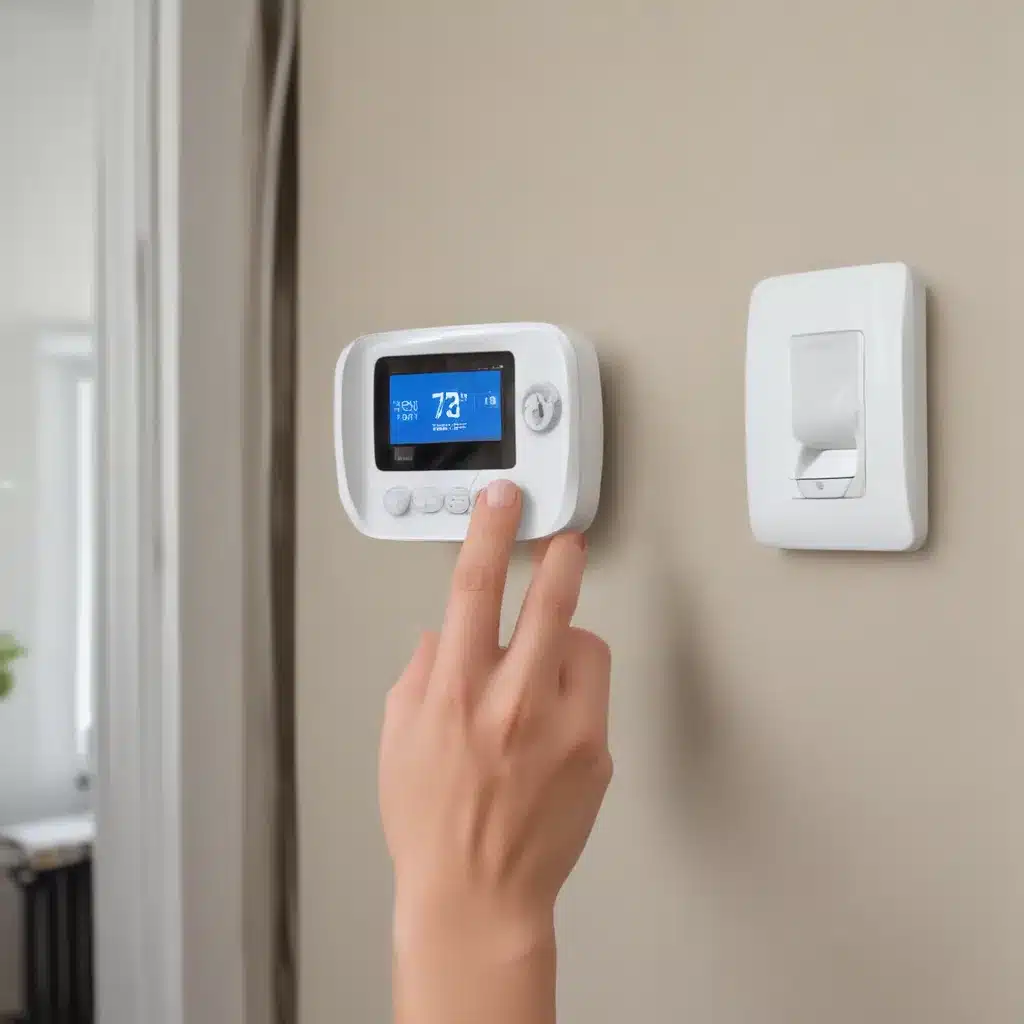
Retrofitting Smart Thermostats: Enhancing Energy Management in Home Renovations
As an experienced home renovation specialist, I’ve witnessed firsthand how the integration of smart thermostats can transform the energy efficiency and overall comfort of a home. In this comprehensive guide, we’ll explore the latest trends, design considerations, and practical insights for retrofitting smart thermostats as part of your home renovation projects.
Smart Thermostats
Technological Advancements
Smart thermostats have come a long way in recent years, offering homeowners unprecedented control and convenience when it comes to managing their home’s temperature and energy usage. These advanced devices incorporate a range of cutting-edge technologies, including Wi-Fi connectivity, artificial intelligence, and advanced sensor capabilities, to provide a more personalized and efficient heating and cooling experience.
One of the key benefits of smart thermostats is their ability to learn and adapt to your household’s unique preferences and routines. By gathering data on your family’s temperature preferences, daily schedules, and energy consumption patterns, these devices can automatically adjust the temperature to optimize comfort and efficiency. This “set-and-forget” functionality can lead to significant energy savings, making smart thermostats a valuable investment for any home renovation project.
Energy Efficiency Benefits
The energy-saving capabilities of smart thermostats are a significant driver behind their growing popularity in the home renovation market. By precisely controlling the heating and cooling systems, these devices can help reduce energy consumption and lower utility bills. In fact, according to a study by the Ontario government, homeowners who upgrade to ENERGY STAR®-certified smart thermostats can expect to save up to 23% on their heating and cooling costs.
Beyond the direct financial benefits, smart thermostats also contribute to a more sustainable home by reducing your carbon footprint. By minimizing energy waste and promoting energy-efficient practices, these devices align with broader sustainability initiatives and can be an essential component of your home’s overall energy management strategy.
Compatibility and Installation
When it comes to retrofitting smart thermostats, compatibility and installation are key considerations. Fortunately, modern smart thermostats are designed to be compatible with a wide range of HVAC systems, making them a relatively straightforward upgrade for most homes.
During the renovation process, it’s important to carefully assess your existing heating and cooling equipment to double-check that a seamless integration. This may involve consulting with a qualified HVAC professional or referring to the specific requirements outlined by the smart thermostat manufacturer. With the right planning and installation, homeowners can enjoy the full benefits of smart thermostat technology without any disruptive complications.
Home Renovations
Retrofitting Strategies
Integrating smart thermostats into your home renovation project requires a carefully planned retrofitting strategy. This may involve replacing your existing manual or programmable thermostat with a smart alternative or incorporating the smart thermostat as part of a larger home automation system.
One effective retrofitting approach is to consider the smart thermostat as a cornerstone of your home’s energy management system. By aligning the smart thermostat’s integration with other energy-efficient upgrades, such as insulation, windows, or HVAC equipment, you can maximize the overall impact on your home’s energy performance.
Integration with Home Systems
Smart thermostats are designed to seamlessly integrate with a wide range of home systems, including smart home automation platforms, security systems, and even renewable energy sources. This level of interconnectivity allows homeowners to manage their home’s energy consumption holistically, further optimizing efficiency and convenience.
For example, smart thermostats can be programmed to automatically adjust the temperature based on the home’s occupancy, as detected by integrated sensors or security systems. Similarly, these devices can be synchronized with solar panels or energy storage systems to prioritize the use of renewable energy sources for heating and cooling.
Renovation Considerations
When planning a home renovation that involves smart thermostats, it’s essential to consider the potential impact on your existing systems and the overall project timeline. Factors such as electrical wiring, HVAC compatibility, and network connectivity should be thoroughly evaluated to double-check that a smooth and successful installation.
Consulting with experienced home renovation contractors can be invaluable in navigating these considerations, as they can provide guidance on the most appropriate smart thermostat models, installation best practices, and integration strategies that align with your renovation goals.
Energy Management
Monitoring and Control
One of the standout features of smart thermostats is their ability to provide homeowners with comprehensive monitoring and control over their home’s energy consumption. These devices offer real-time data on temperature, humidity, and energy usage, empowering homeowners to make informed decisions about their heating and cooling habits.
Through intuitive mobile apps or web-based platforms, homeowners can access detailed energy usage reports, set custom temperature schedules, and even remotely adjust the thermostat when they’re away from home. This level of control and visibility can be a game-changer, allowing homeowners to identify and address energy-wasting behaviors or malfunctioning HVAC components.
Demand Response Integration
Smart thermostats can also play a crucial role in enabling demand response initiatives, which are designed to help utilities manage peak energy demand and promote grid stability. By integrating with utility-sponsored demand response programs, smart thermostats can temporarily adjust their temperature settings during high-demand periods, effectively reducing the strain on the electrical grid.
This integration not only benefits the broader community by supporting grid resilience but can also provide financial incentives for homeowners who participate in these programs. As utilities and government agencies continue to invest in smart grid technologies, the value of demand response-enabled smart thermostats is expected to grow, making them an increasingly attractive investment for home renovations.
Sustainability Initiatives
The energy-saving capabilities of smart thermostats align seamlessly with broader sustainability initiatives and the push towards a more eco-friendly built environment. By reducing a home’s overall energy consumption and carbon footprint, these devices contribute to the larger goal of residential decarbonization and can be a key component of your home’s green renovation strategy.
Moreover, as buildings and homes transition towards all-electric systems and renewable energy sources, smart thermostats can be adapted to optimize the integration and management of these new technologies. This flexibility ensures that your home renovation project remains future-proof, able to adapt to the evolving energy landscape and support your long-term sustainability goals.
Residential Energy Consumption
Heating and Cooling Trends
Heating and cooling account for a significant portion of a home’s energy usage, often making up more than half of the total energy consumption. This is why targeting these systems through smart thermostat retrofits can have a profound impact on a home’s overall energy efficiency.
According to a report by the New York State Energy Research and Development Authority (NYSERDA), the installation of smart thermostats and other building energy management systems has resulted in average energy savings of 7.2% across a portfolio of commercial and residential buildings. This underscores the significant potential for smart thermostats to optimize the performance of a home’s heating and cooling systems, leading to tangible cost savings and reduced environmental impact.
Energy-Saving Practices
Beyond the smart thermostat itself, homeowners can incorporate a variety of energy-saving practices into their renovation projects to further enhance the overall efficiency of their homes. This may include upgrading to ENERGY STAR®-certified appliances, implementing better insulation, and exploring renewable energy solutions like solar panels or heat pumps.
By taking a holistic approach to energy management, homeowners can create a synergistic effect, where the smart thermostat’s capabilities are amplified by the improved performance of the home’s other systems. This integrated approach not only delivers the greatest energy savings but also contributes to a more comfortable and sustainable living environment.
Occupant Behavior Factors
While smart thermostats offer a high degree of automation and optimization, the occupant behavior of the homeowners themselves can also have a significant impact on the overall energy efficiency of the home. Factors such as temperature preferences, usage patterns, and awareness of energy-saving practices all play a crucial role in maximizing the benefits of a smart thermostat retrofit.
Educating homeowners on the best practices for operating their smart thermostats, as well as encouraging energy-conscious habits, can be an essential component of a successful home renovation project. By aligning the technical capabilities of the smart thermostat with the homeowners’ engagement and commitment to energy efficiency, the full potential of these devices can be realized.
In conclusion, the integration of smart thermostats into home renovation projects is a strategic investment that can deliver substantial benefits in terms of energy efficiency, cost savings, and sustainability. By understanding the latest technological advancements, carefully planning the retrofitting process, and considering the broader implications for energy management, homeowners can unlock the transformative power of smart thermostats and create a more comfortable, eco-friendly, and future-ready home. Visit ABC Home for more information on the latest home renovation trends and expert guidance to make your project a success.
Example: Modern Home Extension Initiative 2023


