
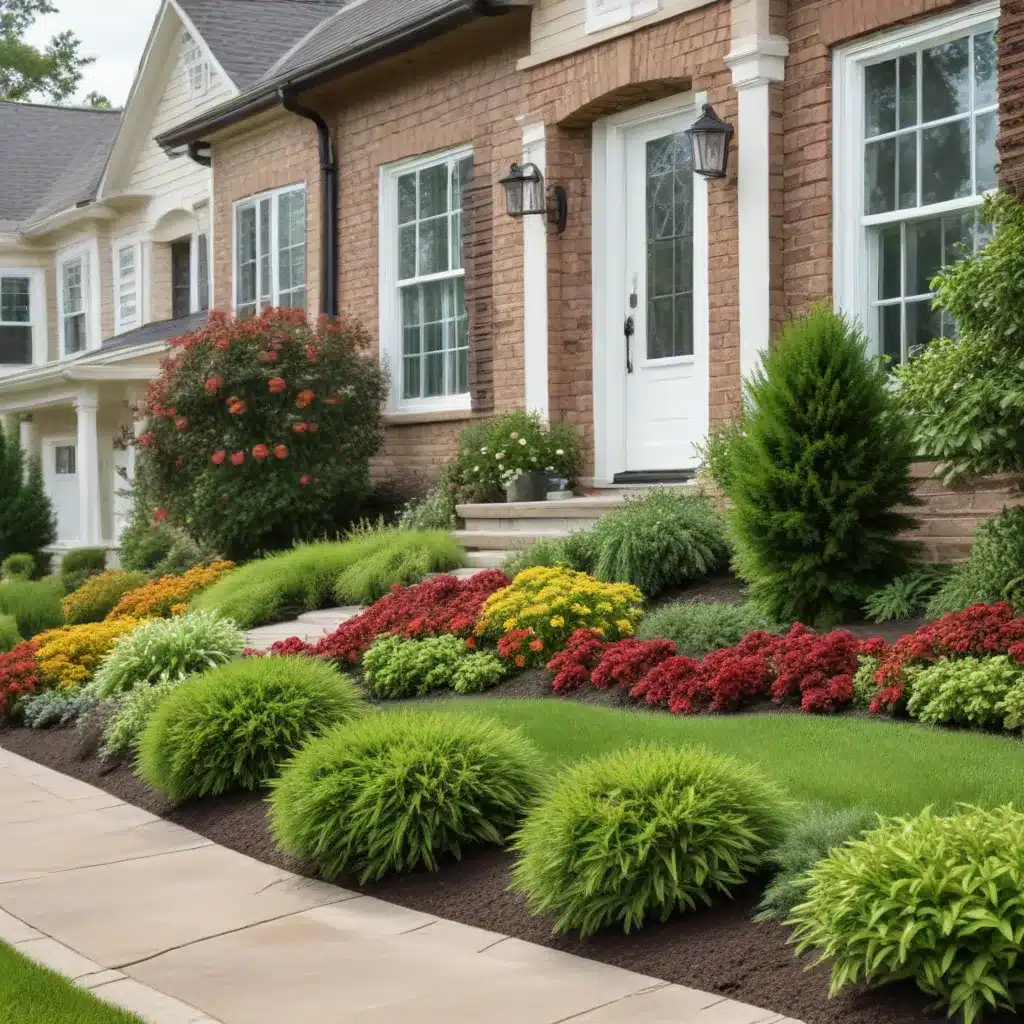
Enhancing Your Home’s Exterior: A Balanced Approach
As the saying goes, “first impressions are everything,” and this sentiment holds true when it comes to the curb appeal of your home. In the UK, where the housing market is ever-evolving, maintaining a visually appealing and well-maintained exterior can not only boost the value of your property but also contribute to the overall aesthetic of your neighbourhood.
In this comprehensive guide, we will delve into the intricacies of seasonal landscaping updates, explore the latest UK building regulations and practices, and discuss cost-effective strategies to revive your home’s curb appeal while ensuring compliance with the law.
Understanding UK Building Regulations: The Essentials
When embarking on any home improvement project, it is crucial to familiarise yourself with the relevant UK building regulations. These guidelines, set forth by the Ministry of Housing, Communities and Local Government, are designed to ensure the safety, energy efficiency, and overall quality of construction work.
In the context of landscaping and exterior renovations, the key regulations you should be aware of include:
-
Planning Permission: Depending on the scope of your project, you may need to obtain planning permission from your local authority. This is typically required for larger-scale changes, such as constructing new structures, significantly altering the appearance of your property, or making changes that may impact the surrounding environment.
-
Sustainable Drainage Systems (SuDS): The UK has a strong focus on managing surface water drainage, and new landscaping projects may be subject to SuDS requirements. These regulations aim to reduce the risk of flooding and improve water quality by implementing sustainable drainage solutions, such as permeable paving or rainwater harvesting.
-
Tree Preservation Orders (TPOs): If your property has any protected trees on the grounds, you may need to obtain the necessary permissions before undertaking any work that could impact them. This is particularly important when considering landscaping changes that may involve tree removal or significant pruning.
-
Building Regulations: While the specifics can vary depending on the nature of your project, general building regulations related to structural integrity, electrical safety, and accessibility may come into play, even for outdoor landscaping work.
By familiarising yourself with these regulations and consulting with local authorities or reputable building professionals, you can ensure your landscaping updates comply with UK standards and avoid any legal or financial complications down the line.
Budgeting and Cost Management Strategies
Reviving your home’s curb appeal can be a significant investment, but with careful planning and strategic cost management, you can achieve your desired results without breaking the bank. Consider the following approaches to keep your project within budget:
-
Prioritise and Phase Your Upgrades: Rather than tackling everything at once, break down your landscaping plans into smaller, more manageable phases. This allows you to spread out the financial burden and tackle the most pressing or visually impactful elements first.
-
Research and Compare Material Costs: When selecting landscaping materials, such as plants, hardscaping, or outdoor furnishings, take the time to research and compare prices from various suppliers and local retailers. Leveraging online resources and regional comparisons can help you find the most cost-effective options.
-
Explore DIY Opportunities: Certain aspects of landscaping, such as garden maintenance, planting, or minor hardscaping, can be tackled as DIY projects, allowing you to save on labour costs. However, be mindful of your skill level and any necessary safety precautions.
-
Take Advantage of Seasonal Discounts: Many landscaping suppliers and nurseries offer seasonal discounts or clearance sales, particularly at the end of the growing season. By timing your purchases strategically, you can capitalise on these cost-saving opportunities.
-
Consider Energy-Efficient Investments: While the initial outlay may be higher, incorporating energy-efficient landscaping elements, such as solar-powered lighting or drought-resistant plants, can result in long-term savings on energy bills and maintenance costs.
-
Utilize Local Resources: Connecting with community gardens, local nurseries, or municipal initiatives may provide access to affordable or even free resources, such as compost, mulch, or plant donations, to help stretch your landscaping budget.
By adopting a strategic and cost-conscious approach, you can revitalise your home’s exterior without compromising your financial wellbeing.
Sustainable Landscaping Practices for the UK Climate
In the face of growing environmental concerns and the need for more eco-friendly practices, sustainable landscaping has become a key consideration for homeowners in the UK. By embracing sustainable principles, you can not only enhance your home’s curb appeal but also contribute to the broader sustainability efforts within your local community.
-
Drought-Tolerant Plant Selection: As the UK experiences more frequent periods of drought, it’s crucial to select plants that are well-adapted to the local climate and require minimal water. Native species, as well as drought-resistant cultivars, can thrive with limited irrigation and help reduce your water consumption.
-
Permeable Hardscaping: Traditional hardscaping materials, such as concrete or asphalt, can contribute to increased surface water runoff and potential flooding. Opt for permeable alternatives, like porous paving or gravel, which allow water to infiltrate the ground, reducing the strain on local drainage systems.
-
Rainwater Harvesting: Capture and reuse rainwater for landscape irrigation by installing a rainwater harvesting system. This not only conserves fresh water but also helps manage surface water runoff, reducing the risk of flooding and erosion.
-
Organic Soil Amendments: Enrich your soil with compost, well-aged manure, or other organic matter to improve its water-holding capacity and nutrient content. This can reduce the need for chemical fertilizers, which can have a negative impact on the environment.
-
Integrated Pest Management: Adopt a holistic approach to pest control by prioritising natural, non-toxic methods, such as introducing beneficial insects or using organic pesticides. This helps maintain a balanced ecosystem in your garden and minimises the use of harmful chemicals.
-
Energy-Efficient Landscaping Lighting: Opt for LED or solar-powered outdoor lighting to reduce energy consumption and your carbon footprint. These options not only save on electricity costs but also contribute to more sustainable landscape illumination.
By incorporating these sustainable practices into your landscaping project, you can not only enhance your home’s curb appeal but also play a role in promoting environmental responsibility within your local community.
Seasonal Landscaping Updates: A Step-by-Step Guide
Maintaining a well-manicured and visually appealing exterior requires ongoing attention to seasonal changes and considerations. By understanding the cyclical nature of landscaping in the UK climate, you can develop a tailored approach to reviving your home’s curb appeal throughout the year.
Spring
As the weather warms and the days grow longer, spring is the perfect time to breathe new life into your outdoor spaces. Begin by:
- Removing any dead or damaged plant material and pruning shrubs and trees to encourage healthy growth.
- Replenishing garden beds with fresh, nutrient-rich soil and adding a layer of organic mulch to retain moisture and suppress weeds.
- Planting vibrant, colourful annuals and perennials that will thrive during the warmer months.
- Refreshing patio containers and hanging baskets with seasonal blooms.
- Addressing any necessary repairs to hardscaping, such as clearing debris or repairing cracks in pathways or driveways.
Summer
During the peak of the growing season, focus your efforts on maintaining the lush, verdant appearance of your landscape:
- Regularly mowing the lawn and edging borders to keep the overall look tidy.
- Watering plants, especially during periods of drought, to ensure their continued health and vigour.
- Deadheading spent flowers to encourage further blooming and a more polished aesthetic.
- Addressing any weed growth or pest infestations to prevent them from compromising the appearance of your landscaping.
- Evaluating the need for additional mulch or topdressing to retain soil moisture and suppress weeds.
Autumn
As the season transitions, prepare your landscape for the winter months ahead:
- Cutting back perennials and removing any dead foliage to tidy up the garden beds.
- Planting autumn-flowering plants, such as chrysanthemums or ornamental kale, to extend the vibrant colours of the season.
- Aerating the lawn and overseeding to maintain a lush, healthy appearance throughout the colder months.
- Cleaning and storing any outdoor furniture or decor to protect them from the elements.
- Ensuring proper drainage and addressing any issues that could lead to standing water or potential freezing.
Winter
Though the landscape may appear dormant, there are still plenty of opportunities to maintain and enhance your home’s curb appeal during the winter:
- Pruning trees and shrubs to remove any dead or damaged branches and promote healthy growth in the spring.
- Applying a protective layer of mulch around plants to insulate roots and retain moisture.
- Decorating the exterior with seasonal accents, such as evergreen wreaths, string lights, or potted evergreens, to add a festive touch.
- Clearing any snow or ice from walkways, driveways, and entry points to ensure safe access.
- Evaluating the condition of hardscaping and making any necessary repairs before the arrival of spring.
By adopting a seasonal approach to landscaping updates, you can ensure your home’s exterior maintains a polished and visually appealing look throughout the year, while also adhering to UK building regulations and sustainable best practices.
Showcasing Your Home’s Revitalised Curb Appeal
The transformation of your home’s exterior through strategic landscaping updates can have a profound impact, not only on the appearance of your property but also on the overall value and appeal of your neighbourhood. By embracing sustainable practices, maintaining compliance with UK building regulations, and adopting a cost-conscious approach, you can breathe new life into your home’s curb appeal and take pride in your accomplishments.
To showcase your revitalised exterior, consider sharing your journey and the stunning results with the wider community through the ABC Home’s blog or social media channels. Your story can inspire and educate others, encouraging them to embark on their own curb appeal enhancement projects and contribute to the collective beautification of your local area.
Remember, the journey of reviving your home’s exterior is an ongoing process, but with the right strategies, dedication, and an understanding of the regulatory landscape, you can create a welcoming and visually captivating environment that will be the envy of your neighbours and a source of pride for years to come.


