
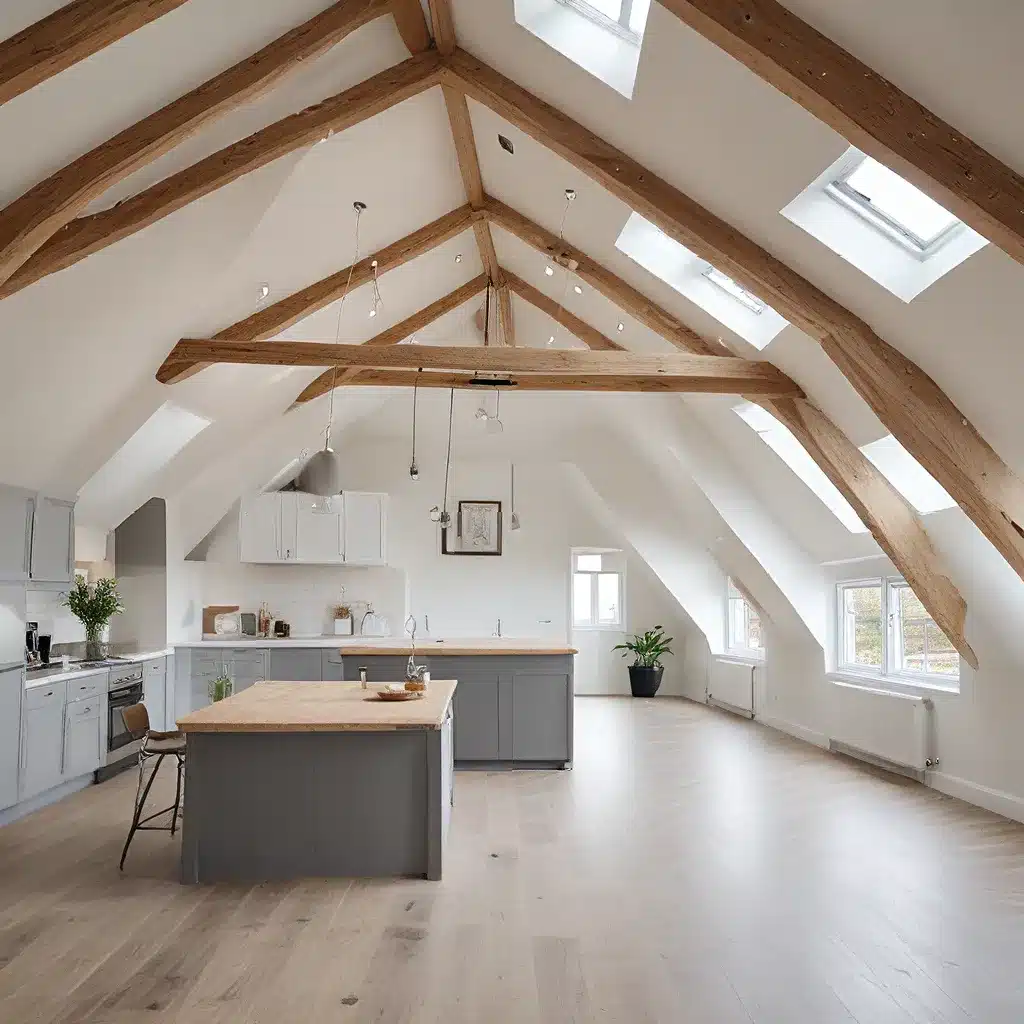
As a homeowner, I’ve always been fascinated by the idea of unlocking the untapped potential of my living space. And when it comes to maximizing every square inch, loft conversions have proven to be a game-changer. These ingenious renovations have the power to transform forgotten attics and dusty storage areas into breathtaking living quarters, complete with all the modern comforts and conveniences we crave.
But in recent years, the landscape of home improvement has been evolving rapidly. The energy crisis and shifting customer demands have forced us to rethink the way we approach residential living. So, the question remains: is the loft conversion still a viable and relevant option for homeowners like myself?
The Enduring Appeal of Loft Conversions
I’ll be the first to admit that when I first started considering a loft conversion, I had my doubts. After all, weren’t these types of projects relics of a bygone era, destined to be overshadowed by the latest trends in home design? Boy, was I wrong.
As the LinkedIn article points out, the conversion of old storage buildings into lofts has been a popular way of creating exceptional living and working spaces for many years. And this trend shows no signs of slowing down, even in the face of the energy crisis and evolving customer preferences.
In fact, I’ve been amazed by the innovative approaches that homeowners and contractors alike have been taking to ensure the ongoing appeal and viability of these converted spaces. From incorporating energy-efficient features to addressing changing lifestyle needs, the loft conversion has proven to be a remarkably adaptable and resilient home renovation solution.
Navigating the Energy Crisis
One of the primary concerns that has arisen in recent years is the impact of the energy crisis on the feasibility of loft conversions. With rising energy costs and limited resources, the idea of transforming an attic into a livable space might seem like a risky proposition.
However, as the article points out, advancements in sustainable technologies and building practices have helped to mitigate these concerns. Improved insulation, energy-efficient appliances, and the incorporation of renewable energy systems have all played a role in making loft conversions more environmentally friendly and cost-effective.
Sure, the energy crisis has presented some unique challenges, but it has also inspired a wave of innovation and creativity in the home improvement industry. Clever homeowners and contractors have been finding ingenious ways to make loft conversions not just feasible, but downright desirable in the face of rising energy prices.
Evolving Customer Preferences
Another factor that’s been shaping the future of loft conversions is the changing customer demand in the housing market. As lifestyles and preferences continue to evolve, the appeal of certain living spaces may shift as well.
As the article notes, if there’s a growing interest in communal living, co-working spaces, or environmentally conscious designs, loft conversions that align with these preferences may continue to be sought after by discerning homebuyers.
It’s a fascinating dance, really – the ebb and flow of consumer demand, balanced against the innovative spirit of home improvement experts. And from what I’ve seen, the loft conversion has proven to be a remarkably versatile option, capable of adapting to the ever-changing needs and desires of modern homeowners.
Heating and Cooling Loft Spaces
One of the key considerations when it comes to loft conversions is how to effectively heat and cool these unique living spaces. After all, the challenges of regulating temperature and maintaining comfort can be quite different from a traditional home layout.
As the article suggests, there are several modern technology options that can help address these concerns. Energy-efficient appliances, improved insulation, and the incorporation of renewable energy systems can all play a crucial role in creating a comfortable and sustainable loft environment.
And let’s not forget the importance of adaptability – the ability to tailor the heating and cooling solutions to the specific needs of the loft space and its occupants. After all, every home is unique, and a one-size-fits-all approach simply won’t cut it.
The Future of Loft Conversions
As I look to the future, I can’t help but feel a sense of excitement and anticipation about the ongoing evolution of loft conversions. Societal shifts, technological advancements, and changing consumer preferences will undoubtedly continue to shape the landscape of home improvement, but I believe the loft conversion will remain a viable and relevant option for homeowners like myself.
At ABC Home, we’ve been at the forefront of this transformation, helping homeowners to unlock the hidden potential of their living spaces through innovative loft conversion solutions. With a focus on energy efficiency, sustainability, and adaptability, we’re committed to ensuring that the loft conversion remains a cutting-edge and future-proof home renovation choice.
So, whether you’re a longtime loft enthusiast or a newcomer to the world of home improvement, I encourage you to explore the possibilities and discover how a loft conversion can revolutionize your living space. The future of residential living is bright, and the loft just might be the key to unlocking your dream home.


