
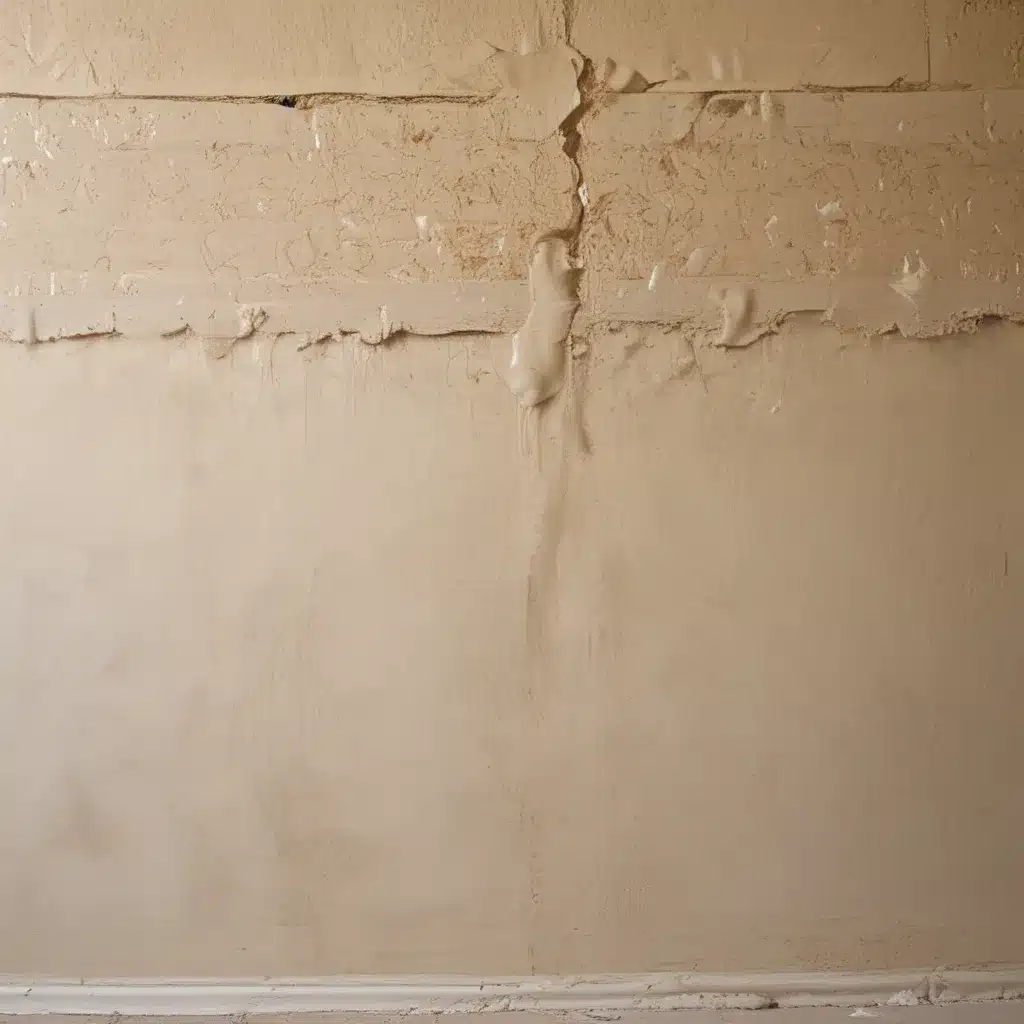
If you’re a homeowner in Aberdeen, UK, chances are you’ve dealt with the frustrating problem of rising damp at some point. This pesky issue can not only ruin the appearance of your walls, but it can also lead to a host of other problems, from mold growth to structural damage. But fear not, my fellow Aberdonians! In this comprehensive guide, I’m going to share with you everything you need to know about rising damp and how to protect your home from its damaging effects.
Understanding Rising Damp
Before we dive in, let’s take a moment to understand what rising damp is and how it affects your home. Rising damp is a type of moisture problem that occurs when groundwater, or water from the soil, seeps up through the walls of a building. This happens because the materials used in the construction of your home, such as bricks, mortar, and concrete, are porous and act like a wick, drawing the moisture up from the ground.
As the moisture rises, it can cause all sorts of problems. The walls may develop a tell-tale white, chalky appearance, known as efflorescence, as the salts in the water are left behind. The moisture can also lead to the growth of mold and mildew, which not only looks unsightly but can also be a health hazard. And if left unchecked, the damp can even start to compromise the structural integrity of your home, leading to costly repairs down the line.
Identifying the Signs of Rising Damp
So how do you know if you have a rising damp problem in your home? Here are some of the most common signs to look out for:
-
Damp Patches on Walls: One of the most obvious signs of rising damp is the appearance of damp patches on your walls, often starting at the bottom and gradually moving up.
-
Peeling Paint or Wallpaper: As the moisture rises, it can cause the paint or wallpaper on your walls to start peeling or bubbling.
-
Musty Odors: Rising damp can also lead to the development of musty, damp odors in your home, especially in rooms that are prone to the issue.
-
Crumbling Plaster or Brickwork: In severe cases, the moisture can cause the plaster or brickwork on your walls to start crumbling and deteriorating.
If you notice any of these signs in your home, it’s important to address the problem as soon as possible to prevent further damage.
Preventing and Treating Rising Damp
Now that you know what to look for, let’s talk about how to prevent and treat rising damp in your home. Here are some effective strategies:
1. Install a Damp-Proof Course
One of the most effective ways to prevent rising damp is to install a damp-proof course (DPC) in your home. A DPC is a horizontal barrier that’s inserted into the walls of a building, typically at around 150mm above ground level. This barrier prevents the moisture from wicking up through the walls, effectively stopping the rising damp in its tracks.
If your home doesn’t have a DPC, or if the existing one is no longer effective, you may need to have a new one installed. This is a job best left to the professionals, as it can be a complex and intrusive process.
2. Improve Drainage and Ventilation
Another important step in preventing and treating rising damp is to improve the drainage and ventilation around your home. Make sure that the ground around your property slopes away from the building, and that any gutters and downpipes are in good working order. This will help to ensure that water is directed away from the walls and foundation of your home.
You should also ensure that your home is well-ventilated, as poor ventilation can contribute to the growth of mold and mildew. Consider installing extractor fans in bathrooms and kitchens, and make sure that any existing vents or airbricks are not blocked.
3. Repair Any Cracks or Damage
If you have any cracks or damage in your walls or foundation, it’s important to repair them as soon as possible. These openings can provide a pathway for moisture to enter your home, exacerbating the rising damp problem.
Depending on the extent of the damage, you may need to hire a professional contractor to carry out the repairs. They can use a variety of techniques, such as epoxy injections or specialized mortars, to seal the cracks and prevent further moisture intrusion.
4. Consider a Waterproof Coating
In some cases, a waterproof coating or sealant may be the best solution for treating rising damp. These products are designed to create a barrier on the surface of your walls, preventing the moisture from penetrating the underlying materials.
When applying a waterproof coating, it’s important to follow the manufacturer’s instructions carefully and ensure that the surface is properly prepared. In some cases, you may need to remove any existing plaster or wallpaper before applying the coating.
5. Seek Professional Assistance
If the rising damp in your home is particularly severe or persistent, it may be best to seek the assistance of a professional damp-proofing specialist. These experts can assess the extent of the problem, recommend the most appropriate treatment, and oversee the entire process from start to finish.
A professional damp-proofing specialist may use a variety of techniques, including the installation of a new DPC, the use of chemical damp-proofing treatments, or the application of a waterproof coating. They can also help to identify and address any underlying issues, such as poor drainage or structural damage, that may be contributing to the problem.
Protecting Your Home from the Dangers of Rising Damp
Rising damp is a common problem for homeowners in Aberdeen, but it’s one that can be effectively prevented and treated with the right strategies. By understanding the signs of rising damp, taking steps to improve drainage and ventilation, and seeking professional assistance when necessary, you can protect your home from the damaging effects of this pesky issue.
Remember, the key to success is to act quickly. The longer you wait to address the problem, the more damage it can cause to your home. So don’t wait until it’s too late – take action today and keep your home safe from the ravages of rising damp.
And if you’re looking for a reliable building and renovation company to help you with your damp-proofing needs, be sure to check out ABC Home in Aberdeen. Their experienced team of experts can help you identify the problem, develop a customized solution, and ensure that your home is protected for years to come.


