
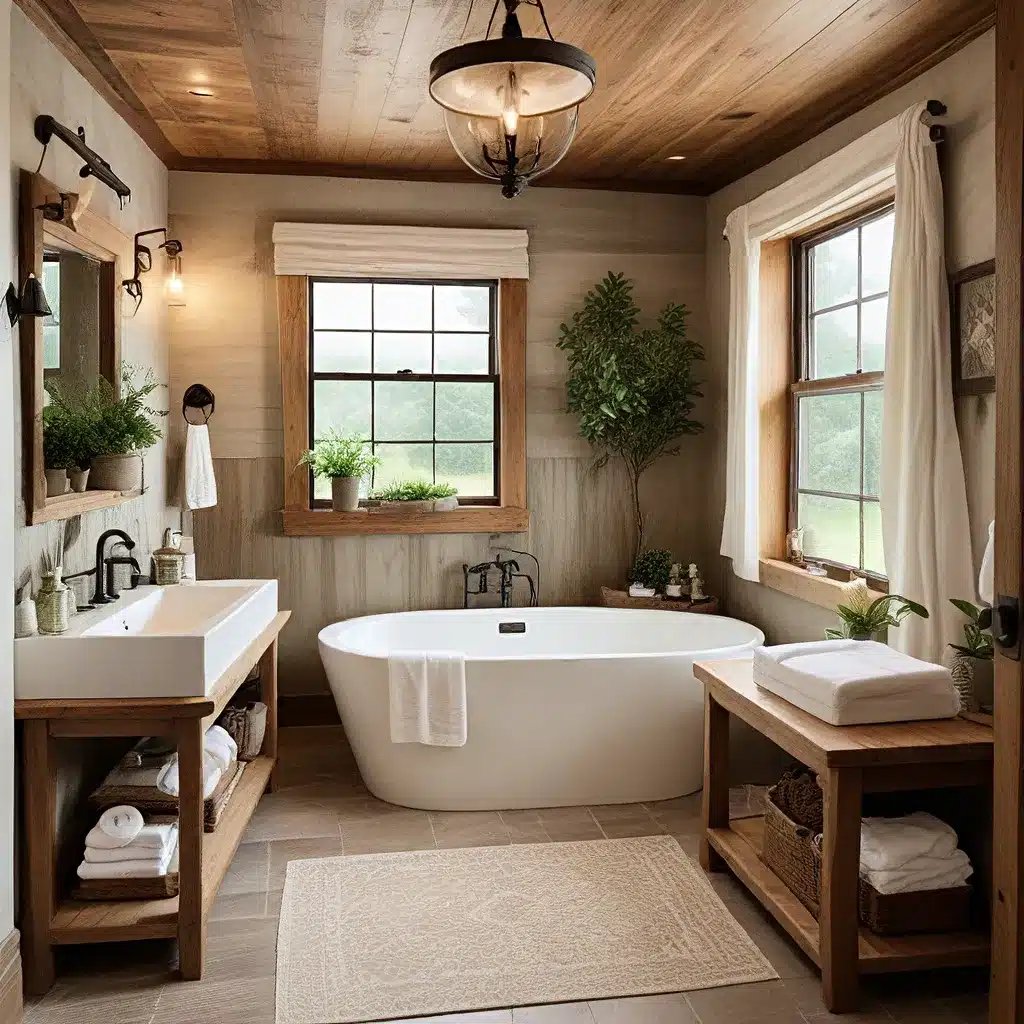
The Rise of Farmhouse-Style Bathrooms in the UK
In recent years, the United Kingdom has witnessed a surge in popularity for farmhouse-style bathrooms, blending rustic charm with modern amenities. This trend reflects a growing desire among homeowners to create tranquil, spa-like retreats within their own homes. The appeal lies in the combination of cosy aesthetics and practical functionality, offering a perfect balance for those seeking a peaceful escape from the hustle and bustle of daily life.
Farmhouse-inspired bathrooms draw inspiration from rural architecture and design principles, incorporating natural materials, vintage elements, and a warm colour palette. These spaces often feature a mix of textures and finishes, creating a layered, lived-in look that feels both inviting and timeless. The result is a bathroom that not only serves its practical purpose but also becomes a sanctuary for relaxation and rejuvenation.
As this trend continues to gain traction across the UK, homeowners and designers alike are finding innovative ways to adapt farmhouse aesthetics to suit various property types, from urban flats to countryside cottages. This versatility has contributed significantly to the style’s widespread appeal, making it a popular choice for both new builds and renovation projects.
Key Elements of Farmhouse-Style Bathrooms
Natural Materials and Textures
At the heart of farmhouse-style bathrooms is the use of natural materials and textures. Wood plays a prominent role, often appearing in vanities, shelving, and even wall treatments. Reclaimed or distressed wood adds character and warmth, while also supporting sustainability efforts. Stone and brick are also common, particularly for flooring or accent walls, bringing a rustic touch to the space.
Textiles play a crucial role in softening the look and adding comfort. Linen towels, woven baskets, and cotton bath mats introduce texture and warmth. These elements not only enhance the visual appeal but also contribute to the cosy atmosphere that defines farmhouse style.
Natural materials require proper care and maintenance to ensure longevity, especially in the humid environment of a bathroom. Homeowners should consider applying appropriate sealants and finishes to protect wood and stone surfaces from moisture damage.
Colour Palette and Lighting
The colour palette of farmhouse-style bathrooms typically revolves around neutral tones, with white, cream, and soft greys forming the base. These light hues help create a sense of spaciousness and cleanliness, while also serving as a backdrop for more rustic elements. Accents of muted blues, greens, or earthy browns can be incorporated through accessories or textiles to add depth and interest.
Lighting plays a crucial role in setting the mood and enhancing the overall aesthetic. A combination of natural and artificial light sources is ideal. Large windows or skylights allow ample daylight to flood the space, while vintage-inspired light fixtures provide warmth and character. Consider installing dimmer switches to create a relaxing ambiance for evening baths.
When selecting light fixtures, opt for styles that complement the farmhouse theme, such as wrought iron sconces, lantern-style pendants, or chandeliers with a distressed finish. These fixtures not only provide illumination but also serve as decorative elements that reinforce the rustic charm.
Vintage and Repurposed Elements
Incorporating vintage and repurposed elements is a hallmark of farmhouse-style bathrooms. These pieces add character, history, and a sense of uniqueness to the space. Consider integrating antique mirrors, vintage storage solutions, or repurposed furniture pieces as vanities.
One popular trend is the use of vintage claw-foot bathtubs as a centrepiece. These classic fixtures not only provide a luxurious bathing experience but also serve as a focal point in the room. When sourcing vintage items, ensure they are properly restored and suitable for use in a bathroom environment.
Repurposing everyday items for bathroom storage and decor is another way to embrace the farmhouse aesthetic. Mason jars can be used as toothbrush holders or vases, while wooden ladders can be transformed into towel racks. These creative solutions add charm while also being functional and budget-friendly.
Designing Your Farmhouse-Style Bathroom
Layout and Space Planning
When designing a farmhouse-style bathroom, careful consideration of layout and space planning is essential. The goal is to create a functional space that feels open and inviting, regardless of the room’s size. Start by assessing the available space and determining the key elements you want to include, such as a freestanding bathtub, a walk-in shower, or a double vanity.
In smaller bathrooms, focus on maximising the use of vertical space with open shelving or wall-mounted storage solutions. Consider a corner sink or a pedestal basin to free up floor space. For larger bathrooms, create distinct zones for different functions, such as a separate bathing area and a dressing space.
When planning the layout, keep in mind the flow of movement within the room. Ensure there is ample clearance around fixtures and consider the swing of doors and drawers. If possible, position the toilet out of direct sightline from the entrance for added privacy.
Here’s a comparison of layout options for different bathroom sizes:
| Bathroom Size | Layout Suggestions | Key Considerations |
|---|---|---|
| Small (3-4 m²) | Wall-mounted sink, corner shower, storage ladder | Maximise vertical space, use light colours |
| Medium (5-6 m²) | Vanity with storage, combination bath/shower, open shelving | Balance between storage and open space |
| Large (7+ m²) | Freestanding tub, separate shower, double vanity | Create distinct zones, consider seating area |
Selecting Fixtures and Fittings
Choosing the right fixtures and fittings is crucial in achieving an authentic farmhouse look while ensuring functionality. Opt for pieces that combine vintage aesthetics with modern performance. Here are some key elements to consider:
-
Sink and Vanity: A farmhouse or apron-front sink paired with a rustic wooden vanity is a classic choice. For a more modern twist, consider a vessel sink atop a repurposed dresser or console table.
-
Bathtub: A freestanding clawfoot tub is iconic in farmhouse-style bathrooms. If space is limited, consider a slipper tub or a built-in tub with a beadboard surround.
-
Shower: For a walk-in shower, use subway tiles or stone for a timeless look. A rainfall showerhead adds a touch of luxury.
-
Toilet: Choose a high-tank toilet or a model with a vintage-inspired design for authenticity.
-
Taps and Hardware: Opt for brushed brass, oil-rubbed bronze, or matte black finishes. Bridge-style taps and cross handles are popular choices.
When selecting fixtures, consider water efficiency to comply with UK building regulations and reduce utility costs. Look for products with the Water Label, which indicates their water consumption and efficiency rating.
Storage Solutions and Accessories
Effective storage is essential in maintaining a clutter-free and functional farmhouse-style bathroom. Incorporate a mix of open and closed storage options to display decorative items while keeping necessities neatly tucked away. Here are some storage ideas:
-
Open Shelving: Install floating wooden shelves or repurpose a ladder for towel storage and display.
-
Built-in Cabinetry: Create a custom look with built-in cabinets featuring beadboard or shaker-style doors.
-
Freestanding Furniture: Introduce a vintage armoire or chest of drawers for additional storage and character.
-
Baskets and Crates: Use woven baskets or wooden crates to store toiletries, towels, and other bathroom essentials.
Accessories play a crucial role in completing the farmhouse look. Consider incorporating the following elements:
- Vintage mirrors with distressed frames
- Mason jars for storing cotton balls and Q-tips
- Antique scales or trays for displaying soaps and lotions
- Galvanised metal accents, such as buckets or watering cans as planters
- Rustic signs or artwork featuring countryside themes
Remember to strike a balance between decorative elements and functionality to maintain a serene and uncluttered atmosphere in your farmhouse-style bathroom.
Materials and Finishes for Farmhouse Bathrooms
Flooring Options
Selecting the right flooring is crucial for achieving an authentic farmhouse look while ensuring practicality and durability in a bathroom environment. Here are some popular options:
-
Wooden Flooring: While traditional wooden floors can add warmth and character, they require proper sealing and maintenance to withstand moisture. Engineered wood or wood-look porcelain tiles offer a more practical alternative, providing the aesthetic of wood with improved water resistance.
-
Stone Tiles: Natural stone tiles, such as slate or limestone, offer a rustic charm and durability. However, they can be expensive and require regular sealing. Porcelain tiles that mimic the look of natural stone provide a cost-effective and low-maintenance option.
-
Patterned Tiles: Encaustic or patterned cement tiles can add visual interest and a vintage feel. These are particularly effective in creating a feature floor or defining specific areas within larger bathrooms.
-
Vinyl Flooring: Modern luxury vinyl tiles (LVT) offer a wide range of designs that mimic wood or stone, providing a cost-effective and water-resistant option suitable for DIY installation.
When selecting flooring, consider factors such as slip resistance, ease of cleaning, and compatibility with underfloor heating systems. Ensure compliance with UK building regulations regarding bathroom flooring, particularly in terms of water resistance and safety.
Wall Treatments
Wall treatments play a significant role in establishing the farmhouse aesthetic. Here are some options to consider:
-
Shiplap or Tongue-and-Groove Panelling: These horizontal or vertical wooden planks add texture and rustic charm. Painted white, they create a bright, airy feel, while natural wood tones add warmth.
-
Tiled Walls: Subway tiles are a classic choice for farmhouse bathrooms. Consider using them in a herringbone pattern or with contrasting grout for added interest. For a more rustic look, opt for handmade or zellige tiles with slight imperfections.
-
Beadboard: This classic wainscoting option adds character and can protect walls from moisture. Install it halfway up the wall or floor-to-ceiling for different effects.
-
Textured Plaster: Lime wash or textured plaster finishes can create a worn, aged look that complements the farmhouse style.
-
Wallpaper: For a bold statement, consider using wallpaper with pastoral scenes or subtle patterns. Ensure you choose a moisture-resistant variety suitable for bathroom use.
When applying wall treatments, pay attention to proper waterproofing, especially in wet areas like showers and around bathtubs. Use appropriate sealants and moisture-resistant materials to prevent water damage and mould growth.
Cabinetry and Hardware
Cabinetry and hardware choices can significantly impact the overall look of your farmhouse-style bathroom. Here are some considerations:
-
Vanity Styles: Opt for freestanding vanities with a furniture-like appearance. Repurposed dressers or console tables can add unique character. For a more traditional look, choose Shaker-style cabinets with simple, clean lines.
-
Finishes: Painted finishes in soft whites, greys, or muted colours work well in farmhouse bathrooms. Distressed or weathered wood finishes can add rustic charm. Consider mixing painted and natural wood elements for added interest.
-
Open Storage: Incorporate open shelving or glass-front cabinets to display towels, baskets, and decorative items. This adds visual interest and maintains an open, airy feel.
-
Hardware: Choose hardware that complements the rustic aesthetic. Oil-rubbed bronze, antique brass, or matte black finishes work well. Consider cup pulls, bin pulls, or simple knobs for drawers and cabinets.
-
Mirror Frames: Select mirrors with wooden or metal frames that match the overall style. Vintage or antique mirrors can serve as statement pieces.
When designing cabinetry, consider incorporating features like pull-out organisers, hidden electrical outlets, or built-in laundry hampers to enhance functionality without compromising style.
Here’s a comparison of different cabinetry options:
| Cabinetry Type | Pros | Cons | Approximate Cost (GBP) |
|---|---|---|---|
| Custom Built-in | Maximises space, tailored to needs | Higher cost, longer lead time | £3,000 – £10,000+ |
| Freestanding Vanity | Flexible, adds character | Limited storage, may require plumbing adjustments | £500 – £2,500 |
| Repurposed Furniture | Unique, eco-friendly | May require modifications, limited size options | £200 – £1,000 |
| Semi-Custom Units | Balance of customisation and cost | Less unique, limited finish options | £1,500 – £5,000 |
When selecting materials and finishes, prioritise durability and water resistance to ensure longevity in the bathroom environment. Always consult with a professional to ensure your choices comply with UK building regulations and are suitable for your specific bathroom layout.
Lighting and Plumbing Considerations
Natural and Artificial Lighting
Effective lighting is crucial in creating a warm and inviting farmhouse-style bathroom. A well-planned lighting scheme should combine natural and artificial light sources to enhance the space’s functionality and ambiance. Here are key considerations:
-
Natural Light: Maximise natural light wherever possible. Large windows or skylights not only brighten the space but also create a connection with the outdoors, enhancing the rustic feel. If privacy is a concern, consider frosted glass or window treatments that allow light while maintaining seclusion.
-
Layered Lighting: Implement a layered lighting approach, combining ambient, task, and accent lighting:
- Ambient lighting: Use ceiling-mounted fixtures or recessed lights for overall illumination.
- Task lighting: Install sconces or vanity lights around mirrors for grooming activities.
-
Accent lighting: Highlight architectural features or decor with spotlights or LED strips.
-
Fixture Styles: Choose light fixtures that complement the farmhouse aesthetic:
- Pendant lights with metal shades or mason jar-inspired designs
- Wall sconces with exposed bulbs or lantern-style fixtures
-
Chandeliers with distressed finishes or candle-style bulbs for larger bathrooms
-
Dimmer Switches: Install dimmer switches to adjust light levels for different times of day or activities, creating a spa-like atmosphere when desired.
-
Energy Efficiency: Opt for LED bulbs to reduce energy consumption and comply with UK energy efficiency standards. Look for warm white bulbs (2700K-3000K) to maintain a cosy ambiance.
When planning your lighting scheme, ensure compliance with UK electrical regulations, particularly regarding IP ratings for bathroom zones. Always consult a qualified electrician for installation and advice on suitable fixtures for wet areas.
Plumbing and Water Efficiency
Efficient plumbing and water conservation are essential considerations in any bathroom design, aligning with both sustainability goals and UK building regulations. Here are key points to address:
- Water-Efficient Fixtures: Choose fixtures with high water efficiency ratings:
- Dual-flush toilets: Look for models using 4/2.6 litres per flush or less.
- Low-flow showerheads: Opt for models with a flow rate of 8 litres per minute or less.
-
Taps with aerators: These can reduce water flow without compromising performance.
-
Thermostatic Mixers: Install thermostatic shower mixers to maintain consistent water temperature, improving comfort and safety while reducing water waste.
-
Exposed Plumbing: Consider exposed pipework for taps and showers as a design feature, aligning with the farmhouse aesthetic. Ensure proper insulation to prevent heat loss and condensation.
-
Greywater Systems: For larger renovation projects, consider implementing a greywater recycling system to reuse water from sinks and showers for toilet flushing.
-
Leak Detection: Install modern leak detection systems to identify and address water waste promptly.
-
Hot Water Systems: Evaluate your hot water system’s efficiency. Consider upgrading to a more energy-efficient model or adding insulation to reduce heat loss.
Here’s a comparison of water-efficient fixtures:
| Fixture Type | Standard Usage | Water-Efficient Usage | Potential Annual Savings (Litres) |
|---|---|---|---|
| Toilet | 6L per flush | 4/2.6L dual flush | 20,000 – 35,000 |
| Showerhead | 12L per minute | 8L per minute | 15,000 – 25,000 |
| Tap | 10L per minute | 6L per minute | 10,000 – 15,000 |
When implementing plumbing changes, ensure all work complies with UK Water Regulations and Building Regulations. Professional installation by a certified plumber is crucial to ensure safety and efficiency.
Ventilation and Heating
Proper ventilation and heating are essential for maintaining a comfortable and healthy bathroom environment, particularly in the UK’s climate. Here are key considerations:
-
Extractor Fans: Install an efficient extractor fan to remove excess moisture and prevent mould growth. Choose a model with a humidity sensor for automatic operation. Ensure the fan meets the minimum extraction rate of 15 litres per second as per UK building regulations.
-
Natural Ventilation: If possible, incorporate openable windows to allow natural airflow. This can complement mechanical ventilation and provide fresh air circulation.
-
Underfloor Heating: Consider installing electric or water-based underfloor heating for even warmth distribution. This system works well with stone or tile flooring common in farmhouse-style bathrooms.
-
Heated Towel Rails: Dual-purpose heated towel rails provide warmth and a convenient way to dry towels. Choose models that complement the farmhouse aesthetic, such as traditional column radiators or ladder-style rails in antique brass or oil-rubbed bronze finishes.
-
Smart Controls: Implement smart thermostats and controls to optimise heating efficiency and allow for pre-programmed warming of the bathroom.
-
Insulation: Ensure proper insulation of walls, floors, and ceilings to maintain warmth and reduce energy consumption. Pay particular attention to insulating any exposed pipework.
When planning ventilation and heating systems, consider the bathroom’s size, layout, and usage patterns. Ensure all installations comply with UK Building Regulations, particularly Part F (Ventilation) and Part L (Conservation of Fuel and Power).
By carefully considering lighting, plumbing, ventilation, and heating, you can create a farmhouse-style bathroom that is not only aesthetically pleasing but also functional, efficient, and compliant with UK regulations. These elements work together to enhance comfort, reduce energy consumption, and maintain a healthy living environment.
Sustainability and Eco-Friendly Practices
Sustainable Material Choices
Incorporating sustainable materials into your farmhouse-style bathroom design not only aligns with environmental consciousness but also adds authenticity to the rustic aesthetic. Here are some eco-friendly material options to consider:
-
Reclaimed Wood: Use reclaimed wood for vanities, shelving, or decorative elements. This not only reduces demand for new timber but also adds character and history to your space.
-
Recycled Glass Tiles: Opt for tiles made from recycled glass for backsplashes or shower enclosures. These come in various colours and finishes, offering both style and sustainability.
-
Natural Stone: Choose locally sourced natural stone for flooring or countertops to reduce transportation emissions. Ensure the stone is responsibly quarried and certified sustainable.
-
Bamboo: Consider bamboo for flooring or cabinetry. It’s a fast-growing, renewable resource with excellent durability.
-
Low-VOC Paints and Finishes: Use paints, sealants, and finishes with low volatile organic compounds (VOCs) to improve indoor air quality.
-
Cork: Cork flooring is a renewable, biodegradable option that provides natural insulation and water resistance.
-
Recycled Metal: Look for fixtures and hardware made from recycled metals, which reduce the demand for newly mined resources.
When selecting materials, consider their entire lifecycle, including production, transportation, use, and disposal. Look for certifications such as FSC (Forest Stewardship Council) for wood products or Cradle to Cradle for overall sustainability.
Energy-Efficient Appliances and Fixtures
Incorporating energy-efficient appliances and fixtures is crucial for reducing your bathroom’s environmental impact and lowering utility costs. Here are key areas to focus on:
-
LED Lighting: Replace all light bulbs with LED alternatives. They use up to 75% less energy than incandescent bulbs and last much longer.
-
Water-Saving Fixtures: Install low-flow showerheads, aerated taps, and dual-flush toilets to significantly reduce water consumption without compromising performance.
-
Energy-Efficient Ventilation: Choose extractor fans with high energy efficiency ratings. Look for models with humidity sensors to ensure they only run when needed.
-
Smart Controls: Implement smart thermostats and timers for heating and lighting to optimise energy use based on your daily routines.
-
Insulation: Properly insulate hot water pipes and tanks to reduce heat loss and improve overall energy efficiency.
-
Heat Recovery Systems: Consider installing a heat recovery ventilation system to reclaim heat from extracted air and pre-warm incoming fresh air.
When selecting appliances and fixtures, refer to the EU Energy Label or the UK’s Energy Saving Trust for guidance on energy efficiency ratings.
Water Conservation Techniques
Water conservation is a critical aspect of sustainable bathroom design. Implement these techniques to reduce water usage:
-
Greywater Recycling: Install a greywater recycling system to reuse water from sinks and showers for toilet flushing or garden irrigation.
-
Rainwater Harvesting: Consider implementing a rainwater harvesting system for non-potable uses in the bathroom, such as toilet flushing.
-
Leak Detection: Install smart water meters or leak detection systems to quickly identify and address any water waste.
-
Flow Regulators: Add flow regulators to taps and showerheads to maintain consistent water pressure while reducing overall water use.
-
Dual-Flush Toilets: Opt for dual-flush toilets with different flush volumes for liquid and solid waste, typically using 4 litres for a half flush and 6 litres for a full flush.
-
Shower Timers: Encourage shorter showers by installing shower timers or using smart devices that provide real-time feedback on water usage.
Here’s a comparison of water-saving techniques and their potential impact:
| Technique | Potential Water Savings (Litres/Year) | Approximate Cost (GBP) | Payback Period |
|---|---|---|---|
| Low-flow showerhead | 20,000 – 30,000 | £20 – £50 | 3-6 months |
| Dual-flush toilet | 15,000 – 25,000 | £150 – £300 | 1-2 years |
| Tap aerators | 5,000 – 10,000 | £5 – £20 | 1-3 months |
| Greywater recycling system | 50,000 – 100,000 | £2,000 – £4,000 | 5-10 years |
When implementing water conservation measures, ensure compliance with UK Water Regulations and consult with a qualified plumber for proper installation.
By focusing on sustainable material choices, energy-efficient appliances, and water conservation techniques, you can create a farmhouse-style bathroom that not only looks beautiful but also minimises its environmental impact. These practices align with current UK building regulations and sustainability goals, contributing to a more eco-friendly home overall.
Maintenance and Cleaning
Caring for Natural Materials
Proper maintenance of natural materials is essential to preserve the beauty and longevity of your farmhouse-style bathroom. Here are some tips for caring for common materials:
- Wood:
- Clean with a damp cloth and mild soap, avoiding excess water.
- Apply a food-grade mineral oil or beeswax periodically to maintain the finish.
-
Address any water damage promptly to prevent warping or rot.
-
Natural Stone:
- Clean with pH-neutral cleaners specifically designed for stone.
- Seal granite, marble, or limestone annually to protect against stains and etching.
-
Avoid acidic cleaners that can damage the stone surface.
-
Copper and Brass Fixtures:
- Clean with warm water and mild soap, avoiding abrasive cleaners.
- For tarnished areas, use a mixture of lemon juice and baking soda.
-
Apply a thin layer of mineral oil to maintain the finish and prevent oxidation.
-
Cast Iron Tubs:
- Clean with mild, non-abrasive cleaners to protect the enamel coating.
- Address any chips or cracks in the enamel promptly to prevent rust.
-
Consider professional refinishing if the surface becomes significantly worn.
-
Terracotta or Encaustic Tiles:
- Sweep or vacuum regularly to remove dirt and debris.
- Clean with a pH-neutral cleaner and avoid excess water.
- Apply a penetrating sealer annually to protect against stains and moisture.
Establish a regular cleaning and maintenance schedule to keep all materials in top condition. Address any issues promptly to prevent more significant problems from developing.
Eco-Friendly Cleaning Products
Using eco-friendly cleaning products not only protects the environment but also helps maintain the integrity of natural materials in your farmhouse-style bathroom. Here are some recommendations:
-
All-Purpose Cleaner: Mix equal parts white vinegar and water in a spray bottle. This solution is effective for most surfaces and helps remove soap scum.
-
Baking Soda Paste: Create a paste with baking soda and water for scrubbing tough stains on tiles or porcelain without scratching.
-
Lemon Juice: Use lemon juice to remove hard water stains and add shine to metal fixtures.
-
Microfibre Cloths: Utilise microfibre cloths for cleaning and polishing to reduce the need for chemical cleaners.
-
Essential Oils: Add a few drops of tea tree or eucalyptus oil to cleaning solutions for natural disinfecting properties.
-
Castile Soap: Use diluted castile soap for general cleaning, especially on natural stone surfaces.
When purchasing commercial cleaning products, look for those with eco-certifications such as EU Ecolabel or Cradle to Cradle. Avoid products containing harsh chemicals like chlorine bleach, ammonia, or phosphates.
Preventative Measures
Implementing preventative measures can significantly reduce maintenance needs and extend the life of your bathroom fixtures and finishes:
-
Ventilation: Ensure proper ventilation to reduce moisture and prevent mould growth. Run the extractor fan during and after showers, and open windows when possible.
-
Water Softeners: If you live in a hard water area, consider installing a water softener to reduce limescale buildup on fixtures and surfaces.
-
Squeegee Use: Encourage family members to use a squeegee on shower glass and tiles after each use to prevent water spots and soap scum buildup.
-
Mats and Rugs: Place absorbent mats or rugs in high-traffic areas to catch water and reduce slip hazards.
-
Drain Covers: Use drain covers to prevent hair and debris from clogging pipes, reducing the need for harsh chemical drain cleaners.
-
Regular Inspections: Conduct monthly inspections of caulk, grout, and seals around fixtures. Address any deterioration promptly to prevent water damage.
-
Towel Hooks: Install sufficient towel hooks or bars to ensure proper drying of towels, reducing moisture in the bathroom.
Here’s a maintenance schedule to help keep your farmhouse-style bathroom in top condition:
| Task | Frequency | Notes |
|---|---|---|
| General cleaning | Weekly | Use eco-friendly products |
| Deep cleaning | Monthly | Focus on grout, corners, and hard-to-reach areas |
| Seal natural stone | Annually | Use a penetrating sealer appropriate for the stone type |
| Check and replace caulk | Every 6-12 months | Focus on areas around tubs, sinks, and showers |
| Clean extractor fan | Every 3-6 months | Remove cover and clean thoroughly to maintain efficiency |
| Inspect plumbing | Quarterly | Check for leaks or signs of water damage |
By following these maintenance tips, using eco-friendly products, and implementing preventative measures, you can ensure your farmhouse-style bathroom remains beautiful and functional for years to come. Regular care not only preserves the aesthetic but also helps avoid costly repairs and replacements in the future.
Cost Considerations and Budgeting
Estimating Project Costs
When planning a farmhouse-style bathroom renovation, accurate cost estimation is crucial for effective budgeting. Here’s a breakdown of potential costs for various aspects of the project:
- Labour Costs:
- Plumbing: £50-£80 per hour
- Electrical work: £40-£60 per hour
- Tiling: £20-£40 per square metre
-
Carpentry: £150-£250 per day
-
Materials:
- Tiles: £20-£100 per square metre
- Paint: £25-£50 per 5-litre tin
- Vanity unit: £200-£1,000+
- Toilet: £100-£500
- Shower enclosure: £200-£2,000
-
Bathtub: £300-£3,000+
-
Fixtures and Fittings:
- Taps: £50-£300 per set
- Shower system: £100-£1,000
-
Lighting fixtures: £50-£300 per fixture
-
Additional Costs:
- Waste removal: £150-£250
- Building permits (if required): £200-£1,000
- Contingency fund: 10-20% of total budget
To estimate your project cost, measure your bathroom space and calculate material quantities. Obtain quotes from multiple contractors for labour costs. Remember to factor in delivery fees, any structural changes, and potential upgrades to plumbing or electrical systems.
Budgeting Strategies
Effective budgeting is key to a successful bathroom renovation. Consider these strategies to manage costs:
-
Prioritise Essential Elements: Identify must-have features and allocate budget accordingly. For example, invest in quality plumbing fixtures while choosing more affordable tile options.
-
Phase the Project: If budget is tight, consider completing the renovation in phases. Start with essential updates and add decorative elements later.
-
DIY Where Possible: Take on some tasks yourself, such as painting or simple installations, to reduce labour costs. However, leave complex plumbing and electrical work to professionals.
-
Reuse and Upcycle: Incorporate existing elements or repurpose furniture to create vanities or storage solutions, aligning with the farmhouse aesthetic while saving money.
-
Shop Smart: Look for sales, compare prices across suppliers, and consider ex-display or slightly imperfect items for significant savings.
-
Balance High and Low: Invest in key pieces like a quality bathtub or vanity, while saving on less prominent elements like hardware or mirrors.
-
Explore Financing Options: Consider personal loans, home equity lines of credit, or specialised home improvement financing if needed.
Cost-Saving Tips
Implement these tips to reduce overall costs without compromising on quality or style:
-
Retain Existing Layout: Keeping plumbing and electrical points in their current locations can significantly reduce costs.
-
Choose Alternative Materials: Opt for porcelain tiles that mimic natural stone or wood-look vinyl flooring instead of more expensive authentic materials.
-
Refinish Rather than Replace: Consider refinishing existing tubs or tiles if they’re in good condition rather than replacing them entirely.
-
Buy End-of-Line or Clearance Items: Look for discontinued styles or colours for significant savings on tiles, fixtures, and fittings.
-
Use Paint Creatively: Create feature walls or faux finishes with paint instead of expensive wall treatments.
-
Opt for Open Storage: Choose open shelving instead of custom cabinetry to reduce costs and maintain the farmhouse look.
-
Limit Custom Work: Stick to standard sizes for shower enclosures, vanities, and fixtures to avoid costly custom fabrication.
Here’s a sample budget breakdown for a mid-range farmhouse-style bathroom renovation:
| Category | Estimated Cost (GBP) | Percentage of Budget |
|---|---|---|
| Labour | 3,000 – 5,000 | 30-40% |
| Materials | 2,500 – 4,000 | 25-30% |
| Fixtures and Fittings | 2,000 – 3,500 | 20-25% |
| Additional Costs | 1,000 – 1,500 | 10-15% |
| Contingency | 1,000 – 1,500 | 10% |
| Total | 9,500 – 15,500 | 100% |
Remember that these figures are estimates and can vary significantly based on location, specific choices, and the extent of the renovation. Always obtain detailed quotes from reputable contractors and suppliers before finalising your budget.
By carefully estimating costs, implementing smart budgeting strategies, and looking for cost-saving opportunities, you can create a beautiful farmhouse-style bathroom that aligns with your vision and financial capabilities. Proper planning and budgeting will help ensure a smooth renovation process and a satisfying end result.
Regulatory Compliance and Building Permits
Understanding UK Building Regulations
Compliance with UK Building Regulations is crucial when renovating a bathroom. These regulations ensure safety, energy efficiency, and proper construction standards. Key areas to consider include:
- **Part G: Sanitation


