
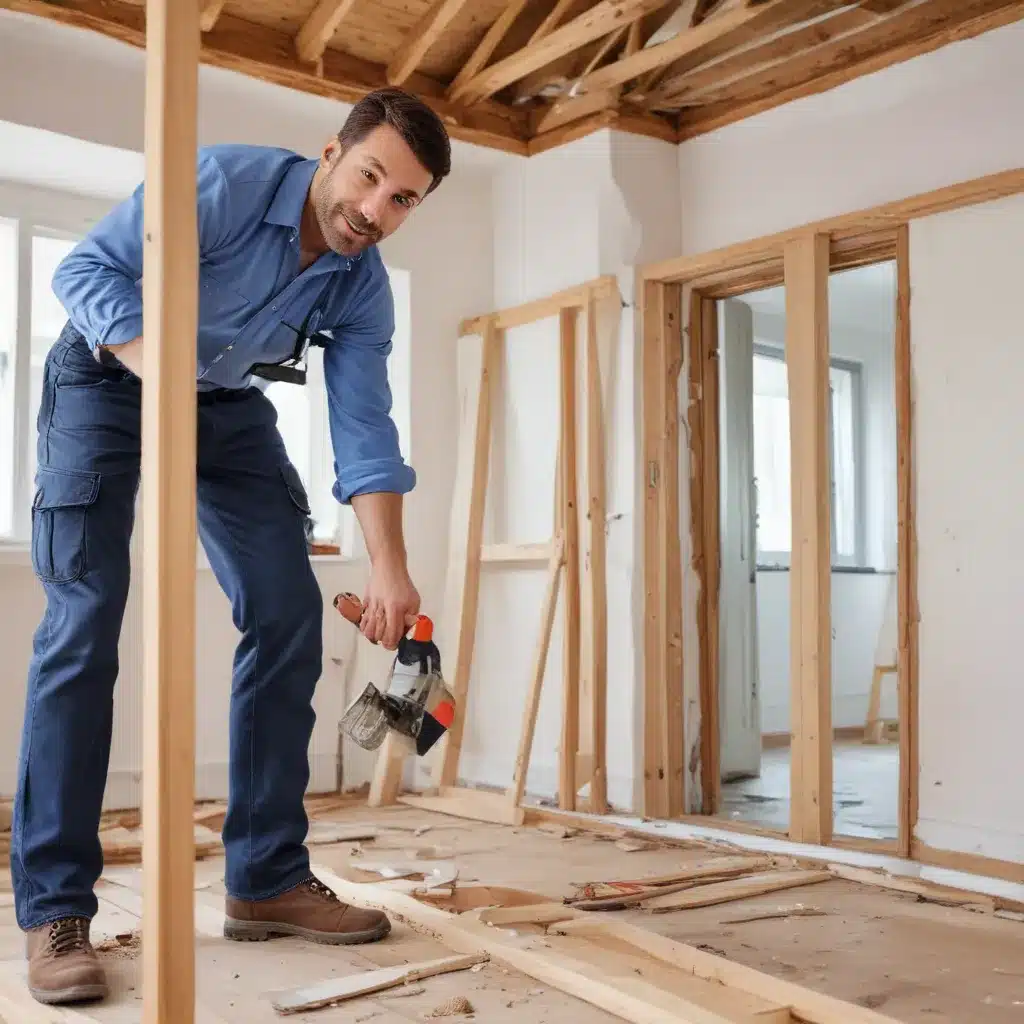
Renovation: The Most Exciting (and Terrifying) Part of Home Ownership
Ahh, the joys of home renovation – the thrill of transforming a space, the satisfaction of DIY accomplishments, and the pride of creating your dream home. But let’s be honest, it can also be a nerve-wracking, anxiety-inducing experience, fraught with hidden dangers and unexpected pitfalls. As a fellow homeowner in Aberdeen, I know this rollercoaster all too well.
You see, when my wife and I decided to remodel our 1970s fixer-upper, we were brimming with excitement. We had visions of a sleek, modern kitchen and an airy, open-concept living area. What we didn’t anticipate, however, were the hidden hazards lurking beneath the surface. From uncovering asbestos in the insulation to discovering lead paint in the nursery, our renovation quickly turned into a minefield of potential health and safety risks.
Luckily, with the help of some diligent research and a few trusted professionals, we were able to navigate these treacherous waters and come out the other side with our dream home (and our sanity) intact. And that’s exactly what I’m here to help you do today.
Asbestos: The Silent Killer in Your Walls
Let’s start with the granddaddy of all renovation nightmares: asbestos. If you’re the owner of a home built before the 1980s, there’s a good chance this toxic mineral is hiding behind your walls, floors, and ceilings. And the moment you start tearing things apart, those deadly fibers can become airborne, putting you and your family at risk of serious, long-term health consequences.
Studies show that exposure to asbestos can lead to the development of mesothelioma, a rare and aggressive form of cancer that targets the lining of the lungs, abdomen, or heart. The scariest part? Symptoms can take decades to manifest, by which point the disease has often progressed to an advanced stage.
But don’t panic just yet – there are ways to identify and safely manage asbestos in your home. The first step is to have a professional inspection done. The EPA recommends testing any damaged building materials or areas you plan to disturb during a renovation. This will give you the knowledge you need to make informed decisions and protect your family.
If asbestos is found, you have a few options: leave it undisturbed, have it professionally encapsulated, or – in the case of severe damage or extensive renovation plans – arrange for full abatement. While the latter can be costly, it’s the surest way to eliminate the risk and give you peace of mind.
Lead Paint: A Blast from the Past
Another potential landmine in older homes? Lead paint. Much like asbestos, this toxic substance was widely used in residential construction until the late 1970s, when its dangers finally came to light.
Exposure to lead paint can cause a range of health issues, especially in young children whose developing brains and bodies are particularly vulnerable. Symptoms can include learning disabilities, behavioral problems, and even permanent brain damage.
The good news is that lead paint is fairly easy to identify – look for peeling, chipping, or cracked paint in homes built before 1978. And if you do find it, there are certified professionals who can safely remove or encapsulate it without putting your family at risk.
The Importance of Proper Disposal
Of course, once you’ve identified and dealt with any hazardous materials in your home, you still have the challenge of proper disposal. And trust me, you don’t want to mess this part up.
Improper handling of asbestos or lead-based waste can result in hefty fines, legal troubles, and – most importantly – serious health consequences for you, your family, and your community. That’s why it’s crucial to work with licensed waste management companies that specialize in the safe transport and disposal of these materials.
Sure, it may cost a bit more, but when it comes to protecting your loved ones, it’s a small price to pay. And hey, think of it this way – you’re not just renovating your home, you’re also being a responsible, eco-conscious citizen. Pat yourself on the back, my friend!
Navigating the Renovation Maze: Tips for a Smooth (and Safe) Process
Alright, now that we’ve tackled the big, scary stuff, let’s talk about how to actually make your renovation dreams a reality without risking life and limb. Here are a few tips to keep in mind:
-
Plan, plan, plan: Don’t just dive in headfirst. Take the time to meticulously map out your project, identify potential hazards, and research the best (and safest) ways to address them.
-
Hire the right professionals: When it comes to things like asbestos abatement or lead paint removal, DIY is not the way to go. Invest in licensed, reputable contractors who know what they’re doing.
-
Communicate, communicate, communicate: Keep your family in the loop about what’s happening, where potential dangers may lurk, and how you’re keeping them safe.
-
Embrace the unexpected: No renovation is ever completely smooth sailing. Be prepared to roll with the punches and make adjustments as needed.
-
Take breaks, stay sane: Renovations can be incredibly stressful. Make sure to step away, take a breather, and maintain a healthy work-life balance.
And remember, you’re not alone in this journey. The team at ABC Home & Renovation is here to support you every step of the way. Whether you need guidance on navigating hazardous materials, recommendations for trusted contractors, or just a friendly ear to listen to your renovation woes, we’ve got your back.
So, are you ready to embark on your safe and successful home transformation? Let’s do this!


