
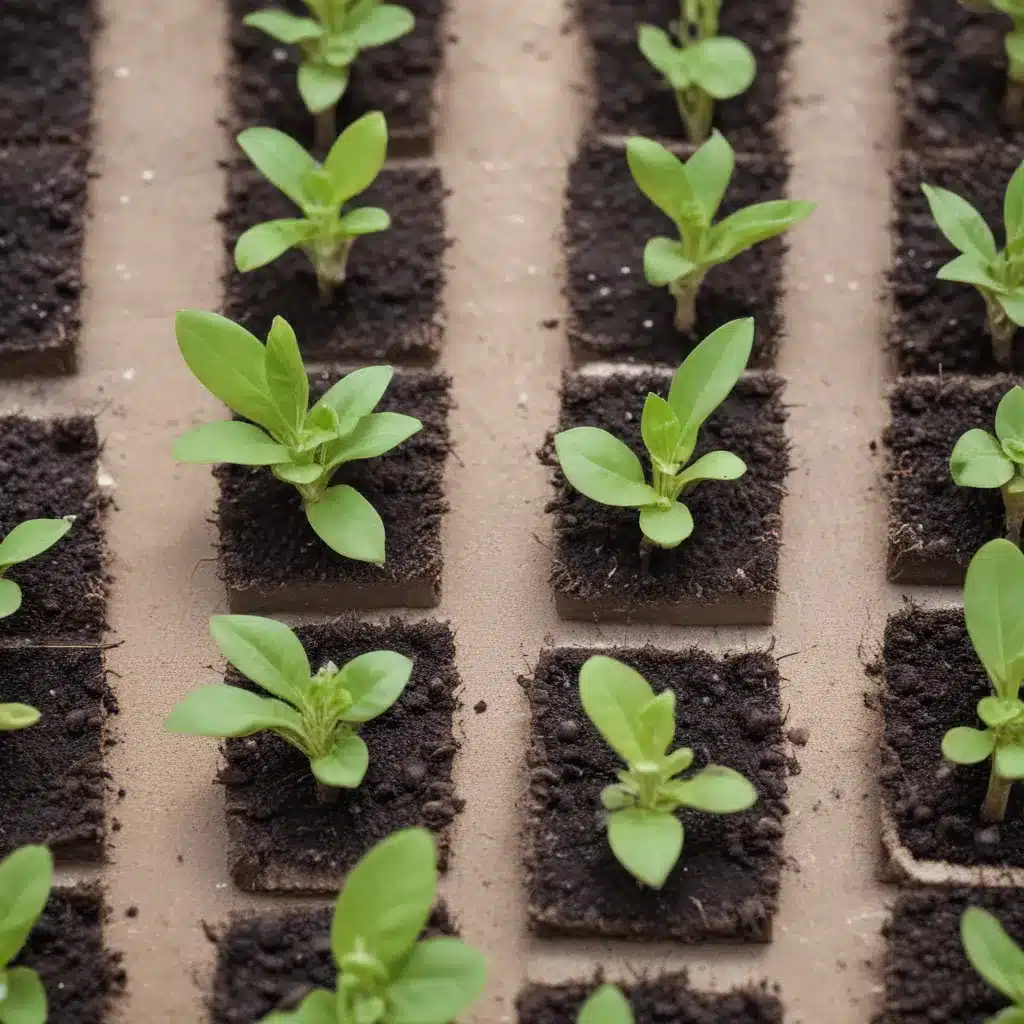
The Joy of Seed Starting: Unlock Your Green Thumb
I’ll never forget the first time I started seeds at home. It was a chilly spring day, and I had just returned from the garden center with a wide array of tempting seedling trays. As I carefully placed the tiny seeds into the soil-filled cells, I couldn’t help but feel a surge of excitement. Would these little specks of life really transform into vibrant, thriving plants?
Fast forward a few weeks, and sure enough, my windowsill was dotted with an array of sprouting seedlings. I was hooked! From that moment on, I knew that seed starting would become a beloved annual ritual. Not only is it an incredibly rewarding and cost-effective way to grow plants, but it also allows me to cultivate a wider variety of species than I could ever find at the local nursery.
If you’re someone who loves plants and gardening, or you’re simply looking to save some money on your landscaping and home projects, I’m here to tell you that seed starting is an absolute game-changer. In this in-depth article, I’ll walk you through the entire process, from selecting the right seeds to nurturing your seedlings into healthy, robust plants. So, let’s dive in and unlock the secrets to growing your own plants from seed!
Choosing the Right Seeds for Your Needs
The first step in your seed starting journey is to select the right seeds for your specific needs and growing conditions. This is where the fun really begins! Do you have a sunny windowsill that’s perfect for growing herbs? Or perhaps you’re dreaming of a vibrant flower garden that will be the envy of the neighborhood? Whatever your vision, there’s a seed out there waiting to be discovered.
When it comes to choosing seeds, the options are truly endless. From classic annuals like marigolds and zinnias to leafy greens and tomatoes, the world of seed catalogs can be a bit overwhelming. That’s why it’s important to take the time to carefully consider your goals and the resources you have available.
For example, if you’re short on space, you might want to focus on compact, high-yielding varieties like cherry tomatoes or dwarf patio peppers. On the other hand, if you have a large garden bed to fill, you might opt for towering sunflowers or sprawling squash plants. And don’t forget about perennials – these long-lived plants can provide years of enjoyment with just a single investment in seeds.
One of the best things about seed starting is the ability to experiment and try new things. Maybe you’ve always wanted to grow exotic herbs like lemongrass or unusual veggies like purple cauliflower. Well, now’s your chance! Seed catalogs are a treasure trove of unique and unusual varieties, just waiting to be discovered.
As you browse through the options, be sure to pay attention to important details like the plant’s mature size, sun and soil requirements, and the time it takes to go from seed to harvest. This information will help you make informed decisions and ensure that your seedlings have the best possible chance of thriving.
Creating the Perfect Seed Starting Setup
Once you’ve selected your seeds, it’s time to set up your seed starting station. This is where the real magic happens, as you transform those tiny specks of potential into vibrant, healthy plants.
The first thing you’ll need is a seed starting tray or container. These can range from basic plastic trays to fancy self-watering systems, depending on your budget and the scale of your operation. Choose a container with drainage holes to prevent waterlogging, and make sure it’s clean and sanitized before use.
Next, you’ll need a high-quality seed starting mix. Avoid using regular potting soil, as it can be too dense and heavy for delicate seedlings. Instead, opt for a lightweight, nutrient-rich mix that’s specifically formulated for seed starting. This will provide your young plants with the perfect balance of moisture retention and aeration.
Another essential piece of equipment is a grow light. While some seeds can germinate in a sunny windowsill, most plants will need the additional boost of artificial light to really thrive. Look for fluorescent or LED grow lights that can be adjusted to the appropriate height as your seedlings grow.
Speaking of lighting, it’s important to consider the amount of sunlight your seed starting setup will receive. Ideally, you’ll want to place your trays in a location that gets at least 6 hours of direct sun per day. If your home doesn’t have a suitable sunny spot, you may need to supplement with a grow light or two.
Finally, don’t forget about the humble seed starting tray cover. These clear plastic domes help to maintain consistent moisture levels and prevent your precious seeds from drying out. Once your seeds have germinated, you can remove the covers to allow for proper air circulation.
With these essential supplies in place, you’re well on your way to creating a thriving seed starting oasis. But don’t worry, I’ll walk you through the entire process step by step, so you can feel confident in your ability to nurture those tiny seeds into robust, healthy plants.
The Art of Seed Sowing and Germination
Now that you’ve got your seed starting setup ready to go, it’s time to get those seeds in the ground. This is where the real magic begins!
When it comes to sowing your seeds, there’s an art to it. You’ll want to carefully read the instructions on each seed packet, as the depth and spacing requirements can vary widely depending on the plant. As a general rule, you’ll want to sow the seeds at a depth that’s about twice the diameter of the seed itself.
Once your seeds are snugly tucked into the soil, it’s time to water them in. This is an important step, as it helps to ensure good seed-to-soil contact and encourages rapid germination. Use a gentle mist or spray bottle to moisten the soil, being careful not to disrupt the delicate seeds.
Now comes the waiting game. Depending on the type of plant, your seeds may sprout in as little as a few days or as long as a few weeks. During this time, it’s crucial to keep an eye on the soil moisture and provide the right amount of light.
If you’re using a grow light, be sure to position it just a few inches above the soil surface, and adjust the height as the seedlings grow taller. And don’t forget to give them a little bit of daily TLC – a gentle misting or a light breeze from a small fan can go a long way in promoting strong, sturdy growth.
As your seedlings start to emerge, you’ll want to keep a close eye on them for any signs of disease or pest infestations. A quick inspection each day can help you catch any issues early, before they have a chance to spiral out of control.
One of the most exciting moments in the seed starting journey is when those first true leaves start to unfurl. This is a sure sign that your hard work is paying off, and your tiny seedlings are well on their way to becoming thriving, productive plants.
Transplanting and Hardening Off Your Seedlings
So, your seeds have germinated, and your seedlings are happily growing under your watchful eye. Now comes the next crucial step: transplanting and hardening off your plants.
Transplanting your seedlings into larger containers is an important milestone in their development. As they outgrow their initial seed starting trays, they’ll need more room for their roots to spread out and thrive. This step helps to prevent root-bound plants and ensures that your seedlings have the space they need to reach their full potential.
When it comes to transplanting, timing is everything. You’ll want to wait until your seedlings have developed their first set of true leaves before gently lifting them out of their seed starting cells. Be very careful not to damage those delicate roots – you can use a small spoon or fork to help ease them out of the soil.
Once your seedlings are safely in their new containers, it’s time to introduce them to the great outdoors. This process, known as “hardening off,” helps to gradually acclimate your plants to the harsher conditions they’ll face in their final growing location.
Start by placing your seedlings in a sheltered spot, such as a porch or shaded area, for a few hours each day. Gradually increase the time they spend outdoors, and be sure to keep a close eye on them for any signs of stress or wilting. This gradual exposure to sunlight, wind, and temperature fluctuations will help to toughen up your seedlings, making them better equipped to thrive once they’re planted in the ground.
During the hardening off process, you’ll also want to make sure your seedlings are getting enough water. Their root systems are still relatively delicate, so you’ll need to keep the soil consistently moist without letting it become waterlogged.
As your seedlings become more acclimated to their new outdoor environment, you can start to gradually expose them to full sun and wind. Just be sure to keep a watchful eye, and be prepared to provide shade or wind protection if the conditions seem to be overwhelming them.
With a little patience and attention, your once-tiny seedlings will emerge as robust, resilient plants, ready to be transplanted into their permanent homes. It’s a truly rewarding experience to watch your homegrown plants flourish, and it all starts with that first seed you carefully sowed.
Maximizing the Potential of Your Homegrown Plants
Now that your seedlings have been successfully transplanted and hardened off, it’s time to think about how to get the most out of your homegrown plants. After all, the real joy of seed starting is in seeing those tiny seeds blossom into vibrant, productive plants that can enhance your home, garden, and even your kitchen.
One of the key benefits of starting plants from seed is the ability to grow a wider variety of species than you could ever find at a local nursery. By sourcing your seeds from specialty catalogs or online retailers, you’ll have access to a veritable cornucopia of unique and interesting plant varieties.
For example, have you ever tasted the sweet, citrusy flavor of lemon verbena? Or marveled at the stunning, rainbow-hued blooms of a zinnia mix? These are the kinds of discoveries that make seed starting so much fun and rewarding.
But it’s not just about the thrill of the new and exotic. By growing your own plants from seed, you’ll also have the opportunity to cultivate tried-and-true favorites in a way that’s tailored to your specific needs and growing conditions. Perhaps you have the perfect sunny spot for a bountiful tomato patch, or a shady corner that would be perfect for a vibrant shade garden.
And let’s not forget the financial benefits of seed starting. Buying seedlings from a nursery can quickly add up, especially if you’re working on a larger-scale landscaping project. By starting your own plants from seed, you can save a significant amount of money while still enjoying the same high-quality results.
But the real magic of seed starting goes beyond just the practical benefits. There’s something inherently satisfying about watching those tiny seeds sprout and grow into thriving, productive plants. It’s a testament to the incredible power of nature and a reminder of the important role we play as stewards of the land.
As you continue to nurture your homegrown plants, you’ll undoubtedly encounter a few challenges along the way. Perhaps a sudden cold snap caught you off guard, or a pesky pest managed to slip past your defenses. But that’s all part of the journey, and with a little resilience and problem-solving, you’ll be able to overcome these obstacles and enjoy the fruits of your labor.
So, as you savor the flavor of your homegrown tomatoes or admire the vibrant blooms of your zinnias, take a moment to appreciate the incredible journey you’ve embarked on. Seed starting is not just a practical endeavor – it’s a deeply rewarding and enriching experience that can bring joy, fulfillment, and a renewed connection to the natural world.
Conclusion: Embrace the Seed Starting Lifestyle
As I reflect on my own seed starting journey, I can’t help but feel a deep sense of gratitude and appreciation for the incredible power of these tiny, unassuming seeds. From the moment I first placed them in the soil, to the day I harvested their bountiful fruits and flowers, it has been a truly transformative experience.
But seed starting isn’t just about the end result – it’s about the journey itself. It’s about the thrill of watching those first green shoots break through the soil, the satisfaction of carefully nurturing your seedlings into robust, healthy plants, and the pride of seeing your homegrown creations flourish in your garden or on your windowsill.
If you’re someone who loves plants and gardening, or you’re simply looking to save a little money on your landscaping projects, then I can’t recommend seed starting enough. It’s a hobby that not only provides tangible benefits, but also fosters a deep connection to the natural world and a sense of personal accomplishment that is truly priceless.
So, what are you waiting for? Grab those seed catalogs, set up your seed starting station, and get ready to embark on an adventure that will fill your life with vibrant, thriving plants and a renewed appreciation for the wonders of nature. Trust me, once you experience the joy of seed starting, you’ll never look at your garden the same way again.
And if you’re ever in the Aberdeen area, be sure to check out our building and renovation services. We’d be more than happy to help you transform your outdoor space into a verdant oasis, complete with all the homegrown goodness that seed starting can provide. Happy gardening, and may your seeds always flourish!


