
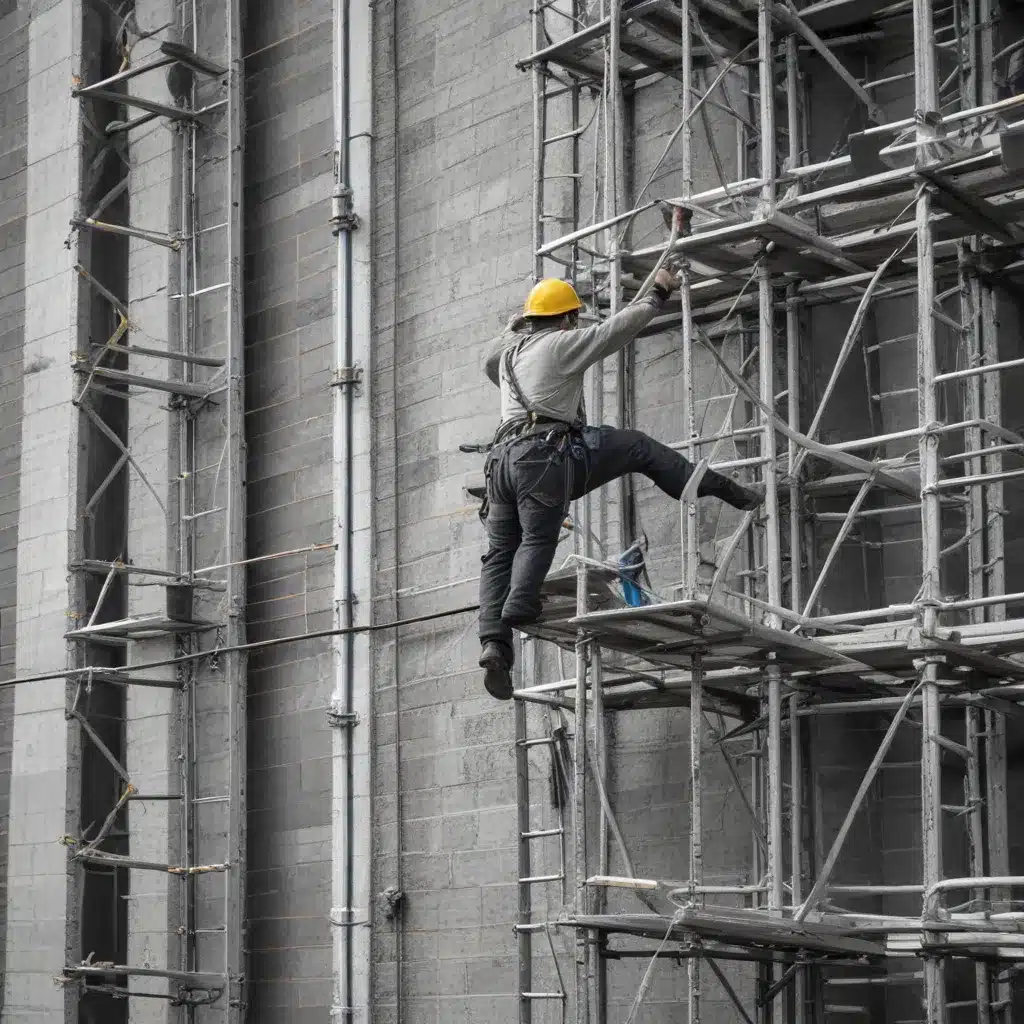
The Importance of Proper Scaffolding Practices in UK Construction
The construction industry in the UK plays a vital role in shaping the built environment, contributing significantly to the nation’s economic growth and development. However, with the inherent risks associated with construction work, particularly when it comes to scaffolding, it is crucial for professionals and homeowners alike to prioritize safety and adhere to the necessary regulations. This article delves into the importance of proper scaffolding practices, the implications of cutting corners, and the cost-effective strategies that can help ensure the safety and compliance of your construction projects in the UK.
Navigating the Regulatory Landscape: UK Scaffolding Standards and Requirements
The UK has a robust set of regulations and standards governing the use of scaffolding on construction sites. The Health and Safety at Work etc. Act 1974 and the Work at Height Regulations 2005 are the primary legislative frameworks that outline the responsibilities of employers, employees, and homeowners when it comes to scaffolding safety.
Under these regulations, scaffolding must be designed, erected, and dismantled by competent and trained personnel. The scaffolding structure must be inspected and certified by a qualified person before use, and regular inspections must be carried out to ensure its ongoing safety. Failure to comply with these regulations can result in hefty fines and even criminal charges, as the safety of workers and the general public is of paramount importance.
The Risks of Cutting Corners: Understanding the Consequences
Despite the clear regulations, it is not uncommon for construction professionals or homeowners to prioritize cost and time savings over safety when it comes to scaffolding. This can lead to a range of serious consequences, both for the individuals involved and the broader construction industry.
Accidents and Injuries: Poorly designed, erected, or maintained scaffolding can result in catastrophic accidents, leading to injuries or even fatalities. These incidents can have a devastating impact on the lives of workers and their families, as well as damaging the reputation and financial stability of the companies involved.
Legal Consequences: Failing to comply with UK scaffolding regulations can result in substantial fines and legal penalties. In the most severe cases, individuals or companies may face criminal charges, including imprisonment, for their negligence.
Reputational Damage: When accidents or safety violations occur, the construction company’s reputation can be severely tarnished, making it increasingly difficult to secure future contracts or maintain the trust of clients and the general public.
Increased Costs: The financial implications of cutting corners on scaffolding safety can be significant. Aside from the potential legal penalties, the costs associated with medical treatment, workplace disruptions, and insurance claims can quickly spiral out of control, ultimately outweighing any initial savings.
Embracing Sustainable and Cost-Effective Scaffolding Practices
While the importance of adhering to UK scaffolding regulations may seem daunting, there are several strategies that construction professionals and homeowners can employ to ensure safety and compliance without compromising their budgets.
Invest in Quality Equipment: Prioritizing the purchase or rental of high-quality, certified scaffolding components can pay dividends in the long run. These materials are designed to meet the necessary safety standards, reducing the risk of accidents and potential legal issues.
Engage Competent Professionals: Hiring skilled and experienced scaffolding erectors and inspectors is crucial to ensuring the safe installation and ongoing maintenance of the scaffolding structure. This investment in expertise can help avoid costly mistakes and ensure compliance with UK regulations.
Implement Proactive Maintenance: Regular inspections and proactive maintenance of the scaffolding can help identify and address potential issues before they escalate. This can include checking for wear and tear, ensuring proper bracing and stability, and addressing any structural concerns.
Explore Sustainable Solutions: The construction industry is increasingly embracing sustainable building practices, and this extends to scaffolding as well. Exploring options such as modular or reusable scaffolding systems can not only improve safety but also reduce environmental impact and long-term costs.
Leverage Technology: Advancements in digital technologies, such as Building Information Modeling (BIM) and scaffolding design software, can assist in the planning, design, and monitoring of scaffolding systems. These tools can help identify potential issues, optimize safety, and streamline the construction process.
By adopting these strategies, construction professionals and homeowners can ensure that their scaffolding projects comply with UK regulations while also delivering cost-effective and sustainable solutions. This approach not only safeguards the well-being of workers and the public but also protects the reputation and financial stability of the construction industry as a whole.
The Hidden Costs of Scaffolding Failures
Cutting corners when it comes to scaffolding can have far-reaching consequences that extend beyond the immediate safety concerns. In the UK, the financial implications of scaffolding failures can be significant, impacting both construction companies and individual homeowners.
The True Cost of Scaffolding Accidents
When scaffolding accidents occur, the direct costs can be staggering. Medical expenses for injured workers, legal fees, and potential compensation claims can quickly add up, often surpassing the initial savings from cutting corners.
According to a recent report by the UK’s Health and Safety Executive (HSE), the average cost of a scaffolding-related accident is around £30,000. However, in more severe cases, the costs can reach £100,000 or more. These figures do not even account for the indirect costs, such as workplace disruptions, project delays, and the potential for damaged reputations.
The Impact on Construction Companies
For construction companies, the financial burden of scaffolding failures can be devastating. Fines and legal penalties imposed by the HSE for non-compliance can range from £5,000 to £20,000 or more, depending on the severity of the offense. In extreme cases, company directors may face criminal charges, including the possibility of imprisonment.
Beyond the direct financial consequences, scaffolding failures can also lead to project delays and lost revenue. When a construction site is shut down due to safety concerns, the company not only loses the potential income from the project but also faces the added costs of rescheduling and remobilizing the workforce.
The Impact on Homeowners
Homeowners undertaking DIY or small-scale construction projects are not immune to the financial implications of scaffolding failures. Improperly erected or maintained scaffolding can result in property damage, personal injury claims, and the need for costly remediation work.
In the UK, homeowners are responsible for ensuring the safety of their construction projects, including the use of scaffolding. Failure to comply with regulations can lead to fines, legal actions, and the potential for insurance claims to be invalidated.
The Importance of Cost-Effective Compliance
Recognizing the substantial financial risks associated with scaffolding failures, it is clear that cutting corners is never a viable option. Instead, construction professionals and homeowners should focus on implementing cost-effective strategies that prioritize safety and compliance with UK regulations.
By investing in quality equipment, engaging competent professionals, and embracing sustainable solutions, stakeholders can mitigate the potential for accidents and the resulting financial burden. This approach not only protects the well-being of workers and the public but also safeguards the long-term viability and reputation of the construction industry in the UK.
Sustainable Scaffolding Solutions: Balancing Safety and Cost-Effectiveness
As the construction industry in the UK continues to evolve, the need for sustainable and cost-effective scaffolding solutions has become increasingly paramount. Alongside the critical importance of complying with safety regulations, construction professionals and homeowners must also consider the environmental impact and long-term cost implications of their scaffolding choices.
Embracing Modular and Reusable Scaffolding Systems
One of the key trends in the UK construction industry is the growing adoption of modular and reusable scaffolding systems. These innovative solutions offer several advantages over traditional scaffolding:
-
Improved Safety: Modular scaffolding components are designed with enhanced safety features, such as integrated fall protection systems and more stable base frames, reducing the risk of accidents.
-
Enhanced Efficiency: The modular design of these systems allows for faster installation and dismantling, minimizing disruption to the construction site and improving project timelines.
-
Cost-Effectiveness: Reusable scaffolding systems can significantly reduce the long-term costs associated with scaffolding, as the same components can be used repeatedly across multiple projects.
-
Sustainability: By reducing waste and the need for new materials, modular and reusable scaffolding systems contribute to the overall environmental sustainability of construction projects.
Leveraging Digital Technologies for Scaffolding Management
The construction industry in the UK is increasingly embracing digital technologies to streamline various aspects of the building process, and scaffolding is no exception. Building Information Modeling (BIM) and specialized scaffolding design software can play a crucial role in enhancing the safety, efficiency, and cost-effectiveness of scaffolding systems.
-
Enhanced Planning and Design: BIM and scaffolding software allow for the virtual design and simulation of scaffolding structures, enabling construction professionals to identify potential issues and optimize the layout before physical installation.
-
Improved Monitoring and Maintenance: These digital tools can assist in the ongoing monitoring and maintenance of scaffolding systems, helping to identify potential problems and ensure compliance with UK regulations.
-
Streamlined Project Management: Integrating digital technologies into the scaffolding process can improve communication, coordination, and information-sharing among all stakeholders, leading to more efficient project management.
-
Cost Savings: By reducing the risk of errors, minimizing disruptions, and optimizing the use of materials, digital technologies can contribute to significant cost savings throughout the scaffolding lifecycle.
Collaboration and Knowledge-Sharing
Fostering a culture of collaboration and knowledge-sharing within the UK construction industry can also play a vital role in promoting sustainable and cost-effective scaffolding practices. By encouraging the exchange of best practices, case studies, and innovative solutions, construction professionals can learn from each other and collectively drive progress in this critical area.
Organizations such as the National Access and Scaffolding Confederation (NASC), the Scaffolding Association, and the Construction Industry Training Board (CITB) play a crucial role in facilitating this knowledge-sharing and providing guidance on the latest scaffolding regulations, technologies, and best practices.
Investing in Training and Competency Development
Ensuring that construction professionals and homeowners have access to comprehensive training and skill development is essential for the successful implementation of sustainable and cost-effective scaffolding solutions. By investing in the continuous upskilling of their workforce, construction companies can:
-
Enhance Safety: Properly trained personnel are better equipped to design, erect, and maintain scaffolding systems in compliance with UK regulations.
-
Improve Efficiency: Skilled workers can optimize the use of scaffolding materials and streamline the installation and dismantling processes.
-
Reduce Costs: Minimizing the risk of accidents and errors through training can avoid the substantial financial consequences associated with scaffolding failures.
-
Foster Innovation: A knowledgeable and skilled workforce is more likely to identify and implement innovative, sustainable scaffolding solutions.
By embracing modular and reusable scaffolding systems, leveraging digital technologies, fostering collaboration, and investing in training, construction professionals and homeowners in the UK can strike a balance between safety, cost-effectiveness, and environmental sustainability.
Conclusion
Scaffolding safety is a critical issue in the UK construction industry, with significant implications for worker safety, legal compliance, and financial stability. By understanding the regulatory landscape, the risks of cutting corners, and the opportunities for sustainable and cost-effective solutions, construction professionals and homeowners can ensure that their scaffolding projects are executed safely and in line with UK standards.
Through the implementation of quality equipment, the engagement of competent professionals, and the adoption of proactive maintenance practices, stakeholders can mitigate the potential for accidents and the resulting financial burden. Furthermore, by exploring innovative, modular, and reusable scaffolding systems, as well as leveraging digital technologies, the construction industry can enhance safety, improve efficiency, and drive towards a more sustainable future.
Ultimately, the commitment to scaffolding safety is not only a legal and moral obligation but also a strategic investment in the long-term success and reputation of the construction industry in the UK. By prioritizing safety and compliance, construction professionals and homeowners can contribute to the creation of a built environment that is not only functional but also safe, sustainable, and cost-effective.
To learn more about the latest advancements in scaffolding practices and explore sustainable building solutions, visit https://abc-home.co.uk/, a leading resource for construction professionals and homeowners in the UK.


