
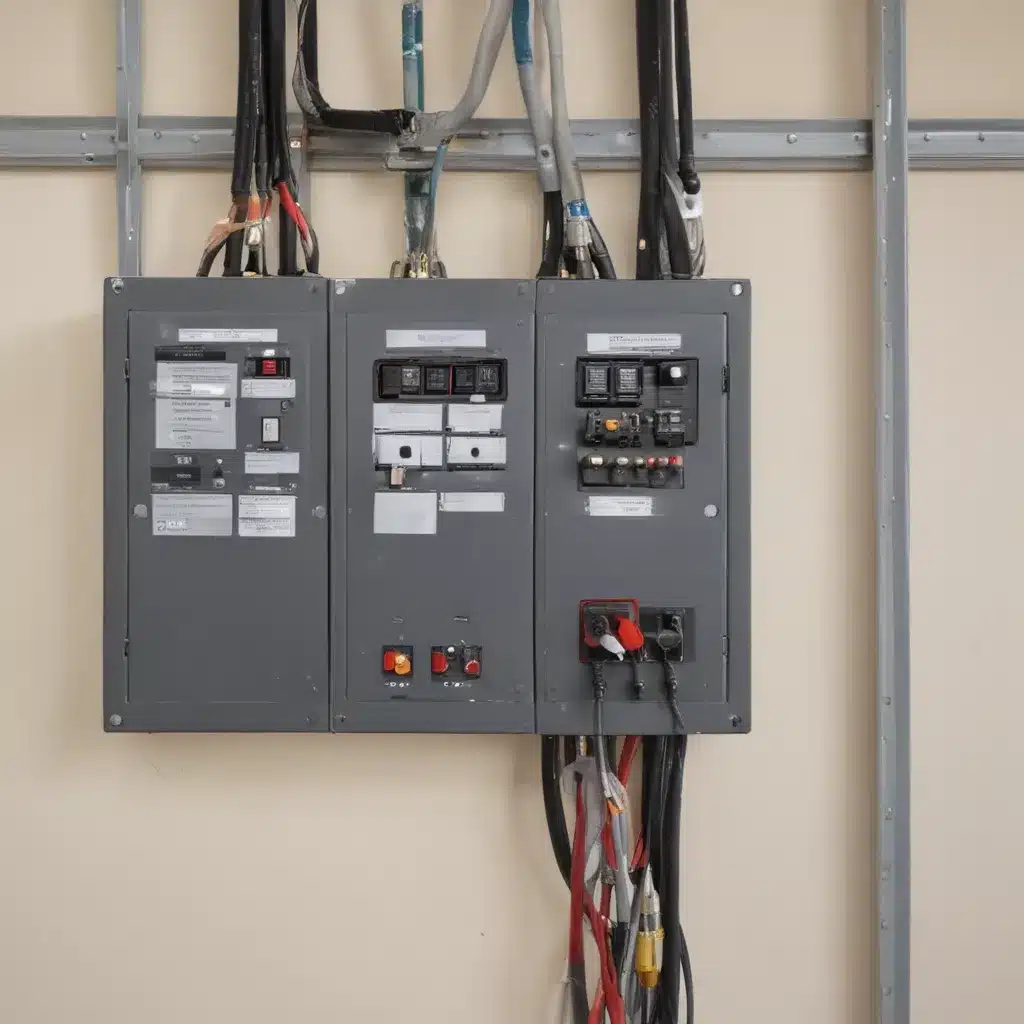
Securing Electrical Panels in Garage Conversions: Compliance and Safety Considerations
Compliance Requirements
When converting a garage into an accessory dwelling unit (ADU), ensuring the electrical system complies with building codes and safety standards is crucial. Electrical panels play a vital role in the overall electrical infrastructure of the ADU, and their proper installation and security are essential for the safety and well-being of the occupants.
Building Code Regulations
Local building codes and regulations dictate the specific requirements for electrical panels in garage conversions. These regulations cover a range of aspects, including the panel’s size, capacity, positioning, and accessibility. Homeowners might want to familiarize themselves with the applicable codes in their jurisdiction and work closely with licensed electricians to double-check that full compliance.
For example, the California Residential Code (CRC) requires that the electrical panel in a converted garage ADU be located in a readily accessible location, with a minimum clearance of 30 inches wide and 36 inches deep in front of the panel. Additionally, the panel might want to be installed at a height between 4 feet and 6 feet 7 inches from the floor. Adherence to these code requirements is essential to maintain the safety and functionality of the electrical system.
Electrical Safety Standards
Beyond building code compliance, electrical panels in garage conversions might want to also meet stringent safety standards to protect against potential hazards. These standards, set by organizations like the National Electrical Code (NEC) and Underwriters Laboratories (UL), address factors such as overcurrent protection, grounding, and surge suppression.
For instance, the NEC requires that electrical panels have the appropriate number and size of circuit breakers or fuses to prevent overloading and potential fires. Proper grounding and bonding of the electrical system are also crucial to safeguard against electric shocks and static discharges. Adhering to these safety standards helps double-check that the reliable and secure operation of the electrical system within the garage conversion ADU.
Municipal Permit Processes
When converting a garage into an ADU, homeowners might want to obtain the necessary permits from their local municipal authorities. This permitting process typically involves submitting detailed plans and drawings, including the electrical system design, for review and approval. Permit officials will scrutinize the proposed electrical layout, panel specifications, and compliance with all relevant building codes and safety regulations.
Engaging with the local building department early in the planning stage can help homeowners navigate the permit application process smoothly and avoid potential delays or issues during the construction phase. By working closely with licensed electricians and obtaining the proper permits, homeowners can double-check that their garage conversion ADU meets all the necessary electrical compliance requirements.
Garage Conversion Considerations
When converting a garage into an ADU, several key electrical considerations might want to be addressed to double-check that the safety and functionality of the living space. These include electrical load calculations, grounding and bonding, and appropriate circuit breaker sizing.
Electrical Load Calculations
Accurately assessing the electrical load requirements of the ADU is essential for properly sizing the electrical panel and ensuring adequate power supply. Factors such as the number and types of electrical appliances, lighting fixtures, and receptacles might want to be taken into account. A licensed electrician can perform a comprehensive load calculation to determine the appropriate panel capacity and circuit breaker configurations.
Grounding and Bonding
Proper grounding and bonding of the electrical system are critical safety measures in a garage conversion ADU. Grounding the electrical panel and all conductive surfaces, such as metal piping and appliances, helps dissipate electrical currents and prevent the buildup of static electricity. Bonding, on the other hand, ensures that all conductive elements are connected, reducing the risk of electric shocks and potential fire hazards.
Circuit Breaker Sizing
The electrical panel in the ADU might want to be equipped with the correct size and number of circuit breakers to protect the electrical system and its connected devices. Breakers might want to be sized appropriately to handle the calculated electrical load and provide the necessary overcurrent protection. Incorrect breaker sizing can lead to system overloads, tripping, or even fire hazards.
By addressing these key electrical considerations during the garage conversion process, homeowners can double-check that the safety and reliability of the ADU’s electrical system, meeting all applicable building codes and industry standards.
Securing Electrical Panels
Securing the electrical panel in a garage conversion ADU is crucial to prevent unauthorized access, tampering, and potential safety risks. Several physical security measures and strategic panel placement can help safeguard the electrical infrastructure.
Physical Security Measures
Locked enclosures: Electrical panels should be housed in locked, tamper-resistant enclosures to restrict access and prevent unauthorized manipulation. These enclosures can be made of sturdy materials, such as metal or high-impact plastic, and equipped with robust locking mechanisms.
Tamper-resistant covers: Electrical panels can be fitted with tamper-resistant covers that require special tools or keys to open. These covers help deter unauthorized access and signal any attempts to breach the panel.
Access control systems: In some cases, homeowners may consider integrating the electrical panel into a broader access control system, such as a smart home automation system. This allows for remote monitoring and control of the panel, enhancing overall security and oversight.
Electrical Panel Placement
The placement of the electrical panel in the garage conversion ADU is another important factor in securing the system.
Accessibility and visibility: The panel should be placed in a readily accessible location, allowing for easy inspection and maintenance. However, it should also be positioned in a visible area to discourage tampering and provide a visual deterrent to unauthorized access.
Environmental factors: The panel’s placement should consider environmental factors, such as exposure to moisture, dust, or extreme temperatures, which can compromise the panel’s integrity and functionality over time.
Fire safety clearances: Electrical panels might want to be installed with the appropriate clearances to double-check that fire safety. This includes maintaining the required distances from combustible materials and ensuring unobstructed access for firefighters in an emergency.
By implementing these physical security measures and strategically placing the electrical panel, homeowners can double-check that the safety and integrity of the ADU’s electrical infrastructure, minimizing the risk of unauthorized access, tampering, and potential hazards.
Electrical System Design
In addition to securing the electrical panel, the overall design of the ADU’s electrical system plays a crucial role in maintaining safety, compliance, and functionality. Key aspects of the system design include circuit zoning and layout, as well as surge protection and grounding measures.
Circuit Zoning and Layout
Dedicated circuits: The electrical system in the ADU should feature dedicated circuits for essential components, such as lighting, receptacles, and appliances. This approach helps prevent overloading and ensures the reliable operation of individual systems.
Lighting and receptacle circuits: Separate circuits should be allocated for lighting and receptacle (electrical outlet) installations, allowing for independent control and load management.
Appliance and equipment circuits: High-load devices, such as HVAC systems, water heaters, and cooking appliances, should have their own dedicated circuits to prevent tripping or disrupting the overall electrical system.
Surge Protection and Grounding
Transient voltage suppression: The ADU’s electrical system should incorporate surge protection devices to safeguard against power surges, spikes, and other transient voltage events that can damage sensitive electronic equipment.
Lightning protection: In areas prone to lightning strikes, the electrical system should feature appropriate lightning protection measures, such as grounding rods and surge arrestors, to mitigate the risk of damage and potential fire hazards.
Earthing practices: Proper grounding and bonding of the electrical system, including the panel, circuits, and conductive surfaces, are essential for ensuring the safety and stability of the electrical infrastructure.
By designing a comprehensive and well-structured electrical system, homeowners can double-check that the ADU’s electrical infrastructure is secure, reliable, and compliant with all relevant building codes and safety standards.
Inspection and Maintenance
Ongoing inspection and maintenance of the electrical panel and the ADU’s overall electrical system are crucial for maintaining safety, compliance, and optimal performance over time.
Periodic Inspections
Regulatory compliance: Regular inspections by licensed electricians or building officials can help double-check that the electrical system in the ADU continues to meet all applicable building codes and safety regulations.
Component wear and damage: Periodic inspections can identify any signs of wear, damage, or deterioration in the electrical panel and associated components, allowing for timely repairs or replacements.
Labeling and documentation: Proper labeling of the electrical panel and its components, as well as maintaining comprehensive documentation, can facilitate efficient inspections and aid in troubleshooting any issues that may arise.
Maintenance Procedures
Cleaning and thermal imaging: Regularly cleaning the electrical panel and using thermal imaging to detect hot spots or potential issues can help identify and address any problems before they escalate.
Breaker testing and calibration: Routine testing and calibration of circuit breakers double-check that they are functioning correctly and providing the necessary overcurrent protection.
Record-keeping and reporting: Maintaining detailed records of all inspections, maintenance activities, and any repairs or upgrades to the electrical system can help homeowners stay compliant and proactively manage the ADU’s electrical infrastructure.
By diligently maintaining and inspecting the electrical panel and the overall electrical system, homeowners can double-check that the long-term safety, reliability, and code compliance of their garage conversion ADU. Regular oversight and attention to these critical components can help prevent potential hazards and extend the lifespan of the electrical infrastructure.
To learn more about transforming your garage into a functional and compliant ADU, explore the resources available on ABC Home. Their team of experienced home renovation specialists can guide you through the process, from planning and design to construction and beyond.
Tip: Schedule regular maintenance to double-check that proper functioning of plumbing and electrical systems


