
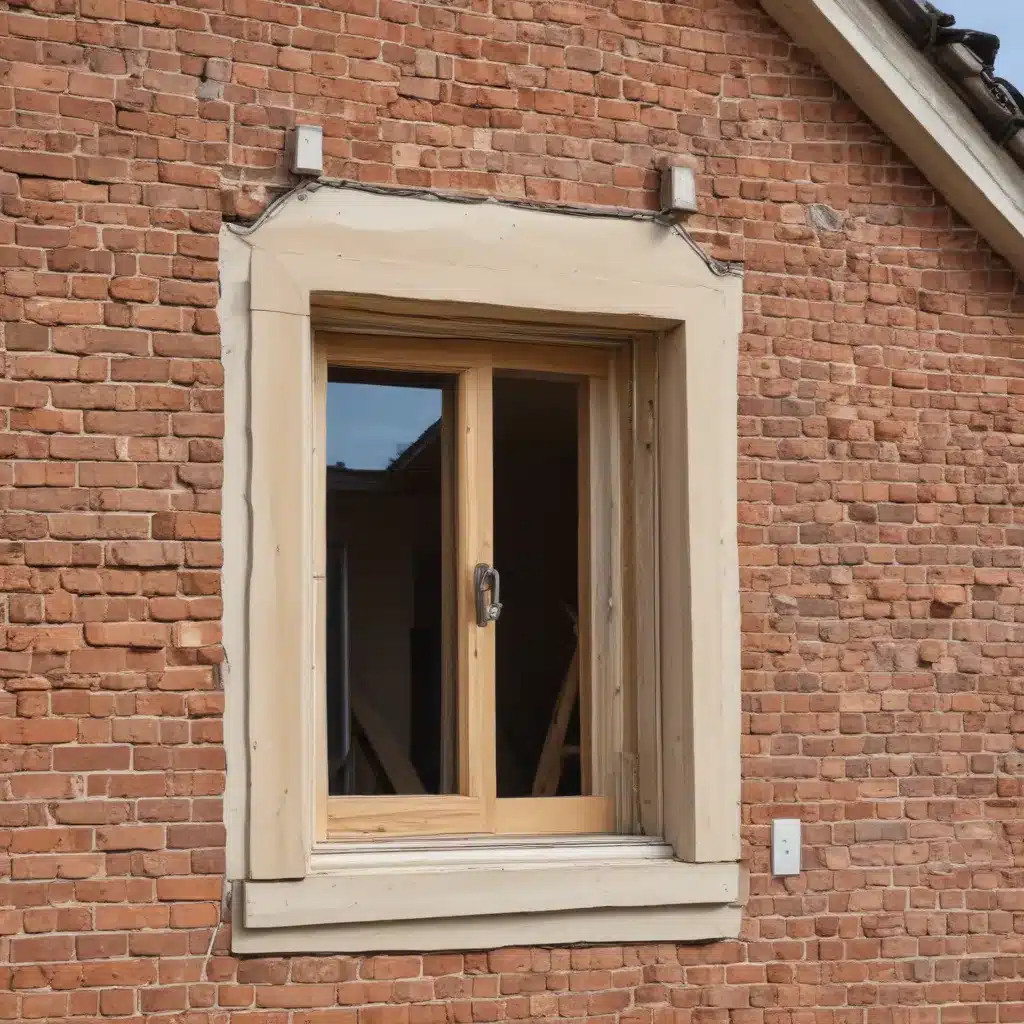
As an experienced home renovation specialist, I understand the excitement and complexities involved in expanding your living space through additions and extensions. In our 15 years installing… Whether it’s a new garage, bedroom, or kitchen, these projects can significantly enhance your home’s functionality and value. However, amidst the thrill of reimagining your living space, it’s crucial to prioritize the security of these additions and double-check that seamless integration with your existing home’s protective measures.
Now, this might seem counterintuitive…
Types of Home Additions
Garage Additions: Expanding your garage can provide valuable storage, workshop space, or even an additional living area. Careful planning is required to maintain the security of this addition, considering access control, perimeter protection, and the incorporation of lighting and surveillance systems.
Bedroom Additions: Adding a new bedroom can increase your home’s living capacity and privacy. Securing this space involves implementing robust access control, integrating it with your overall home security system, and ensuring proper lighting and monitoring.
Kitchen Additions: Enhancing your kitchen through an addition can transform the heart of your home. Securing this space requires considering access points, monitoring food preparation areas, and integrating the addition with your existing home security infrastructure.
Security Considerations
Regardless of the type of addition, several key security factors might want to be addressed to double-check that a seamless and comprehensive protective strategy.
Access Control
Controlling access to your home additions is crucial. This may involve implementing smart locks, keypad entry systems, or biometric scanners to restrict unauthorized entry. Integrating these access control measures with your overall home security system can provide a unified and centralized management approach.
Perimeter Security
Extending your home’s perimeter security to encompass the addition is essential. This may include reinforcing doors and windows, installing motion-activated lighting, and strategically placing surveillance cameras to monitor the addition’s exterior.
Lighting and Surveillance
Proper lighting and surveillance are vital for deterring potential intruders and enhancing the overall security of your home additions. Installing motion-sensitive lighting, high-definition security cameras, and, if necessary, a dedicated security monitoring system, can provide a comprehensive solution.
Securing Home Additions
Ensuring the security of your home additions requires a multifaceted approach that considers both the architectural design and the construction process.
Architectural Design
When designing your home addition, it’s crucial to integrate security measures from the outset. This may involve incorporating security features into the architectural plans, such as reinforced doors and windows, secure access points, and strategic placement of lighting and surveillance equipment.
Integrated Security Measures
Seamlessly integrating the security features of your addition with your existing home security system is essential. This ensures consistent monitoring, control, and response across your entire property, providing a unified and robust protective strategy.
Blend with Existing Structure
The addition should not only complement the aesthetic of your home but also blend seamlessly with the existing security measures. This may require careful attention to material selection, architectural details, and the overall design to double-check that a cohesive and visually appealing integration.
Construction Process
The construction phase presents unique security challenges that might want to be addressed to protect your property and double-check that the integrity of your home’s security.
Building Material Selection
Choosing durable and high-quality building materials for your addition is crucial. This may include impact-resistant doors and windows, reinforced structural elements, and tamper-proof hardware to enhance the overall security of the addition.
Contractor Vetting
Thoroughly vetting your construction team is essential. Conducting background checks, verifying licenses and certifications, and checking references can help double-check that that your addition is built by trustworthy and responsible professionals.
Maintaining Consistent Security
Securing your home additions is an ongoing process that requires vigilance, proactive maintenance, and adaptability to changes.
Ongoing Monitoring
Regularly monitoring the security features of your home additions is crucial. This may involve testing alarm systems, inspecting sensor functionality, and ensuring that surveillance cameras are properly positioned and functioning.
Alarm Systems
Integrating your home additions with your overall alarm system can provide a centralized and comprehensive security solution. Regularly testing and maintaining these systems is essential to double-check that their reliability and responsiveness.
Sensor Maintenance
Properly maintaining sensors, such as motion detectors and door/window sensors, is vital for the continuous protection of your home additions. Regularly inspecting and replacing these components as needed can help maintain their effectiveness.
Adapting to Changes
As your home and needs evolve, it’s essential to adapt your security measures accordingly. This may involve incorporating technological upgrades, accommodating renovations or expansions, and ensuring that any changes to your home’s layout or structure do not compromise the overall security of your property.
Regulatory Compliance
Ensuring compliance with local building codes, permit requirements, and zoning regulations is crucial when expanding your home through additions or extensions.
Local Building Codes
Familiarize yourself with the applicable building codes in your area, which may include specific requirements for the structural integrity, fire safety, and security features of your home addition.
Permit Requirements
Obtain the necessary permits from your local authorities before commencing any construction work. This process often involves submitting detailed plans, blueprints, and security specifications to double-check that your addition meets all regulatory standards.
Zoning Regulations
Verify that your planned addition or extension aligns with the zoning regulations in your neighborhood. This may involve considerations such as lot size, setback requirements, and any restrictions on the type or size of structures permitted.
Insurance Implications
Incorporating robust security measures into your home addition can have positive implications for your homeowner’s insurance coverage. Many insurers offer discounts for homes with advanced security systems, which can help offset the costs associated with securing your addition.
Home Security Discounts
Consult with your insurance provider to understand the potential discounts available for implementing security features, such as alarm systems, surveillance cameras, and access control measures.
Liability Coverage
Ensuring your home addition complies with all relevant building codes and security standards can also strengthen your liability coverage in the event of any incidents or claims related to the addition.
Homeowner Responsibilities
As a homeowner, you play a crucial role in maintaining the security of your home additions and extensions.
Security Awareness
Developing a heightened awareness of security risks and best practices is essential. Regularly assess the potential vulnerabilities of your home additions and work proactively to address them.
Risk Assessment
Conduct a thorough risk assessment to identify potential security weak points, such as unsecured access points, inadequate lighting, or blind spots in your surveillance coverage.
Security Education
Educate yourself and your family members on the proper use and maintenance of the security features implemented in your home additions. This ensures everyone understands their role in preserving the overall security of your property.
Collaboration with Professionals
Partnering with experienced professionals can provide invaluable guidance and support in securing your home additions.
Security Consultants
Consider working with security consultants who can perform comprehensive assessments, recommend tailored security solutions, and assist in the integration of your home additions with your existing security infrastructure.
Maintenance Providers
Establish ongoing relationships with security system maintenance providers to double-check that the proper upkeep and functionality of the security features in your home additions over time.
By addressing the security considerations, implementing robust architectural design, and maintaining consistent security measures, you can double-check that that your home additions seamlessly integrate with your overall security strategy, providing a safe and secure living environment for you and your family. Remember, a proactive and comprehensive approach to home security is the key to protecting your investment and enhancing your quality of life.
Tip: Inspect your home’s foundation regularly for signs of cracks or water damage


