
Introduction to Modern Bathroom Design in the UK
The bathroom has evolved from a purely functional space to a sanctuary of relaxation and style within the home. In recent years, UK homeowners have increasingly embraced modern design principles, seeking to create bathrooms that are both aesthetically pleasing and highly efficient. At the forefront of this trend are sleek modern vanities, which offer a streamlined look that can transform the entire feel of a bathroom.
Modern vanities are characterised by their clean lines, minimalist aesthetics, and innovative storage solutions. They represent a departure from traditional, ornate bathroom furniture, instead focusing on simplicity and functionality. This shift in design philosophy aligns well with contemporary British architecture and interior design trends, which often prioritise open spaces and uncluttered environments.
The appeal of modern vanities extends beyond their visual impact. These fixtures are designed to maximise space utilisation, a crucial factor in many UK homes where bathrooms may be compact. By incorporating clever storage solutions and space-saving designs, modern vanities help homeowners make the most of their available bathroom space without compromising on style or functionality.
Types of Modern Vanities Available in the UK Market
Wall-Mounted Vanities
Wall-mounted vanities, also known as floating vanities, have gained significant popularity in the UK. These units are affixed directly to the wall, creating the illusion of more floor space and making cleaning underneath much easier. Wall-mounted vanities are particularly well-suited to smaller bathrooms or powder rooms, where maximising visual space is crucial.
The installation of wall-mounted vanities requires careful consideration of the wall structure and weight-bearing capacity. In the UK, Building Regulations Approved Document A provides guidance on structural safety, which must be adhered to when installing these fixtures. It’s essential to consult with a qualified professional to ensure proper installation and compliance with local building codes.
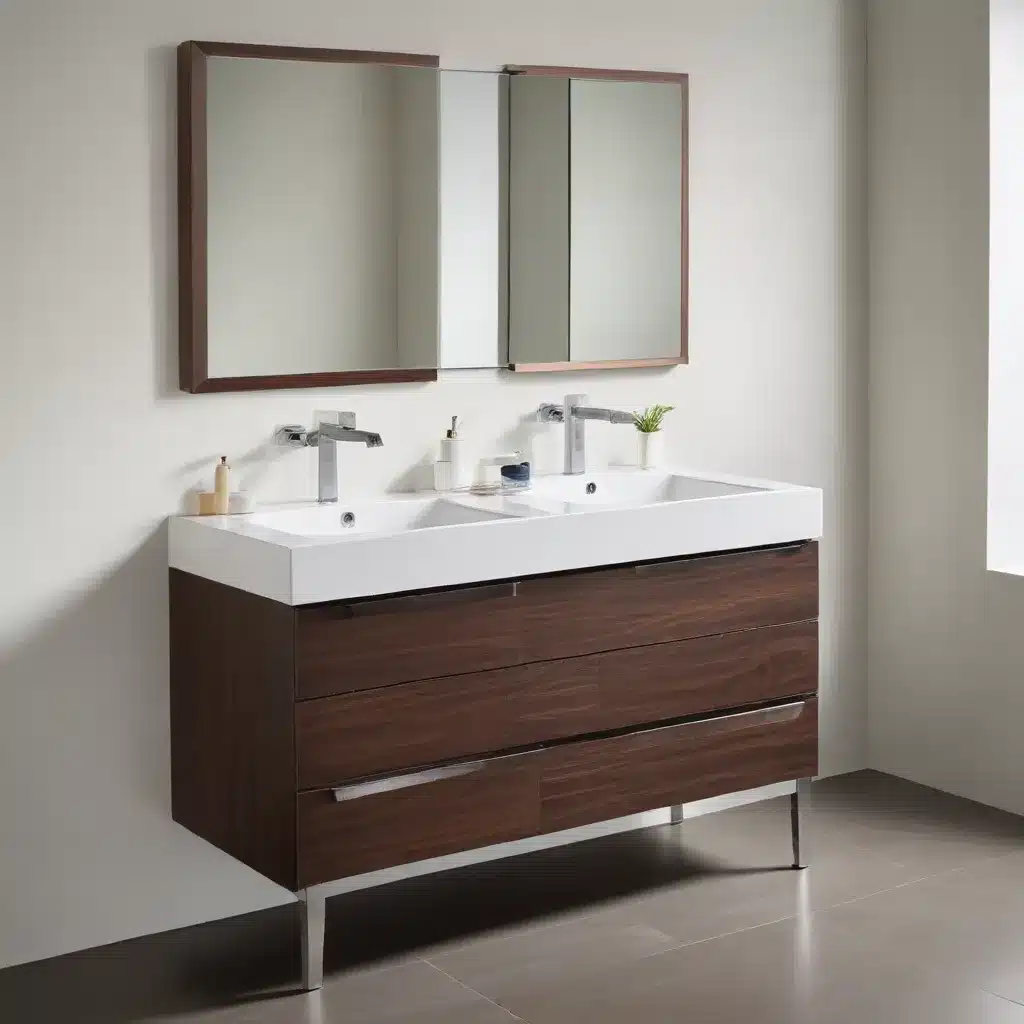
Wall-mounted vanities come in various sizes and configurations, from compact single-sink models to larger double-sink units. Many feature integrated countertops and sinks, creating a seamless look that epitomises modern design principles.
Floor-Standing Modern Vanities
While wall-mounted options are popular, floor-standing modern vanities remain a staple in many UK bathrooms. These units offer a balance between contemporary design and traditional stability. Modern floor-standing vanities often feature sleek legs or a minimalist base, maintaining an open feel while providing ample storage space.
Floor-standing vanities are generally easier to install than their wall-mounted counterparts, as they don’t require special wall reinforcement. This can make them a more cost-effective option for some homeowners. Additionally, they tend to offer more storage capacity, which can be beneficial in family bathrooms or spaces where maximising storage is a priority.
Many contemporary floor-standing vanities incorporate drawers rather than cabinets, allowing for easier access to stored items. Some models also feature open shelving, adding a touch of visual interest and providing space for decorative elements or frequently used items.
Integrated Sink and Countertop Vanities
Integrated sink and countertop vanities represent the pinnacle of streamlined bathroom design. These units feature a sink that is seamlessly moulded into the countertop, creating a smooth, uninterrupted surface that is both visually striking and easy to clean. In the UK market, these vanities are available in a range of materials, including solid surface composites, cast stone, and high-grade porcelain.
The integrated design eliminates the need for a separate sink and countertop, reducing the number of seams and joints where water and grime can accumulate. This not only contributes to a cleaner aesthetic but also simplifies maintenance and cleaning routines.
When selecting an integrated sink and countertop vanity, it’s important to consider the placement of the tap holes. Some models come with pre-drilled holes, while others allow for customisation to suit specific tap choices. This flexibility can be particularly useful when coordinating with existing bathroom fixtures or when aiming for a specific design aesthetic.
Materials and Finishes for Modern Vanities
High-Gloss Lacquered Finishes
High-gloss lacquered finishes have become increasingly popular for modern vanities in the UK. These finishes provide a sleek, reflective surface that can help to brighten and visually expand small bathroom spaces. Lacquered finishes are available in a wide range of colours, from crisp whites and neutrals to bold, statement-making hues.
The durability of high-gloss lacquered finishes has improved significantly in recent years, with many manufacturers using advanced techniques to create surfaces that are resistant to scratches and water damage. However, it’s important to note that these finishes may require more frequent cleaning to maintain their lustrous appearance, as fingerprints and water spots can be more visible on the glossy surface.
When selecting a high-gloss vanity, consider the overall lighting in the bathroom. The reflective nature of the finish can interact beautifully with both natural and artificial light sources, potentially enhancing the overall ambiance of the space.
Woodgrain and Textured Laminates
For those seeking a more natural or tactile aesthetic, modern vanities featuring woodgrain or textured laminates offer an excellent option. These finishes provide the warmth and character of wood or textured materials while offering the practicality and durability of laminate surfaces.
Woodgrain laminates are available in a variety of tones and grain patterns, allowing homeowners to achieve the look of specific wood species without the maintenance requirements of natural wood. Textured laminates, on the other hand, can mimic the appearance of materials like stone or concrete, adding depth and interest to the vanity’s surface.
Both woodgrain and textured laminates are highly resistant to moisture and wear, making them well-suited to the bathroom environment. They are also typically more affordable than their natural counterparts, offering a cost-effective way to achieve a high-end look.
Solid Surface Materials
Solid surface materials, such as those made from acrylic or polyester resins, have gained popularity in the UK for modern vanity tops and integrated sink designs. These materials offer a seamless, non-porous surface that is highly resistant to stains and bacteria growth, making them an excellent choice for bathroom environments.
One of the key advantages of solid surface materials is their repairability. Minor scratches or damage can often be buffed out, restoring the surface to its original condition. This longevity can make solid surface vanities a cost-effective choice in the long term, despite a potentially higher initial investment.
Solid surface vanities are available in a wide range of colours and patterns, including options that mimic the appearance of natural stone. This versatility allows homeowners to achieve their desired aesthetic while benefiting from the material’s practical advantages.
Storage Solutions in Modern Vanities
Drawer Configurations
Modern vanities often prioritise drawer storage over traditional cabinet spaces. Drawers offer several advantages in a bathroom setting, including easier access to stored items and better organisation potential. Many contemporary vanities feature a combination of shallow and deep drawers to accommodate different storage needs.
Shallow drawers are ideal for smaller items such as cosmetics, grooming tools, and medications. Deep drawers can house larger items like towels, toilet paper rolls, or cleaning supplies. Some vanity designs incorporate internal drawer organisers or adjustable dividers, allowing users to customise the storage space to their specific needs.
When selecting a vanity with drawers, consider the quality of the drawer runners. Soft-close mechanisms have become increasingly standard in modern vanities, preventing drawers from slamming shut and reducing wear and tear on the unit.
Open Shelving Components
Open shelving has become a popular feature in modern vanity design, offering a balance between storage and visual interest. These open components can be used to display decorative items, store frequently used toiletries, or house rolled towels for a spa-like aesthetic.
When incorporating open shelving into a vanity design, it’s important to consider the overall storage needs of the bathroom. While open shelves can contribute to a sense of spaciousness, they may not be suitable for storing items that are best kept out of sight. A combination of closed storage and open shelving often provides the most versatile solution.
Some modern vanities feature removable or adjustable shelves within open compartments, allowing users to modify the storage configuration as needed. This flexibility can be particularly useful in family bathrooms where storage needs may change over time.
Hidden Compartments and Organisational Features
Many modern vanities incorporate clever hidden compartments and organisational features to maximise storage efficiency. These can include pull-out grooming stations, hidden electrical outlets for charging devices, or specialised storage areas for hair styling tools.
Tip-out trays at the top of the vanity, just below the countertop, are becoming increasingly common. These shallow compartments are ideal for storing small, frequently used items like toothbrushes or razors, keeping them easily accessible but out of sight.
Some vanity designs also feature vertical pull-out storage units that make use of narrow spaces between drawers or at the sides of the unit. These can be excellent for storing taller items like bottles of shampoo or cleaning products.
When evaluating vanities with these advanced storage features, consider how they align with your daily routines and storage needs. While innovative compartments can be appealing, they’re most valuable when they genuinely enhance the functionality of the space.
Choosing the Right Size and Configuration
Single vs. Double Sink Vanities
The decision between a single or double sink vanity depends on several factors, including the size of the bathroom, the number of users, and personal preferences. In the UK, where bathrooms are often more compact compared to some other countries, space considerations play a crucial role in this choice.
Single sink vanities are typically more space-efficient and can be a good choice for smaller bathrooms or en-suites. They allow for more counter space around the sink area and often provide more storage options within the vanity unit itself. Single sink vanities are also generally more cost-effective, both in terms of the unit itself and the associated plumbing requirements.
Double sink vanities, on the other hand, offer convenience for shared bathrooms, allowing two people to use the space simultaneously. They can be particularly beneficial in master bathrooms or family bathrooms where morning routines often overlap. However, it’s important to ensure that the bathroom has sufficient space to accommodate a double vanity without feeling cramped.
When considering a double sink vanity, pay attention to the spacing between the sinks. Adequate separation ensures comfortable use for two people, while also providing enough counter space between and around the sinks for toiletries and other items.
Compact Solutions for Small Bathrooms
In many UK homes, particularly in urban areas or older properties, bathroom space can be at a premium. Fortunately, there are numerous modern vanity designs specifically created for small bathrooms. These compact solutions focus on maximising functionality within a limited footprint.
Narrow vanities, sometimes referred to as ‘slimline’ models, can be an excellent choice for small bathrooms. These units typically range from 400mm to 600mm in width, providing essential storage and sink space without dominating the room. Many narrow vanities incorporate clever storage solutions, such as deep drawers or pull-out organisers, to make the most of their compact size.
Corner vanities are another space-saving option, utilising often-underused corner spaces in the bathroom. These units can be particularly effective in awkwardly shaped bathrooms or where standard vanity placement is not feasible due to door swings or other fixtures.
Wall-mounted vanities, as mentioned earlier, can also be an excellent choice for small bathrooms. By keeping the floor space clear underneath, they create a sense of openness that can make the room feel larger. Some wall-mounted designs even incorporate a toilet roll holder or small shelf on the side, further maximising functionality in a limited space.
Customisation Options for Unique Spaces
While many modern vanities come in standard sizes and configurations, there’s a growing trend towards customisation in the UK market. This allows homeowners to create vanity solutions that perfectly fit their unique spaces and meet their specific needs.
Modular vanity systems offer a high degree of flexibility. These systems typically consist of individual components – such as drawer units, open shelving modules, and sink bases – that can be combined in various ways. This modular approach allows for customisation of both the overall size and the internal configuration of the vanity.
Bespoke vanity services are also available from many UK manufacturers and retailers. These services allow customers to specify exact dimensions, choose from a wide range of finishes and materials, and incorporate specific features or storage solutions. While bespoke options are generally more expensive than off-the-shelf units, they can be invaluable in challenging spaces or when seeking a truly unique bathroom design.
When considering customisation, it’s important to work with reputable suppliers who understand UK building regulations and plumbing standards. Custom vanities must still comply with all relevant regulations, particularly in terms of water supply and drainage connections.
Installation Considerations for Modern Vanities
Wall-Mounting Requirements
Wall-mounted vanities require careful consideration during the installation process to ensure both safety and compliance with UK building regulations. The key factor in wall-mounting is the strength of the wall and the mounting system used.
In the UK, internal walls are typically constructed using either solid masonry (brick or block) or stud partitions (timber or metal framing with plasterboard). The type of wall will determine the appropriate mounting method:
- For solid masonry walls, heavy-duty wall plugs and bolts are usually sufficient to secure the vanity.
- For stud walls, it’s essential to locate the studs and secure the vanity directly to these. In some cases, additional support may need to be added within the wall cavity.
The Building Regulations Approved Document A (Structure) provides guidance on the structural safety aspects of wall-mounted fixtures. It’s crucial to ensure that the wall and mounting system can support not only the weight of the vanity itself but also the additional weight of water when the sink is full and any items stored within the unit.
Professional installation is highly recommended for wall-mounted vanities. An experienced installer will be able to assess the wall structure, choose appropriate fixings, and ensure that the unit is level and secure. They will also be familiar with local building regulations and can ensure that the installation complies with all relevant standards.
Plumbing Considerations
The installation of any vanity unit must take into account the existing plumbing configuration and any potential modifications required. In the UK, bathroom plumbing must comply with the Water Supply (Water Fittings) Regulations 1999, which set standards for the design, installation, and maintenance of plumbing systems.
Key plumbing considerations include:
-
Water Supply: Ensure that the hot and cold water supplies are correctly positioned for the new vanity. This may involve relocating pipes, which should be done by a qualified plumber.
-
Waste Pipe: The position and size of the waste pipe must be compatible with the new vanity. In some cases, the waste pipe may need to be moved or adapted.
-
Trap Access: Building regulations require that the trap (U-bend) under the sink is accessible for maintenance. Some modern vanities incorporate removable panels or drawers to provide this access.
-
Water Pressure: Consider whether the existing water pressure is suitable for the taps you plan to use with the new vanity. Some modern tap designs require a minimum water pressure to function correctly.
-
Isolation Valves: It’s good practice to install isolation valves for both hot and cold water supplies. These allow for easy maintenance and replacement of taps without needing to shut off the water supply to the entire property.
When installing a new vanity, it’s often an opportune time to assess the overall plumbing system in the bathroom. Upgrading old pipework or improving water pressure can enhance the functionality of the new fixture and potentially prevent future issues.
Electrical Safety and Regulations
Many modern vanities incorporate electrical elements, such as integrated lighting or power outlets. In the UK, any electrical work in bathrooms must comply with Part P of the Building Regulations, which covers electrical safety in dwellings.
Bathrooms are considered ‘special locations’ under these regulations due to the increased risk associated with the presence of water. This means that there are strict rules about the type and positioning of electrical fittings:
- Electrical outlets in bathrooms must be located at least 3 meters horizontally from the edge of a bath or shower, unless they are a special shaver socket complying with BS EN 61558-2-5.
- Lighting fixtures must have the appropriate IP (Ingress Protection) rating for their location within the bathroom. For example, lights within the splash zone around a sink require a higher IP rating than those in drier areas.
- Any electrical work in a bathroom, including the installation of lighting or power outlets associated with a vanity, must be carried out by a qualified electrician or inspected by a competent person under a self-certification scheme.
When selecting a vanity with integrated electrical features, ensure that it complies with all relevant UK safety standards and regulations. It’s advisable to work with a supplier who is familiar with these requirements and can provide appropriate documentation.
Maintenance and Care of Modern Vanities
Cleaning and Daily Care
Proper maintenance is crucial for preserving the appearance and functionality of modern vanities. The specific care requirements will depend on the materials used in the vanity’s construction, but some general guidelines apply to most modern units:
-
Regular Cleaning: Wipe down the vanity surface daily with a soft, damp cloth to remove water spots, soap residue, and dust. For most surfaces, mild soap and water are sufficient for routine cleaning.
-
Avoid Harsh Chemicals: Strong cleaners, abrasives, and acidic substances can damage many vanity finishes. Always check the manufacturer’s recommendations before using any cleaning products.
-
Protect Against Water Damage: While modern vanities are designed to withstand bathroom humidity, it’s important to wipe up standing water promptly to prevent potential damage or staining.
-
Care for Hardware: Clean and dry any metal hardware, such as handles or knobs, to prevent water spots and potential corrosion.
-
Ventilation: Ensure good ventilation in the bathroom to reduce humidity levels, which can affect wood and some other materials over time.
For specific materials:
- High-gloss finishes: Use a soft microfibre cloth to avoid scratching the surface. Specialised cleaners designed for high-gloss surfaces can help maintain the shine.
- Wood or wood-effect finishes: Avoid excess water exposure and use cleaners specifically formulated for wood surfaces.
- Solid surface materials: These are generally easy to clean and resistant to stains, but avoid using abrasive cleaners that could dull the finish.
Long-term Maintenance and Repairs
While modern vanities are designed for durability, some long-term maintenance may be necessary to keep them in optimal condition:
-
Check and Tighten Hardware: Periodically inspect and tighten any loose screws on drawer pulls, hinges, or other hardware.
-
Lubricate Moving Parts: Apply a small amount of silicone lubricant to drawer slides and hinges annually to ensure smooth operation.
-
Seal Natural Stone: If the vanity top is made of natural stone, such as marble or granite, it may need to be resealed periodically to maintain its resistance to stains and water damage.
-
Touch-up Repairs: For minor scratches or chips in painted or lacquered finishes, touch-up kits may be available from the manufacturer.
-
Professional Restoration: For more significant damage or wear, professional restoration services can often refinish or repair modern vanities, extending their lifespan.
-
Plumbing Maintenance: Regularly check under the sink for any signs of leaks or water damage, and address any issues promptly to prevent damage to the vanity unit.
By following these maintenance practices, homeowners can ensure that their modern vanities continue to look great and function well for many years. Regular care not only preserves the aesthetic appeal of the vanity but can also prevent more costly repairs or replacements in the future.
Cost Considerations and Budgeting
Price Ranges for Different Types of Modern Vanities
The cost of modern vanities in the UK can vary widely depending on factors such as size, materials, brand, and features. Here’s a general overview of price ranges for different types of modern vanities:
| Vanity Type | Low-End Price Range | Mid-Range Price Range | High-End Price Range |
|---|---|---|---|
| Wall-Mounted | £200 – £500 | £500 – £1,200 | £1,200 – £3,000+ |
| Floor-Standing | £250 – £600 | £600 – £1,500 | £1,500 – £4,000+ |
| Integrated Sink and Countertop | £300 – £800 | £800 – £2,000 | £2,000 – £5,000+ |
Note that these price ranges are approximate and can vary based on current market conditions and specific product features. Custom or bespoke vanities typically fall into the higher end of the price spectrum or may exceed these ranges depending on the level of customisation.
When budgeting for a new vanity, it’s important to consider not just the cost of the unit itself, but also additional expenses such as:
- Installation costs (typically £200 – £500 for standard installation)
- Plumbing modifications if required (can range from £100 – £500 or more)
- New taps and waste fittings (£50 – £300+)
- Any electrical work for integrated lighting or outlets (£100 – £300+)
Value for Money and Long-term Investment
When considering the cost of a modern vanity, it’s important to view it as a long-term investment in your home. Higher-quality vanities, while more expensive initially, often offer better durability, functionality, and aesthetic appeal over time. Factors that can contribute to the long-term value of a vanity include:
-
Quality of Materials: Higher-grade materials generally offer better resistance to wear, moisture, and daily use.
-
Construction Quality: Well-constructed vanities with solid joinery and high-quality hardware tend to last longer and maintain their functionality.
-
Timeless Design: Opting for a classic or versatile design can ensure that the vanity remains stylish for years to come, potentially increasing the value of your home.
-
Storage Efficiency: Vanities with well-designed storage solutions can improve the overall functionality of your bathroom, providing value beyond just aesthetics.
-
Brand Reputation: Established brands often offer better warranties and after-sales support, which can be valuable if issues arise.
When assessing value for money, consider the expected lifespan of the vanity. A well-made, modern vanity should last 15-20 years or more with proper care. Dividing the total cost (including installation) by the expected years of use can help in comparing the long-term value of different options.
Tips for Cost-Effective Choices
For homeowners looking to achieve a modern look while managing costs, consider these strategies:
-
Prioritise Features: Identify which features are most important to you (e.g., storage capacity, specific materials) and focus your budget on these aspects.
-
Consider Alternative Materials: Look for vanities that use high-quality laminates or engineered materials that mimic the look of more expensive options like natural stone or exotic woods.
-
Watch for Sales and Promotions: Many retailers offer significant discounts during sale periods, particularly around major holidays or at the end of seasons.
-
Compare Multiple Retailers: Prices can vary significantly between different suppliers. Check both local showrooms and online retailers for the best deals.
-
Opt for Standard Sizes: Custom or non-standard sizes typically come with a premium price tag. Choosing standard dimensions can reduce costs significantly.
-
DIY Where Possible: While professional installation is recommended for complex setups, simple vanity replacements might be suitable for DIY installation if you have the necessary skills, potentially saving on labour costs.
-
Refinish Existing Cabinetry: If your current vanity is structurally sound, consider refinishing or repainting it and updating the countertop and hardware for a modern look at a fraction of the cost of a full replacement.
-
Choose a Modular System: Some manufacturers offer modular vanity systems that allow you to customize your configuration while using standardized components, potentially offering a middle ground between custom and off-the-shelf options.
By carefully considering these factors and strategies, homeowners can find a modern vanity that not only meets their aesthetic and functional needs but also aligns with their budget constraints. Remember that investing in quality, even if it means a higher upfront cost, can often lead to better long-term value and satisfaction with your bathroom renovation.
Integrating Modern Vanities into Overall Bathroom Design
Coordinating with Other Bathroom Elements
When introducing a modern vanity into a bathroom, it’s crucial to consider how it will interact with the other elements of the space. A well-integrated vanity should complement the overall design aesthetic while serving as a focal point. Here are key considerations for coordination:
-
Colour Scheme: The vanity should either harmonise with or provide a deliberate contrast to the bathroom’s colour palette. For example, a white glossy vanity can provide a crisp contrast in a bathroom with darker tiles, or blend seamlessly in an all-white scheme.
-
Material Consistency: Try to echo the vanity’s materials or finishes in other bathroom elements. If the vanity features a woodgrain finish, consider incorporating similar tones in accessories or mirror frames.
-
Hardware Cohesion: Choose tap fittings, drawer pulls, and other hardware that match in finish and style. Brushed nickel, chrome, or matte black finishes are popular choices for modern bathrooms.
-
Mirror Selection: The mirror above the vanity plays a crucial role in the overall look. Consider a frameless mirror for a sleek look, or choose a frame that complements the vanity’s style.
-
Lighting Coordination: Ensure that the lighting fixtures, whether wall-mounted or ceiling lights, complement the modern aesthetic of the vanity. LED strip lighting under wall-mounted vanities can add a contemporary touch.
-
Tile Selection: The floor and wall tiles should work in harmony with the vanity. Large-format tiles or continuous surfaces like microcement can enhance the modern feel.
-
Shower and Bath Fixtures: If replacing other bathroom fixtures, choose designs that share similar lines and finishes with the vanity for a cohesive look.
Creating Visual Flow and Balance
Achieving a sense of visual flow and balance is key to a successful bathroom design. The vanity, as a significant element, plays a crucial role in this:
-
Proportions: Ensure the vanity is proportionate to the room size. An oversized vanity can overwhelm a small space, while a too-small unit might look out of place in a larger bathroom.
-
Symmetry vs. Asymmetry: Decide whether a symmetrical layout (e.g., a double vanity centered on a wall) or an asymmetrical approach (e.g., an off-center single vanity with additional storage) works better for your space.
-
Sight Lines: Consider the view of the vanity from the bathroom entrance. It should create an inviting first impression and guide the eye through the space.
-
Negative Space: Allow for some empty space around the vanity to prevent the room from feeling cluttered. This is especially important in smaller bathrooms.
-
Vertical Elements: If using a wall-mounted vanity, consider adding some vertical storage elements or a tall cabinet to balance the horizontal lines.
-
Textural Balance: Mix textures to add depth to the design. A sleek, glossy vanity can be balanced with textured tiles or a plush bath mat.
Lighting Considerations for Modern Vanities
Proper lighting is essential for both the functionality and ambiance of the vanity area:
-
Task Lighting: Ensure adequate lighting for grooming tasks. Wall-mounted sconces on either side of the mirror provide even, shadow-free illumination.
-
Ambient Lighting: Incorporate ceiling lights or recessed spotlights to provide overall illumination in the bathroom.
-
Accent Lighting: Consider LED strips under wall-mounted vanities or within glass-fronted cabinets to add depth and interest.
-
Natural Light: If possible, position the vanity to take advantage of natural light from windows or skylights.
-
Colour Temperature: Choose bulbs with a color temperature around 2700K-3000K for a warm, flattering light, or 3000K-3500K for a cooler, more invigorating ambiance.
-
Dimmable Options: Install dimmer switches to allow for adjustable lighting levels, useful for creating a relaxing atmosphere or for nighttime use.
-
Integrated Lighting: Some modern vanities come with built-in lighting features, such as illuminated mirrors or LED strips along the top edge of the unit.
-
Smart Lighting: Consider smart lighting systems that allow for customizable settings and can be controlled via smartphone apps or voice commands.
By carefully considering these aspects of integration, visual flow, and lighting, you can ensure that your modern vanity becomes an integral part of a cohesive and stylish bathroom design. The goal is to create a space that not only looks contemporary and appealing but also functions efficiently for your daily routines.
Sustainable and Eco-Friendly Options
Environmentally Conscious Materials
As environmental awareness grows, many UK homeowners are seeking sustainable options for their bathroom renovations, including eco-friendly vanities. Here are some environmentally conscious materials to consider:
-
Reclaimed Wood: Vanities made from reclaimed or salvaged wood offer a unique aesthetic while reducing demand for new timber. These can be sealed to withstand bathroom humidity.
-
Bamboo: Fast-growing and renewable, bamboo is an excellent sustainable alternative to traditional hardwoods. It’s durable and naturally resistant to moisture.
-
Recycled Glass: Some manufacturers offer countertops made from recycled glass embedded in resin, providing a durable and unique surface.
-
FSC-Certified Wood: If opting for new wood, choose vanities made from timber certified by the Forest Stewardship Council (FSC), ensuring it comes from responsibly managed forests.
-
Recycled Plastic: Innovative materials made from recycled plastics are emerging in the market, offering durability and water resistance.
-
Low-Impact Composites: Look for composite materials made from natural fibers and low-VOC (Volatile Organic Compound) resins.
-
Natural Stone Offcuts: Some manufacturers use stone offcuts that would otherwise be discarded to create unique vanity tops, reducing waste in the stone industry.
When selecting materials, consider not just their origin but also their longevity and end-of-life recyclability. Durable materials that last longer ultimately have a lower environmental impact.
Water-Saving Features
Modern vanities can incorporate various water-saving features to reduce water consumption:
-
Low-Flow Taps: Choose taps with a flow rate of 5-6 litres per minute or less. Some modern designs incorporate aerators that maintain water pressure while reducing flow.
-
Sensor-Activated Taps: These can reduce water waste by ensuring the tap is only on when needed. They’re particularly useful in family bathrooms.
-
Dual-Flush Mechanisms: If your vanity includes a built-in toilet unit, opt for a dual-flush system that uses less water for liquid waste.
-
Greywater Systems: Some advanced vanity designs can incorporate greywater recycling, using water from the sink to flush the toilet.
-
Water-Efficient Basin Design: Choose basin designs that require less water to fill and use. Shallower basins or those with a sloped bottom can be effective.
-
Pressure-Compensating Aerators: These maintain a consistent flow rate regardless of water pressure, optimizing water use.
-
Thermostatic Mixers: These prevent water waste by quickly achieving and maintaining the desired water temperature.
Energy Efficiency in Modern Vanity Design
Energy efficiency in vanity design primarily relates to lighting and any integrated electrical features:
-
LED Lighting: Use LED lights for any integrated vanity lighting. LEDs use significantly less energy than traditional bulbs and have a longer lifespan.
-
Motion Sensors: Incorporate motion-sensor switches for vanity lights to ensure they’re only on when needed.
-
Energy-Efficient Heating Elements: If your vanity includes heated drawers or towel rails, choose models with efficient heating elements and good insulation.
-
Smart Power Strips: Use smart power strips for any electrical outlets in the vanity to eliminate standby power consumption from devices like electric toothbrushes or shavers.
-
Reflective Surfaces: Glossy finishes or mirrored surfaces can help reflect light, potentially reducing the need for additional artificial lighting.
-
Natural Light Utilization: Design the vanity area to maximize the use of natural light, reducing reliance on artificial lighting during daylight hours.
-
Energy-Efficient Ventilation: If incorporating a ventilation system near the vanity, choose energy-efficient models to reduce overall energy consumption in the bathroom.
Certifications and Standards
When shopping for eco-friendly vanities, look for recognized certifications and standards:
-
FSC Certification: Ensures wood comes from responsibly managed forests.
-
PEFC (Programme for the Endorsement of Forest Certification): Another reliable certification for sustainably sourced wood.
-
Cradle to Cradle Certified: This certification assesses products for environmental and social performance across five categories.
-
BREEAM (Building Research Establishment Environmental Assessment Method): While primarily for whole buildings, some products may contribute to BREEAM ratings.
-
EU Ecolabel: A voluntary scheme that promotes environmental excellence in products and services.
-
Water Efficiency Labelling Scheme (WELS): Look for this label on taps and other water fittings to understand their water efficiency rating.
-
Energy Saving Trust Endorsed: For any electrical components, this certification indicates high energy efficiency.
By choosing vanities and associated fixtures that prioritize sustainability, water conservation, and energy efficiency, homeowners can create a bathroom that not only looks modern and stylish but also aligns with environmental values. These choices can lead to reduced utility bills and a smaller ecological footprint, making them beneficial for both personal finances and the planet.
For more information on sustainable home improvements and energy-efficient solutions, visit ABC Home, where you can find a range of eco-friendly options for your bathroom renovation projects.
Conclusion
Modern vanities have become a cornerstone of contemporary bathroom design, offering a perfect blend of style, functionality, and efficiency. As we’ve explored throughout this article, these fixtures go far beyond mere storage solutions; they are integral to creating a cohesive, streamlined bathroom aesthetic that can significantly enhance the overall appeal and value of a home.
The variety of options available in the UK market caters to diverse preferences and practical needs. From sleek wall-mounted designs that create an illusion of space to robust floor-standing units that provide ample storage, there’s a modern vanity solution for every bathroom size and layout. The integration of advanced materials, innovative storage solutions, and water-saving features demonstrates how modern vanities are evolving to meet the demands of today’s environmentally conscious and style-savvy homeowners.
When selecting a modern vanity, it’s crucial to consider not just its visual appeal but also its practical aspects. Factors such as size, configuration, materials, and installation requirements play vital roles in ensuring that the chosen vanity not only looks great


