
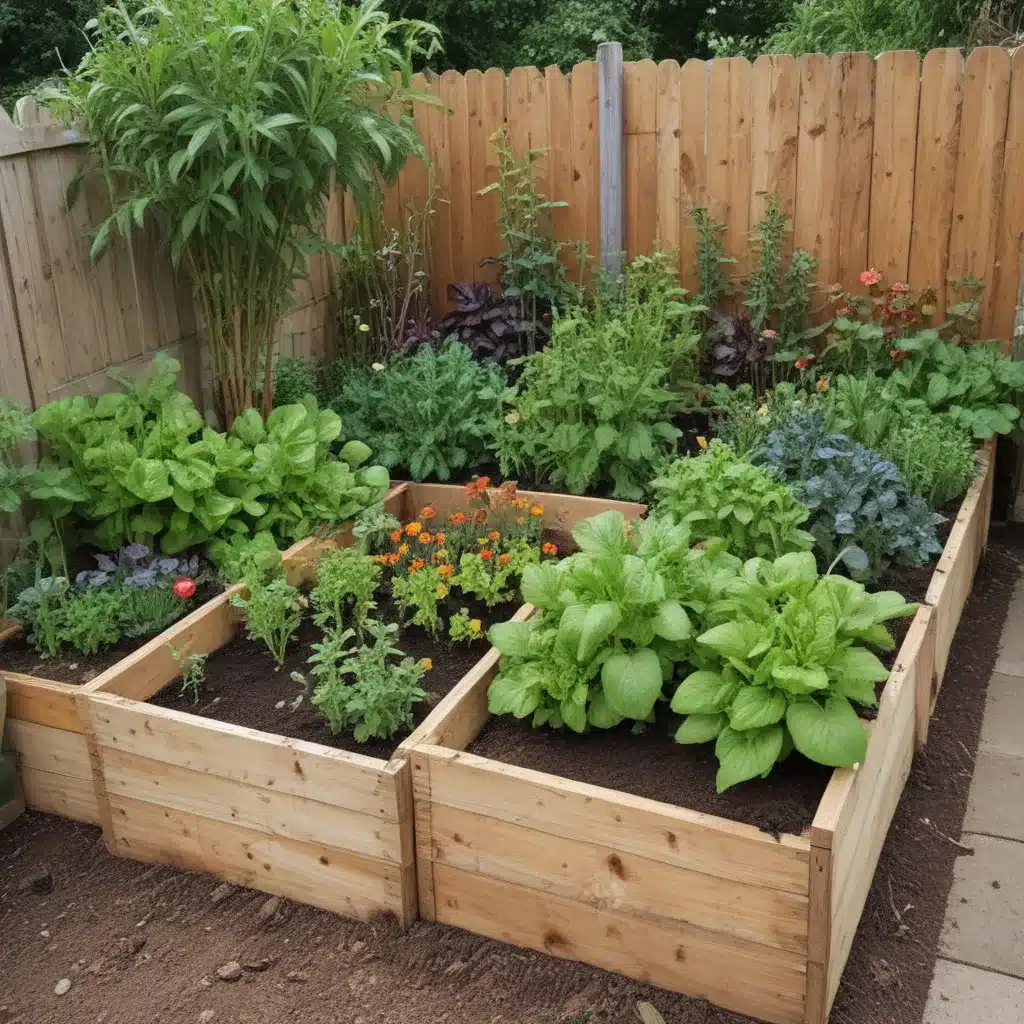
Embracing the Joys of Homegrown Goodness in a Compact Space
At the first hint of spring’s revival, I find myself giddily anticipating the planting season. The morning bird songs, the emerald green hues creeping back onto the landscape, and those fledgling new shoots peeking through the soil – it’s enough to set my heart aflutter with excitement. And you know what that means? It’s time to get my hands dirty and bring my small space edible garden to life!
You see, I’ve always had a deep affection for growing my own food, even though I don’t have the luxury of sprawling acreage. In fact, I’ve found that container gardening and vertical gardening techniques are the perfect solution for transforming my modest balcony and patio into a bountiful oasis of homegrown goodness.
As experts at The Spruce have noted, you don’t need vast outdoor expanses to cultivate a thriving edible garden. With the right containers, soil, watering schedule, and sun exposure, it’s entirely possible to yield a bountiful harvest in a small footprint. And gardeners like Mark Ridsdill Smith have become true authorities on the art of container gardening, sharing their hard-earned wisdom for urban dwellers and space-challenged green thumbs.
So, whether you’re a seasoned gardener or a complete novice, I’m here to share my own journey into the world of small space edible gardening – the trials, the triumphs, and the sheer joy of watching those tiny seeds transform into a delicious homegrown harvest. Let’s dive in, shall we?
Finding the Right Spot: Maximizing Sunlight and Airflow
One of the first and most critical steps in setting up a successful small space edible garden is identifying the perfect location. Much like with any garden, the amount of sunlight your growing area receives is key. As the team at Wonderground Press advises, you’ll want to choose a spot that can provide at least 6 hours of direct sunlight per day, with the ideal being 8 hours or more.
Now, I know what you’re thinking – my patio/balcony/windowsill doesn’t exactly scream “sun-drenched oasis.” But fear not! With a little creativity and strategic planning, you can maximize the available light in even the most shaded of spaces. I like to use an app on my phone to track the sun’s path throughout the day and the year, helping me identify the sunniest areas. And Wonderground Press also suggests considering the use of deciduous plants and vines to provide pockets of shade and sun as needed.
But sunlight isn’t the only factor to consider. Airflow is also crucial for the health and vigor of your edible plants. As I’ve learned from my own experience, positioning your containers and raised beds in a way that allows for sufficient air circulation can make a world of difference in preventing pests and diseases.
Choosing the Right Containers and Soil
With the perfect growing spot identified, it’s time to turn our attention to the containers and soil that will house your edible oasis. The team at Wonderground Press emphasizes the importance of using well-draining, nutrient-rich potting mix rather than garden soil, which can be too dense and heavy for container gardening.
Now, the options for containers are truly endless – from classic terracotta pots to upcycled buckets, wine barrels, and even old bathtubs! The key is to choose containers that are large enough to accommodate the mature size of your plants. As The Spruce advises, herbs and leafy greens can thrive in smaller pots, while fruiting plants like tomatoes, peppers, and eggplants do best in 5-gallon or larger containers.
And don’t forget about drainage! Ensuring your containers have ample drainage holes is crucial to prevent waterlogged soil and root rot. Wonderground Press also suggests using saucers or trays beneath your pots to collect any excess moisture.
When it comes to soil, quality is paramount. The experts at Wonderground Press recommend using a high-quality, peat-free potting mix, which often contains a blend of compost, coir, and other organic materials to provide optimal drainage and nutrition for your plants. And don’t be afraid to amend your soil with additional compost or organic fertilizers to keep your edible crops thriving throughout the growing season.
Choosing the Right Plants for Your Small Space
Now that you’ve got the perfect growing environment set up, it’s time to decide what to plant. The options are truly endless, but The Spruce suggests focusing on crops that grow well together in small gardens, such as tomatoes, peppers, eggplants, and leafy greens.
Wonderground Press also emphasizes the importance of considering the sun exposure in your growing area. Fruiting plants like tomatoes and peppers thrive in full sun, while herbs and leafy greens can tolerate a bit less, making them ideal for partially shaded spots.
But don’t feel limited to the classic veggie suspects! As I’ve discovered on my own balcony garden, edible flowers like nasturtiums and calendula can add a vibrant, whimsical touch while also providing delicious, nutrient-rich additions to salads and garnishes.
And let’s not forget about the joys of growing your own herbs! Having a thriving windowsill or patio herb garden means you can simply step outside and snip a sprig of basil, thyme, or rosemary whenever the culinary mood strikes. It’s the ultimate in fresh, flavorful, and convenient!
Of course, the specific plants you choose will depend on your personal preferences, growing conditions, and climate. But the key is to experiment, have fun, and don’t be afraid to try new and unexpected edible varieties. After all, the joy of small space gardening lies in the discovery and delight of watching your homegrown oasis flourish.
Caring for Your Edible Oasis
With your containers, soil, and plants in place, it’s time to dive into the day-to-day care and maintenance of your small space edible garden. And let me tell you, this is where the real fun begins!
Wonderground Press emphasizes the importance of consistent watering – something I’ve learned the hard way. Containers can dry out much faster than in-ground gardens, so it’s crucial to check the soil daily and water as needed. I like to use the “finger test” – sticking my finger into the soil to gauge its moisture level before deciding whether it’s time to add more water.
And speaking of water, don’t forget about proper drainage! As the team at Wonderground Press advises, ensuring your containers have adequate drainage holes and using saucers or trays to catch excess moisture can make all the difference in the health and vitality of your plants.
Fertilization is another key aspect of small space edible gardening. The Spruce recommends using slow-release, nutrient-rich fertilizers to keep your plants well-fed throughout the growing season. I’ve had great success with organic compost and balanced liquid fertilizers, but the specific needs of your plants may vary.
And of course, let’s not forget about the ever-present challenge of pests and diseases. As The Spruce points out, the confined nature of container gardening can make it easier for problems to spread. That’s why vigilant monitoring and quick intervention are so important. I like to make a habit of checking my plants daily, looking for any signs of trouble and addressing issues before they get out of hand.
But despite the occasional challenges, the rewards of tending to a small space edible garden are truly unparalleled. As I’ve discovered on my own balcony, there’s simply nothing quite like the satisfaction of harvesting fresh, homegrown produce and incorporating it into your daily meals. It’s a connection to the land and a celebration of the seasons that can’t be replicated in any other way.
Cultivating Community and Sustainability
But the benefits of small space edible gardening extend far beyond the realm of personal satisfaction. As gardening expert Mark Ridsdill Smith eloquently points out, growing your own food, even in the most compact of spaces, can have a profound impact on building community and promoting sustainability.
When you transform your patio, balcony, or windowsill into a thriving edible oasis, you’re not just nourishing yourself – you’re also offering a visual feast for your neighbors and passersby. As Ridsdill Smith has observed, this can be a wonderful way to connect with your community, swap seeds and plants, and even share your bountiful harvests.
And on a larger scale, the act of growing your own food, no matter how small the scale, is a powerful step towards a more sustainable future. As I’ve discovered on my own edible gardening journey, the reduction in food miles, the elimination of single-use packaging, and the joy of nurturing life-giving plants all contribute to a more eco-conscious lifestyle.
So, whether you’re aiming to create a lush, verdant oasis on your balcony, a vibrant herb garden on your windowsill, or a thriving edible landscape in your tiny courtyard, know that you’re not just growing food – you’re cultivating community, promoting sustainability, and nurturing your own connection to the natural world. And that, my friends, is the true essence of small space edible gardening.
So, what are you waiting for? Grab your trowel, your seeds, and your thirst for discovery, and let’s dive into the joyful world of small space edible gardening together. The bounty that awaits is sure to delight your senses and nourish your soul. Happy planting!


